
Finding the right back stretcher for women requires looking beyond generic, one-size-fits-all designs to focus on adjustable arch heights, appropriate width for shoulder clearance, and high-density materials that can withstand tropical humidity. Because women typically have distinct spinal curvatures, pelvic structures, and center-of-gravity distributions compared to men, a stretcher must offer anatomical compatibility to provide safe, effective decompression. Prioritizing customizable support over static plastic molds ensures that the device relieves muscular tension and promotes spinal alignment without causing joint strain or nerve compression.
Selecting a back stretcher is not merely about finding a device that feels firm; it is about matching the physical dimensions and structural flexibility of the tool to your unique body frame. By understanding how specific design features interact with female anatomy, you can make an informed decision that supports your long-term wellness, whether you are seeking relief from a sedentary desk job, correcting postural habits, or integrating spinal extension into an active fitness routine.
Why Body Proportions Matter for Back Stretchers
Using a back stretcher that does not align with your physical proportions can do more harm than good. The female spine generally exhibits a more pronounced lumbar lordosis—the natural inward curve of the lower back—and a different pelvic tilt compared to the male skeleton. Additionally, women often possess a wider pelvic structure and narrower shoulders, which shifts the center of gravity and alters how the spine distributes mechanical loads during passive extension.
Products mentioned in this guide
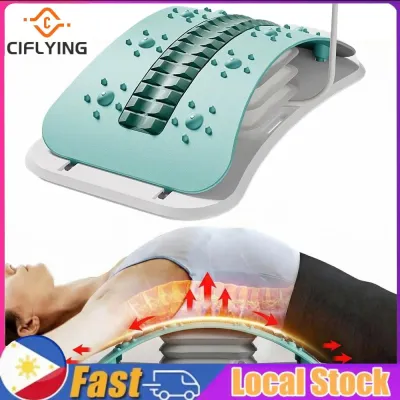
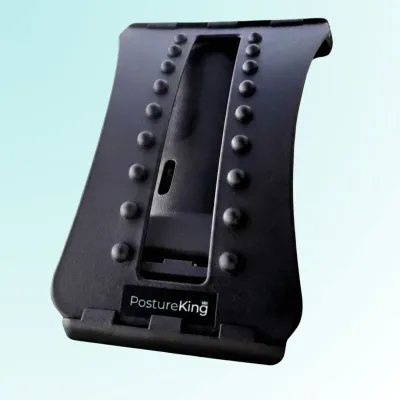
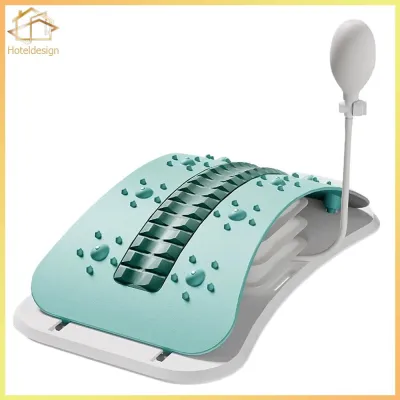
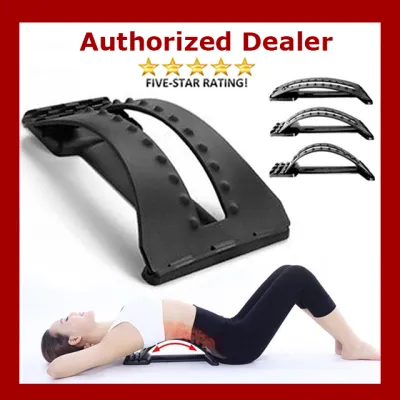
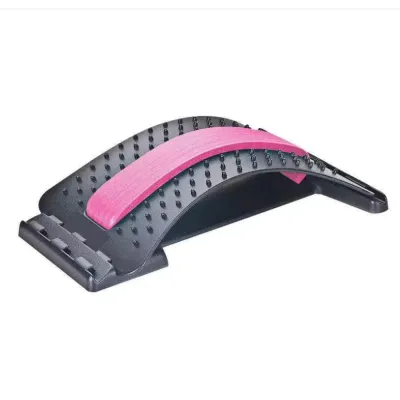
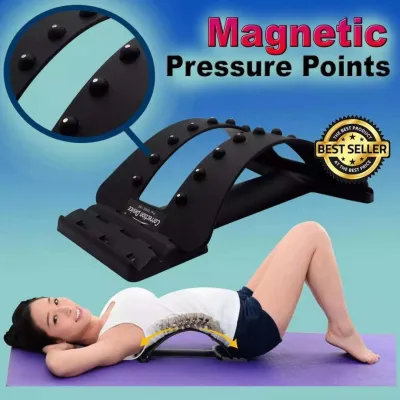
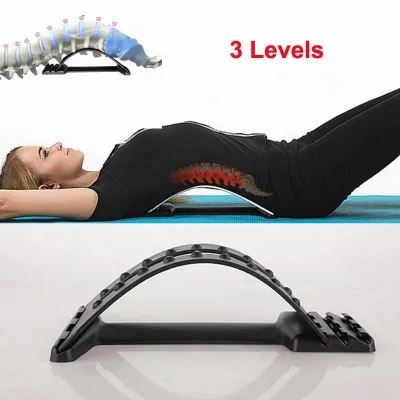
Prices are valid at publication and may change. Please refer to the product page for the latest price.
When you lie on a back stretcher, the device uses your body weight to create traction, separating the vertebrae and stretching the surrounding muscles. If the arch of the stretcher is too high, too steep, or positioned incorrectly for your spinal length, it can force your joints into hyperextension. This misalignment can lead to acute muscle guarding, where the muscles contract violently to protect the spine, resulting in severe spasms, joint compression, or pinched nerves rather than the intended decompression.
Furthermore, the width of the device must accommodate your torso without causing lateral instability. A stretcher that is too narrow may cause your back to roll off center, while one that is too wide can press directly against the shoulder blades, disrupting the natural movement of the scapulae. Ensuring that the device matches your specific anatomical contours is the single most important factor in achieving safe, therapeutic spinal traction at home.
Essential Design Features for Female Anatomy
To find a back stretcher that offers a safe and therapeutic fit, you must evaluate its physical specifications, structural integrity, and ergonomic features. Rather than relying on generic marketing claims or aesthetic designs, focus on how the device adapts to your body’s shape and flexibility levels. A well-engineered stretcher should act as a supportive bridge that respects your skeletal limits.

Arch Height and Adjustability
Spinal flexibility varies significantly from person to person, and your mobility can even fluctuate throughout a single day. Fixed-arch back stretchers, which feature a single, non-adjustable curve, present a high risk of overextension for beginners or individuals with limited thoracic mobility. If the static arch is too aggressive for your current level of flexibility, your back muscles will tense up immediately, preventing any meaningful decompression of the spinal discs.
To ensure safe progression, look for adjustable, multi-tiered designs that allow you to customize the angle of the arch. Most high-quality adjustable stretchers offer three or four distinct levels, ranging from a gentle, low-profile curve to a deeper, more advanced arch. This adaptability allows you to start on the lowest setting—often just a few centimeters off the ground—and gradually increase the stretch intensity as your muscles relax and your spinal mobility improves over weeks or months.
Before making a purchase, verify the manufacturer’s maximum and minimum height specifications. A beginner-friendly device should start at a minimum height of approximately 5 to 7 centimeters. Avoid any device that does not clearly state its height settings or requires significant physical strength to adjust, as changing the levels should be a smooth, secure process that does not compromise the structural stability of the frame.
Width and Shoulder Clearance
While lumbar support is the primary focus of most stretchers, the upper portion of the device must interact safely with your thoracic spine and shoulder girdle. Women with narrower shoulder spans or specific upper-back tension require a device that provides adequate lateral clearance. If the stretcher is excessively wide or lacks proper contouring, the hard edges can press directly into the inner borders of your shoulder blades, causing localized pain and bruising.
Look for back stretchers that feature a tapered design or specialized scapular cutouts. These structural recesses allow your shoulder blades to drop naturally on either side of the arch, encouraging chest opening and shoulder retraction without physical obstruction. The central channel of the stretcher should be wide enough to support the paraspinal muscles while leaving a clear, recessed path down the middle to prevent direct pressure on the spinous processes—the bony bumps of your spine.
To confirm a proper fit, measure the width of your back between the inner edges of your shoulder blades. Compare this measurement to the width of the stretcher’s upper arch. Choosing a device with contoured, rounded edges rather than sharp, vertical plastic borders will significantly reduce the risk of soft-tissue pinching during use.
Material Density and Surface Grip
A back stretcher must strike a precise balance between rigid structural support and surface comfort. The base of the device needs to be constructed from high-strength materials, such as reinforced ABS plastic or thick, high-density composite polymers, to prevent the arch from collapsing or flattening under your body weight. If the structural frame bends or flexes excessively during use, the traction force is lost, rendering the device ineffective.
While the base must be rigid, the surface that contacts your spine requires a cushioned layer to protect your bony prominences. Look for models featuring a central strip made of high-density EVA foam or medical-grade silicone. This cushioning absorbs pinpoint pressure along the spine while still transferring the firm, therapeutic upward force needed to decompress the vertebrae. Lower-quality, thin foam strips can bottom out quickly, leaving your spine resting directly against hard plastic.
In humid tropical environments like the Philippines, material selection becomes even more critical for safety and hygiene. High humidity can make smooth tiled floors—common in Filipino households—extremely slippery, which can cause a back stretcher to slide out from under you mid-stretch. Ensure the device features a reliable non-slip base, rubberized feet, or an included anchoring strap. Additionally, choose closed-cell EVA foam over open-cell foam, as closed-cell materials resist sweat absorption, prevent mold growth, and are easy to wipe clean after use.
Acupressure Node Placement
Many back stretchers feature raised plastic bumps or acupressure nodes across their surface, designed to mimic trigger-point therapy. However, the placement and hardness of these nodes must be evaluated carefully. If the nodes are spaced too closely together or run directly down the center of the device, they will press directly onto your spinal column, which can cause bruising, localized inflammation, and nerve irritation.
Safe and effective designs place the massage nodes in parallel rows on either side of the central spine channel. This configuration ensures that the pressure is directed entirely onto the paraspinal muscles—the thick bands of muscle that run alongside your spine—which are often the primary source of chronic back stiffness. The nodes should be designed to stimulate blood flow and release myofascial tension without digging painfully into the skin.
For daily wellness routines, softer, rounded silicone nodes or flat, textured ridges are generally preferable to hard, sharp plastic protrusions. If you are sensitive to deep tissue pressure, look for stretchers that include a smooth, removable fabric cover or a thick foam pad that can be placed over the nodes to mute their intensity until your body adapts.
Matching Stretcher Features to Your Wellness Goals
Your choice of a back stretcher should be guided by your specific lifestyle demands and physical goals. A woman seeking to relieve muscle tightness after a long day of desk work requires a different set of features than an active athlete looking to deepen her backbends. Identifying your primary wellness objective allows you to prioritize the design elements that will provide the greatest benefit.
Relief for Sedentary Lifestyles
If you spend long hours sitting at a desk, working in a BPO office, or navigating congested daily commutes, your lumbar spine is subjected to prolonged, passive compression. This sedentary posture leads to tight hip flexors, a flattened lumbar curve, and chronic stiffness in the lower back muscles, particularly the quadratus lumborum and erector spinae. For these concerns, your primary goal is gentle, sustained lumbar traction to decompress the lower vertebrae.
To address sedentary stiffness, prioritize a stretcher with a pronounced, supportive lower curve and a highly cushioned central strip. The device should focus its supportive force directly on the lower third of the spine to gently restore the natural inward lumbar curve. Look for models that can be easily integrated into a simple 5-to-10-minute evening routine on a carpeted floor or yoga mat, allowing your lower back to decompress gradually after hours of compression.
Additionally, consider versatile models that can double as a passive lumbar support cushion when strapped to your office chair. This dual-use capability helps maintain proper spinal alignment throughout the workday, actively preventing you from slouching forward and reducing the accumulation of muscle fatigue before you even begin your evening stretching session.
Posture Correction and Upper Back Mobility
For those struggling with forward-head posture, rounded shoulders, or a slouched upper back—often exacerbated by constant smartphone and laptop use—the focus must shift toward thoracic extension and chest opening. Reversing this hunched position requires a stretcher that can safely support the upper back while encouraging the shoulders to drop backward and down.
Look for stretchers that feature an extended length, integrated neck support cradles, or shoulder-opening wings. These design elements help guide your thoracic spine into gentle extension while supporting the cervical spine, preventing your head from hanging backward at an uncomfortable, strained angle. The upper portion of the arch should be narrow enough to allow your chest to open fully without pushing your shoulder blades forward.
When targeting the upper back, adjustability is paramount. The thoracic spine is naturally less mobile than the lumbar spine, meaning you will likely need to start on a very low, gentle setting to avoid straining the ribcage or chest muscles. A gradual, controlled opening of the chest cavity over several weeks will yield much better postural improvements than forcing a steep arch too quickly.
Yoga and Pilates Integration
Active individuals who practice yoga or Pilates often use back stretchers as dynamic props to assist in flexibility training, core stabilization, and advanced pose preparation, such as bridge or wheel poses. For these active applications, the stretcher must be exceptionally durable, lightweight, and capable of handling dynamic shifts in body weight without slipping or warping.
Prioritize stretchers made from high-density, solid EVA foam or heavily reinforced polymer frames that offer a high weight capacity and structural rigidity. The surface of the stretcher must feature a high-grip, textured pattern to prevent your clothing or skin from sliding during active movements or transitions. A minimalist design without highly protruding acupressure nodes is generally preferred for fitness integration, as it allows for smooth, uninterrupted transitions between different exercises.
Portability is also a key factor if you plan to carry your stretcher to a local studio or fitness class. Look for lightweight, single-piece foam arches or compact, collapsible plastic models that fit easily into a standard sports bag. The device should be resilient enough to withstand regular transport and outdoor use without losing its shape or structural integrity.
Safety Boundaries and Usage Guidelines
Because spinal manipulation and passive traction carry inherent physical risks, using a back stretcher requires strict adherence to safety protocols and correct technique. Equipment cannot replace professional medical judgment, and a back stretcher should always be treated as a passive mobility aid rather than a medical cure. Before using any back stretcher, always check the applied product’s label and the manufacturer’s instructions for specific weight limits and usage guidelines.
For beginners, a safe and gradual progression protocol is essential to prevent acute muscle strain:
- Start on the Lowest Setting: Always begin your first session on the lowest arch height, even if you consider yourself generally flexible.
- Limit Your Time: Keep your initial sessions to a maximum of 3 to 5 minutes. Your spinal ligaments and discs need time to adapt to the passive traction.
- Focus on Diaphragmatic Breathing: Avoid holding your breath or tensing your muscles. Inhale deeply through your nose and exhale slowly through your mouth, allowing your body weight to sink into the stretcher with each exhale.
- Exit the Stretcher Safely: Never try to sit straight up off the stretcher. Instead, gently roll onto your side, slide the device away from your back, and lie flat on the floor for 30 to 60 seconds before slowly pushing yourself up to a seated position.
While mild muscle stretching is normal, you must listen to your body and recognize clear warning signs. Stop using the device immediately if you experience any of the following red flags:
- Sharp, stabbing, or shooting pain in your back, neck, or hips
- Numbness, tingling, or a "pins and needles" sensation in your legs, feet, arms, or hands
- Dizziness, lightheadedness, or nausea when lying down or standing up
- An immediate, painful muscle spasm in the back or abdomen
If you have any pre-existing spinal conditions, you must consult a qualified healthcare professional, physical therapist, or orthopedic specialist before using a back stretcher. Conditions such as herniated or bulging discs, spinal stenosis, osteoporosis, spondylolisthesis, severe scoliosis, or joint instability can be severely aggravated by passive spinal extension. Additionally, pregnant women should avoid using back stretchers due to the presence of relaxin—a hormone that softens ligaments—which increases the risk of joint instability and spinal strain.
Finally, remember that a back stretcher is a passive mobility tool. While it can temporarily relieve muscle tightness and decompress the spine, it does not address the root cause of back pain. Long-term spinal health requires a balanced approach that combines passive stretching with active core strengthening, glute activation, and postural muscle training to support your spine dynamically throughout the day.
Your Pre-Purchase Evaluation Checklist
To ensure you select a back stretcher that is safe, effective, and tailored to your body, use this practical evaluation checklist when browsing online marketplaces or physical sports stores. Taking the time to verify these specifications will help you avoid low-quality products and ensure a comfortable fit.
1. Verify the Key Physical Specifications
- Adjustability: Does the device offer at least 3 adjustable height levels? (Avoid fixed-arch models unless specifically recommended by a physical therapist.)
- Minimum Height: Is the lowest setting under 8 centimeters to allow for a gentle, beginner-friendly start?
- Spine Channel: Is there a clear, recessed central channel to protect your spinous processes from direct pressure?
- Base Stability: Does the base feature rubberized non-slip pads or a textured bottom to prevent sliding on smooth tiled floors?
2. Measure for Anatomical Compatibility
- Shoulder Width: Measure the distance between the inner borders of your shoulder blades. Ensure the upper width of the stretcher is narrow enough or sufficiently contoured to prevent your scapulae from pressing hard against the edges.
- Torso Length: Ensure the length of the arch matches your lumbar or thoracic spine span. If you have a shorter torso, look for compact models; taller individuals should verify that the arch is long enough to support the entire lumbar region without creating a sharp drop-off.
3. Evaluate Material Quality and Climate Suitability
- Frame Material: Is the base made of thick, reinforced ABS plastic or high-density polymer that will not bend or crack under your body weight?
- Cushioning: Is the central strip made of closed-cell EVA foam or silicone? (Avoid open-cell foams that absorb sweat, moisture, and odors in humid tropical climates.)
- Maintenance: Can the surface materials be easily wiped down with a damp cloth and mild disinfectant?
4. Analyze Reviews and Retailer Policies
- Read User Feedback Critically: Search online marketplace reviews specifically for feedback from women of similar heights, weights, and fitness levels. Look for comments regarding the ease of adjusting the arch and the comfort of the acupressure nodes. Ignore reviews making unverified medical claims or promising overnight cures for chronic spinal conditions.
- Check the Return Policy: Because the subjective feel of a back stretcher—such as the firmness of the foam and the steepness of the arch—can only be truly evaluated by lying on it, ensure the retailer offers a clear return policy or satisfaction guarantee.
- Understand Local Price Bands: In the Philippines, budget-friendly basic models on online marketplaces typically range from ‛300 to ‛600. While these are highly accessible, they often feature thinner plastic and less durable foam. Premium, highly adjustable models constructed with reinforced ABS frames, thick closed-cell EVA cushioning, and secure non-slip bases generally range from ‛1,200 to ‛2,500. Investing in a higher-quality device ensures structural safety and long-term durability.
Community discussion
Share your experience or ask a question. Comments are reviewed before publication.