
Carrying your sports gear comfortably and keeping it protected requires the right equipment. A dedicated badminton bag backpack typically holds between 1 and 3 rackets safely, depending on its specific compartment design. Beyond your rackets, a well-engineered backpack is built to accommodate a pair of court shoes, a tube of shuttlecocks, a fresh change of clothes, a water bottle, and small personal accessories like grip tape, keys, and wristbands.
Choosing the ideal capacity is not just about counting racket frames; it is about understanding how your daily routine, transportation method, and playing habits interact with the bag’s physical volume. Whether you are navigating a crowded daily commute or heading straight to a local sports center for a high-intensity session, selecting the right storage layout ensures your gear remains organized, dry, and protected from damage.
Badminton Backpack Sizes: How Many Rackets Can You Actually Fit?
The modern badminton bag backpack is specifically engineered to accommodate the unique, elongated shape of a badminton racket. Unlike standard school or hiking backpacks, which are often tear-shaped or unstructured, badminton-specific backpacks typically feature a square or rectangular silhouette. This structured design provides a flat back panel that sits flush against your spine, distributing weight evenly across your shoulders and lower back while keeping the racket head secure.
Products mentioned in this guide
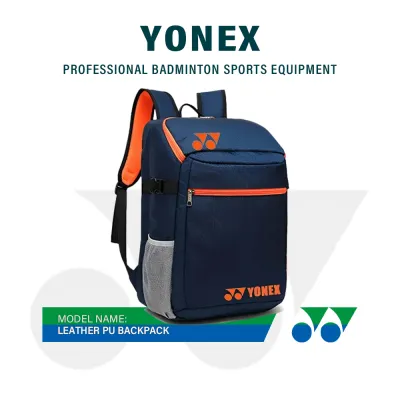
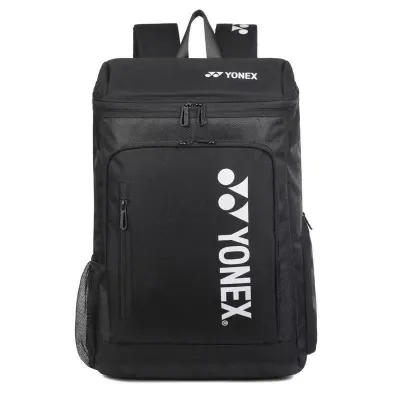
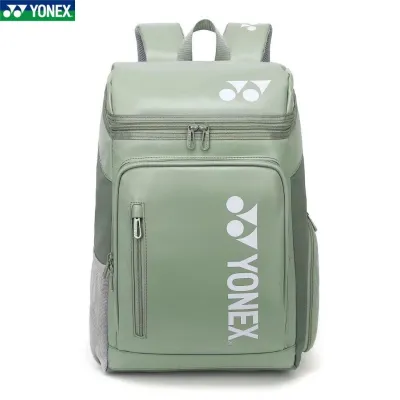
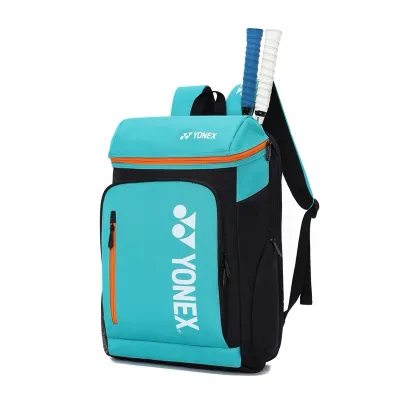
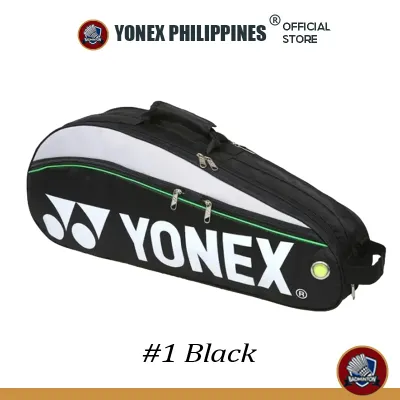
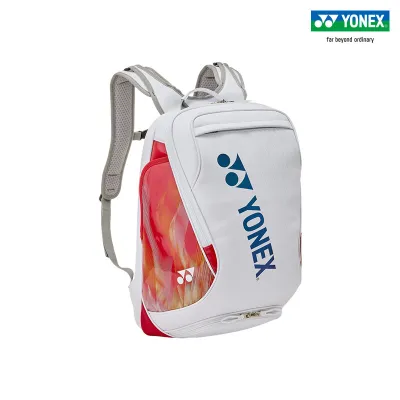
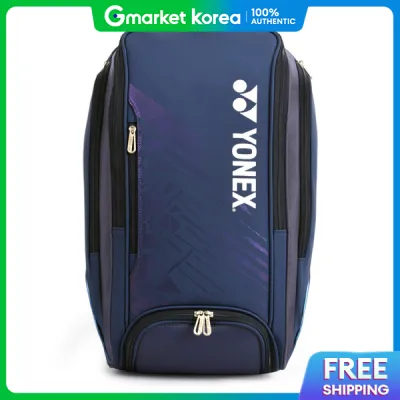
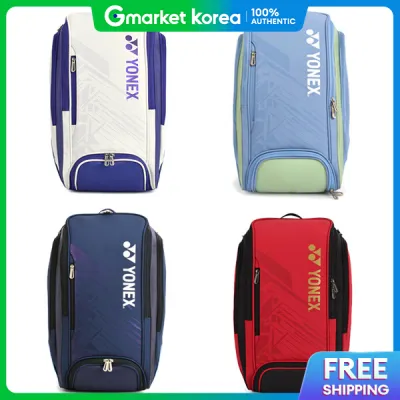
Prices are valid at publication and may change. Please refer to the product page for the latest price.
When choosing a backpack, capacity is generally categorized by the number of rackets the dedicated compartment can comfortably hold without warping the frames:
- 1-Racket Capacity: These minimalist or commuter-focused designs are perfect for casual players. They often feature a single padded sleeve inside the main compartment or a secure external pocket. This style keeps the bag slim and lightweight, making it easy to carry on public transit or store under an office desk.
- 2-Racket Capacity: This is the standard size for daily recreational players. These bags feature a dedicated racket compartment, usually positioned closest to the back panel for optimal weight distribution. They often include locking zippers that prevent the racket handles from slipping or clanking together during travel.
- 3-Racket Capacity: Designed for active club players and those undergoing structured training, these bags offer a wider racket compartment. They allow you to carry three rackets comfortably, ensuring you have backup frames ready if a string breaks during a high-tension match.
It is important to contrast these backpacks with larger tournament-style bags, such as 6-racket, 9-racket, or 12-racket rectangular shoulder bags. While tournament bags offer massive storage space for multiple backup rackets, change of shoes, and bulk gear, they are bulky and awkward to carry over long distances. Backpacks prioritize vertical mobility and ease of transport, making them the preferred choice for players who travel by motorcycle, bicycle, or foot.
The physical design of the racket compartment also dictates how much usable space remains in the rest of the bag. Some backpacks feature fully enclosed internal sleeves that protect the entire racket, including the handle, from dirt and sudden weather changes. Other designs use external slots where the handles protrude from the top of the bag. While external handle slots make the rackets incredibly easy to grab, they leave the grip tape exposed to dust, sweat, and unexpected tropical rain showers.
Beyond the Rackets: Essential Gear and Space Requirements
While protecting your rackets is a primary concern, the rest of your gear takes up the vast majority of your bag’s physical volume. Understanding how non-racket items consume space will help you avoid overpacking and damaging your equipment.

- Footwear: Court shoes are essential for maintaining grip and preventing ankle injuries on wooden or taraflex courts. Because shoes accumulate dust, moisture, and odor, they should never be tossed directly into the main compartment with clean clothes. A quality backpack features a dedicated, bottom-loading or front-loading shoe compartment. This pocket should be ventilated with mesh grommets to allow heat to escape, keeping the rest of your gear clean and hygienic.
- Apparel and Towels: Playing badminton in a warm, tropical environment like the Philippines means sweating heavily during intense rallies. Most players carry at least one full change of athletic wear, extra socks, and a highly absorbent microfiber towel. This bundle of fabric is surprisingly bulky, easily consuming 5 to 8 liters of space inside the main compartment.
- Hydration and Nutrition: Staying hydrated is critical for performance and safety on the court. Look for external side pockets made of heavy-duty elastic mesh that can securely hold a 1-liter water bottle or an insulated shaker. Storing your water bottle on the exterior of the bag prevents accidental leaks from ruining your dry clothes, electronics, or racket grips inside the main compartment.
- Shuttlecocks and Accessories: A standard tube of shuttlecocks is rigid and measures approximately 40 centimeters in length. Crushing or bending the tube can permanently deform the delicate feathers of the shuttlecocks inside, ruining their flight trajectory. Your backpack must have enough vertical height or a wide main cavity to fit at least one or two full tubes. Additionally, you will need small zippered pockets to organize essential accessories like replacement grip rolls, wristbands, scissors, and sports tape.
Evaluating Usable Space: Compartments, Layout, and Climate Needs
To get the most out of your bag, you must look beyond the manufacturer’s stated liter capacity and evaluate how the internal space is organized. Smart compartment layouts can dramatically improve your packing efficiency and protect your gear from environmental hazards.
In warm climates, thermal protection is a highly valuable feature. High-end badminton backpacks often feature a foil-lined, insulated racket compartment. This thermal barrier reflects external heat, protecting your high-tension strings from losing elasticity and preventing your graphite frames from warping when left in a hot car trunk or carried under the midday sun.
For players who balance work, school, and sports, main compartment organization is crucial. Look for a bag that features a dedicated, padded laptop or tablet sleeve alongside the main cargo space. This sleeve should hold your device securely against your back, keeping it suspended off the bottom of the bag so it does not slam against the floor when you set the bag down.
Managing damp, sweat-soaked gear in high-humidity environments is another major consideration. If left in a sealed bag, wet clothes and towels quickly breed bacteria, leading to persistent mildew odors that are incredibly difficult to wash out. Bags equipped with mesh ventilation panels, breathable outer pockets, or integrated wet/dry separation compartments are highly effective. Alternatively, keeping a lightweight, waterproof dry bag inside your backpack allows you to seal away wet gear completely, protecting your dry items and electronics.
External attachment points offer excellent utility when you need to carry extra items without overstuffing the interior. Heavy-duty D-rings, adjustable bungee cords, or side compression straps allow you to clip on dirty knee sleeves, hang a damp cap, or secure a light jacket to the outside of the bag. This keeps the interior organized and ensures your rigid gear, like shuttlecock tubes, does not get crushed.
Matching Backpack Capacity to Your Playing Routine
To choose the right backpack, you must evaluate your personal playing habits, lifestyle, and how you travel to the court. Matching your bag’s capacity to your routine ensures you never carry unnecessary bulk or find yourself struggling to zip your bag shut.
- Casual and Social Players: If you play once a week for leisure, a lightweight, compact 1-to-2-racket backpack is your best option. These bags are easy to carry, simple to store, and provide just enough space for your racket, a water bottle, keys, and your court shoes.
- Regular Training and Club Players: If you hit the courts multiple times a week or participate in local club matches, upgrade to a structured 2-to-3-racket backpack. This size ensures you can carry backup rackets, a dedicated shoe compartment, a change of clothes, and a full tube of shuttlecocks without cramming your gear.
- Commuting Players: For those who travel directly from the office or university to the sports center via public transit or motorcycle, a dual-purpose commuter backpack is ideal. Prioritize bags with padded laptop sleeves, secure pockets for valuables, and ergonomic shoulder straps with chest buckles to distribute weight comfortably during long transits.
Knowing when you have outgrown a backpack is key to protecting your investment. If you find yourself carrying more than three rackets, need to pack multiple pairs of shoes, or are traveling for multi-day tournaments that require extensive gear, it is time to transition to a larger 6-to-9-racket tournament shoulder bag. Standard quality bags in the market typically range from ₱1,500 to ₱5,000, making it a worthwhile investment to choose the right size from the start.
Frequently Asked Questions (FAQ)
Can I fit a laptop and my badminton gear in the same backpack?
Yes, many modern square-shaped badminton backpacks are designed with dedicated compartments for both commuting and sports gear. They feature a padded laptop sleeve closest to the back panel to keep your computer secure, while keeping shoes, damp clothes, and rackets in separate, isolated compartments to protect your electronics from moisture and impact.
How do I prevent my bag from smelling bad in a humid climate?
To prevent odors in humid conditions, never leave damp clothes or towels inside your bag overnight. Air out your backpack immediately after every session by opening all compartments. Use silica gel packets, charcoal deodorizing bags, or specialized sports shoe sprays, and wash removable laundry liners or wet bags regularly.
Is a square badminton backpack better than a standard hiking or school backpack?
Yes, standard backpacks lack the specific dimensions required to protect badminton rackets, often leaving the fragile frames bent or the handles sticking out awkwardly at angles that strain the zippers. Badminton-specific backpacks offer tailored racket compartments, protective thermal linings, and dedicated shoe pockets that keep dirty soles away from your clean gear.
Community discussion
Share your experience or ask a question. Comments are reviewed before publication.