
Selecting the right badminton bag is a practical decision that directly impacts how you transport, organize, and protect your gear. A bag that is too small forces you to cram rackets and shuttlecocks together, risking bent frames and crushed feathers. Conversely, an oversized bag can be cumbersome to carry, especially if you commute to the sports center on a motorcycle or via public transportation.
As a general rule, badminton bag capacities are categorized by the maximum number of rackets they can hold if the compartments are used exclusively for rackets. A standard backpack typically holds 1 to 2 rackets and 1 to 2 shuttlecock tubes. A medium-sized rectangular bag (often labeled as a 3-to-6 racket bag) comfortably accommodates 3 rackets, 2 tubes of shuttlecocks, a pair of court shoes, and a change of clothes. Large tournament bags (9-to-12+ racket capacity) are designed for competitive players who need to carry up to 6 rackets, multiple pairs of shoes, several shuttlecock tubes, and extensive recovery gear.
To find your ideal fit, you must balance the physical dimensions of your rackets with the secondary items you bring to the court. In tropical climates where high humidity and heat affect both racket string tension and shuttlecock durability, choosing a bag with the right protective features and ventilation is just as important as choosing the right size.
Products mentioned in this guide
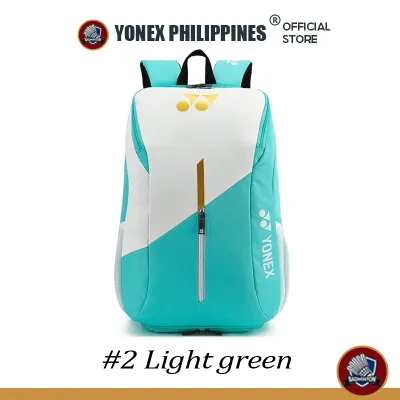
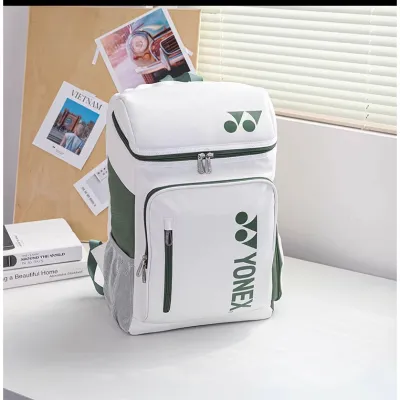
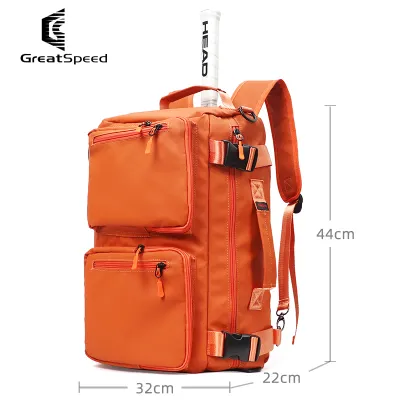
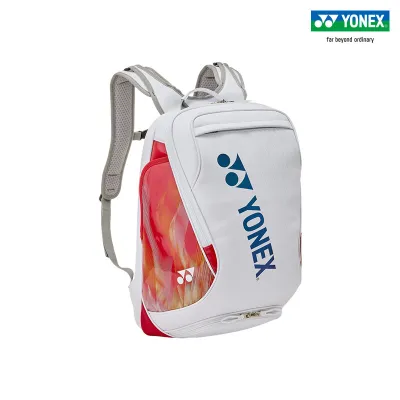
Prices are valid at publication and may change. Please refer to the product page for the latest price.
Understanding Standard Badminton Bag Sizes and Capacities
Badminton bags come in several distinct configurations, each designed for specific storage needs and travel styles. Understanding these standard categories helps you narrow down your choices based on your typical playing habits.
Small Bags and Backpacks
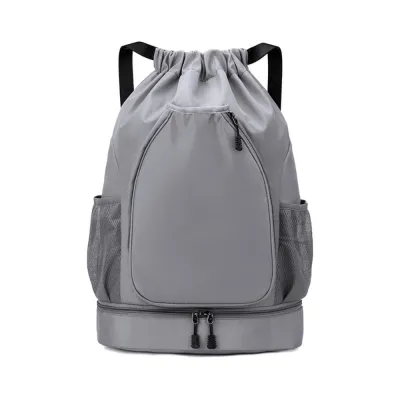
Backpack-style bags are highly popular among casual players and daily commuters. These bags feature a dedicated rear compartment that holds 1 to 2 rackets, with the handles usually extending out of the top of the bag. The main compartment has enough space for 1 or 2 shuttlecock tubes, a water bottle, and small personal items like keys, a phone, and a wallet. Because they distribute weight evenly across both shoulders, backpacks are ideal for those who travel to the court by bicycle, motorcycle, or public transit.
Medium or 3-to-4 Racket Bags
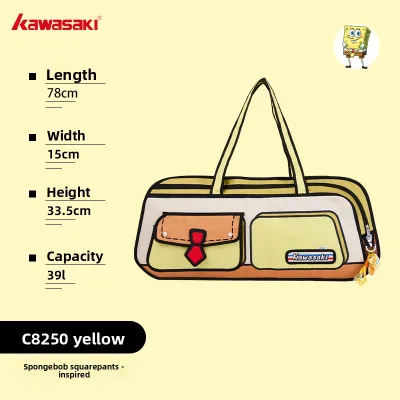
Often designed in a rectangular or teardrop shape, medium bags are the workhorses of regular club players. While manufacturers sometimes market these as 6-racket bags, that capacity only applies if you pack nothing but rackets. For practical use, these bags feature two main compartments: one side holds 3 to 4 rackets safely, while the other side accommodates 2 to 3 shuttlecock tubes, a small towel, and a fresh change of clothes. Many medium bags also include a dedicated, zippered shoe pocket accessible from the bottom or side.
Large or 6-to-12+ Racket Tournament Bags
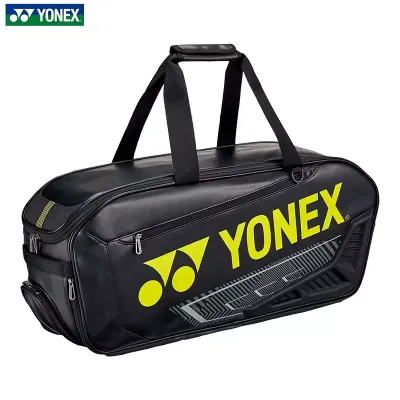
Tournament bags are large, rectangular gear carriers designed for competitive players, coaches, and those who participate in multi-day events. These bags typically feature three spacious main compartments. They can easily hold 6 to 12 rackets on one side, leaving the remaining compartments free for 4 or more shuttlecock tubes, multiple changes of clothing, warm-up gear, and toiletries. These bags often come with heavy-duty backpack straps, allowing you to carry the substantial weight comfortably over longer distances.
How to Calculate Your Required Capacity for Regular Sessions
To avoid buying a bag that is either bursting at the seams or mostly empty, you should calculate your exact gear loadout before making a purchase. Your required capacity depends on three main factors: primary gear, secondary gear, and play frequency.

Counting Primary Gear
Your primary gear consists of your rackets and shuttlecocks. If you play recreationally once a week, you may only need one active racket and a single backup. However, if you play with high string tension, strings can snap unexpectedly—especially in humid conditions where moisture softens the grommets and strings. In this case, carrying at least two backup rackets is highly recommended. Additionally, consider how many shuttlecock tubes you need to bring. If you are responsible for providing shuttlecocks for a group session, you may need to carry 2 to 4 tubes at a time.
Factoring in Secondary Gear
Secondary gear often takes up more physical volume than rackets. Court shoes are bulky and should never be squeezed tightly against rackets, as pressure can warp the racket frames or damage the delicate graphite. You must also account for the volume of a 1-liter water bottle, a sports towel, extra grips, grip powder, scissors, and medical tape. Furthermore, playing in warm, tropical sports centers results in heavily sweat-soaked clothing. You will need dedicated space to store these wet items separately from your dry gear to prevent mold and unpleasant odors.
Adjusting for Play Frequency
How often you play dictates how much gear accumulates in your bag. A casual player who goes straight from home to a nearby court can manage with a minimalist backpack. A player who trains multiple times a week, or goes to the court directly from work, requires a larger medium-sized bag to hold office clothes, work laptops, and training aids. For weekend tournaments where you might play several matches over two days, a large tournament bag becomes necessary to carry spare shoes, multiple shirts, and recovery snacks.
How Internal Compartments Affect Actual Usable Space
Total volume in liters can be a misleading metric when shopping for a badminton bag. The physical layout and internal divisions of the bag play a much larger role in determining how much gear you can actually pack.
Dedicated Shoe Compartments and Thermal Lining
Many modern badminton bags feature an integrated shoe compartment. While this is excellent for keeping dirty soles away from your clean clothes and rackets, the shoe pocket actually expands inward, consuming space from the main compartment. If you insert a pair of large-sized court shoes, the usable space in the adjacent compartment may be reduced by half. Additionally, premium bags often feature thermal-lined pockets designed to protect racket strings from extreme temperature fluctuations. These insulated walls are thicker and stiffer than standard fabric, which can slightly reduce the overall flexibility and packing capacity of that compartment.
Racket Compartment Lengths
Standard adult badminton rackets measure approximately 675mm in length. Standard sports backpacks or generic gym bags are often too short to fully enclose a racket, leaving the handle exposed to the elements. Dedicated badminton backpacks are designed with angled zippers or extended compartments to protect the entire racket, though some still leave the handle exposed. Rectangular shoulder and tournament bags are specifically sized to fully enclose the rackets, protecting the grip from dirt, sweat, and rain during your commute.
Side Pockets and Accessory Organizers
Shuttlecock tubes are highly susceptible to structural damage. If a cardboard tube is crushed or bent, the delicate goose or duck feathers inside can deform, permanently ruining the flight trajectory of the shuttlecocks. Side pockets that run the full length of the bag are ideal for storing shuttlecock tubes flat and secure. Smaller internal mesh pockets are highly useful for organizing minor accessories like replacement grips, string cutters, and keys, preventing them from floating loose and scratching your racket frames.
Common Sizing Mistakes to Avoid When Buying a Badminton Bag
When browsing online marketplaces or local sports shops, it is easy to make a purchase based on aesthetics or brand names rather than practical utility. Avoiding these common pitfalls will ensure you choose a bag that serves you well on the court.
Relying Solely on Liter Volume
Do not assume a 40-liter hiking backpack or a standard gym duffel bag will work perfectly for badminton. Rackets have a unique, elongated shape that does not fit well in deep, round bags. A dedicated badminton bag of a smaller volume will often hold rackets much more securely and safely than a larger, generic sports bag. Always check the specific compartment dimensions and the designated racket capacity listed by the manufacturer.
Ignoring Empty Weight and Strap Ergonomics
A large tournament bag made of heavy-duty materials can weigh a significant amount even before you put any gear inside. When fully loaded with four rackets, two tubes of shuttlecocks, shoes, wet clothes, and a full water bottle, the total weight can easily exceed five kilograms. If the bag only features a single, unpadded shoulder strap, carrying it can cause shoulder strain and affect your posture. Look for bags with thick, adjustable, and padded dual shoulder straps that distribute the weight evenly across your back.
Overlooking Base Durability and Weather Resistance
Courtside benches and floors are often dusty, damp from spilled water, or slick with sweat. If your bag has a thin fabric base, moisture can quickly seep through, dampening your clean clothes and damaging your gear. Prioritize bags that feature a water-resistant, reinforced bottom panel made of materials like TPU or heavy-duty polyester. A bag with a structured, semi-rigid design is also beneficial, as it will stand upright or maintain its shape when placed on the floor, making it much easier to access your gear during quick water breaks.
Frequently Asked Questions (FAQ)
Can I fit my badminton shoes in a 3-racket bag?
Yes, you can fit court shoes in a 3-racket bag, but doing so will significantly reduce the remaining space. Most medium-sized bags with a dedicated shoe compartment will require you to limit your rackets to 1 or 2 and your shuttlecocks to a single tube. If you attempt to pack 3 rackets, shoes, and multiple tubes of shuttlecocks simultaneously, the bag will be tightly compressed, which can warp your racket frames or crush your shuttlecock tubes.
Do shuttlecock tubes need a specific type of pocket?
While shuttlecock tubes do not require a specialized pocket, they must be stored in a way that prevents them from being compressed. Storing them vertically in a dedicated side pocket or placing them at the very top of a main compartment is highly recommended. Never place heavy items like court shoes, large water bottles, or heavy padlocks on top of your shuttlecock tubes, as this can deform the protective cardboard or plastic cylinder and damage the feathers inside.
Is a backpack-style badminton bag better than a shoulder bag?
Each style serves a different purpose. A backpack-style bag is superior for commuters, motorcycle riders, and players who carry minimal gear, as it keeps your hands free and distributes weight evenly across both shoulders. A rectangular shoulder bag (such as a 2-compartment or 3-compartment bag) is better for players who carry multiple rackets, as it allows the rackets to lie completely flat and fully enclosed, protecting them from weather damage and frame warping.
Community discussion
Share your experience or ask a question. Comments are reviewed before publication.