
Badminton is a beloved pastime in the Philippines, played everywhere from dedicated indoor courts to quiet residential streets and barangay multi-purpose pavements. For casual players, families, and beginners looking to enjoy the sport without a massive financial commitment, a complete badminton practice set offers an accessible entry point. These sets typically bundle rackets, shuttlecocks, and a carrying case, allowing you to set up a game almost anywhere. However, selecting a set that can withstand local weather conditions, rough playing surfaces, and regular use requires a clear understanding of material limits and design features.
Choosing the right gear involves balancing durability, playability, and cost. In the tropical Philippine climate, high humidity and intense heat can affect everything from the tension of your racket strings to the lifespan of your shuttlecocks. By focusing on key structural components and matching your equipment to your primary playing environment, you can avoid the frustration of broken frames and warped shuttlecocks after just a few sessions. This guide provides a practical framework to help you evaluate casual badminton sets, ensuring you get the best value for your budget.
What Defines a Good Badminton Practice Set for Casual Players?
A suitable badminton practice set for casual players must prioritize ease of use and structural durability over high-end aerodynamic performance. Professional-grade rackets are designed for extreme swing speeds and require precise contact, which often makes them unforgiving and fragile in the hands of beginners. For casual play, you need equipment that accommodates off-center hits, reduces physical strain on your joints, and survives accidental scrapes against concrete or dirt surfaces.
Products mentioned in this guide

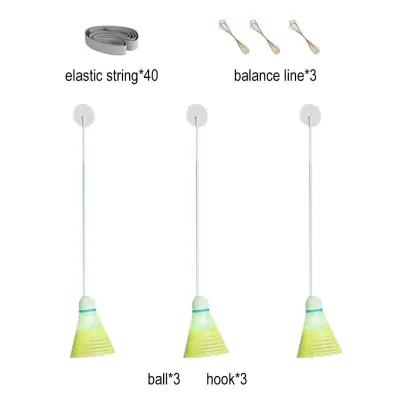
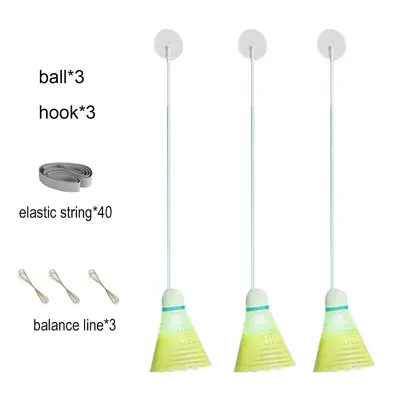
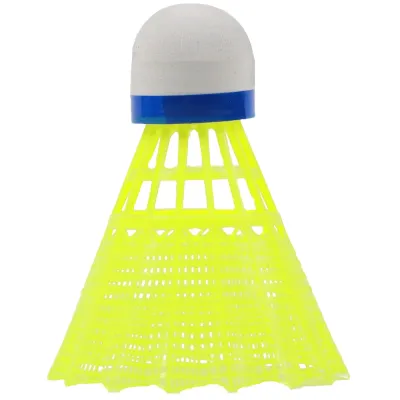
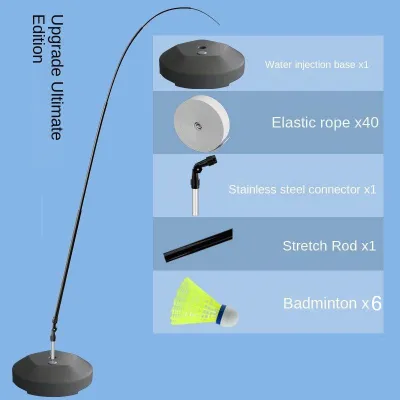
Prices are valid at publication and may change. Please refer to the product page for the latest price.
Racket material is the most critical factor in determining both durability and comfort. Entry-level rackets are generally made from steel, aluminum, or carbon graphite composites. Steel rackets are highly durable but incredibly heavy, which can quickly lead to wrist and shoulder fatigue during extended backyard rallies. Aluminum rackets are lighter and highly resistant to impact, making them a practical choice for younger players or absolute beginners. However, for the best balance of weight and shock absorption, a graphite composite racket is highly recommended. These rackets are light enough to allow for quick reactions while dampening the vibrations that travel up your arm upon impact.
Weight distribution also plays a vital role in how a racket feels during play. Rackets are categorized as head-heavy, head-light, or even-balanced. Head-heavy rackets generate more power but require stronger wrist mechanics to control. Head-light rackets offer excellent maneuverability but less power. For casual players, an even-balanced racket weighing between 80 and 89 grams (often classified as 3U or 4U) provides the most versatile performance, allowing you to transition smoothly between defensive clears and casual smashes without straining your muscles.
Shuttlecock selection is another defining element of a practice set. While professional matches exclusively use feather shuttlecocks, casual outdoor games in the Philippines demand nylon (plastic) alternatives. Nylon shuttlecocks are exceptionally durable, retaining their shape even after repeated impacts against racket frames and hard ground. Feather shuttlecocks offer a more satisfying, natural flight trajectory, but they degrade rapidly when exposed to wind, humidity, and rough handling. A good casual set should offer high-quality nylon shuttlecocks for outdoor practice, while reserving feather options for wind-free indoor environments.
Finally, consider the included accessories. A basic set should feature a dedicated carrying bag to protect your rackets from dust, moisture, and physical damage during transport. Some comprehensive sets also include replacement grip tape (overgrips) and a portable net system. When evaluating your budget, which typically ranges from ₱500 for basic recreational bundles to ₱3,000 for complete portable court systems, prioritize the structural integrity of the rackets and the quality of the shuttlecocks over flashy branding or excessive accessories that you may not need immediately.
Key Components to Check Before Buying
Before purchasing a badminton practice set, conducting a thorough quality check of individual components can save you from early equipment failure. Whether you are browsing options at a local sports outlet or evaluating product specifications on an online marketplace, focusing on specific construction details will help you identify a well-made set.

Start by examining the racket shaft and frame construction. Many budget-friendly rackets feature a two-piece design with a visible external T-joint connecting the head to the shaft. While functional, these joints represent a structural weak point that can bend or snap under heavy use. Look for rackets with an internal T-joint or a seamless, one-piece carbon composite construction. A seamless frame distributes the impact of the shuttlecock more evenly, reducing the risk of warping. Additionally, opt for a shaft with medium to high flexibility, as a flexible shaft acts like a spring, helping you clear the shuttlecock deep into the opponent’s court with less physical effort.
String tension and quality are equally important. Most pre-strung casual rackets are tensioned between 18 and 22 pounds (lbs). This lower tension range is ideal for beginners because it creates a “trampoline effect,” providing easy power and a larger sweet spot. Avoid rackets that claim high tensions of 26 lbs or more unless you have developed the precise hitting technique required to use them; high tension on a cheap frame can cause the racket to collapse or warp. Inspect the strings for uniform spacing and ensure the plastic grommets (the small eyelets protecting the strings where they pass through the frame) are intact and securely seated.
When evaluating the shuttlecocks in a set, look closely at the skirt and the base. The skirt of a nylon shuttlecock should be made of flexible, high-grade synthetic material that bends under pressure but snaps back into its original cone shape instantly. If the plastic feels brittle or stiff, it will likely crack during cold mornings or high-velocity impacts. The base, or cork, should be firm and securely glued to the skirt. Natural cork bases offer the most consistent bounce and feel, while synthetic foam bases are highly durable and water-resistant, making them excellent for humid outdoor play.
Lastly, verify the completeness of the package. Read the product description carefully to confirm that all advertised items—such as the exact number of rackets, shuttlecocks, and the carrying bag—are included. If the set features a portable net, check that the poles are made of rust-resistant materials like powder-coated steel or heavy-duty fiberglass, and ensure that all tension ropes and ground stakes are accounted for.
Matching the Set to Your Practice Environment
The performance and lifespan of your badminton gear depend heavily on where you play. The Philippines offers diverse playing environments, from breezy outdoor spaces to humid indoor halls, and each setting requires a specific equipment configuration to ensure an enjoyable game.
Outdoor play on streets, driveways, backyards, or sandy beaches is highly popular but presents unique challenges, primarily wind and rough surfaces. Wind can easily blow a lightweight feather shuttlecock off course, making rallies frustratingly short. For these open-air settings, heavy-duty nylon shuttlecocks are indispensable. Some outdoor-specific shuttlecocks are slightly heavier to cut through gentle breezes. If you are setting up a portable net on concrete or grass, stability is paramount. Look for net systems with wide, weighted bases that can be filled with water or sand, or those that include sturdy ground pegs for grass installation to prevent the net from tipping over in sudden gusts of wind.
Indoor play in barangay multi-purpose covered courts, school gymnasiums, or commercial sports centers offers a controlled, wind-free environment. In these spaces, you can fully appreciate the flight characteristics of feather shuttlecocks. Because indoor floors are typically smoother wood or polished concrete, the risk of scraping your racket frame is significantly lower. This allows you to use lighter, more precise graphite rackets without worrying about immediate cosmetic or structural damage. If you transition between indoor and outdoor play, look for a versatile set that includes both nylon and feather shuttlecocks, allowing you to adapt to the venue of the day.
Portability is another key consideration for casual players who enjoy taking their gear on weekend trips or family gatherings. A compact, lightweight carrying bag with an adjustable shoulder strap makes transport effortless. If your set includes a portable net, ensure that the frame utilizes a push-button or elastic-cord connection system, which allows for quick assembly and disassembly without the need for tools. A net that packs down into a single carrying case ensures you can set up a court in minutes at a local park or beach resort.
Regardless of where you play, managing your expectations regarding equipment lifespan is essential. Playing on rough concrete surfaces will inevitably lead to frame scrapes when scooping up low shuttlecocks. To prolong the life of your rackets, practice proper footwork to reach the shuttlecock before it hits the ground, and avoid scraping the frame against the pavement. Additionally, store your gear in a cool, dry place inside your home, as leaving rackets in a hot car trunk or a damp storage shed can degrade the string tension and cause the grip tape to unravel.
Navigating Local Marketplaces and Physical Stores
Acquiring a reliable badminton practice set in the Philippines involves navigating a wide array of options, both in physical retail stores and on major online marketplaces. Each shopping channel offers distinct advantages, and combining online research with physical inspection can help you make a secure and satisfying purchase.
Physical sports shops and department stores allow for a hands-on evaluation that online listings cannot replicate. Visiting a store enables you to hold the racket, assess its weight, and test the grip size in your hand. You can gently flex the shaft to gauge its stiffness and inspect the frame for any manufacturing defects or uneven stringing. If you are unsure about your preferences, physical stores also offer the opportunity to speak with knowledgeable staff who can guide you toward suitable entry-level options.
On the other hand, online marketplaces provide unmatched convenience, a broader selection, and competitive pricing. When shopping online, verifying the credibility of the seller is crucial to avoiding counterfeit or substandard products. Look for official brand stores or highly rated sellers with a substantial history of positive feedback. Pay close attention to the return and refund policies, particularly regarding sports equipment, to ensure you are protected if the set arrives damaged or incomplete due to shipping mishaps.
Identifying red flags in online product descriptions is an essential skill for savvy shoppers. Be skeptical of listings that use overly dramatic buzzwords like “professional ultra-light carbon” at unrealistically low prices, such as under ₱300. Authentic graphite rackets require precise manufacturing processes that cannot be sustained at ultra-low price points; such products are often painted steel or heavy aluminum disguised as carbon fiber. Additionally, watch out for listings that display stock photos of professional players but fail to provide clear, close-up images of the actual product you will receive.
To gain a realistic understanding of a set’s performance, focus on customer reviews that include photos and videos. Look for feedback from buyers who have used the equipment for several weeks or months, rather than just initial unboxing impressions. Reviews that mention string durability, frame resilience during accidental clashes, and the stability of the portable net provide invaluable real-world insights that help you make an informed decision.
Frequently Asked Questions (FAQ)
Should I restring a pre-strung racket from a beginner set?
For most casual and beginner players, the factory stringing included with a pre-strung racket is perfectly adequate for learning the basics of the game. Factory strings are typically made of durable synthetic nylon designed to withstand off-center hits and general wear over a long period. You do not need to restring the racket immediately unless you notice significant fraying, broken strings, or a severe loss of tension that causes the shuttlecock to sink deeply into the string bed without bouncing off cleanly.
Restringing a racket at a local sports shop usually costs between ₱300 and ₱600, depending on the quality of the strings and the labor fee. If your entire beginner racket set cost around ₱1,000, paying to restring a single racket may not be highly cost-effective. In such cases, it is often more practical to use the racket with its original strings until they break, and then decide whether to upgrade to a higher-quality intermediate racket or invest in restringing your current frame.
How long do nylon shuttlecocks typically last compared to feather ones?
Nylon shuttlecocks are significantly more durable than feather shuttlecocks, making them the preferred choice for casual practice and outdoor play. A single high-quality nylon shuttlecock can easily last through several matches, and often up to several weeks of regular casual play, before the plastic skirt begins to tear or deform. They are highly resilient against frame hits, damp grass, and rough concrete surfaces, maintaining a consistent, albeit slightly heavier, flight path throughout their lifespan.
In contrast, feather shuttlecocks are highly delicate and degrade rapidly. A single feather shuttlecock may only last for one or two games of active play before the natural feathers ruffle, crack, or break, which immediately disrupts its flight stability and speed. While feather shuttlecocks offer a superior, professional flight feel, their high replacement rate makes them less economical for casual backyard games. For budget-conscious players practicing outdoors, nylon shuttlecocks offer vastly superior longevity and value.
Community discussion
Share your experience or ask a question. Comments are reviewed before publication.