
A high-quality badminton tournament bag must offer specialized protective features to shield your expensive gear from physical impacts, moisture, and extreme temperature shifts. Unlike a standard gym sack, a dedicated tournament-grade bag integrates thermal insulation specifically for shuttlecocks, heavily padded compartments to prevent racket frames from clashing, and ventilated, isolated shoe chambers. In the tropical climate of the Philippines, where high humidity and intense heat can rapidly degrade natural feathers and weaken racket strings, choosing a bag with these targeted protective elements is essential for maintaining peak performance on the court.
Thermal Compartments: Preserving Shuttlecock Flight and Durability
Natural feather shuttlecocks are highly sensitive to environmental conditions, particularly the heat and humidity common in local sports centers. Extreme heat dries out the natural oils in goose or duck feathers, making them brittle and prone to snapping after just a few hard smashes. Conversely, excessive humidity can make the feathers soggy and heavy, drastically altering their flight trajectory and speed during a crucial match.
To combat these environmental hazards, players should look for a badminton tournament bag equipped with dedicated thermal compartments. These pockets are lined with a specialized reflective foil or heat-resistant barrier designed to regulate internal temperatures. When evaluating a bag, verify that the lining is fully sealed and covers the entire compartment rather than just a single side panel.
Products mentioned in this guide
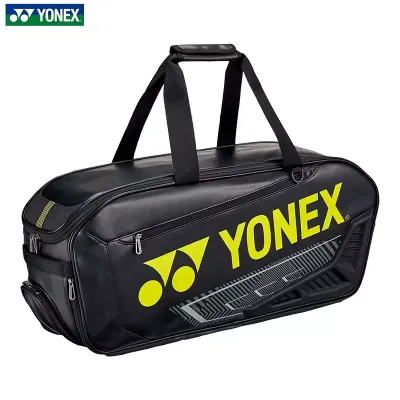
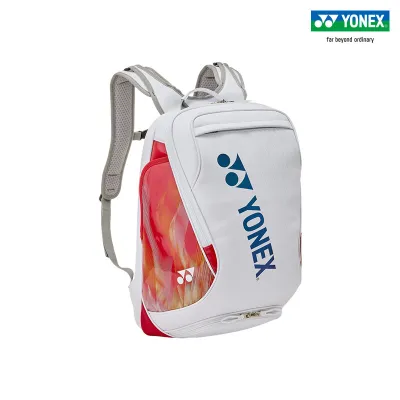
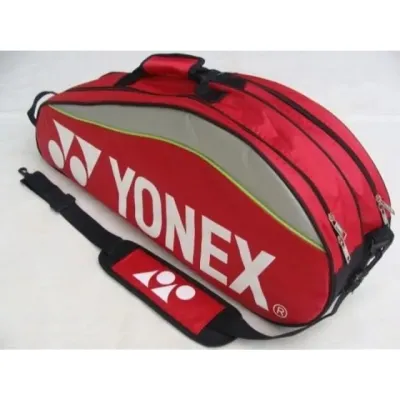
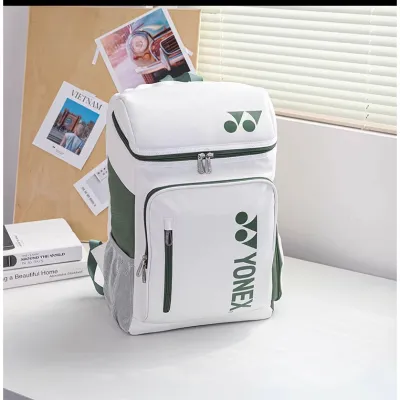
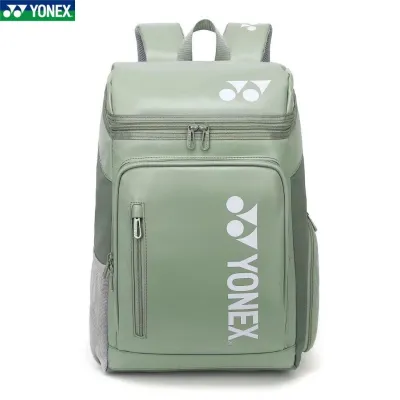
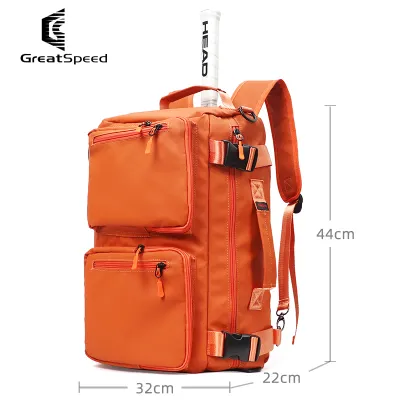
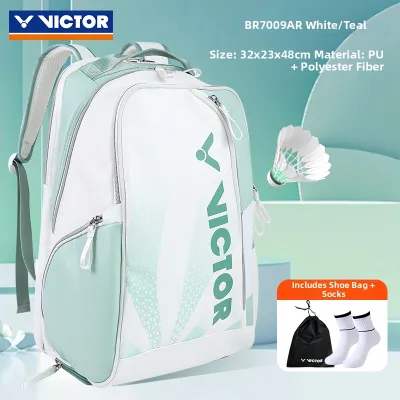
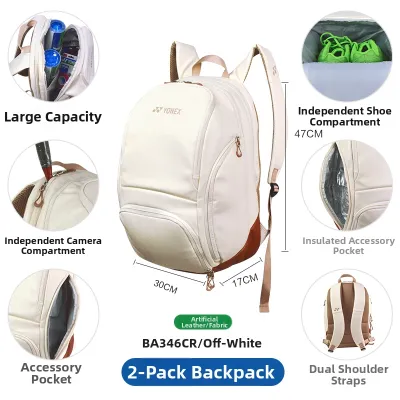
Prices are valid at publication and may change. Please refer to the product page for the latest price.
It is important to understand the limits of this technology. Thermal compartments are passive insulators; they delay temperature fluctuations but do not actively cool or heat their contents. To maximize protection, avoid leaving your bag inside a hot car trunk, under direct sunlight at outdoor courts, or directly beneath blast-chilling venue air-conditioning vents. For tournaments lasting several days, keeping the bag zipped closed as much as possible helps maintain a stable microclimate for your shuttlecocks.
Padded Racket Sleeves: Preventing Clashing and Frame Damage
High-end graphite rackets are precision instruments engineered to withstand high string tensions, but they remain highly vulnerable to sharp lateral impacts. When multiple rackets are tossed loosely into a single open compartment, their frames constantly clash against each other during transit. This friction can chip the paint, scrape the structural carbon fibers, or even cause micro-fractures that lead to sudden frame breakage during a high-tension smash.

A proper tournament bag addresses this risk through dense, shock-absorbing padding surrounding the racket compartments. Look for bags that feature thick foam walls—ideally high-density polyethylene (HDPE) or polyurethane (PU) foam—that retain their shape under pressure. Inside these compartments, individual fabric sleeves or integrated velcro straps are invaluable, as they lock each racket frame in place and prevent them from sliding or rubbing together.
While it is tempting to purchase a high-capacity bag designed to hold 9 to 12 rackets, players must weigh capacity against actual protection. Overstuffing a bag compresses the internal padding and eliminates the protective air gaps between rackets, rendering the shock absorption ineffective. For most competitive players in local tournaments, a 6-racket bag offers the ideal balance, providing ample space for three to four rackets alongside spare apparel, without compromising structural safety.
Ventilated Shoe Compartments: Isolating Moisture and Odor
Playing intensive matches on local indoor courts inevitably results in damp, sweat-soaked court shoes. Storing these shoes in the same compartment as your clean apparel, replacement grips, or rackets is a recipe for hygiene issues and gear degradation. Excess moisture trapped in a sealed bag creates a breeding ground for bacteria and mold, which can ruin replacement polyurethane grips and cause the wooden handles of your rackets to rot over time.
Dedicated tournament bags feature isolated shoe compartments that open from the exterior, completely sealing your footwear away from the main storage areas. To ensure effective moisture management, these compartments must feature ventilated mesh panels or metal grommets that allow air to circulate freely, helping the shoes dry out gradually.
When inspecting a bag’s shoe compartment, check for a water-resistant, easy-to-wipe interior lining, such as thermoplastic polyurethane (TPU) or heavy-duty polyester. This material prevents dampness from seeping through to other pockets and allows you to easily clean out any accumulated court dust or dirt. In a humid tropical environment, this isolation is critical for preventing musty odors from permanently setting into the bag fabric during multi-day tournaments.
Structural Durability and Ergonomics for Long Tournament Days
Tournament days are often long and demanding, requiring you to move between different courts, waiting areas, and outdoor parking lots. The bag itself must be robust enough to withstand being dragged, dropped, and packed to its limit. Look for exterior materials made of high-denier polyester (such as 900D or 1680D) or heavy-duty nylon, which offer excellent tear resistance and water-repellent properties during sudden downpours. Zippers are another critical failure point; ensure the bag utilizes thick, double-stitched, smooth-gliding zippers with sturdy pull tabs that will not burst under tension.
The bottom of the bag requires special attention because it frequently comes into contact with dusty, wet, or dirty concrete and wooden floors. A high-quality tournament bag should feature a reinforced, rubberized, or molded plastic base panel. This waterproof barrier prevents ground moisture from seeping upward into your clean gear and makes the bottom of the bag easy to wipe clean with a damp cloth after a long day at the venue. While premium bags in the local market may cost several thousand pesos (₱), this protective investment is far lower than the cost of replacing damaged rackets.
Finally, do not overlook the physical toll of carrying heavy gear. A fully loaded bag containing multiple rackets, shoes, water bottles, and accessories can easily weigh several kilograms. Opt for a bag with an ergonomic, backpack-style dual harness system featuring thick, breathable mesh padding on the shoulder straps and back panel. Adjustable chest or waist buckles help distribute the load evenly across your torso, reducing shoulder strain and preventing muscle fatigue before you even step onto the court.
Frequently Asked Questions (FAQ)
Can I use a regular sports backpack instead of a dedicated badminton tournament bag?
While a standard sports backpack can physically hold a couple of rackets and some apparel, it lacks the specialized protective features required for competitive gear. Standard backpacks rarely offer thermal lining to protect shuttlecocks from heat, nor do they feature the dense, full-length padding needed to prevent racket frames from clashing and warping. Additionally, they often lack isolated, ventilated shoe compartments, leading to moisture and odor transfer that can ruin replacement grips and wooden racket handles. Investing in a dedicated tournament bag is highly recommended to preserve your equipment’s lifespan and performance.
How should I clean the thermal and shoe compartments safely?
To clean the specialized compartments of your tournament bag without damaging the materials, start by emptying all gear and shaking out loose dirt or court debris. Wipe the interior linings—especially the foil-lined thermal pockets and the shoe compartment—using a soft microfiber cloth dampened with warm water and a small amount of mild, pH-neutral soap. Avoid machine washing, submerging the bag in water, or using harsh chemical solvents, bleach, or abrasive brushes, as these can delaminate the thermal foil, degrade the water-resistant coatings, and void the manufacturer’s warranty. Always allow the bag to air dry completely in a shaded, well-ventilated indoor area away from direct sunlight before packing your gear back inside.
Community discussion
Share your experience or ask a question. Comments are reviewed before publication.