
Selecting the correct boxing gear is a fundamental step in protecting your hands, improving your technique, and ensuring the longevity of your equipment. For anyone committing to heavy bag workouts, understanding the structural differences between bag gloves and sparring gloves is critical. These two types of gloves are engineered for entirely different training environments, and using them interchangeably can lead to severe hand injuries or rapidly ruined gear.
For dedicated heavy bag training, bag gloves—often labeled specifically as bag gloves or heavy bag training gloves—are the correct choice. They are constructed with dense, firm padding designed to withstand high-velocity, repetitive impacts against a dense, unyielding surface. When selecting the right gloves for punching bag workouts, prioritizing this dense construction ensures your knuckles do not bottom out against the core of the bag.
Conversely, sparring gloves are designed to protect your training partner, not the bag. They feature thick, pillowy, and highly compressible padding meant to disperse impact force across a wide surface area, minimizing the risk of cuts, bruises, and concussions for your opponent. Using soft sparring gloves on a heavy bag quickly destroys their internal foam structure, leaving them flat, unsafe, and useless for their intended purpose.
Products mentioned in this guide
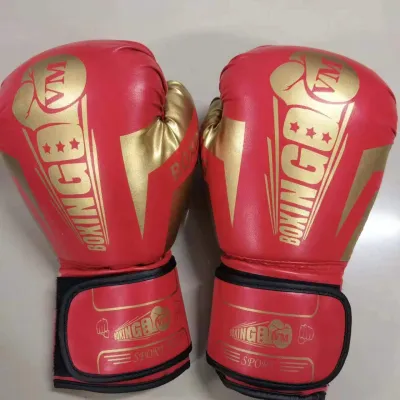
![IN STOCK]EVERLAST Boxing Punching Gloves 1 Pair for adults Professional Training Muay Thai MMA](https://img.lazcdn.com/g/p/2b634e5edcea53a18fb0ec5fc44976d6.jpg_400x400q80.jpg_.webp)

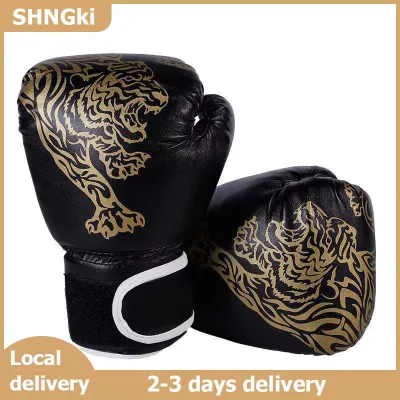
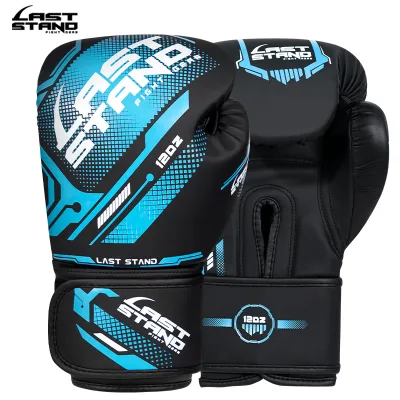
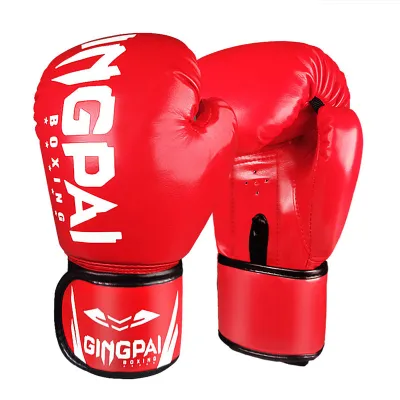
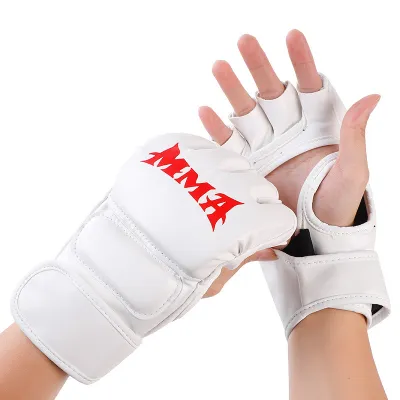
Prices are valid at publication and may change. Please refer to the product page for the latest price.
Core Differences: Padding, Shape, and Feedback for Gloves for Punching Bag Work
To understand why these gloves cannot be swapped, you must look at their internal engineering. The primary difference lies in the density and composition of the foam layers. Bag gloves utilize high-density, multi-layered foam or injection-molded foam (IMF). This dense padding is designed to absorb the concentrated force of a hard punch without collapsing completely. It acts as a rigid shield, maintaining its shape even after thousands of high-impact repetitions against a heavy canvas or leather bag.
Sparring gloves, on the other hand, prioritize shock dispersion over shield-like protection. They are packed with low-density, highly resilient foam layers, such as latex or soft polyurethane. This composition allows the glove to compress deeply upon impact, absorbing the kinetic energy and spreading it out to protect your sparring partner’s face and ribs. If you take these soft gloves to a heavy bag, the dense resistance of the bag will instantly compress the soft foam to its limit, transferring the raw shock of the blow directly into your hand.
Hand ergonomics and fist alignment also differ significantly between the two styles. Bag gloves are typically designed with a pre-curved, ergonomic shape that coaxes your hand into a tight, natural fist. This structural design is crucial for heavy bag work, as it promotes proper alignment of the first two knuckles (the index and middle knuckles) with your wrist, reducing the risk of joint buckling. Sparring gloves are often bulkier and have a more rounded, open-hand compartment. This design is intentional; it cushions defensive blocks and discourages hyper-aggressive, tight-fisted punching during technical training.
Finally, the level of impact feedback varies greatly. Bag gloves are engineered to provide distinct tactile and auditory feedback. When you land a punch with correct alignment, you will feel a solid, clean pop and a direct sensation through your hand, letting you know your technique is on point. Sparring gloves muffle this feedback entirely. The soft, pillowy layers cushion the impact so thoroughly that it is difficult to feel whether your wrist is slightly bent or if you are landing with your outer knuckles, making it harder to self-correct your form during solo drills.
Injury Risks: What Happens When You Use the Wrong Glove?
Using the wrong glove for your training activity introduces significant physical risks. If you use sparring gloves on a heavy bag, the soft foam will quickly bottom out. When a glove bottoms out, the protective barrier fails, and the kinetic energy of your punch rebounds directly into the small bones of your hand. This repeated shock transfer can lead to micro-fractures, joint inflammation, wrist sprains, and the painful condition known as a “boxer’s fracture” (a break in the neck of the metacarpal bones).

Beyond hand injuries, using sparring gloves on a heavy bag will rapidly degrade your expensive gear. The abrasive surface of a heavy bag—especially those made of rugged synthetic vinyl or thick canvas—will tear, scuff, and crack the delicate outer casing of a sparring glove. More importantly, the repeated high-impact compression permanently breaks down the soft internal foam, causing it to shift or crumble. Once a sparring glove’s foam is compromised, it can no longer safely protect a human partner, forcing you to discard an expensive piece of equipment prematurely.
Conversely, using dense bag gloves for sparring is highly dangerous and widely banned in reputable boxing gyms. Because bag gloves do not compress easily, hitting a partner with them is akin to striking them with a solid block of dense rubber. The lack of shock dispersion significantly increases the risk of concussions, orbital fractures, deep facial lacerations, and severe bruising. Prioritizing your training partner’s safety means reserving dense gloves strictly for the bags and pads.
While choosing the correct glove is vital, equipment cannot replace proper training, conditioning, and safety checks. Before hitting any heavy bag, verify your striking technique under the guidance of a qualified coach. Additionally, proper hand wrapping is a non-negotiable safety step for every single bag session. Hand wraps compress and stabilize the 27 small bones and joints in your hand, securing your wrist in a neutral position. Never rely on the glove alone to keep your hands safe; always wrap your hands thoroughly before putting your gloves on.
Sizing and Wrist Support: Finding the Right Fit for Bag Work
Glove weight is measured in ounces (oz) and directly dictates the volume of protective padding surrounding your knuckles. For heavy bag work, adults typically choose gloves ranging from 12 oz to 16 oz, depending on their body weight, hand size, and training goals:
- 12 oz Gloves: Ideal for lighter individuals (under 60 kg) or those focusing on hand speed, precision, and rapid combination drills. They offer less padding, requiring highly disciplined hand alignment.
- 14 oz Gloves: The standard middle-ground choice for most average-weight adults (60 kg to 80 kg). They provide a balanced blend of protection, feedback, and weight.
- 16 oz Gloves: Recommended for heavier individuals (over 80 kg), hard hitters, or those looking to build shoulder endurance. The extra weight forces your upper body to work harder, though the thick padding can sometimes mask minor alignment errors.
The wrist closure system is another critical factor in preventing injury. You will generally choose between two primary closure styles:
- Lace-Up Closures: These provide the most secure, customized, and rigid wrist alignment. Because the laces run down the forearm, they distribute tension evenly, preventing the wrist from bending under heavy impact. However, they are highly impractical for solo training, as you cannot tie them yourself.
- Velcro (Hook-and-Loop) Closures: These are highly practical for solo bag sessions, allowing you to easily slip the gloves on and off between rounds. When choosing a Velcro glove, verify that the cuff is wide, long, and rigid. A flimsy, short strap will not provide the wrist stability needed to handle heavy impacts.
In hot and humid tropical climates, such as the Philippines, moisture management is a major factor in glove selection and maintenance. High humidity and heavy sweating can quickly saturate the inner lining of your gloves. If left damp, bacteria and mold will thrive, breaking down the internal foam and causing severe odors.
To combat this, look for gloves featuring mesh palms, ventilation holes, and moisture-wicking inner linings. Genuine leather (such as cowhide) offers superior durability and natural breathability, though it requires regular leather conditioning. High-grade synthetic leathers (like microfiber) are highly resistant to moisture absorption and are easier to wipe clean. Always air out your gloves in a well-ventilated, shaded area after every session, and avoid leaving them inside a closed gym bag.
Decision Framework: Which Gloves Should You Buy?
To finalize your purchasing decision, evaluate your primary training environment, budget, and safety requirements. High-quality synthetic gloves in the Philippines typically range from ₱1,500 to ₱3,500, while premium genuine leather gloves can cost between ₱5,000 and ₱10,000. Use the following framework to guide your choice:
- Choose Dedicated Bag Gloves if: Your routine consists almost entirely of solo heavy bag training, double-end bag drills, and focus mitt work. You want clear impact feedback to perfect your technique, long-term durability against abrasive surfaces, and a practical Velcro closure for independent training.
- Choose Dedicated Sparring Gloves if: You are actively sparring with training partners in a gym environment. Your primary concern is the physical safety of your partners, and you require soft, shock-dispersing padding (typically 16 oz) with a highly protective, rounded profile.
- Choose Hybrid or Training Gloves if: You are a beginner or casual fitness boxer who wants a single, versatile pair of gloves for light bag work, pad drills, and very light, non-contact partner drills.
If you choose a hybrid glove, keep in mind that it represents a compromise. It will wear out faster on a heavy bag than a dedicated bag glove, and it may still be too firm for hard sparring. If you decide to commit to both sparring and heavy bag training seriously, investing in two separate, specialized pairs of gloves is the safest, most cost-effective, and most professional approach.
Before making any purchase, always check the manufacturer’s product specifications and intended-use labels. Verify that the glove’s padding type matches your training goals, and consult with your gym’s coaching staff if you are unsure about local gear requirements.
Frequently Asked Questions (FAQ)
Can I use one pair of gloves for both the heavy bag and sparring?
Using a single pair of gloves for both activities is highly discouraged for serious practitioners. Hitting a heavy bag quickly compresses and degrades the soft, protective foam of a sparring glove, making it hard and dangerous for your sparring partners. Additionally, the abrasive surface of the bag will scuff and tear the outer material, ruining the gloves for safe ring use. For your safety and the safety of your training partners, it is best to maintain separate, dedicated pairs for bag work and sparring.
Do I need to wear hand wraps under my bag gloves?
Yes, wearing hand wraps is absolutely mandatory for heavy bag training. While bag gloves provide surface cushioning for your knuckles, they do not prevent the tiny bones, tendons, and joints in your hand from shifting upon impact. Hand wraps compress and bind these structures together, creating a solid, unified fist and stabilizing your wrist against dangerous bending. Skipping wraps significantly increases your risk of sprains, joint damage, and fractures, regardless of how protective your gloves are.
How do I know when my bag gloves need to be replaced?
You should inspect your bag gloves regularly for signs of wear. Replace them immediately if you notice that the padding has become flat, lumpy, or has shifted away from the knuckles, leaving thin spots. Other clear indicators include deep cracks or tears in the outer leather, a torn inner lining that exposes the foam, or a hook-and-loop strap that no longer holds securely. Finally, if you begin experiencing unusual knuckle soreness or wrist pain after standard bag sessions, it is a strong sign that the internal protective foam has broken down.
Community discussion
Share your experience or ask a question. Comments are reviewed before publication.