
Selecting the right first set of wheels for your toddler is more than just looking at the age recommendation on the box. While manufacturers often categorize toddler bikes by age brackets, children develop gross motor skills, balance, and physical coordination at vastly different rates. A child who is highly active and running confidently at two years old might be ready for a balance bike, while another child of the same age might feel more secure starting on a stable tricycle.
To find the right match, you need a diagnostic approach that prioritizes your child’s physical milestones and cognitive readiness over a simple birthdate. By observing how your toddler moves, handles obstacles, and responds to instructions, you can select a bike that builds confidence rather than frustration. This guide breaks down the developmental indicators for balance bikes, tricycles, and pedal bikes with training wheels, helping you measure and choose the safest, most enjoyable option for your little rider.
Assessing Your Toddler's Riding Readiness
Before browsing online marketplaces for models under ₱3,000 or visiting a local specialty shop, take a close look at how your toddler navigates daily physical activities. Gross motor milestones are the most reliable indicators of riding readiness. Observe your child’s walking stability and running confidence on different surfaces, such as flat living room floors or slightly uneven grass in the backyard. A child who can run smoothly, change directions without stumbling, and stop abruptly on their feet has developed the foundational equilibrium needed to control a moving toy.
Products mentioned in this guide
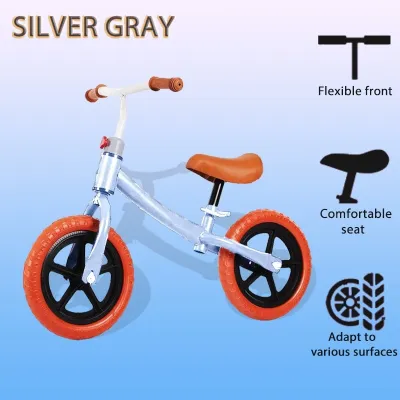
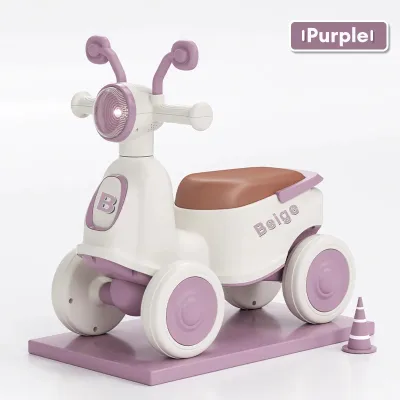
Prices are valid at publication and may change. Please refer to the product page for the latest price.
Leg strength and propulsion are equally critical. Watch how your toddler interacts with foot-to-floor ride-on toys or how long they can sustain a walking pace during an afternoon stroll without asking to be carried. If they can push themselves along with vigor and show no immediate signs of fatigue, their leg muscles are ready to handle the resistance of a bike.
Cognitive readiness is the final piece of the puzzle. Riding a bike requires a basic understanding of cause and effect, along with the ability to follow simple directional instructions. Your child should be able to comprehend and react to basic commands like “stop” and “go” to ensure they can navigate safe boundaries when practicing outdoors.
Balance Bikes: Building Core Stability First
Balance bikes have become a popular starting point for young riders because they isolate the most challenging aspect of cycling: staying upright on two wheels. These pedal-free designs are ideal for toddlers who walk with absolute stability and are eager to explore steering and weight shifting. Because there are no pedals to worry about, children can focus entirely on the sensation of balancing, using their feet to propel themselves and stop.

The core benefit of a balance bike is that it encourages natural balancing reflexes. When a toddler feels the bike leaning to one side, their instinct is to steer into the lean or put their feet down, which builds core stability and muscle memory. This direct feedback loop helps them transition to traditional two-wheelers later on without relying on artificial supports.
To verify a proper fit, have your child sit on the saddle of the balance bike. Both of their feet must rest completely flat on the ground, with a slight bend in the knees. This position ensures they have maximum leverage to push off, glide, and safely stop themselves using their feet as brakes.
Tricycles: Pedaling Practice and Coordination
Tricycles offer a classic, three-wheeled alternative that focuses heavily on the mechanics of pedaling and steering. This option is highly suitable for toddlers who may not yet have the core stability or confidence for a two-wheeled balance bike but are eager to learn how to propel themselves using pedals. The three-wheel configuration provides immediate lateral stability, allowing the child to sit securely without the fear of tipping over while stationary.
However, tricycles have distinct physical limits and stability trade-offs. Because they have a low center of gravity and a wide rear wheelbase, they feel incredibly stable on flat, level ground. Yet, this design can become unstable during sharp, high-speed turns or when navigating uneven surfaces like cracked pavement or sloped driveways, where a single wheel can lift and cause a tip-over.
When performing ergonomic checks on a tricycle, ensure your child can comfortably reach the pedals throughout the entire rotation. At the furthest point of the pedal stroke, their leg should be almost fully extended but still have a slight, comfortable bend. Additionally, their hands must easily reach the handlebars without forcing them to lean forward excessively, which can compromise their control.
Pedal Bikes with Training Wheels: The Transition Step
A pedal bike equipped with training wheels is often seen as a traditional stepping stone for children who have outgrown smaller ride-ons but still need a confidence boost. This setup is best suited for toddlers who have already mastered the circular pedaling motion and have the leg strength to move a heavier steel or aluminum frame, but are not yet ready to balance on two wheels independently.
It is important to understand the learning limitations of training wheels. While they are excellent for building leg endurance and teaching steering mechanics, they do not teach true balance. In fact, training wheels prevent the bike from leaning, which means the child learns to steer by turning the handlebars in the opposite direction of how they would naturally lean on a standard two-wheeler.
When sizing a pedal bike with training wheels, verify that your child can comfortably reach the pedals and touch the ground with their tiptoes when seated. Furthermore, check that they possess the hand strength required to operate the hand brakes effectively, or that they understand how to use a coaster brake by pedaling backward to stop.
Matching the Bike to Your Child's Measurements
To ensure a safe and comfortable riding experience, you must rely on physical measurements rather than age charts. Start by measuring your child’s inseam while they are wearing their typical riding shoes. Compare this measurement directly against the manufacturer’s specified seat height range; for a balance bike, the seat height should match or be slightly lower than the inseam, while for a pedal bike, it can be slightly higher.
Handlebar reach and grip diameter are also crucial for maintaining control. Your toddler should be able to hold the grips comfortably with a relaxed bend in their elbows, without stretching their back or shoulders forward. The grip diameter must be small enough for their fingers to wrap around completely, ensuring a secure hold even when riding over small bumps.
Finally, consider the weight ratio of the bike relative to your child’s weight. A heavy bike is difficult for a toddler to steer, lift after a fall, or stop safely. As a general guideline, look for a bike that weighs no more than 30% of your child’s total body weight, allowing them to remain in complete control of the equipment.
Safety Gear and Riding Boundaries
Safety is a non-negotiable baseline for any young rider, regardless of the bike type they use. A properly fitted helmet is the most critical piece of protective gear. Ensure the helmet sits level on your child’s head, covering the forehead, with the straps forming a snug “Y” shape under the ears and allowing only one or two fingers to fit between the chin and the strap. Always check the product for recognized safety certification labels to verify its protective standards.
Depending on the riding surface and your child’s skill level, protective padding like knee and elbow pads can prevent painful scrapes and boost their confidence. In hot and humid tropical climates, look for lightweight, breathable pads that do not cause excessive sweating or skin irritation during outdoor play.
Selecting the right practice environment is just as important as the gear itself. Always choose flat, enclosed spaces free of vehicle traffic, such as a fenced backyard, a quiet subdivision cul-de-sac, or a local barangay basketball court. Avoid areas near steep inclines, drainage canals, or open bodies of water, and always supervise your toddler closely to ensure they stay within safe boundaries.
Frequently Asked Questions (FAQ)
Can a toddler skip the balance bike and go straight to a pedal bike?
Yes, a toddler can transition directly to a pedal bike, though it often requires a longer and more hands-on adjustment period. Because they must learn to balance and pedal at the same time, the learning curve can be steeper and sometimes more frustrating. To ease this transition, you can temporarily remove the pedals and lower the saddle of a standard pedal bike, allowing your child to use it as a makeshift balance bike until they get comfortable with the steering and weight distribution.
What is the safest surface for a toddler to practice riding?
The safest surface for a beginner is a flat, smooth, and paved area that is completely free of debris, loose sand, and vehicle traffic. Smooth concrete or asphalt, such as a quiet driveway or a community court, allows the wheels to roll easily with minimal resistance. Avoid starting your toddler on grass or thick gravel; while grass offers a softer landing, it creates significant rolling resistance that makes pedaling and balancing much harder, leading to quick fatigue and frustration.

Community discussion
Share your experience or ask a question. Comments are reviewed before publication.