
Choosing the right baby bike for a 2 to 5-year-old involves matching the ride to your child’s physical development rather than just their age. At this stage, children are rapidly developing motor skills, balance, and coordination, but their progress is highly individual. Some toddlers are ready to glide on two wheels early, while others benefit from the stable, low-to-the-ground design of a classic three-wheeler.
Selecting the wrong style can lead to frustration, safety hazards, or a bike that sits unused in your garage or hallway. By evaluating your child’s current physical milestones, coordination, and confidence, you can select a bike that encourages active play and builds a foundation for lifelong cycling. This guide breaks down the differences between balance bikes, tricycles, and pedal bikes with training wheels to help you match the ride to your child’s developmental stage.
Understanding the Three Main Bike Types for Toddlers
To choose the right option, you must first understand how each design approaches the mechanics of riding. Each type prioritizes a different set of motor skills, shaping how your child interacts with the vehicle and learns to move forward.
Products mentioned in this guide
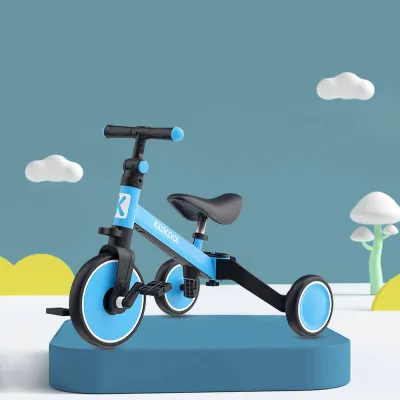
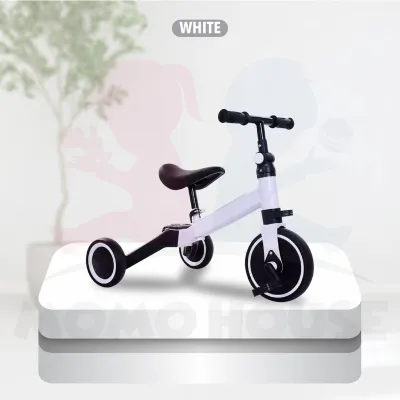
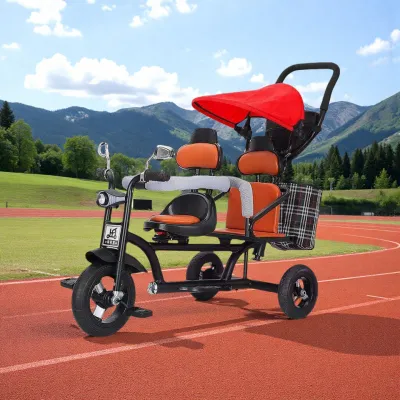
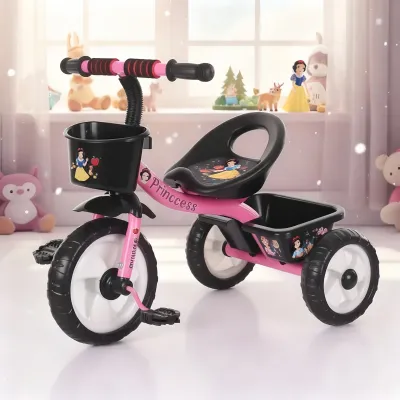
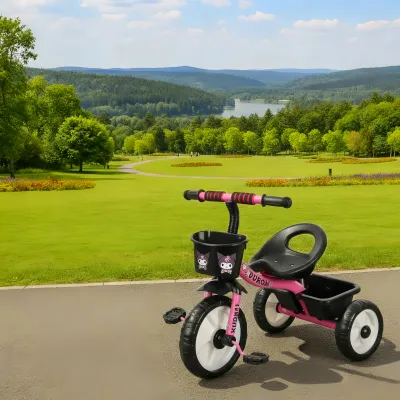
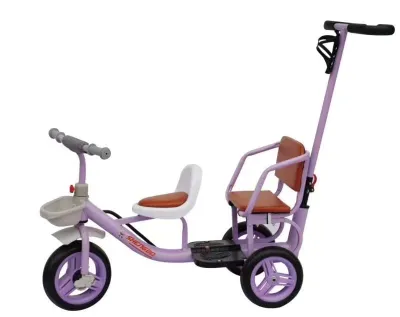
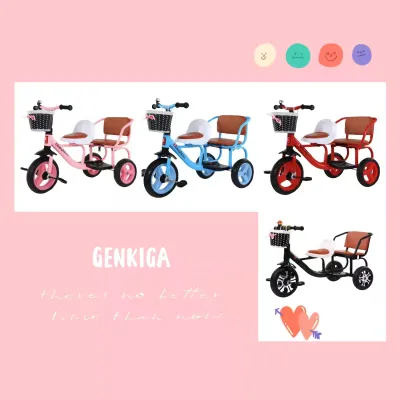
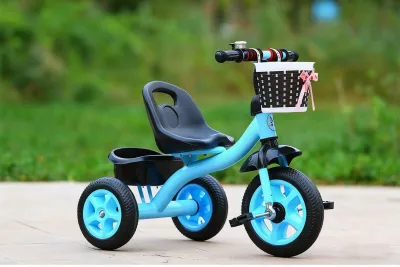
Prices are valid at publication and may change. Please refer to the product page for the latest price.
Balance bikes are two-wheeled, pedal-less frames designed to teach core stability and steering first. Children sit on the saddle and propel themselves by pushing off the ground with their feet. Because there are no pedals or drivetrain components, toddlers can focus entirely on the sensation of leaning, steering, and balancing on two wheels. This design allows them to transition naturally from walking to running and eventually gliding with their feet lifted.
Tricycles feature a three-wheel configuration that provides immediate, static stability. They typically have pedals directly attached to the front wheel axle, which teaches the basic circular pedaling motion. Because the bike stands up on its own, children do not need to master balance to move forward. This makes tricycles highly approachable for younger toddlers who are still building core strength but want to explore independent movement.
Pedal bikes with training wheels are standard two-wheel bicycles equipped with small, removable stabilizer wheels on either side of the rear tire. This setup allows children to ride a larger, heavier frame with pedals and a chain drive without needing to balance. It introduces the mechanics of hand or coaster braking and the physical effort of pedaling a geared system, though the training wheels can sometimes create a false sense of stability on uneven ground.
Key Comparison Dimensions for 2 to 5-Year-Olds
When comparing these three options, several physical and environmental factors should guide your decision. Evaluating these dimensions ensures the bike matches your child’s current capabilities and your local riding environment.

Balance and coordination requirements vary significantly across the three designs. Balance bikes demand active core engagement and constant micro-adjustments to stay upright, which rapidly builds vestibular system coordination. Tricycles require very little balance but demand coordinated leg movement to push pedals that rotate with the front wheel. Training wheels require the least balance but can teach incorrect leaning habits, as the child learns to lean away from turns to keep the stabilizer wheels on the ground.
Leg strength and inseam fit are critical for safety and control. On a balance bike, the child’s feet must rest completely flat on the ground with a slight bend in the knee to allow for effective pushing and stopping. Tricycles require sufficient leg length to reach the pedals at their furthest point of rotation without straining. Pedal bikes with training wheels require enough leg strength to overcome the resistance of the chain drive, which is often heavier than a simple balance bike frame.
Steering control and maneuverability differ based on the wheel configuration. Tricycles have a wider turning radius and can tip over if turned too sharply at speed, especially on sloped driveways or uneven roads. Balance bikes offer highly responsive steering, allowing children to navigate tight corners and uneven terrain with ease. Pedal bikes with training wheels can feel rigid and difficult to steer on rough surfaces, as the stabilizer wheels can lift the drive wheel off the ground on uneven concrete.
The learning curve and transition path dictate how quickly your child will move to a standard two-wheel bike. Children who master a balance bike often transition directly to a pedal bike without ever needing training wheels, as they have already conquered the hardest part of riding: balance. Those starting on tricycles or training wheels must eventually unlearn the reliance on static stability, which can sometimes prolong the transition to independent two-wheel riding.
Match the Bike to Your Child's Developmental Stage
Selecting the right ride is not a matter of finding a universal winner, but rather matching the bike’s design to your child’s observable physical milestones. Observing how your child moves during daily play will help you identify the most suitable category.
Choose a balance bike if your child is highly active, enjoys running, and shows good core stability when climbing or playing. If they can already run confidently and recover their balance quickly when tripping, they are likely ready for a balance bike. This option is ideal for parents who want to bypass training wheels entirely and prepare their child for a direct transition to a standard pedal bike.
Choose a tricycle if your child is closer to 2 years old, prefers stable play, or is still developing the leg strength required for gliding. Tricycles are excellent for teaching the concept of pedaling in a low-risk, stable format. They are also highly suitable for flat, smooth surfaces like indoor tiled floors, covered courts, or smooth subdivision driveways where tipping hazards are minimal.
Choose a pedal bike with training wheels if your child is closer to 4 or 5 years old, has already developed basic steering coordination, and expresses a strong desire to ride a “big kid” bike. This option works well if your child meets the minimum seat height requirements of standard 12-inch or 14-inch pedal bikes and has the hand strength to operate basic hand brakes or the cognitive ability to use coaster brakes.
Before making any purchase, verify that your child can easily lift and maneuver the bike on their own. Check the manufacturer’s stated weight limits and height ranges rather than relying solely on age recommendations. A bike that is too heavy or too tall will discourage your child and increase the risk of falls during outdoor play.
Safety Checks and Fit Verification Before You Buy
Ensuring a safe and comfortable ride requires careful measurement and inspection of the bike’s physical specifications. Never rely on age charts alone, as children’s proportions vary widely.
To find the correct fit, measure your child’s inseam while they are wearing their typical riding shoes. Have them stand against a wall and measure from the crotch down to the floor. For a balance bike, the seat height should be set approximately 2 to 3 centimeters lower than their inseam to ensure their feet can plant flat on the ground. For a pedal bike, the minimum seat height should allow the balls of their feet to touch the ground comfortably when seated.
Evaluate the overall weight of the bike relative to your child’s weight. Ideally, a toddler’s bike should not exceed 30% of their total body weight. A heavy steel-framed bike can be difficult for a 3-year-old to lift off the ground after a fall, which can lead to frustration and a reluctance to ride. Lightweight aluminum or high-grade composite frames are often easier for young children to handle, especially in hot and humid tropical conditions where physical fatigue sets in quickly.
Inspect the braking system based on your child’s developmental readiness. Many balance bikes rely solely on foot-to-ground braking, which is intuitive for younger toddlers. If you choose a model with a hand brake, verify that the lever is specifically designed for small hands and requires minimal squeeze force. For pedal bikes, check whether they use coaster brakes (pedaling backward to stop) or hand brakes, and ensure your child understands how to operate them safely.
Always prioritize safety gear and riding boundaries. Ensure your child wears a properly fitted helmet that sits level on their forehead and does not rock side to side. Establish clear riding boundaries away from open traffic, steep slopes, drainage canals, and wet, slippery surfaces. In the Philippines, sudden tropical downpours can make concrete roads slick, so teach your child to stop riding and seek shelter when wet weather begins.
Transitioning to a Standard Two-Wheel Bike
The transition to an independent two-wheel pedal bike is a major milestone that requires patience and observation. Recognizing the physical and behavioral signals of readiness will help you time this transition perfectly.
Look for clear readiness signals, such as your child consistently gliding on their balance bike with their feet lifted for several seconds, or steering confidently around obstacles without putting their feet down. If they are using training wheels, notice if they are riding fast enough that the stabilizer wheels rarely touch the ground, indicating they are naturally maintaining their own balance.
When moving away from training wheels or a tricycle, expect a brief period of adjustment. Children transitioning from training wheels often struggle with balance initially, as they must unlearn the habit of leaning into the stabilizers. To ease this transition, you can temporarily remove the pedals from a standard pedal bike, lowering the seat so the child can use it as a temporary balance bike until they get comfortable with the larger frame’s center of gravity.
If you are unsure about the fit or mechanical safety of a transition bike, consult a professional local bike shop. A qualified mechanic can adjust the saddle height, handlebar reach, and brake lever tension to match your child’s growing body, ensuring their first experience on a true two-wheeler is safe, comfortable, and successful.
Frequently Asked Questions (FAQ)
Can a 2-year-old safely ride a balance bike?
Yes, many 2-year-olds can safely ride a balance bike, provided they can walk confidently and their inseam matches the bike’s lowest seat setting. Choose a lightweight model with a low standover height so they can easily step over the frame. Always supervise play and ensure they wear a fitted helmet, keeping rides on flat, smooth surfaces away from hazards.
Do training wheels delay learning to ride a two-wheel bike?
Training wheels can sometimes delay the learning process because they prevent the child from developing the core balance and leaning techniques required for two-wheel riding. They teach children to rely on static stability and steer by turning the handlebars rather than leaning. However, they can still be useful for building leg strength and pedaling confidence in older children who feel anxious about balancing.
How do I measure my child for the correct bike size?
To measure your child, have them stand flat against a wall with their riding shoes on. Use a tape measure to find the distance from their crotch to the floor; this is their inseam. Compare this measurement directly to the bike’s minimum and maximum seat heights. For balance bikes, the seat should be slightly lower than the inseam, while for pedal bikes, it should match or be slightly higher than the inseam depending on their riding confidence.
Community discussion
Share your experience or ask a question. Comments are reviewed before publication.