
Choosing the first ride-on toy for your two-year-old is an exciting milestone, but the choice between a balance bike and a tricycle often leaves parents undecided. Both options offer unique developmental benefits, yet they cater to different physical abilities, learning styles, and environments. To make the right choice, you must evaluate your child’s current motor skills, your local riding terrain, and how you plan to transition them to a standard pedal bicycle in the future.
In tropical climates where outdoor play is highly dependent on weather conditions, finding a ride that matches your child’s physical limits is essential. Whether navigating the smooth concrete of a suburban carport or the uneven paths of a local park, the right vehicle ensures your toddler stays safe, engaged, and active. By understanding how each option supports your child’s growth, you can select a ride that builds confidence rather than frustration.
Assessing Your Toddler's Readiness and Motor Skills
Before purchasing any ride-on toy, take time to observe your toddler’s physical development and daily movement patterns. At two years old, gross motor skills vary significantly from child to child. Look for key indicators of readiness, such as the ability to walk with a steady, heel-to-toe stride, run without frequently losing balance, and jump off small steps. If your child still wobbles while walking on flat ground, they may need more time to develop core stability before tackling a two-wheeled balance bike.
Products mentioned in this guide
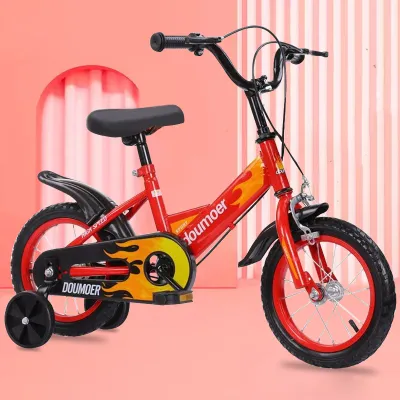
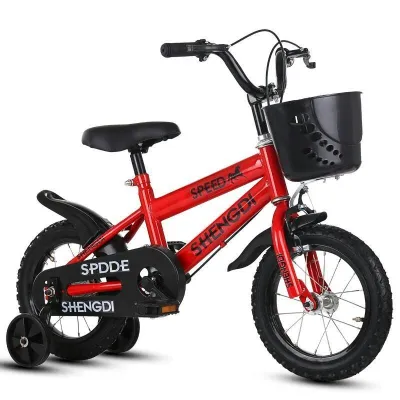
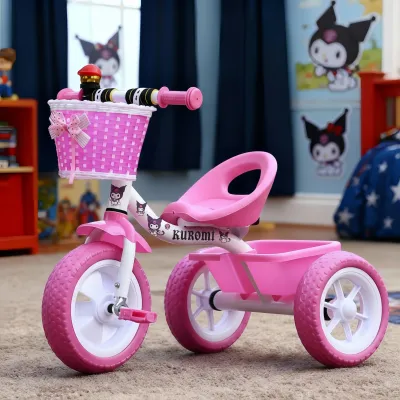
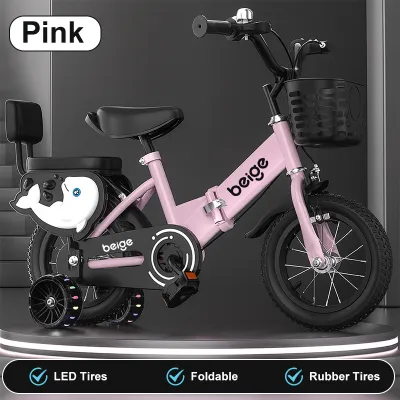
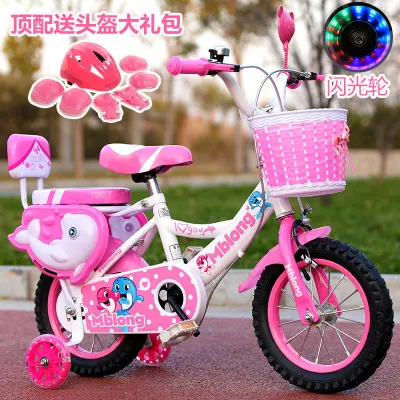
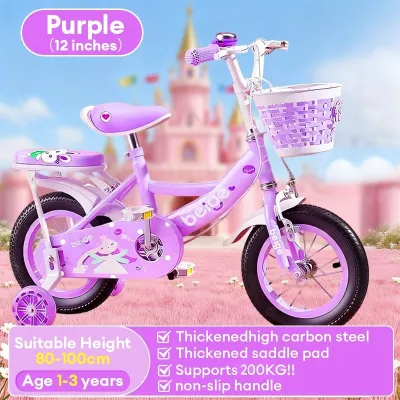
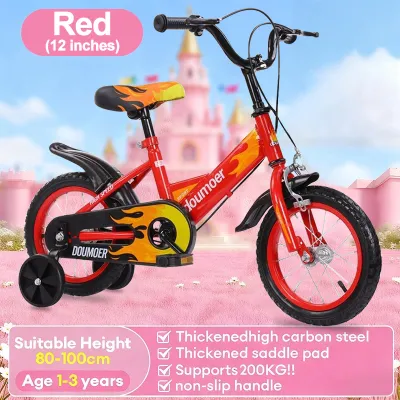
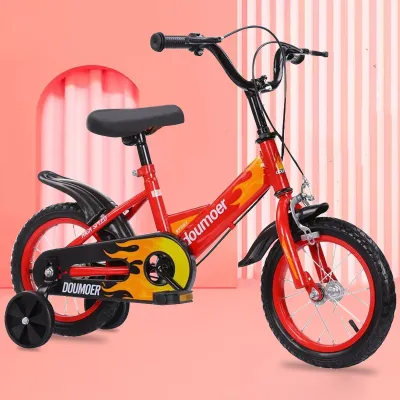
Prices are valid at publication and may change. Please refer to the product page for the latest price.
Physical sizing is another critical factor that directly impacts safety and comfort. You must measure your child’s inseam to ensure they can interact with the vehicle safely. For a balance bike, your toddler must be able to sit on the saddle with both feet planted firmly flat on the ground, allowing them to push off and stop securely. For a tricycle, they need sufficient leg length to reach the pedals at their furthest rotation point without straining their lower back or sliding forward off the seat.
Cognitive readiness and attention span are just as important as physical strength. A two-year-old must be able to understand and follow basic, immediate instructions such as “stop,” “slow down,” and “turn.” They should also demonstrate basic spatial awareness, showing an ability to steer around obstacles like potted plants, walls, or other children rather than riding directly into them. If your child struggles to focus on simple directions, a highly supervised, stable riding setup is necessary.
Balance Bikes: How They Work and Who They Suit
Balance bikes are simplified, two-wheeled bicycles without pedals, chains, or training wheels. The design focuses entirely on teaching the child how to balance and steer before introducing the complex motion of pedaling. To move forward, the toddler sits on the saddle and pushes off the ground with their feet, gradually progressing from short, tentative steps to long, confident glides.

This pedal-free approach is ideal for highly active, energetic toddlers who love to run, jump, and explore. If your child is naturally adventurous and enjoys physical challenges, a balance bike matches their high-energy tempo. It allows them to move quickly over various surfaces, giving them a sense of speed and freedom while keeping their feet close to the ground for instant reassurance.
However, balance bikes do have limitations that you should consider before buying. Because they lack pedals, forward propulsion relies entirely on your child’s leg power and stamina. On hot, humid days, a tired toddler may quickly lose interest in pushing, meaning you will end up carrying the lightweight frame home. Additionally, beginners require flat, smooth surfaces to build their initial confidence, as riding on steep inclines or highly uneven ground can lead to rapid acceleration and loss of control.
Tricycles: How They Work and Who They Suit
Tricycles feature a classic three-wheel design that provides immediate, built-in stability. Because the vehicle stands upright on its own, your child does not need to master the art of balancing to enjoy the ride. Instead, the primary learning focus is on the mechanics of pedaling and steering simultaneously, which helps build lower-body strength and bilateral coordination.
This stable platform is perfect for toddlers who are more cautious, prefer a secure and comfortable seated position, or are still developing their standing balance. If your child enjoys localized play in a driveway, garage, or flat courtyard, a tricycle offers a low-stress, highly enjoyable experience. It allows them to sit comfortably, look around, and move at a leisurely pace without the fear of tipping over while stationary.
Despite their stable reputation, tricycles have distinct physical limitations. They are generally wider, bulkier, and heavier than balance bikes, making them more challenging to transport in a standard car trunk or carry by hand when your child gets tired. Furthermore, the three-wheel configuration can be prone to tipping sideways if a toddler takes a sharp turn at speed or attempts to navigate uneven ground, cambered pavements, or low curbs.
Making the Final Choice: Matching the Ride to Your Child and Environment
To make the final decision, carefully evaluate the primary environment where your child will ride. If your neighborhood features smooth concrete pavements, flat tiled carports, or spacious indoor areas, a tricycle is an excellent, highly stable option. However, if your outdoor adventures take you to grassy parks, gravel paths, or uneven neighborhood streets, the high ground clearance and maneuverability of a balance bike are much better suited to the terrain.
Storage and portability are practical household factors that should not be overlooked. In many homes, storage space is limited, and a compact balance bike can easily fit into a narrow hallway, hang on a wall hook, or lie flat in a small car trunk. A tricycle, with its wide rear axle and protruding handlebars, requires a much larger storage footprint and can be awkward to pack for family outings.
Finally, consider your long-term transition goals and budget. Whether you plan to spend ₱1,500 on a basic model or over ₱5,000 on a premium convertible ride, matching the vehicle to your child’s environment ensures you get the best value. If your main objective is to prepare your child for a traditional two-wheeled pedal bicycle as quickly and smoothly as possible, a balance bike is the most efficient path because it teaches the hardest skill—balance—first. If your priority is immediate, independent play with minimal frustration and a classic childhood aesthetic, a tricycle provides that instant gratification and stable fun.
Essential Safety Gear and Riding Boundaries
Regardless of whether you choose a balance bike or a tricycle, safety gear is a non-negotiable requirement for every ride. A properly fitted helmet is the single most important piece of protective equipment. When shopping, do not assume a helmet is safe just because of its appearance; always inspect the interior liner to verify it carries official safety certification labels, such as the CE, CPSC, or local ICC markings. The helmet must sit level on your child’s head, covering the forehead, with the straps adjusted to form a snug “V” shape under the ears.
Proper footwear and clothing are essential to prevent painful scrapes and mechanical entanglements. Always dress your toddler in closed-toe shoes with rubber soles, such as sneakers, to protect their feet when pushing, pedaling, or braking. Avoid loose-fitting trousers, long dresses, or dangling shoelaces that could easily catch in the wheels, axles, or pedals.
Establishing clear riding boundaries and strict stopping conditions is vital for keeping outdoor play safe. Always halt the riding session immediately if your child shows signs of fatigue, as tired toddlers lose coordination and are far more likely to fall. Never allow riding near open driveways, roads with active traffic, steep slopes, or wet, slippery surfaces. Your active supervision is the most effective safety tool, as no equipment can replace careful parental judgment.
Frequently Asked Questions (FAQ)
Can a 2-year-old use a bicycle with training wheels instead?
While some parents consider a small bicycle with training wheels, it is generally less effective for a two-year-old. Traditional pedal bicycles are significantly heavier and require more physical strength to steer and control. Additionally, training wheels prevent the child from learning how to lean into turns, which can actually delay the development of natural balance compared to starting on a balance bike.
How do I measure my toddler's inseam for the right seat height?
To measure your toddler’s inseam, have them stand flat-backed against a wall wearing their typical riding shoes. Place a hardcover book between their legs, sliding it up until it gently mimics the pressure of a bike saddle. Measure the distance from the top of the book to the floor, and compare this measurement to the manufacturer’s minimum seat height specification to ensure a safe, comfortable fit.
When should my child transition from a balance bike to a pedal bike?
Your child is ready to transition to a pedal bike when they can glide continuously for several meters with their feet completely off the ground. They should also demonstrate confident steering, the ability to navigate tight corners, and reliable stopping control. This transition typically occurs between the ages of three and five, depending on their physical growth and confidence.

Community discussion
Share your experience or ask a question. Comments are reviewed before publication.