
Choosing between a balance bike and a tricycle for a two-year-old boy comes down to matching the ride to his physical coordination, confidence level, and where he will ride. At two years old, toddlers are rapidly developing gross motor skills, but their rate of growth and comfort with movement can vary. A balance bike focuses entirely on teaching dynamic equilibrium and steering by keeping the child’s feet in constant contact with the ground. A tricycle provides a stable, three-wheeled platform that introduces the mechanical concept of pedaling without requiring the child to balance. In the Philippines, where outdoor play often happens on subdivision pavements, village parks, or barangay basketball courts under warm, humid conditions, selecting the right option ensures your child stays active, safe, and motivated to explore.
How Balance Bikes and Tricycles Develop Different Toddler Skills
Balance bikes are designed to isolate the skill of balancing. By removing pedals and drivetrain mechanics, these bikes allow a two-year-old to focus entirely on steering, leaning, and maintaining upright stability. This design reduces cognitive overload because the child does not have to coordinate pushing pedals while simultaneously trying to stay upright. Instead, they use a natural walking or running motion to propel themselves forward, learning how the bike reacts to their body weight.
Tricycles target a completely different set of physical milestones, primarily focusing on the mechanical action of pedaling. Pedaling requires bilateral coordination, leg strength, and an understanding of forward propulsion through foot pressure. Because a tricycle stands upright on its own, your child does not need to learn how to balance dynamically. They can focus all their energy on mastering the circular foot motion required to move the vehicle forward.
Products mentioned in this guide
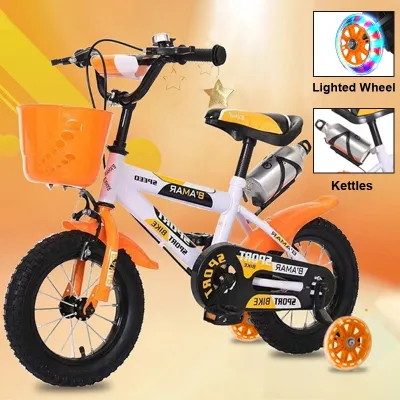
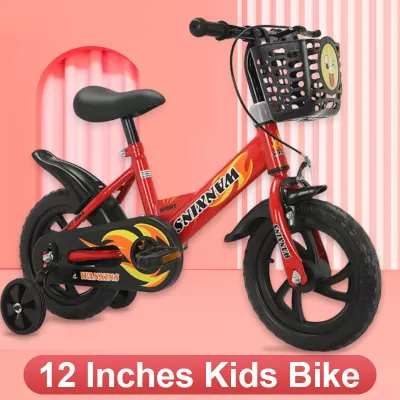
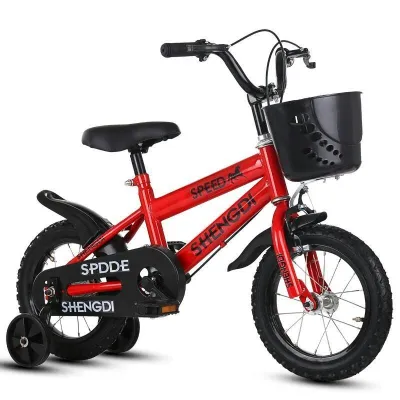
Prices are valid at publication and may change. Please refer to the product page for the latest price.
The cognitive load of these two options differs significantly. A balance bike requires continuous, subconscious adjustments to steering and body position to prevent tipping. A tricycle requires conscious effort to push the pedals while steering on a fixed axis. For a two-year-old, coordinating both steering and pedaling can sometimes be challenging, which is why many toddlers initially push tricycles with their feet on the ground rather than using the pedals.
Confidence building is highly dependent on your child’s temperament. Cautious toddlers often find comfort in the immediate stability of a tricycle, as it will not tip over when stationary. However, other children build confidence quickly on a balance bike because they can keep their feet flat on the ground at any moment. This constant contact with the earth provides a reassuring sense of control, allowing them to progress from slow walking to gliding at their own pace.
Stability, Safety, and Where Each Bike Performs Best
Tricycles are highly stable on flat, level surfaces, but they present specific tipping risks on uneven ground. Because of their wide rear axle and high center of gravity, tricycles can easily tip sideways when riding over sloped driveways, curbs, or during sharp, high-speed turns. Once a tricycle begins to tip, it is difficult for a toddler to stop the fall because their feet are often elevated on the pedals rather than planted on the ground.

Balance bikes offer a lower center of gravity, which naturally reduces the severity of falls. When a child loses balance on a two-wheeled balance bike, their instinct is to put their feet down. Because their feet are already close to the ground, they can easily stabilize themselves or walk out of a potential fall. This makes the balance bike highly maneuverable and surprisingly safe on various terrains.
Terrain suitability is a key consideration for outdoor play. Tricycles perform best on smooth, flat concrete pavements, tiled patios, or indoor spaces. They tend to struggle on grass, gravel, or cracked asphalt, where the small front wheel can get stuck or lose traction. Balance bikes, especially those equipped with wider tires, handle transitions between paved paths, grass, and dirt with ease, making them more versatile for trips to the local park.
Safety gear and pre-ride checks are essential for both setups. Always equip your child with a properly fitted helmet and closed-toe shoes to protect their feet from scrapes. Before letting your child ride, perform a quick visual inspection of the bike. Check that the handlebars are aligned, the seat clamp is secure, and the tires or wheels are free from cracks or excessive wear.
How to Check the Physical Fit for Your 2-Year-Old
To check the physical fit of a balance bike, your child must be able to sit comfortably on the saddle with both feet planted flat on the ground. There should be a slight bend in their knees, which allows them to push off and stop effectively. Measure your child’s inseam while they are wearing shoes, and compare this measurement to the manufacturer’s minimum seat height specification to ensure a proper fit.
For a tricycle, the critical measurement is pedal reach. When your child sits fully back in the tricycle seat, they should be able to reach the pedals at their furthest point without straining, stretching, or slipping off the seat. If they have to slide forward off the saddle to complete a pedal stroke, the tricycle is too large, which can lead to frustration and poor control.
Weight limits and frame materials should be verified on the product packaging or specification sheet. Toddler bikes are constructed from various materials, including lightweight aluminum, sturdy steel, durable plastics, or birch wood. For a two-year-old, a lighter bike is generally easier to handle and maneuver. Ensure the frame’s rated weight capacity safely accommodates your child’s current weight with room to grow.
Adjustability is crucial for accommodating rapid toddler growth spurts. Look for models that offer adjustable seat posts and handlebar heights. Tool-free adjustment clamps are highly convenient, allowing you to make quick modifications during a trip to the park. A bike with a wide range of adjustment will remain usable for a much longer period before your child outgrows it.
When conducting a try-before-you-buy check at a local store, observe your child’s posture. They should sit relatively upright without slouching or overextending their arms to reach the handlebars. Ensure there is adequate clearance between their knees and the handlebars when the front wheel is turned fully to either side.
The Path to a Standard Pedal Bike: Long-Term Progression
The balance-to-pedal pipeline is a highly efficient path to riding a standard bicycle. Children who master a balance bike first learn the most difficult part of cycling—balancing and steering—at a very young age. When they eventually transition to a standard pedal bike, they usually do not need training wheels. They simply need to learn the mechanical motion of pedaling, which they often master in a single afternoon.
The tricycle-to-pedal pipeline takes a different approach. While tricycle riders learn how to pedal early on, they do not develop the dynamic balance required for a two-wheeled bicycle. When transitioning to a standard bike, they often rely on training wheels to maintain stability. This can sometimes prolong the learning process, as training wheels can prevent children from learning how to lean correctly into turns.
Consider the lifespan and when your child is likely to outgrow the bike. A quality balance bike can often be used from age two up to four or five, depending on the seat’s adjustability range. Tricycles are often outgrown sooner, as a growing child’s knees may begin to hit the handlebars, or they may simply lose interest in the slower speed and limited maneuverability of a three-wheeled ride.
Storage and portability are practical concerns for parents. Balance bikes are generally lightweight and compact, making them easy to carry home when your toddler gets tired or when a sudden tropical downpour begins. Tricycles are bulkier, heavier, and take up more space in your home entryway, car trunk, or storage area.
Which Bike Should You Buy? A Decision Framework
To make the final decision, evaluate your child’s current physical development, your typical riding environment, and your long-term goals. Use the following guidelines to choose the most suitable option for your family.
Choose a balance bike if:
- Your child is active, enjoys running, and shows good basic coordination.
- You plan to ride on varied terrain, including grass, gravel, or uneven park paths.
- You want to prepare your child for a seamless transition to a standard two-wheel pedal bike without training wheels.
- You need a lightweight, highly portable option that is easy to carry when your child gets tired.
Choose a tricycle if:
- Your child is more cautious and prefers the immediate stability of a three-point base.
- You primarily ride on flat, smooth, paved surfaces like driveways or indoor hallways.
- Your child is highly motivated by the mechanics of pedaling and wants to mimic older siblings.
- You prefer a stable, upright seating position where the child can sit comfortably while stationary.
Before making a purchase, verify local retail availability, return policies, and read the specific model’s assembly and safety manuals. Ensuring you have the correct tools and understanding the manufacturer’s guidelines will help you set up the bike safely and maintain it properly over time.
| Feature | Balance Bike | Tricycle |
|---|---|---|
| Primary Skill Focus | Dynamic balance and steering | Pedaling mechanics and leg strength |
| Ideal Terrain | Paved paths, grass, gravel, uneven ground | Smooth, flat concrete and indoor surfaces |
| Tipping Risk | Low (feet are always close to the ground) | Moderate on slopes, uneven ground, or sharp turns |
| Transition to Pedal Bike | Direct path (usually bypasses training wheels) | Indirect path (requires learning balance later) |
| Portability & Weight | Lightweight, compact, easy to carry | Heavier, bulkier, harder to transport |
Frequently Asked Questions (FAQ)
Do 2-year-olds need training wheels if they start on a tricycle?
No, training wheels are designed for standard two-wheel pedal bikes, not tricycles. Tricycles already have a stable, three-wheeled design that does not require balancing. However, when a child transitions from a tricycle to a standard two-wheel bike, they may initially need training wheels because they have not yet developed the dynamic balance skills that a balance bike would have taught them.
What safety features should I look for in a toddler's first bike?
When checking product specifications, look for non-slip handlebar grips with large protective ends to keep small hands from sliding off. For tricycles, ensure any chain or drive mechanism is fully enclosed to prevent fingers or clothing from getting caught. For balance bikes, look for rounded bolt heads and a recessed axle design to prevent painful scrapes on your child’s ankles during play.
Can a 2-year-old use a balance bike with a steering limiter?
Yes, a steering limiter is a helpful safety feature for a beginner. It prevents the handlebars from turning too sharply, which helps prevent jackknife falls where the front wheel locks sideways. Check the manufacturer’s specifications to see if the limiter is built-in or removable, as some models allow you to remove or adjust the limiter as your child’s steering control and confidence improve.
Community discussion
Share your experience or ask a question. Comments are reviewed before publication.