
Selecting the right knee sleeve can significantly impact your training comfort, joint stability, and overall performance. When deciding between bamboo and neoprene knee sleeves, there is no single option that excels in every scenario. The optimal choice depends heavily on your specific training intensity, how much you sweat, the level of joint stabilization your movements require, and your local climate.
This comparison focuses on the verifiable structural differences and manufacturer specifications of each material rather than unverified marketing claims. By understanding how these materials behave under physical stress and in different environments, you can make an informed decision. The core decision framework involves matching these distinct material properties to your primary athletic activities, whether you are lifting weights in a local gym or running outdoors in tropical humidity.
Understanding the Core Material Structures
To make an informed choice, you must first understand what these products are actually made of. Bamboo knee sleeves are not made of raw wood; instead, they are constructed from bamboo viscose or rayon. This semi-synthetic fiber is produced by chemically processing bamboo cellulose into a soft, highly flexible yarn. In athletic wear, this yarn is almost always blended with synthetic elastane, spandex, or nylon to provide the necessary stretch and recovery. When shopping, it is essential to check the exact fabric composition label, as the ratio of bamboo to synthetic fibers determines how the sleeve behaves under tension.
Products mentioned in this guide
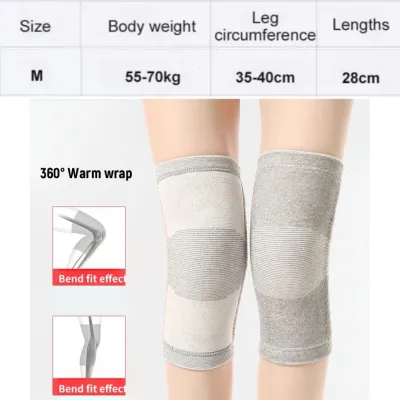
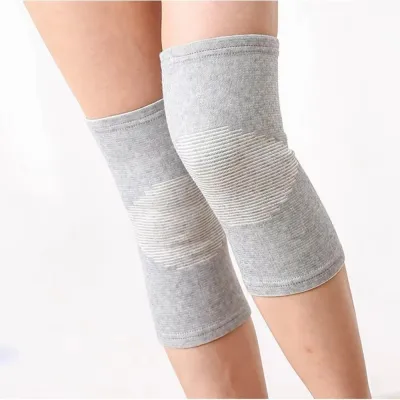
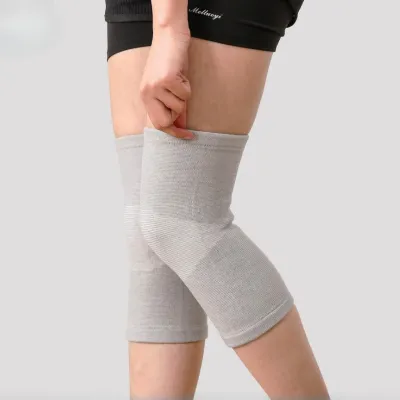
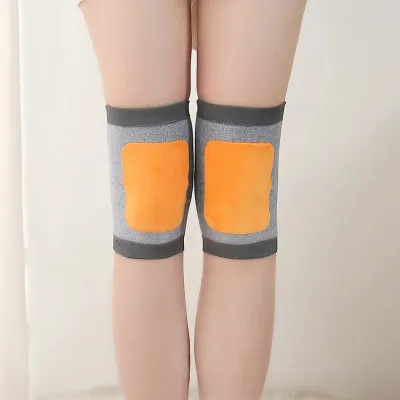
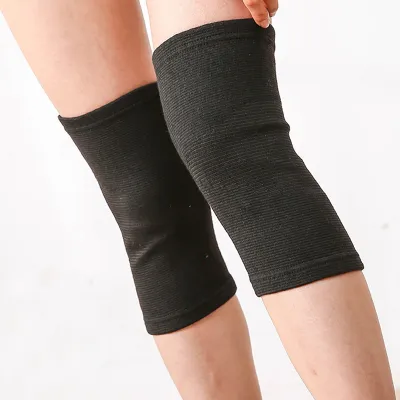
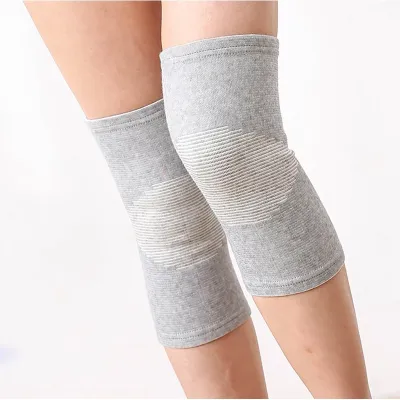
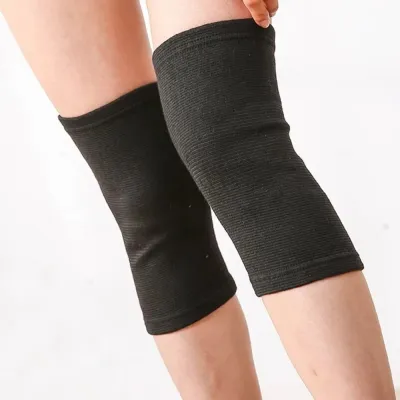
Prices are valid at publication and may change. Please refer to the product page for the latest price.
Neoprene, on the other hand, is an entirely synthetic elastomer. It is a closed-cell synthetic rubber that has been used for decades in wetsuits and heavy-duty industrial applications due to its excellent insulation and structural resilience. In knee sleeves, neoprene is typically laminated with a nylon or polyester fabric on both sides to allow it to slide smoothly over the skin. This closed-cell structure does not allow air or water to pass through easily, which is the primary reason it behaves so differently from woven bamboo-blend fabrics.
Evaluating Support, Comfort, and Durability
Comparing these two materials requires looking closely at three primary pillars: compression mechanics, thermal regulation, and material degradation. Because individual manufacturing standards vary, actual performance depends heavily on the specific product’s construction and quality control rather than the base material name alone. Evaluating these factors systematically will help you identify which sleeve aligns with your physical needs and training environment.

Joint Support and Compression Levels
The level of physical support a knee sleeve provides is directly tied to its material thickness and elasticity. Neoprene sleeves are categorized by their thickness, typically ranging from 3mm to 7mm. This thickness creates a rigid, structural barrier around the joint that physically resists lateral movement and deep flexion, offering high-level stabilization. The thicker the neoprene, the more mechanical support it provides, which is why powerlifters and heavy strength athletes often favor thicker options.
In contrast, bamboo-blend sleeves are much thinner and rely on elastic weaving ratios rather than material thickness to generate compression. The compression from a bamboo sleeve is dynamic and flexible, conforming closely to the contours of your leg without restricting your range of motion. Because they lack a rigid rubber core, they do not offer the same mechanical joint stabilization as neoprene. To determine if a bamboo sleeve offers enough tension for your needs, you should check the manufacturer’s stated compression level on the packaging or product specification sheet rather than assuming support based on the material name alone.
Breathability, Moisture, and Skin Comfort
Your training environment plays a massive role in how comfortable a knee sleeve feels against your skin. Neoprene is an excellent insulator, meaning it traps body heat and moisture close to your skin. While this heat retention is beneficial for keeping joints warm and lubricated, it can lead to heavy sweating and skin irritation, especially when training in humid outdoor conditions or non-air-conditioned indoor spaces. If you choose neoprene, verifying whether the product features an inner lining designed to minimize chafing is a crucial step.
Bamboo-blend sleeves are widely recognized for their breathability and moisture-wicking properties. The woven structure allows air to circulate freely, helping to evaporate sweat and keep your skin cool during intense workouts. This makes them highly suitable for tropical climates where high humidity can make heavy, non-breathable gear feel suffocating. When evaluating bamboo options, check the product label for specific anti-odor treatments or hypoallergenic certifications, as these features can further enhance long-term skin comfort during sweaty training sessions.
Longevity and Wear Resistance
How well a knee sleeve withstands repeated use, friction, and washing cycles is a key factor in its overall value. Neoprene is highly durable but is susceptible to specific types of wear. Over time, the seams can split under extreme tension, the laminated fabric backing can peel away from the rubber core, and exposure to sweat can degrade the material if it is not cleaned properly. Additionally, if the sleeve features velcro straps, these can lose their grip or snag the surrounding fabric over months of use.
Bamboo-blend sleeves face different wear challenges. Because they are knitted textiles, they are prone to pilling, stretching out, and seam fraying, particularly during high-friction movements like heavy squats, lunges, or floor work. If the elastic fibers within the weave degrade, the sleeve will lose its compression and begin to slip down your leg. To gauge the expected lifespan of either material, always review the manufacturer’s care instructions and warranty terms, as these provide the most reliable indication of how the product is expected to hold up under regular training stress.
Matching the Sleeve to Your Training Activity
Selecting the right material requires aligning its physical characteristics with the specific demands of your sport or workout routine. Neoprene sleeves are generally preferred in scenarios where maximum joint warmth and rigid stabilization are the primary goals. For example, if your training involves heavy powerlifting, Olympic weightlifting, or strongman movements, the structural support of a 5mm or 7mm neoprene sleeve can help you maintain proper joint alignment under heavy loads. They are also highly useful for outdoor sports in cooler climates where keeping the joint warm prevents stiffness.
Conversely, bamboo-blend sleeves are typically favored for activities that demand high mobility, continuous movement, and superior moisture management. If your routine consists of running, functional fitness, high-rep circuit training, or court sports like badminton and basketball, a lighter, more breathable sleeve is often the better choice. These activities require your joints to move through a full range of motion rapidly, where the restrictive bulk of thick neoprene could hinder your performance or cause premature fatigue.
It is vital to remember that protective equipment is a supportive tool and cannot replace proper joint conditioning, strength training, and mobility work. If you experience sharp, sudden, or persistent joint pain during or after your workouts, you should stop training immediately. Equipment cannot compensate for an underlying injury, and you should consult a medical professional or physical therapist to address the root cause of your discomfort.
Verifying Fit and Checking Manufacturer Specifications
Because compression feel is highly subjective and varies significantly between brands, verifying the fit before purchasing is essential. To get an accurate measurement, use a flexible measuring tape to find the circumference of your knee joint, as well as points a few inches above and below the kneecap, depending on the specific brand’s sizing guide. Do not rely on your standard clothing size; always match your physical measurements directly to the manufacturer’s sizing chart.
When reviewing product listings on online marketplaces or physical packaging, look closely at the technical specifications. Whether you are looking at budget-friendly options around ₱400 or premium models closer to ₱1,500 on online marketplaces, verifying the technical specifications is crucial. For neoprene, verify the exact thickness in millimeters and check if the seams are double-stitched or reinforced with tape for added durability. For bamboo sleeves, look for the exact percentage of bamboo viscose versus synthetic elastane or nylon to ensure the sleeve has enough elastic recovery. Finally, always check the retailer’s return and exchange policies, as finding the right level of compression often requires trying on the sleeve to ensure it does not slip down or cut off circulation.
Making Your Final Decision
To finalize your choice, evaluate your training priorities against the following conditional framework:
- Choose Neoprene if your primary goal is maximum joint stabilization, you regularly perform heavy lifting or low-velocity strength training, and you require intense heat retention to keep your joints warm throughout your session.
- Choose Bamboo Blends if you prioritize breathability, flexibility, and moisture management, train in warm or humid environments, and participate in high-mobility sports that require unrestricted movement.
- Verify First if you have sensitive skin or known allergies to synthetic rubbers, are recovering from a specific knee injury, or fall between sizes on the manufacturer's chart, as these factors may require professional medical guidance or a specialized fitting.
Frequently Asked Questions (FAQ)
How should I wash and maintain bamboo versus neoprene sleeves?
To extend the lifespan of your knee sleeves, you must follow proper maintenance routines tailored to their specific materials. Neoprene sleeves should generally be hand-washed in cool water using a mild detergent to prevent the closed-cell foam from degrading or losing its shape. Avoid using a washing machine or dryer, as high heat and agitation can split the seams and cause the laminated fabric to peel; instead, squeeze out excess water gently and lay them flat to air-dry in a well-ventilated area away from direct sunlight. Bamboo-blend sleeves are typically more resilient to machine washing, but they should still be washed on a gentle cycle in cold water and air-dried to prevent the elastic fibers from breaking down under high heat. Always defer to the specific care label attached to your product for the manufacturer’s official instructions.
Can I wear these knee sleeves all day for joint pain relief?
Athletic knee sleeves are designed primarily to provide active compression, warmth, and proprioceptive feedback during physical training, rather than for continuous, all-day passive wear. Wearing tight compression sleeves for extended periods without movement can potentially restrict blood circulation or cause skin irritation from trapped moisture. Furthermore, relying on a compression sleeve to mask chronic joint pain or structural injuries can lead to further damage by delaying proper treatment. If you experience persistent pain, swelling, or instability, you should consult a physical therapist or medical doctor to determine if you require a medical-grade orthotic or a specific hinged brace rather than an athletic sleeve.
Community discussion
Share your experience or ask a question. Comments are reviewed before publication.