
Choosing the right barbell plates depends on your training style, your gym environment, and how you handle the weights during a workout. Whether you are setting up a home gym in a humid garage or equipping a commercial fitness space, selecting between rubber bumper plates, cast iron plates, technique plates, and competition plates will determine your safety, your equipment’s lifespan, and the quality of your lifts.
Decoding the Main Types of Barbell Plates
To build a solid strength training setup, you must first understand the physical differences and primary purposes of the main plate categories. Weight plates are generally divided into rubber-based options, which are designed to absorb impact, and metal-based options, which offer a compact profile for heavy lifting. Choosing the wrong type can damage your floors, bend your barbell, or create excessive noise that disrupts your household or neighbors.
Bumper Plates and Technique Plates
Bumper plates are constructed from dense vulcanized rubber or urethane surrounding a central steel hub. This design allows them to be safely dropped from overhead or shoulder height during dynamic movements without shattering the plate or cracking the underlying floor. Because rubber is susceptible to degradation in high humidity, verifying the quality of the rubber compound is essential for long-term durability in tropical climates.
Products mentioned in this guide
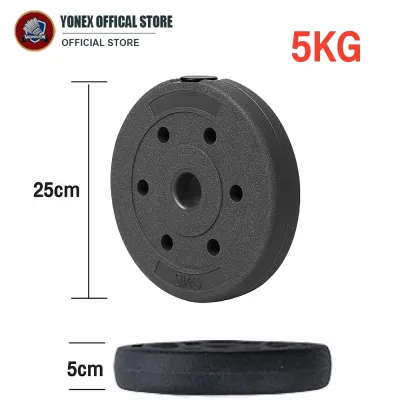
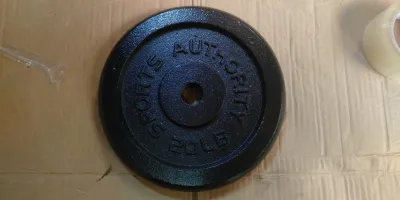
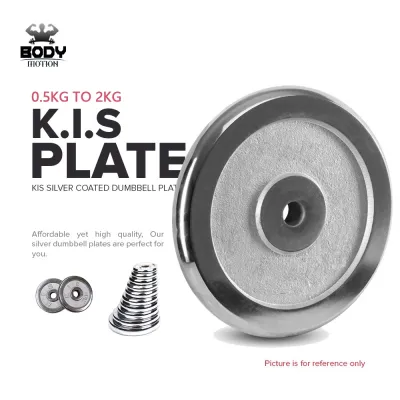
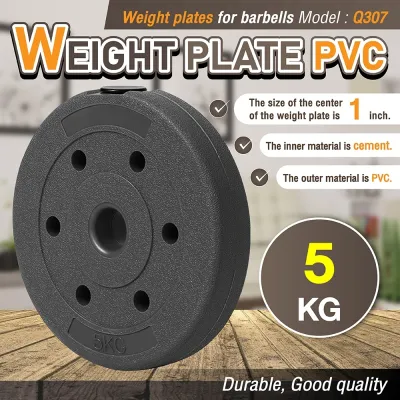
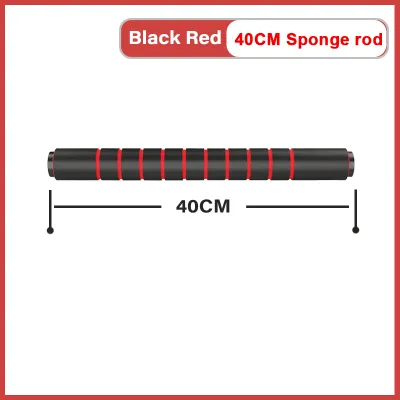
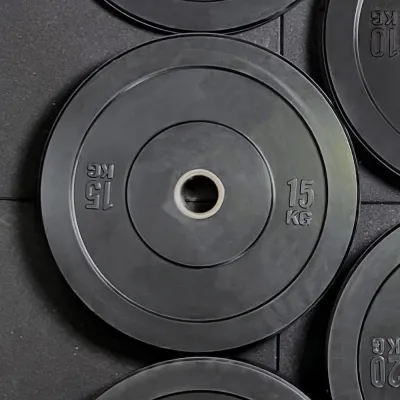
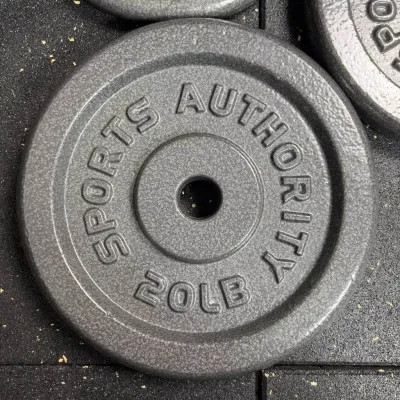
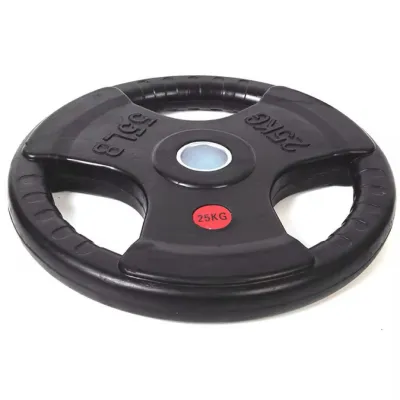
Prices are valid at publication and may change. Please refer to the product page for the latest price.
Technique plates serve a highly specialized role in learning Olympic weightlifting movements like the snatch and the clean and jerk. These plates are exceptionally light, often weighing only 2.5 kg or 5 kg, yet they maintain the full standard outer diameter of a heavy bumper plate. This allows beginners and recovering athletes to practice pulling from the correct anatomical height off the floor without loading excessive weight onto the barbell. Because they are thin and made of rigid plastic or light rubber, technique plates should never be dropped when loaded alone on a standard bar, as they can easily bend or warp.
Iron Plates and Competition Plates
Standard cast iron plates are the traditional choice for powerlifting, bodybuilding, and general strength training. They are highly compact, allowing you to fit more total weight onto the sleeves of your barbell. However, bare or painted iron plates are prone to rust when exposed to moisture and sweat, making rust-resistant finishes like powder coating or rubberized coatings highly desirable. Dropping iron plates directly onto concrete or thin flooring can cause immediate structural damage to both the plate and the subfloor.
Competition plates represent a high level of precision and density, designed to meet strict weight tolerances for official lifting events. These plates feature a massive steel core covered by a thin layer of high-density rubber or urethane, resulting in a much thinner profile than standard bumper plates. This thinness allows lifters to pack maximum weight onto the barbell while still retaining the drop-safe benefits of rubber. They are color-coded to international standards, making weight identification instant during high-stakes training sessions.
Matching Plates to Your Training Style and Setup
Your training style is the most critical factor in deciding which plates to buy. If your routine focuses on Olympic weightlifting or functional fitness where the barbell is frequently dropped from overhead, bumper plates are essential. For traditional powerlifting lifts like the squat, bench press, and deadlift where the weight is controlled back to the floor, cast iron or rubber-coated iron plates offer a practical and space-saving solution.

Your physical training environment also dictates your choice. In residential areas or shared spaces, the loud clanging of iron plates can be a major nuisance. Rubber-coated iron plates or bumper plates help dampen the noise, though you will still need thick rubber gym mats to absorb the kinetic energy of heavy lifts. If you are training on a second-floor setup or over delicate tiles, dropping any weight is highly risky, requiring you to invest in dedicated lifting platforms or heavy-duty drop pads.
Budget is another key consideration, especially when balancing cost against durability. Standard cast iron plates are generally the most affordable option per kilogram, making them excellent for building a high-weight setup on a budget. Bumper plates require a higher initial investment in ₱, but they save you money over time by protecting your barbell sleeves and flooring from costly damage. For most home lifters, a hybrid approach—investing in a few high-quality bumper plates for the base load and adding smaller iron plates for incremental weight—offers a balanced compromise.
Essential Specifications and Sizing Checks
Before purchasing any barbell plates, you must verify their physical dimensions to ensure compatibility with your existing equipment. The most critical measurement is the inner collar or hub diameter. Standard Olympic barbells require plates with a 50mm (approximately 2-inch) center hole. Standard-style plates with a 25mm (1-inch) hole will not fit Olympic sleeves, so always double-check this specification on the manufacturer’s product sheet.
Another key dimension is the outer diameter of the plate. Standard bumper plates and competition plates are designed with a uniform outer diameter of 450mm (17.7 inches). This standard sizing ensures that when the barbell is resting on the floor, the bar sits at the correct height for deadlifts and Olympic pulls, protecting your spine by preventing you from having to bend too low. If you mix plates of varying diameters, the largest plate will absorb the entire impact of a drop, which can quickly lead to equipment failure.
Before lifting, always inspect your equipment. If you notice cracks in the rubber of your bumper plates, loose steel inserts, or severe rust on your barbell sleeves, stop training immediately and replace the damaged gear. Equipment cannot replace proper lifting form and physical preparation; always ensure your lifting area is clear of bystanders and obstacles before starting a set. Review weight tolerance claims and look for manufacturer specifications rather than assuming precision.
Frequently Asked Questions (FAQ)
Can I mix bumper plates and iron plates on the same barbell?
You can mix bumper plates and iron plates on the same barbell, but only under strict conditions. For static lifts where the barbell is never dropped, such as squats or bench presses, mixing materials is perfectly safe. However, you should never drop a mixed barbell. Because iron plates have a smaller outer diameter than standard bumper plates, the bumper plates will absorb 100% of the impact when dropped, leading to rapid warping, cracked rubber, and bent barbell sleeves.
Do I need technique plates for general strength training?
You do not need technique plates if your primary goal is general strength training using traditional lifts like the squat, bench press, or overhead press. Technique plates are specifically designed for learning the starting positions of Olympic lifts at very light weights. For general progressive overload, standard fractional plates or light iron plates (such as 1.25 kg or 2.5 kg plates) are much more practical and cost-effective for making small, incremental weight jumps.
Community discussion
Share your experience or ask a question. Comments are reviewed before publication.