
When choosing a barbell set for men’s strength training, the specifications that actually matter are shaft diameter, tensile strength, sleeve rotation mechanism, and knurling pattern. These technical details dictate how safely the bar handles heavy loads, fits your grip, and performs under tropical humidity. While high-quality equipment is essential, it cannot replace proper lifting technique, structured training, or safety spotters. A systematic check of these physical specifications ensures your home gym setup supports long-term progression without risking equipment failure or joint strain.
Bar Diameter and Shaft Feel
The thickness of the barbell shaft, measured in millimeters, directly influences your grip security and overall control during a lift. For men’s strength training, standard Olympic bars typically range from 28 mm to 29 mm in diameter. A 28 mm bar offers more flexibility and is easier to wrap your fingers around, making it a common choice for dynamic movements. Conversely, a 29 mm bar provides a stiffer feel, which is highly valued for heavy powerlifting movements like the bench press and squat.
To ensure you are getting the exact thickness you need, always verify the technical specifications sheet provided by the manufacturer. Avoid relying on generic product titles like “standard men’s bar,” which can sometimes mask non-standard dimensions. Checking the precise millimeter measurement on the product label is the only way to guarantee the shaft matches your training style.
Products mentioned in this guide
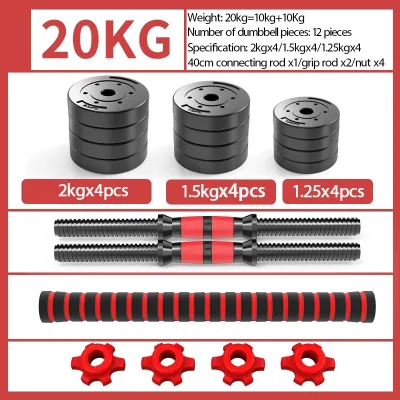
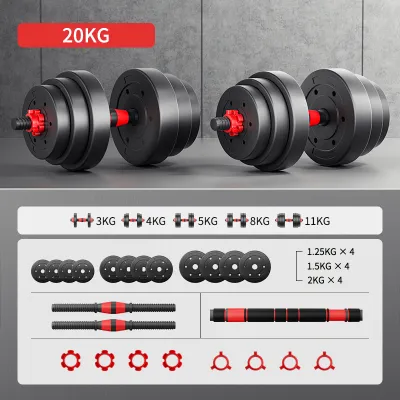
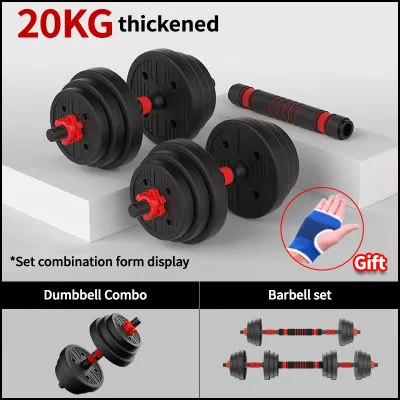
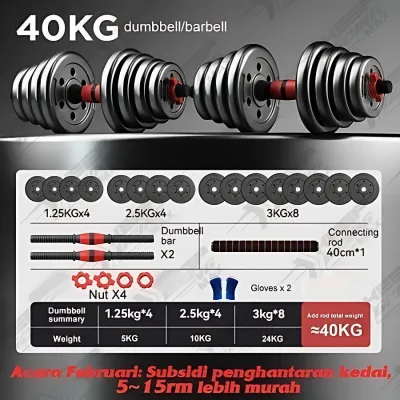
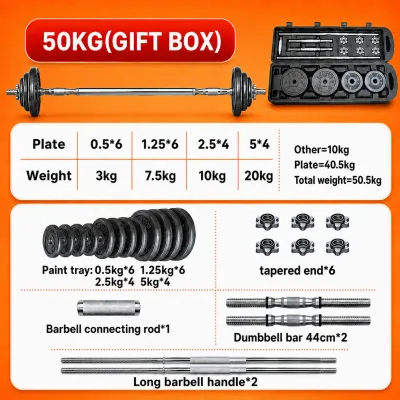
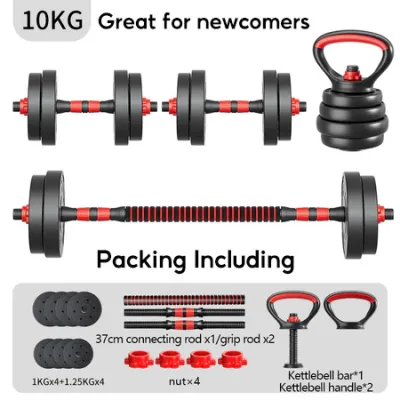
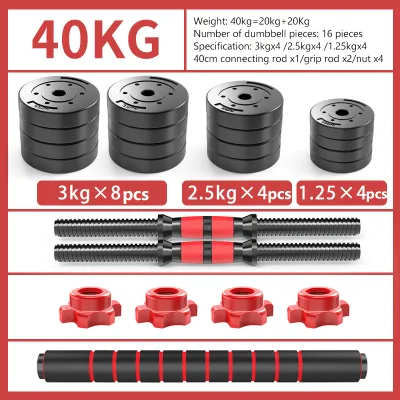
Prices are valid at publication and may change. Please refer to the product page for the latest price.
Your hand size and grip strength should guide this decision. While a thinner shaft allows for a more secure hook grip during heavy deadlifts, it may feel less stable in the palms during heavy pressing movements. Balancing these trade-offs is essential, especially when training in humid tropical environments where sweat can quickly compromise your hold on a thicker, smoother bar.
Weight Capacity vs. Tensile Strength
Many lifters confuse static weight capacity with the actual durability of the steel, leading to safety risks as their strength progresses. Weight capacity refers to the maximum static load the bar can hold without breaking immediately. However, because lifting involves dynamic movement and sudden drops, the bar must be rated for a capacity that far exceeds your current maximum lift plus the weight of your plates.

Tensile strength, measured in pounds per square inch (PSI), is a far more reliable indicator of a barbell’s quality and resistance to permanent bending. High-quality steel bars typically feature a tensile strength rating between 190,000 PSI and 215,000 PSI. A bar with low tensile strength might hold a heavy load once but can permanently warp or bend over time when dropped during a heavy lift.
Before purchasing, check the manufacturer’s official specification sheet for the exact PSI rating rather than relying on vague “heavy-duty” claims. If a product listing does not explicitly state the tensile strength, treat it as a verification item and contact the seller or manufacturer directly. Ensuring these numbers are verified protects your investment and prevents dangerous equipment failures in your training space.
Sleeve Spin: Bushings vs. Bearings
The sleeves are the outer ends of the barbell where the weight plates are loaded, and how they rotate plays a critical role in joint safety. This rotation is controlled by either bushings or needle bearings housed inside the sleeve. Bushings are solid rings of brass or bronze that slide smoothly against the steel, offering a controlled, moderate spin that requires minimal maintenance. Needle bearings utilize small steel rollers to provide an incredibly fast, highly sensitive spin.
Your choice between these two mechanisms should align directly with your primary lifting style. For explosive movements like cleans, snatches, and jerks, needle bearings are highly beneficial because they allow the shaft to rotate freely while the plates remain stationary. For slower, controlled powerlifts like squats, deadlifts, and bench presses, a bushing system is generally preferred as it provides a more stable, predictable feel.
When evaluating a barbell set, manually spin the sleeves to check for smoothness and any grinding noises. A sleeve that does not spin smoothly transfers the rotational force of the heavy plates directly into your wrists and elbows, increasing the risk of joint strain during catches. In humid climates, regular lubrication of these internal components is necessary to prevent rust from locking up the rotation mechanism.
Bar Whip and Knurling Patterns
Bar “whip” refers to the elastic bending and rebound of the barbell shaft under load, which can either assist or hinder your lifts. A bar with high whip bends significantly during explosive movements, allowing lifters to use the upward momentum of the flex to complete a lift. For general strength training and powerlifting, however, a stiffer bar with minimal whip is preferred to ensure a stable, consistent path during heavy squats and presses.
Knurling is the cross-hatched pattern etched into the shaft to provide a secure grip, and its aggressiveness varies widely. A deep, sharp knurling pattern offers maximum grip security but can be harsh on the skin, while a passive pattern is comfortable but may slip under heavy loads. Additionally, a center knurling pattern is crucial for back squats as it grips the fabric of your shirt to prevent the bar from sliding down your back.
When choosing a knurling depth, consider your skin tolerance, training environment, and whether you plan to use chalk. In hot, humid conditions where sweat is a constant factor, a moderate to aggressive knurl is often necessary to maintain a safe grip without relying excessively on chalk. Inspect the knurling closely to ensure the pattern is uniform and free of metal burrs before your first heavy session.
Building Your Shortlist: Matching Specs to Your Goals
To simplify your search, you can match your primary training goals to the specific barbell characteristics that matter most. For example, a powerlifter should prioritize a 29 mm shaft, high tensile strength, bushing sleeves, and a center knurl. An Olympic weightlifter, on the other hand, will benefit more from a 28 mm shaft, high whip, bearing sleeves, and no center knurl to avoid scratching the collarbone during cleans.
If you are working within a specific budget, certain aesthetic features can be safely compromised without sacrificing safety. For instance, premium finishes like cerakote or stainless steel offer excellent rust resistance in humid environments but carry a higher price tag. You can opt for a more affordable black oxide or chrome finish, provided you commit to regular cleaning and oiling to prevent corrosion.
Before finalizing your purchase on any online marketplace, always verify the warranty terms and return policies, especially regarding structural bending. Ensure the set includes essential accessories like secure collars, or verify if you need to purchase them separately. Taking the time to cross-reference these specifications against your training space and goals ensures a safe, durable investment for your fitness journey.
Frequently Asked Questions (FAQ)
Does a heavier barbell always mean better quality?
No, a heavier barbell does not automatically indicate superior quality or safety. Standard Olympic barbells for men are engineered to weigh exactly 20 kilograms (approximately 44 pounds) to meet international training and competition standards. The quality of a barbell is determined by the grade of steel used, its tensile strength rating, and the precision of its sleeve construction, rather than its overall mass.
How much weight capacity do I need as a beginner?
As a beginner, it is wise to choose a barbell with a weight capacity of at least 500 to 700 pounds (approximately 226 to 317 kilograms). While this may far exceed your current lifting capabilities, it provides a vital safety buffer for dynamic drops and accommodates several years of strength progression. Regularly loading a barbell close to its maximum rated capacity increases the risk of permanent bending and structural failure.
Community discussion
Share your experience or ask a question. Comments are reviewed before publication.