
When shopping for a barbell, it is easy to view it as a simple piece of solid steel. However, the exact way that steel is treated, cut, and finished dictates everything from how much weight it can safely support to how it feels in your hands during a heavy lift. Choosing the wrong barbell can lead to premature wrist fatigue, permanent bending, or a grip that either slips constantly or tears your hands to shreds.
To make an informed decision for your home gym or commercial facility, you need to look past flashy marketing terms and understand the core engineering specifications. Deciphering metrics like tensile strength, knurling depth, shaft diameter, and sleeve rotation systems allows you to match a barbell precisely to your training style, budget, and local environment.
Core Structural Specs: Tensile Strength, Yield, and Diameter
Tensile strength is the primary measure of a barbell’s structural integrity. Expressed in pounds per square inch (PSI), it represents the maximum amount of force the steel can withstand before breaking. For a high-quality barbell, a tensile strength of 165,000 PSI is the baseline for safety. Barbells in the 190,000 to 215,000 PSI range offer exceptional durability for heavy powerlifting and Olympic weightlifting. Chasing numbers beyond this range yields diminishing returns for most lifters, as the steel becomes increasingly rigid and expensive without offering noticeable performance benefits.
Products mentioned in this guide
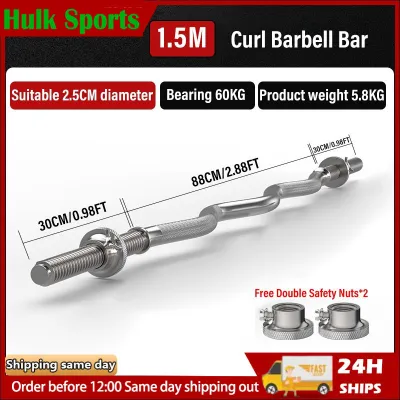
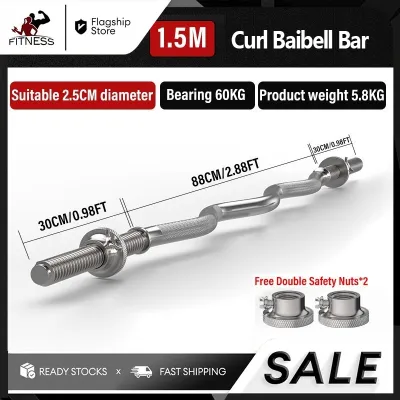
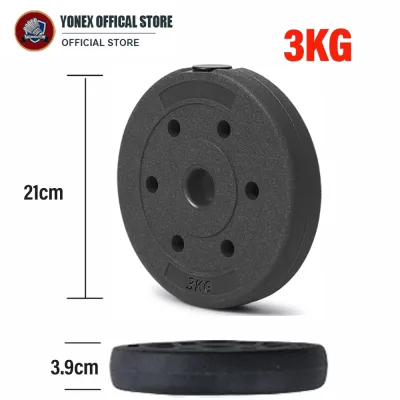
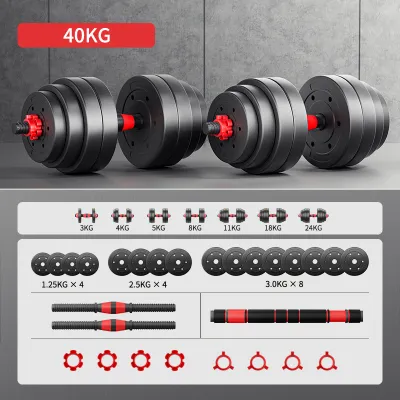
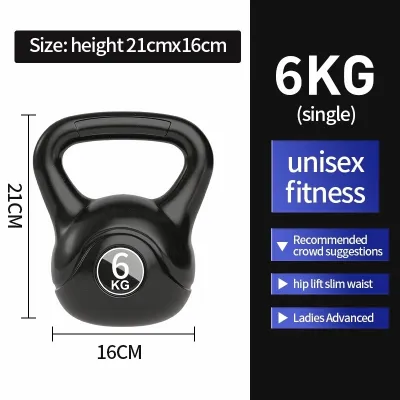
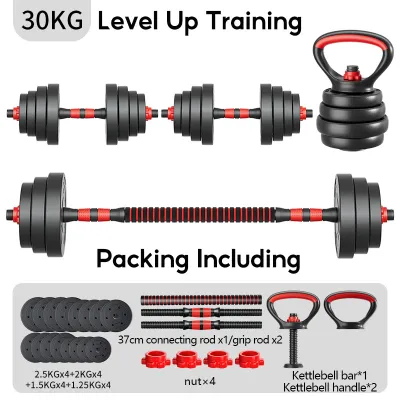
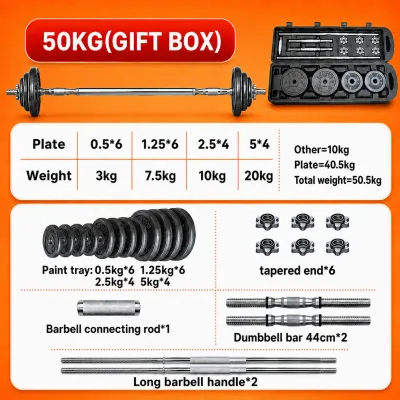
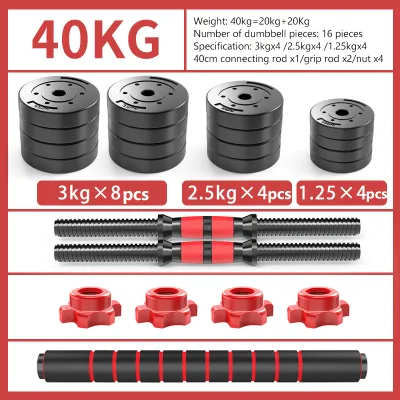
Prices are valid at publication and may change. Please refer to the product page for the latest price.
It is crucial to distinguish tensile strength from yield strength. While tensile strength marks the point of catastrophic failure, yield strength is the threshold at which the bar will permanently bend or deform. If you drop a heavily loaded bar onto safety pins, it is the yield strength that determines whether the shaft remains straight or becomes a warped piece of scrap. Because manufacturers rarely publish official yield strength ratings, choosing a bar from a reputable brand with a verified tensile strength of at least 190,000 PSI remains your best safeguard against permanent bending.
Shaft diameter is another critical spec that alters both the stiffness of the bar and how it feels in your hands:
- 28mm Shafts: Standard for Olympic weightlifting. The thinner shaft allows for a deeper grip and makes the "hook grip" much easier to secure, which is essential for explosive movements like cleans and snatches.
- 29mm Shafts: The gold standard for powerlifting. The thicker shaft increases the overall stiffness of the bar, reducing whip during heavy squats and bench presses.
- 28.5mm Shafts: Designed as multi-purpose or hybrid bars. These offer a middle ground, providing enough grip security for Olympic lifts while remaining stiff enough for moderate powerlifting.
Knurling Decoded: Grip Aggressiveness and Markings
Knurling is the cross-hatched, textured pattern pressed into the barbell’s shaft to enhance your grip. Without knurling, a sweaty hand would easily lose hold of the steel during heavy pulling movements. The aggressiveness of this pattern is determined by the depth and shape of the diamond cuts:

- Aggressive Knurling: Often featuring sharp, mountain-like peaks, this pattern is designed for heavy deadlifts where grip security is paramount. While it keeps the bar locked in your hands, it can easily tear calluses and cause discomfort during high-repetition workouts.
- Moderate Knurling: Typically utilizing slightly flattened or "volcano" shaped peaks, this offers a secure grip for general strength training without causing excessive skin irritation. It is the ideal choice for daily workouts and high-volume training.
- Light Knurling: A very passive, smooth texture that prioritizes hand comfort. It is well-suited for beginners, high-rep cardiovascular workouts, or environments where lifters do not use chalk.
Center knurling is another key variable to consider. This is the strip of textured steel located in the exact middle of the shaft. For powerlifters, center knurling is highly beneficial because it creates friction against your shirt, keeping the bar securely anchored on your upper back during heavy back squats. However, if your training includes front squats, cleans, or thrusters, a center knurl can cause painful scraping and irritation on your collarbones and neck. Many multi-purpose and Olympic bars omit the center knurl entirely to prevent this issue.
Finally, knurl marks—the smooth rings built into the textured pattern—serve as visual and tactile guides for consistent hand placement. International Weightlifting Federation (IWF) marks are spaced 910mm apart, signaling the standard grip width for Olympic lifts. International Powerlifting Federation (IPF) marks are narrower, spaced 810mm apart, to mark the maximum legal grip width for the bench press. Multi-purpose bars often feature dual marks, allowing you to easily transition between different lifting disciplines.
Bar Dynamics: Whip, Spin, and Sleeve Mechanics
“Whip” refers to the barbell’s ability to flex under load and rebound. This dynamic elasticity is not a defect; rather, it is a highly functional feature when matched to the right lift. Olympic weightlifters rely heavily on whip to generate upward momentum. By timing the catch and drive of a clean or snatch with the natural bend of the bar, lifters can use the stored kinetic energy to help propel the weight overhead. Conversely, powerlifters require a stiff bar with minimal whip. A flexing bar during a heavy squat or bench press introduces unpredictable stability issues, making the lift significantly more dangerous.
The rotation of the barbell sleeves—the outer ends where you load the weight plates—is governed by either bushings or bearings. This rotation is critical because it allows the weight plates to spin freely while the shaft remains stable in your hands, preventing the rotational inertia of the plates from twisting your wrists and damaging your joints.
- Bushings: Usually made of bronze or composite materials, bushings offer a smooth, controlled, and slower spin. They are highly durable, require minimal maintenance, and are perfectly suited for slower, heavy powerlifts like squats, deadlifts, and overhead presses.
- Bearings: Utilizing high-precision needle bearings, these systems offer an incredibly fast, effortless spin. This rapid rotation is essential for Olympic weightlifting, where the lifter must quickly transition under the bar during cleans and snatches. However, bars with high-quality bearings are generally more expensive and require more frequent maintenance.
Sleeve length and diameter also dictate your loading capacity. Standard Olympic sleeves have a 50mm diameter to accommodate Olympic-sized plates. The length of the usable sleeve determines how many plates you can load. If you use thick rubber bumper plates, you will require longer sleeves to reach your desired training weights compared to using thin cast-iron or calibrated steel plates.
Marketing Noise: Specs You Can Safely Deprioritize
When shopping for a barbell, it is easy to get distracted by exaggerated marketing claims. One of the most common traps is relying solely on “static weight capacity” ratings, which often boast limits of 1,000 to 1,500 pounds. These ratings are calculated under static, laboratory conditions where weight is applied slowly and evenly. They do not reflect real-world, dynamic drops on a lifting platform. A bar with low-grade steel and a poor yield strength can easily bend permanently under a dynamic drop, despite a high static rating. Always prioritize verified tensile strength over static weight capacities.
The finish of the barbell—whether it is hard chrome, black zinc, cerakote, or bare steel—is often marketed as a performance feature, but it primarily dictates rust resistance and grip feel. Bare steel offers the most natural, slip-free grip, but it has zero protection against rust. Cerakote and stainless steel offer the highest level of corrosion resistance, while chrome and zinc fall somewhere in the middle.
In the tropical, high-humidity climate of the Philippines, rust is the single greatest threat to your gym equipment, especially if your setup is in a garage, outdoor area, or non-air-conditioned space. Even the most advanced finishes can succumb to corrosion if neglected. Sweat, skin oils, and lifting chalk trap moisture against the steel, accelerating rust. To protect your investment, establish a basic maintenance routine: use a plastic-bristled brush to clear chalk and debris from the knurling after your workouts, and periodically apply a thin coat of 3-in-One oil or a similar light lubricant, wiping off the excess to keep the steel sealed against the humid air.
Choosing Your Bar: Matching Specs to Your Training Style
To simplify your purchasing decision, match your primary training style to one of these three standard barbell profiles. In the Philippines, entry-level Olympic bars with basic bushings typically start around ₱8,000, while premium imported powerlifting or weightlifting bars can exceed ₱30,000.
Olympic Weightlifting Profile
- Best For: Cleans, snatches, jerks, and explosive cross-training movements.
- Specs to Look For: A 28mm shaft diameter for easy hook grip, high whip for dynamic assistance, needle bearings for rapid sleeve rotation, and moderate knurling without a center knurl to protect your collarbones. Look for IWF knurl marks.
Powerlifting Profile
- Best For: Heavy squats, bench presses, and deadlifts.
- Specs to Look For: A thick 29mm shaft for maximum stiffness, minimal whip, durable bronze bushings for stable sleeve rotation, and aggressive knurling with a center knurl to keep the bar anchored on your back. Look for IPF knurl marks.
General Fitness / Home Gym Profile
- Best For: A mix of traditional strength training, functional fitness, and general workouts.
- Specs to Look For: A 28.5mm shaft diameter for a balanced grip, moderate whip, bronze bushings or hybrid bearing-bushing systems for versatile spin, and moderate knurling with dual knurl marks. A bar without a center knurl is generally preferred for overall comfort, though a mild dual-center knurl is acceptable if you squat frequently.
Frequently Asked Questions (FAQ)
Is a higher tensile strength always better?
Not necessarily. While a higher tensile strength (above 190,000 PSI) ensures the barbell is highly resistant to breaking or permanently bending, chasing the absolute highest number can result in an excessively rigid bar. For Olympic lifters, some flex (whip) is crucial for performance. A bar that is too stiff will feel unforgiving on your joints during explosive catches.
Do I need center knurling for squats?
If your training program heavily emphasizes heavy low-bar back squats, a center knurl is highly recommended to prevent the bar from slipping down your back. However, if you primarily perform front squats, high-bar squats, or Olympic lifts, omitting the center knurl will prevent painful skin abrasions on your chest, collarbones, and neck.
Community discussion
Share your experience or ask a question. Comments are reviewed before publication.