
Quick Answer: The Best Baseball for Beginners
If you are new to the sport, choosing the right base ball ball can make the difference between building confidence and walking away with bruised fingers. For absolute beginners, casual adult players, and youth athletes, the best starting point is a synthetic cover baseball or a Reduced Injury Factor (RIF) ball. These options offer excellent durability, resist moisture, and feature a cushioned core that minimizes the painful sting of a misplayed catch. Starting with these forgiving alternatives allows you to focus on developing proper throwing and catching mechanics before transitioning to professional-grade equipment.
Key Baseball Specs Decoded: What Actually Matters
When browsing sports stores, the sheer variety of technical terms on a baseball box can feel overwhelming. To make an informed choice, you only need to focus on three primary specifications that directly influence how the ball plays, wears, and feels in your hand.

Cover Material The outer layer is your direct point of contact. It dictates how well you can grip the ball, how it responds to moisture, and how long it lasts. Beginners should look for materials that withstand repeated impacts against fences or damp grass without tearing or warping.
Products mentioned in this guide
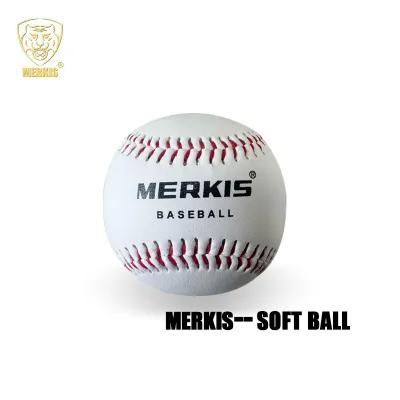
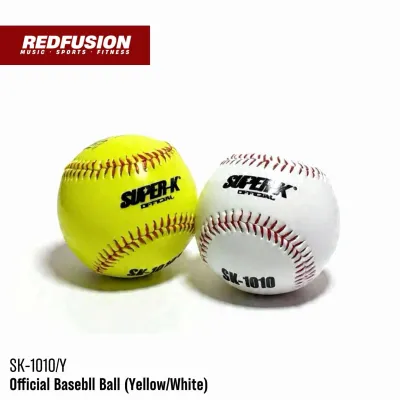
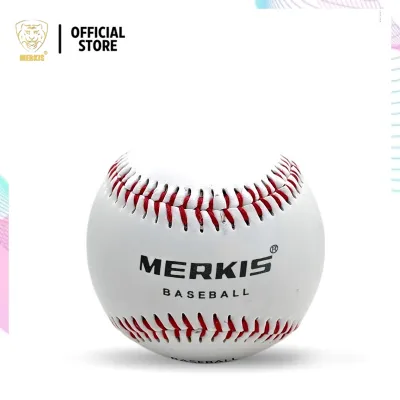
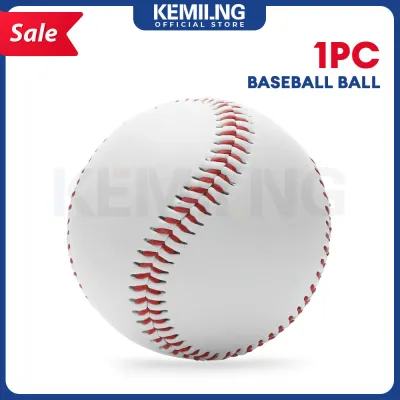
Prices are valid at publication and may change. Please refer to the product page for the latest price.
Core and Winding Inside a standard baseball lies a small cork or rubber core, wrapped tightly in thousands of yards of wool and polyester yarn. While competitive leagues specify exact wool percentages to control the ball’s bounce and structural memory, beginners do not need to obsess over these ratios. Your main concern is whether the core is solid and rigid, like a traditional hardball, or cushioned and compressible, like a safety ball.
Seam Type (Raised vs. Flat) The stitching on a baseball is not just decorative; it affects aerodynamics and grip. Raised seams feature stitching that sits higher off the cover, giving your fingers a distinct ridge to grab onto. This is highly beneficial for beginners who are still learning how to position their fingers for basic throws. Flat seams, by contrast, are rolled flatter against the cover to reduce air resistance. They are typically reserved for high-velocity pitching machines and advanced competitive play.
What to Ignore As a novice, you can safely ignore strict league certifications, precise circumference fractions, and exact weight tolerances. These rigid metrics are crucial for official tournament play but add unnecessary cost and complexity to casual training sessions.
Material and Safety Types Compared
Leather vs. Synthetic Covers
Choosing between leather and synthetic covers is one of the most critical decisions for a beginner, particularly when factoring in your local playing environment.
Leather (Full-grain/Top-grain): Traditional baseballs feature genuine leather covers, which offer the most authentic feel, superior natural grip, and a classic break-in period. However, leather is highly sensitive to moisture. In humid, tropical climates like the Philippines, leather baseballs easily absorb water from damp grass or humid air. This absorption makes the ball heavy, alters its flight, and can lead to mold growth if the ball is stored in a dark, unventilated gear bag. Genuine leather also commands a premium price, often ranging from ₱300 to over ₱600 per ball.
Synthetic (PU/PVC): Synthetic covers, made from polyurethane (PU) or polyvinyl chloride (PVC), are highly practical alternatives. These materials are naturally water-resistant and do not absorb moisture, allowing them to maintain their original weight and shape even during damp outdoor practices. They are significantly more affordable than leather and require virtually no maintenance. While they lack the premium, textured feel of genuine leather, their durability on rough dirt fields makes them an exceptional choice for daily backyard practice.
Safety and Reduced Injury Factor (RIF) Balls
For many beginners, the fear of being hit by a hard, fast-moving ball is a major psychological barrier. Safety and RIF balls are specifically engineered to address this concern.
Safety Balls: These balls feature an ultra-soft, spongy core, often made of lightweight foam or soft rubber. They look like standard baseballs but compress easily under pressure. They are designed for tee-ball players and absolute novices, eliminating the risk of severe bruising or injury while players learn the fundamentals of catching and fielding.
RIF (Reduced Injury Factor) Balls: RIF baseballs bridge the gap between ultra-soft safety balls and traditional hardballs. They look and fly like regular baseballs but contain a polyurethane core that compresses upon impact, significantly reducing the force transferred to a player’s body.
Selection Rule: When shopping for RIF balls, do not rely on a simple squeeze test to guess the hardness. Always check the manufacturer’s RIF level labels. RIF 1 or RIF 5 balls are softer and designed for younger players, while RIF 10 balls offer a firmer feel that prepares older beginners or transitioning players for standard hardballs.
Matching the Right Ball to Your Training Environment
Selecting the perfect baseball requires matching the ball’s design to your age, skill level, and where you plan to play.
Age and Skill Transition A logical gear progression helps prevent injuries and maintains interest in the sport. If you are introducing young children to the game, start with ultra-soft safety balls or tee-balls. As players develop coordination and confidence, transition them to RIF balls. Once throwing and catching mechanics are consistent, you can safely move to synthetic hardballs, and eventually, genuine leather baseballs for competitive play.
Environment and Climate Your physical training environment should dictate your material choices. For outdoor practices on public fields or backyards—especially during the humid or rainy seasons—synthetic covers are highly recommended to prevent waterlogging. Save expensive leather baseballs for indoor batting cages, dry weather, or well-maintained tournament fields where moisture can be controlled.
Equipment Compatibility If you plan to practice with mechanical training aids, keep equipment compatibility in mind. While synthetic and RIF balls are excellent for manual throwing and fielding drills, they can behave unpredictably in pitching machines. Before feeding any ball into a machine, consult the manufacturer’s manual. Some pitching machines require specialized dimpled polyurethane balls or specific flat-seam designs to prevent jamming and avoid damaging the machine’s wheels.
Frequently Asked Questions (FAQ)
Can beginners use official league leather baseballs?
Yes, beginners can use official league leather baseballs, but it is rarely practical. These balls are expensive, easily ruined by moisture, and their rigid cores can cause hand stinging upon impact. This discomfort can make catching painful and discourage beginners from practicing regularly.
Do synthetic baseballs damage wooden bats?
High-quality synthetic baseballs are generally safe for wooden bats during standard batting practice. However, you should avoid hitting synthetic balls that have become excessively dense or cold, and never hit waterlogged balls. Always inspect your wooden bats for micro-fractures, regardless of the ball type you use.
Community discussion
Share your experience or ask a question. Comments are reviewed before publication.