
Choosing a basketball gear bag requires looking beyond basic storage to find features that handle the specific demands of the sport. A player needs a bag that isolates dirty court shoes, secures a basketball without crushing other gear, and withstands the high humidity and sudden downpours typical of tropical climates. By focusing on specialized compartments, durable materials, and proper ventilation, you can protect your investment in shoes and gear while keeping your equipment organized and fresh.
Core Compartments and Storage Layout
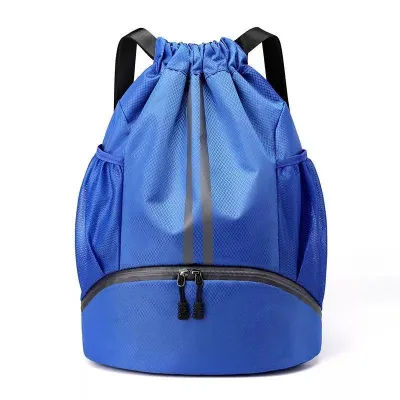
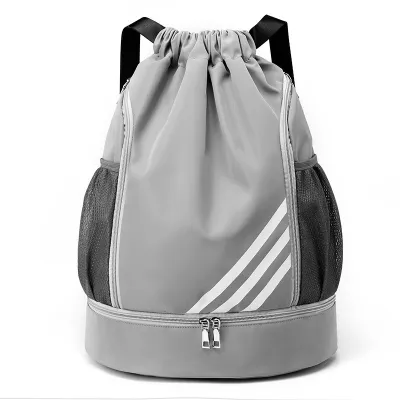
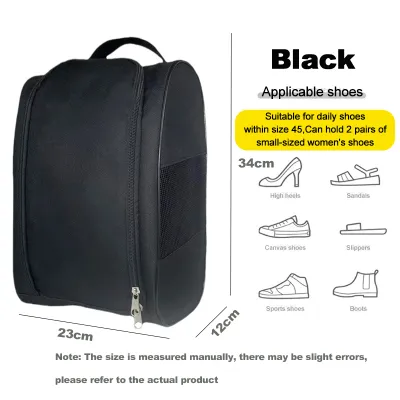
A dedicated shoe compartment is one of the most critical features to check when evaluating a basketball bag. Court shoes collect dust, dirt, and moisture during play, which can easily transfer to clean clothes if stored in the same main compartment. Look for an isolated, zippered pocket—often located at the bottom or side of the bag—that physically separates your footwear from the rest of your gear.
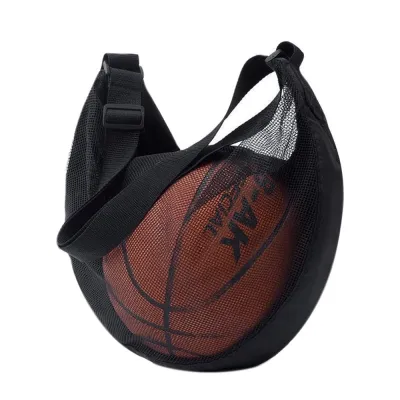
Ball storage is another essential layout consideration. Storing a basketball inside the main compartment can quickly crowd out other items, leaving little room for jerseys, water bottles, and personal belongings. Look for bags that feature an external mesh pocket, a zippered ball sleeve, or an expandable front harness. These designs keep the ball secure on the outside of the bag, preserving internal space and preventing the ball from crushing softer items.
Products mentioned in this guide
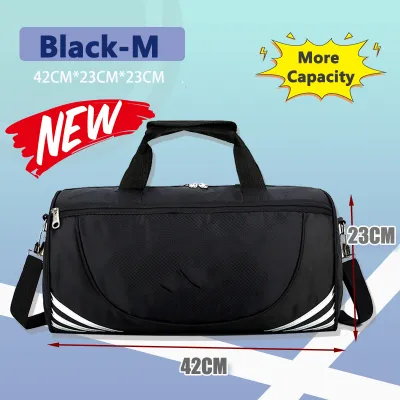
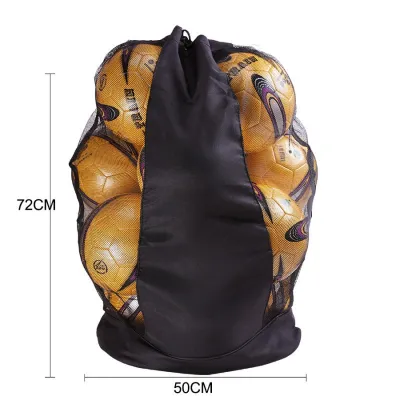
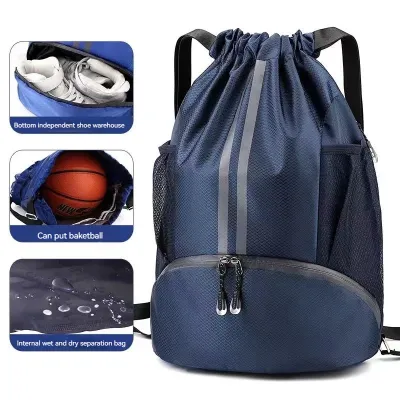
Prices are valid at publication and may change. Please refer to the product page for the latest price.
Wet/dry separation pockets are highly valuable for managing post-game gear. After an intense session on the court, your jersey, socks, and towel will be damp with sweat. A dedicated waterproof or lined pocket keeps these wet items completely isolated from your dry clothes and tech accessories. This simple organizational feature prevents moisture from seeping through the bag’s interior, protecting your valuables from water damage and unpleasant odors.
Material Durability and Weather Protection
The daily grind of basketball training demands a bag made from high-strength materials. Look for bags constructed from high-denier synthetic fabrics, such as 600D or 900D polyester or nylon, which offer excellent resistance to tears and abrasions. Pay close attention to high-stress areas like the shoulder strap attachments and zipper seams; these points should feature reinforced double-stitching or bar-tack stitches to prevent tearing under heavy loads.

Outdoor courts and damp locker room floors require a bag with a resilient base. Check for a reinforced bottom panel made from water-resistant materials like tarpaulin or heavy-duty TPU. A coated, waterproof base prevents moisture from seeping upward when you set your bag down on wet concrete, damp grass, or dusty court sidelines. This protective barrier keeps your interior gear dry and makes the bottom of the bag easy to wipe clean.
Zippers are often the first component to fail on a heavily packed sports bag. Inspect the zipper quality, looking for thick, durable tracks and sturdy metal or cord pull tabs that glide smoothly. Heavy-duty zippers, such as size 8 or size 10 coils, are less likely to split or jam when the bag is packed to capacity. Additionally, look for zipper storm flaps or water-resistant zipper tapes that help keep rain from leaking through the teeth during sudden downpours.
Ventilation and Odor Management
High humidity and sweaty gear create a breeding ground for bacteria and mold if a bag lacks proper airflow. Look for dedicated ventilation features, such as metal grommets, mesh panels, or breathable vents built directly into the shoe and wet compartments. These openings allow trapped heat and moisture to escape, helping your shoes and damp clothes dry out during your commute home.
It is important to distinguish between basic mesh windows and structured airflow channels. While simple mesh pockets provide some ventilation, they can easily be blocked when the bag is packed tightly. Structured airflow channels or rigid, molded back panels with mesh overlays maintain space between your back and the bag, promoting continuous air circulation. This design keeps both the bag’s interior and your back cooler during long walks to the court.
While ventilation is crucial for odor control, it must be balanced with weather protection. Vented pockets should be positioned strategically, such as on the sides or bottom of the bag, where they are less exposed to direct rainfall. Some advanced bags feature roll-top closures or zippered weather flaps that allow you to close off ventilation ports during heavy rain and open them once you are safely indoors.
Carry Comfort and Ergonomics
The way you transport your gear determines which strap configuration is most comfortable for your routine. Backpack-style bags with dual shoulder straps are excellent for distributing heavy loads evenly across both shoulders, making them ideal for players who walk, cycle, or commute on public transit. Duffel-style bags with a single, padded shoulder strap offer quick access to your gear and are highly convenient for players who primarily travel by car or motorcycle.
For longer commutes, look for ergonomic features that reduce physical strain. Padded, breathable back panels with mesh lining help cushion your spine and reduce sweat buildup against your shirt. Adjustable sternum straps and waist belts help stabilize the load, keeping the bag from shifting uncomfortably as you walk. These adjustments ensure the weight remains centered, protecting your shoulders and lower back from fatigue before you even step onto the court.
Grab handles are another essential comfort feature that is often overlooked. Ensure the bag has heavily reinforced top and side handles made from thick webbing or padded neoprene. These handles allow you to lift a fully loaded bag quickly out of a car trunk, off a locker room bench, or from under a court bleacher without straining the main shoulder straps or tearing the fabric.
Matching Features to Your Player Routine
Your choice of a basketball bag should align with how often you play and how you travel to the court. Casual or weekend players who only need to carry a ball, a water bottle, and a pair of shoes may prefer a compact, lightweight backpack or a simple drawstring bag with an external ball net. These smaller options are easy to store, less bulky to carry, and provide just enough space for essential gear without unnecessary weight.
Competitive players, student-athletes, or daily trainers require a more robust setup. If you practice multiple times a week, prioritize a large-capacity duffel or a heavy-duty backpack with dedicated shoe isolation, multiple wet/dry compartments, and maximum ventilation. These features ensure you can carry extra jerseys, training bands, recovery gear, and personal items while keeping your damp equipment from ruining your clean clothes between sessions.
Finally, consider your typical commute environment to determine the ideal bag profile. If you navigate crowded public transport or narrow streets, a slim, vertical backpack with a streamlined profile is much easier to manage than a wide, bulky duffel bag. Conversely, if you travel by private vehicle and need to access all your gear at once, a wide-mouth duffel bag that sits flat on the ground offers the best visibility and convenience.
Frequently Asked Questions (FAQ)
How do I clean and maintain a basketball gear bag?
To clean your basketball bag, empty all compartments and shake out loose dirt and court dust. Spot-clean the surfaces using a soft cloth dipped in warm water mixed with a mild, non-bleach detergent. Gently scrub high-wear areas, zippers, and the water-resistant base, then wipe away soap residue with a damp cloth. Check the manufacturer’s care label before deep cleaning; avoid machine washing or harsh chemical deodorizers, which can strip away water-resistant coatings. To dry, open all zippers fully and hang the bag in a shaded, well-ventilated area away from direct sunlight.
What size bag do I need to fit a basketball and shoes?
To comfortably fit a standard size 7 basketball and a pair of basketball shoes, look for a bag with a capacity of at least 30 to 40 liters. A standard basketball has a diameter of about 24 centimeters, requiring a spacious main compartment or a dedicated external pocket to avoid crowding other gear. Separate shoe compartments also add significant bulk, especially for larger shoe sizes, so the bag’s overall dimensions must account for both items simultaneously. Before purchasing, check the manufacturer’s stated volume and dimensions, and compare them against your specific shoe size and gear requirements.
Community discussion
Share your experience or ask a question. Comments are reviewed before publication.