
Choosing the right basketball requires balancing two critical factors: the physical dimensions of the player and the nature of the court surface. Selecting an incorrect size can hinder skill development and strain joints, while using the wrong cover material on a rough court can ruin an expensive ball in a matter of weeks. By matching the ball’s specifications to your specific playing conditions, you ensure optimal grip, consistent bounce, and long-lasting durability.
Understanding Official Basketball Sizes
Basketballs are manufactured in distinct, standardized sizes to accommodate different age groups, hand sizes, and competitive divisions. Using the correct size is essential for developing proper shooting mechanics, passing accuracy, and ball-handling control.
Size 7 is the official standard for men’s competitive play, suitable for male players aged 15 and older. This size measures approximately 29.5 inches in circumference and is used in high schools, colleges, and professional leagues worldwide.
Products mentioned in this guide
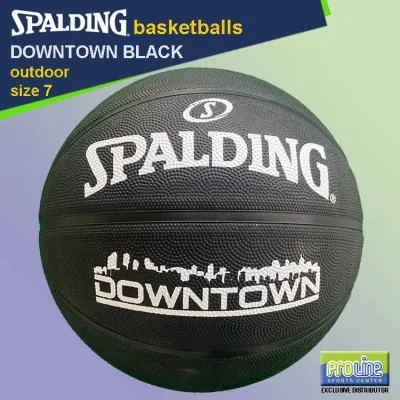
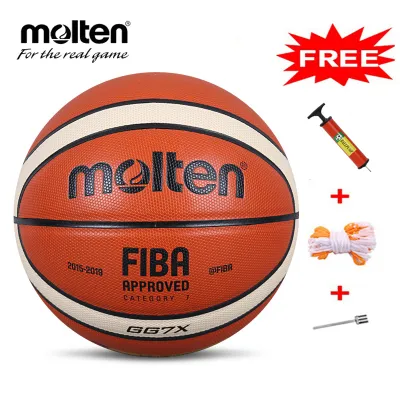
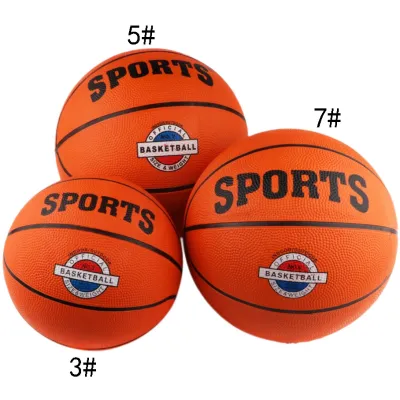
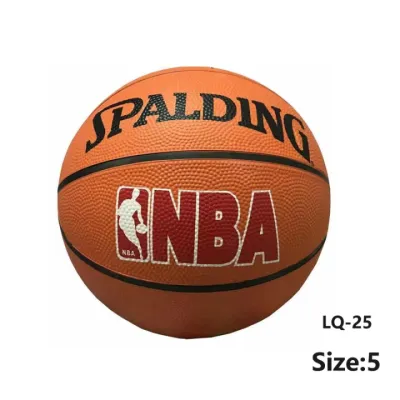
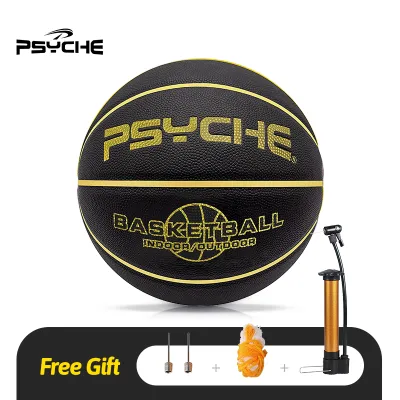
Prices are valid at publication and may change. Please refer to the product page for the latest price.
Size 6 is the official size for women’s competitive play, suitable for female players aged 9 and older. It is also the standard size for boys aged 12 to 14. Measuring approximately 28.5 inches in circumference, this size allows players with slightly smaller hands to maintain secure control and execute proper shooting form without straining.
Size 5 is designed for youth players, typically boys and girls aged 9 to 11. With a circumference of approximately 27.5 inches, this size helps young athletes build confidence, practice fundamental skills, and transition smoothly to larger sizes as they grow.
For even younger players, typically those aged 8 and under, junior sizes like Size 4 or Size 3 are recommended. These smaller, lighter balls allow toddlers and young children to practice basic coordination without the risk of injury or fatigue from handling a heavy ball.
To verify that you are purchasing the correct size, inspect the printed markings on the ball’s surface. Manufacturers usually stamp the size number, circumference, or target demographic directly onto the cover material near the inflation valve.
While age and gender brackets offer a reliable starting point, individual hand size and personal comfort should also influence your final choice. If a player struggles to grip the ball securely or maintain a proper hand release during a shot, dropping down one size temporarily can facilitate better skill acquisition.
Decoding Basketball Cover Materials
The cover material of a basketball determines its grip, tactile feel, durability, and suitability for specific playing environments. The three primary materials used in modern basketball construction are genuine leather, composite leather, and rubber.

Genuine leather covers represent the premium standard, used almost exclusively in professional indoor leagues. These balls offer a highly responsive, natural feel but require a significant break-in period, during which the stiff outer hide softens and darkens from absorbing natural hand oils. Genuine leather is highly sensitive to moisture and rough surfaces, meaning it should never be used outdoors.
Composite leather, or synthetic leather, is a highly versatile material engineered to mimic the feel of genuine leather without the premium cost or break-in time. These balls provide excellent grip and a soft feel right out of the box. Composite balls are manufactured in different grades, with some designed strictly for indoor use and others engineered with extra durability for indoor/outdoor play.
Rubber covers are the most durable and affordable option, making them the standard choice for outdoor recreational play. Rubber balls resist the abrasive friction of concrete, asphalt, and dirt, maintaining their structural integrity where leather or composite would quickly peel. While they offer excellent grip under dusty conditions, they have a firmer, less cushioned feel compared to synthetic alternatives.
Before purchasing, always check the manufacturer’s label or product specifications for the intended use. Look for explicit designations such as “Indoor Only,” “Outdoor,” or “Indoor/Outdoor” to ensure the material matches your planned playing environment.
Choosing the wrong material for your court surface leads to rapid degradation. Using an indoor-only composite or genuine leather ball on rough outdoor concrete will quickly scuff the outer layer, smooth out the pebbles, and ruin the grip, while a rubber ball used indoors may lack the refined bounce and soft touch preferred on hardwood.
Matching the Ball to Your Playing Environment
To finalize your basketball selection, you need a practical decision framework that aligns your playing habits with the correct product specifications. This process ensures you invest in a ball that performs well and lasts.
First, identify your primary court surface. If you play mostly on outdoor concrete or asphalt courts, which are common in local neighborhoods and public parks, prioritize a durable rubber or rugged indoor/outdoor composite ball. If you have regular access to polished indoor hardwood or smooth synthetic courts, an indoor-only composite or genuine leather ball is a recommended choice.
Second, confirm the official rules of the league or tournament you plan to join. Local school athletic associations, community leagues, and national governing bodies have strict regulations regarding ball size, weight, and material. Always consult the specific league rulebook, as local guidelines may override general age or gender recommendations.
Third, assess the player’s skill level and frequency of play. Beginners and casual recreational players often benefit from the affordability and durability of rubber or entry-level composite balls. Advanced players who practice regularly and compete in organized leagues will appreciate the superior grip, consistent bounce, and refined feel of high-grade composite or genuine leather.
Balancing durability and performance is key. While a premium indoor ball offers excellent tactile feedback for shooting and dribbling, its soft cover cannot survive the abrasive nature of outdoor play. Conversely, while a rubber ball is highly durable outdoors, it may feel too stiff and bouncy for competitive indoor games.
Inspecting and Maintaining Your Basketball
Once you have selected the correct basketball, proper inspection and ongoing maintenance are essential to preserve its performance, shape, and lifespan. Taking a few simple precautions can prevent premature wear and ensure a consistent bounce.
Before using a new basketball for the first time, perform a thorough visual and tactile inspection. Check the seams for any signs of peeling or loose stitching, and run your hands over the surface to ensure there are no lumps, soft spots, or manufacturing defects.
Verify the inflation level using a reliable pressure gauge. Most basketballs have the recommended inflation pressure, typically measured in pounds per square inch (psi), printed directly around the inflation valve. Over-inflating a ball can stretch the bladder, warp its shape, and cause an erratic bounce, while under-inflation makes dribbling sluggish and unpredictable.
To clean your basketball, use a soft cloth dampened with lukewarm water and a small amount of mild dish soap. Gently wipe away dirt, sweat, and dust from the channels and pebbled surface, then wipe it down with a clean, damp cloth to remove any soap residue. Always dry the ball thoroughly with a towel before storing it.
Never submerge your basketball in water or use harsh chemical solvents, abrasive cleaners, or stiff brushes, as these can degrade the synthetic adhesives and ruin the cover material. Additionally, avoid exposing the ball to extreme heat, direct tropical sunlight for extended periods, or high humidity, as extreme conditions can warp the internal bladder and cause the cover to crack or peel.
Frequently Asked Questions (FAQ)
Does the ball's weight change between different sizes?
Yes, official basketball sizes have corresponding standard weight ranges regulated by international and local governing bodies. Smaller sizes, such as Size 5 and Size 6, are engineered to be lighter than a standard Size 7 ball to accommodate the physical strength and hand sizes of younger players and female athletes. When purchasing a ball for competitive play, check the packaging or manufacturer specifications to ensure the weight meets the official criteria of your specific league.
Can I use an indoor basketball on an outdoor court?
You should avoid using an indoor-only basketball, especially one made of genuine leather or soft composite leather, on an outdoor court. Rough outdoor surfaces like concrete, asphalt, and dirt act like sandpaper, quickly wearing down the soft outer cover, smoothing out the grip texture, and damaging the seams. To protect your investment and ensure optimal performance, reserve indoor balls strictly for hardwood courts and use a dedicated rubber or durable indoor/outdoor composite ball for outdoor play.
Community discussion
Share your experience or ask a question. Comments are reviewed before publication.