
Selecting the correct basketball size is the foundation of a child’s development on the court. Using a ball that is too large or heavy can lead to frustration, joint strain, and persistent shooting habits that are difficult to correct. For parents shopping for a basketball ball for kids boys, the decision involves balancing age-based guidelines with physical growth, hand size, and the playing environment.
In the Philippines, where basketball is woven into daily life, children often start playing early on outdoor concrete courts. Ensuring they play with a ball that matches their physical capabilities keeps the game fun and safe. By matching the correct ball size to your child’s age and hand span, you set them up for proper shooting mechanics, confident ball handling, and injury-free play.
Basketball Size Chart: Matching Age to the Right Ball
To make your shopping journey easier, standard basketball sizes are categorized by age groups and developmental stages. While these guidelines are highly reliable, always consider your child’s individual height, physical strength, and hand size when making a final choice.
Products mentioned in this guide
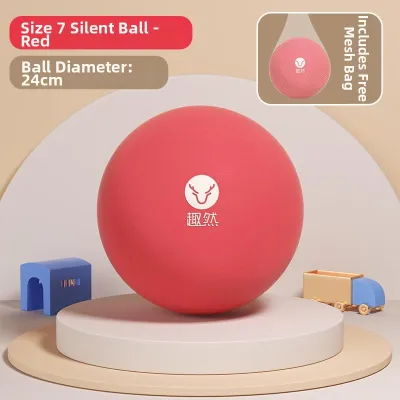
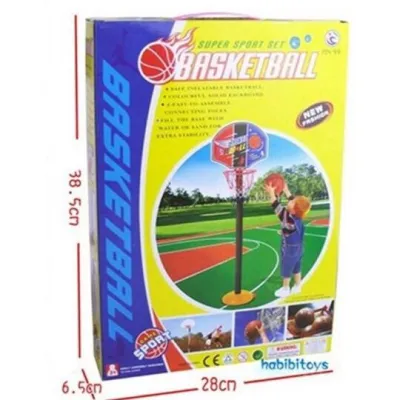
Prices are valid at publication and may change. Please refer to the product page for the latest price.
The table below provides a quick reference for choosing the correct ball size:
| Basketball Size | Recommended Age Group | Target Player | Standard Circumference | Standard Weight |
|---|---|---|---|---|
| Size 3 (Mini) | 4 to 8 years old | Toddlers & Young Children | 22 in (approx. 56 cm) | 10 oz (approx. 283 g) |
| Size 4 | 8 to 9 years old | Transitioning Youth | 25.5 in (approx. 65 cm) | 14 oz (approx. 397 g) |
| Size 5 (Youth) | 9 to 11 years old | Youth Leagues (Boys & Girls) | 27.5 in (approx. 70 cm) | 17 oz (approx. 482 g) |
| Size 6 (Intermediate) | 12 to 14 years old | Junior High Boys / Women | 28.5 in (approx. 72.4 cm) | 20 oz (approx. 567 g) |
| Size 7 (Official) | 15 years old and up | High School, College & Men | 29.5 in (approx. 75 cm) | 22 oz (approx. 624 g) |
Starting with the correct size is critical for preventing bad shooting habits. When a child is handed a ball that is too large, they lack the physical strength to launch it toward the hoop using standard form. To compensate, they often drop the ball to their chest or waist and “sling” it upward with both hands. This mechanical error can take years of coaching to correct. By using a properly sized ball, young athletes can practice the classic shooting technique with ease.
Decoding Specs: Finding the Right Basketball Ball for Kids Boys
To truly understand why size matters, we have to look closely at the technical specifications of a basketball ball for kids boys. The relationship between a ball’s circumference, weight, and a young player’s physical frame directly dictates their success on the court.

Circumference and Hand Span
A basketball’s circumference dictates how much surface area is available for a child’s hands to grip. A standard Size 5 ball features a 27.5-inch circumference, engineered to match the average hand span of a 9-to-11-year-old.
When the circumference matches the child’s hand span, they can comfortably spread their fingers across the panels. This grip is essential for fundamental skills like dribbling and passing. If the ball is too large, the child will struggle to control it, leading to frequent turnovers, double-dribbles, and a general lack of confidence during games.
Weight and Shooting Mechanics
The weight of the ball is arguably the most critical factor affecting physical safety and form. A standard Size 5 ball weighs approximately 17 ounces, whereas a full-sized adult Size 7 ball weighs 22 ounces. While a five-ounce difference might seem negligible to an adult, it represents a massive leap in physical effort for a developing child.
Attempting to shoot a heavy ball forces a child to overcompensate using their shoulders and back rather than their wrist and forearm. This awkward movement pattern puts unnecessary strain on their developing joints, potentially leading to wrist or shoulder fatigue. Furthermore, the effort required to push a heavy ball prevents them from developing a smooth, high release point, which is essential for shooting over defenders as they grow older.
Beyond Age: How to Measure Hand Size for the Perfect Fit
Age is a fantastic starting guideline, but children grow at vastly different rates. A tall 11-year-old might have the physical build of a 13-year-old, while a smaller 12-year-old might still have compact hands. To ensure a perfect fit, you can measure your child’s hands and run a few simple physical tests.
To measure your child’s hand span, follow these simple steps:
- Have your child fully extend their dominant hand, spreading their fingers as wide as comfortably possible.
- Use a flexible measuring tape to measure the distance from the tip of the thumb to the tip of the pinky finger.
- Note the measurement in inches or centimeters.
If your child’s hand span is under 6 inches, they will likely find a Size 5 ball much easier to control, even if they are technically old enough for a Size 6. For borderline cases—such as a 12-year-old boy with smaller hands—sticking with a Size 5 for another season is often the smarter choice. It is always better to master control with a slightly smaller ball than to struggle prematurely with a larger one.
You can also perform the “grip test” before making a purchase. Have your child hold the ball with one hand underneath and then try to rotate their hand to the side. If they can comfortably hold and control the ball without it slipping away, or without forcing their wrist into an awkward, strained angle, the ball is a suitable size for their current physical development.
Court Surface and Material: Choosing the Right Cover for Outdoor Play
Once you have determined the correct size, the next step is choosing the right material. In the Philippines, basketball is played everywhere, from indoor wooden courts to concrete barangay courts, outdoor parks, and paved driveways. The surface your child plays on should dictate the cover material of the ball you buy.
Here is how the three primary basketball materials compare:
- Rubber: Extremely durable and highly affordable (typically ranging from ₱300 to ₱800). Rubber balls are ideal for rough concrete and asphalt outdoor courts. They provide excellent grip even when the court is dusty or swept with tropical humidity.
- Composite (Synthetic) Leather: This material offers a softer, more professional feel that mimics genuine leather but at a fraction of the cost (usually between ₱1,000 and ₱2,500). Many composite balls are designed specifically for indoor/outdoor use, making them highly versatile. However, ensure the product label explicitly states "outdoor use" to prevent the outer panels from peeling prematurely on rough concrete.
- Genuine Leather: Reserved almost exclusively for indoor wooden courts. Genuine leather requires a break-in period and will quickly deteriorate, lose its grip, and ruin if played on outdoor concrete or exposed to moisture.
For most kids playing in local community leagues or neighborhood courts, a high-quality rubber ball or an indoor/outdoor composite leather ball is the most practical choice. These materials handle the intense heat, occasional rain splatters, and abrasive concrete surfaces of Philippine courts, ensuring the ball maintains its grip and shape over months of heavy use.
Frequently Asked Questions (FAQ)
Can my child use a smaller basketball to practice dribbling?
Yes, using a smaller basketball can actually be a highly effective training tool. Many coaches recommend using a smaller ball (such as a Size 3 or Size 5 for older kids) to run rapid dribbling drills. Because a smaller ball requires more precise hand placement and quicker hand-eye coordination, it can help sharpen ball-handling speed and finger dexterity. However, you should limit this to specific ball-handling drills. When practicing shooting, your child should always use the standard ball size designated for their age group to ensure they build the correct muscle memory for their actual gameplay.
When should a boy transition from a Size 5 to a Size 6 basketball?
A boy should typically transition from a Size 5 to a Size 6 basketball around the age of 12, or when they enter junior high school. Physical signs that your boy is ready for the transition include a significant growth spurt, increased wrist and shoulder strength, and a hand span that comfortably exceeds 6.5 inches. If he is starting to play in organized school leagues, check the league’s official rules, as most competitive divisions for ages 12 to 14 mandate the use of an intermediate Size 6 ball. Transitioning smoothly at this stage ensures they are prepared for the competitive standards of junior high sports.
Does the basketball brand affect the actual size and weight?
While all major sports brands adhere to standard size and weight regulations set by international governing bodies, minor physical variations do exist. Different brands use proprietary panel designs, varying channel depths (the black grooves on the ball), and unique grip textures. For example, a ball with deeper channels may feel slightly smaller and easier to grip for a child with smaller hands, even if its overall circumference is identical to a ball with shallow channels. When purchasing, it is always a good idea to let your child hold different brands in their hands to see which texture and channel design feels most secure and comfortable for them.
Community discussion
Share your experience or ask a question. Comments are reviewed before publication.