
Choosing the right basketball size and hoop height is one of the most important decisions you can make for your child’s athletic development. When young players use equipment designed for adults, they often develop poor physical habits to compensate for a heavy ball and a high rim. Starting with age-appropriate gear ensures that your child builds proper muscle memory, avoids unnecessary physical strain, and enjoys the game.
In the Philippines, where basketball is a daily passion played on neighborhood streets, concrete driveways, and local indoor courts, finding the right setup requires balancing growth stages with local playing conditions. Matching the ball size and rim height to your child’s physical development keeps their shooting form natural and their confidence high.
Standard Basketball Sizes for Different Age Groups
Using a basketball that is too large or heavy forces a child to push the ball from their chest or use both hands unevenly to generate enough force. This compensation leads to poor shooting mechanics that are incredibly difficult to correct later in life. It also places undue stress on developing wrists, elbows, and shoulder joints, increasing the risk of repetitive strain injuries.
Products mentioned in this guide
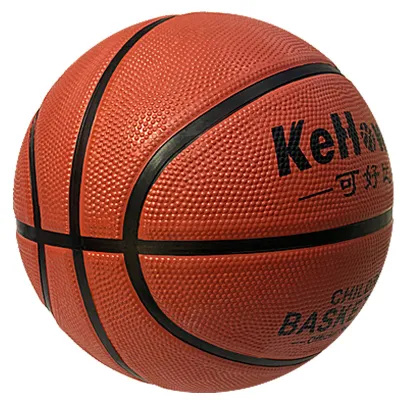
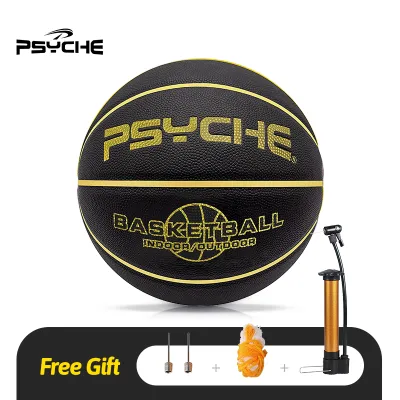
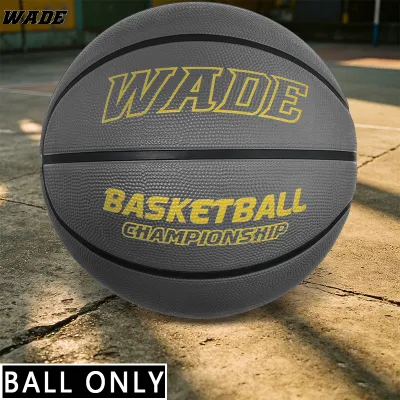
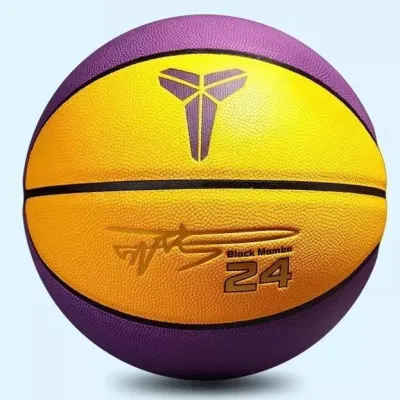
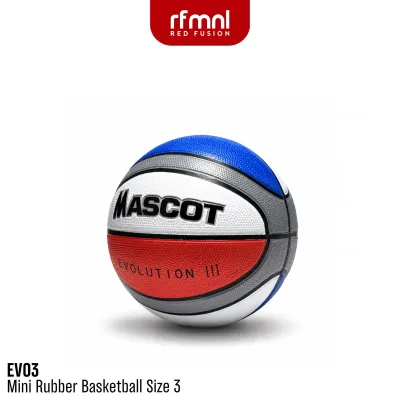
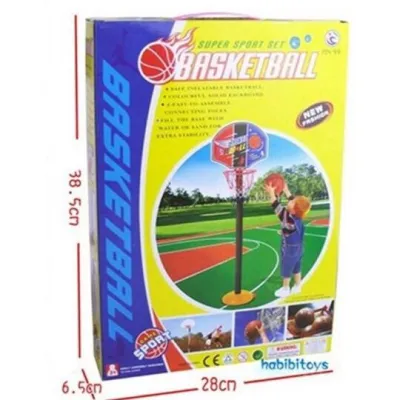
Prices are valid at publication and may change. Please refer to the product page for the latest price.
To prevent these issues, standard youth sports guidelines categorize basketballs into three primary sizes based on age and physical development:
- Size 5 (Youth): Designed for boys and girls aged 9 to 11. This ball has a circumference of approximately 27.5 inches (70 cm) and is lightweight enough for pre-teens to handle and shoot with proper form.
- Size 6 (Intermediate): Suitable for boys aged 12 to 14 and girls or women aged 12 and older. It measures about 28.5 inches (72.4 cm) in circumference. This size helps players transition toward adult-weight balls without overwhelming their upper body strength.
- Size 7 (Official): The standard size for boys and men aged 15 and older, measuring 29.5 inches (75 cm) in circumference.
Before purchasing a basketball for kids, verify the correct size by checking the manufacturer’s markings printed directly on the ball’s casing. Look for the specific size number, circumference, and weight specifications stamped near the inflation valve. Testing the ball in-store by having your child hold it with one hand underneath can also help you observe if their fingers can comfortably spread across the seams to maintain a secure grip.
Recommended Hoop Heights for Youth Development
Just as ball size must match a child’s physical frame, the height of the basketball hoop must align with their shooting range and strength. Setting a rim too high too early encourages players to fling the ball upward using their entire body, destroying any chance of developing a fluid, repeatable shooting motion. Conversely, a rim that is too low for an older child can lead to lazy habits, as they do not need to utilize their legs or core to generate upward momentum.

A gradual progression helps young players transition smoothly as they grow:
- Ages 5 to 7: Set the hoop height between 6 and 7 feet. This allows early elementary players to focus on basic hand-eye coordination and the joy of making a basket.
- Ages 8 to 10: Adjust the rim to 8 feet. At this stage, players begin to understand basic shooting form and can reach the rim without distorting their mechanics.
- Ages 11 to 12: Move the height to 9 feet. This serves as the final transitional step before playing on regulation courts.
- Ages 12 and up: Transition to the standard 10-foot regulation height.
Parents should watch for clear physical cues to determine if a hoop is set at an inappropriate height. If your child must bend their knees excessively, lean backward, or launch the ball from their waist to reach the net, the hoop is too high.
When using adjustable hoops, safety must be your primary concern. Always inspect the locking pins, counterbalance springs, or crank mechanisms before adjusting the height. Ensure the base is fully stabilized with sand or water to prevent the system from tipping over during play or under high winds, which are common during the tropical wet season.
Building the Right Practice Setup
Creating an effective home practice environment requires evaluating where your child will play and the specific demands of that environment. In the Philippines, outdoor play on concrete driveways or local paved courts is highly common. These rough surfaces quickly wear down indoor leather balls, making durable rubber or high-grade composite outdoor basketballs the practical choice. Outdoor balls are designed to resist abrasion and maintain their grip even when exposed to dust, heat, and high humidity.
If you are setting up a portable hoop outdoors, stability is critical. Portable systems rely on a heavy base to offset the weight of the backboard and rim. Filling the base with dry sand provides more weight and stability than water, and it will not leak or evaporate over time. Given the local climate’s heavy rainfall, regularly check the metal poles and brackets for signs of rust, and verify that the nylon net remains intact and has not degraded from sun exposure.
To know when it is time to transition your child to the next stage, use this practical checklist:
- Hand Size and Grip: Can your child comfortably control the ball with one hand while dribbling, or does it constantly slip away?
- Shooting Form: Does your child maintain a consistent, fluid release from their forehead or shoulder, or are they reverting to pushing the ball?
- League Rules: Is your child preparing to enter a school or community league that uses a specific ball size and hoop height?
- Physical Growth: Has your child experienced a growth spurt that makes their current hoop height look visibly too low or easy?
Frequently Asked Questions (FAQ)
When should my child switch to a larger basketball?
Your child is likely ready to switch to a larger basketball when they display effortless ball handling with their current size and their hands have grown large enough to easily grip the seams. Another key indicator is an upcoming transition in their local youth league, as you want them to practice with the official size they will use in games. Before fully committing to a larger ball, have your child test it by practicing basic dribbling and short-range shooting. If they can maintain their control and shooting form without straining their wrists, they are ready for the upgrade.
Is it safe to use a standard 10-foot hoop for young beginners?
While it is not immediately dangerous if supervised, practicing on a standard 10-foot hoop is highly discouraged for young beginners. Attempting to shoot at a regulation-height rim before developing sufficient upper body and core strength forces children to adopt poor mechanical habits, such as throwing the ball with two hands from the chest. These habits are incredibly difficult to break later on. Using an adjustable hoop set to a lower, age-appropriate height allows beginners to build confidence, experience success, and develop the correct muscle memory needed for long-term skill progression.
Community discussion
Share your experience or ask a question. Comments are reviewed before publication.