
Choosing the right picnic tent in the Philippines requires matching the shelter’s design to your specific outdoor destination. A sunny weekend at a sandy beach in Batangas demands vastly different gear than a relaxed afternoon under the trees at a park in Quezon City. While both settings offer excellent opportunities to unwind, the physical challenges of shifting sand, coastal winds, hard-packed soil, and tropical humidity mean that a tent built for one environment might fail in the other. By focusing on key features like anchoring systems, ventilation, and fabric ratings, you can select a shelter that keeps your family cool, dry, and secure.
Core Differences Between Beach and Park Picnic Environments
To choose the right picnic tent, you must first understand how coastal and inland environments differ. The most immediate contrast is the ground surface. Beaches present shifting, loose sand that offers almost no resistance to standard tent pegs. In contrast, parks typically feature solid grass, clay, or compacted dirt, which hold traditional stakes firmly but can be difficult to penetrate without sturdy tools.
Wind patterns also vary dramatically between these locations. Coastal areas are prone to sudden, strong sea breezes and unpredictable gusts that can easily collapse or lift a poorly anchored shelter. Parks, while still subject to wind, are generally sheltered by surrounding trees, buildings, and natural topography, resulting in gentler, more predictable air currents.
Products mentioned in this guide
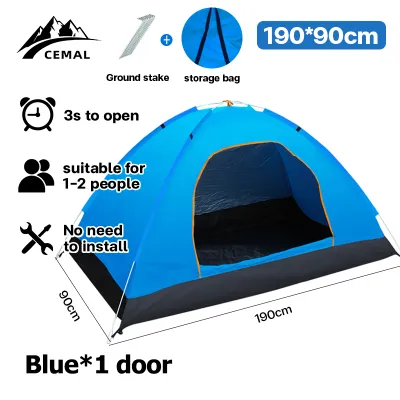
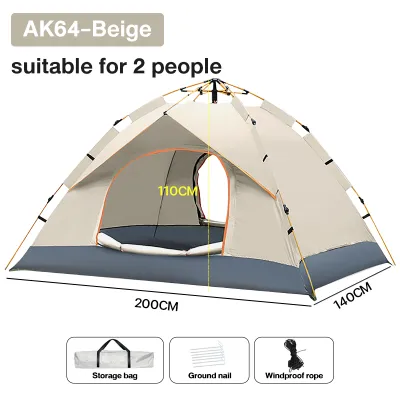
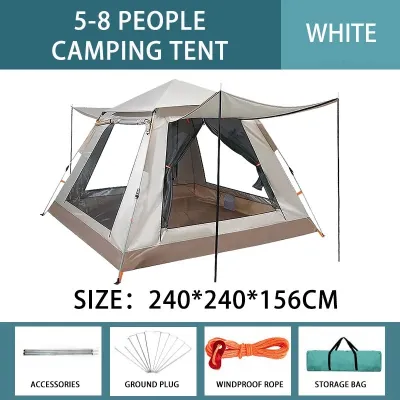
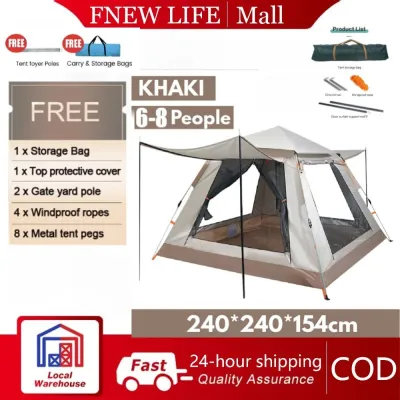
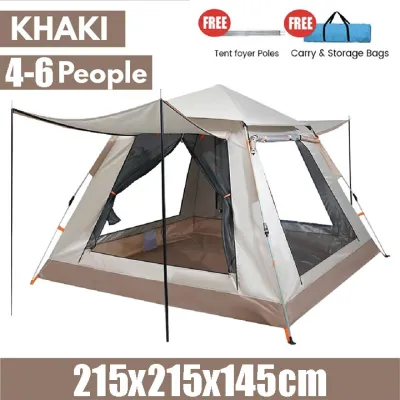
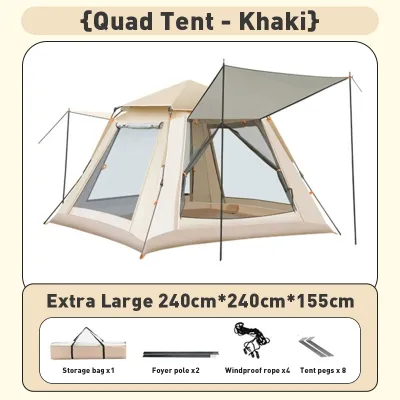
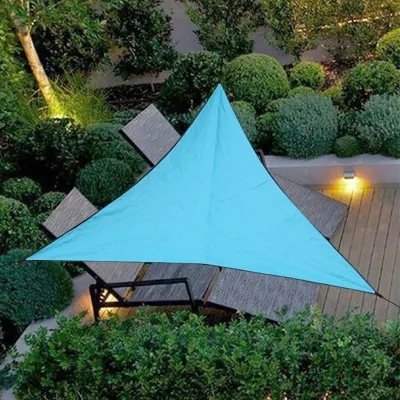
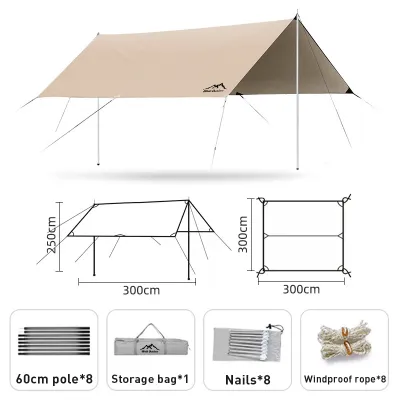
Prices are valid at publication and may change. Please refer to the product page for the latest price.
Finally, sun exposure and natural shade differ significantly. Beachgoers often face intense, direct sunlight with zero natural canopy, making high-quality UV protection and heat management critical. Park visitors can often pitch their tents under the shade of large trees, meaning their primary concerns shift from constant sun blockage to managing ambient humidity and ground moisture.
Essential Features for Beach Picnic Tents
When heading to the coast, your picnic tent must be specifically engineered to handle sand, wind, and intense tropical heat. The anchoring system is the most critical feature for beach safety. Standard thin metal pegs will pull out of loose sand with the slightest breeze. Instead, look for tents that feature built-in sand pockets along the outer base. These pockets can be filled with heavy sand to weigh the structure down. Additionally, verify if the tent includes wide, screw-like plastic sand pegs or specialized soft-ground anchors that grip loose particles.

Ventilation is another non-negotiable feature for beach comfort. The combination of direct tropical sun and high humidity can turn an enclosed tent into an oven within minutes. Opt for designs with large mesh windows, open-front configurations, or 360-degree ventilation paths. This allows the sea breeze to pass completely through the structure, keeping the interior cool while preventing the tent from acting like a sail and catching the wind.
Sun protection requires careful label checking. Do not rely on the thickness of the fabric alone to block harmful rays. Look for product specifications that explicitly state a UPF (Ultraviolet Protection Factor) rating, preferably UPF 50+. This indicates the fabric has been treated to block a significant portion of UV radiation, protecting your skin during long hours by the water.
Lastly, consider portability and sand resistance. Beach tents should feature smooth, tightly woven synthetic fabrics like polyester or nylon that allow sand to slide off easily rather than getting trapped in the fibers. Look for models with minimal interior crevices and zippered doors that seal tightly to keep blowing sand out of your food and personal belongings.
Key Features for Park Picnic Tents
Park picnics present a different set of challenges that require distinct tent features. Because park ground consists of soil, grass, and sometimes rocky dirt, your primary anchoring need is a set of strong, thin metal or heavy-duty plastic pegs. These stakes must be durable enough to be driven into hard ground without bending or breaking.
Space and layout are highly valued in park settings, where groups often gather for extended meals, board games, or afternoon naps. Look for tents with a larger footprint and higher ceilings that allow adults to sit upright comfortably. A spacious interior provides ample room to store cooler boxes, picnic blankets, and backpacks away from the elements.
Insects are a major consideration in grassy, shaded park environments, especially during humid afternoons in the Philippines. A fully enclosed tent with high-density mesh doors and windows is essential to keep mosquitoes, ants, and flies away from your food and family. Ensure the mesh is fine enough to block tiny insects while still allowing a gentle breeze to circulate.
Floor durability is another key factor. Park grass often holds morning dew or moisture from recent tropical rains. To prevent water from seeping through the bottom of your tent, verify the groundsheet’s material thickness and look for waterproof ratings, often measured in millimeters (such as a 1,500mm or 2,000mm water column rating). A thick, waterproof polyethylene or heavy polyester floor ensures your seating area remains dry and comfortable.
Cross-Scenario Compatibility: Can One Tent Do Both?
For many outdoor enthusiasts, purchasing separate tents for the beach and the park is neither practical nor budget-friendly. Fortunately, finding a hybrid picnic tent that performs acceptably in both environments is highly achievable if you know what trade-offs to expect.
To find a versatile dual-use tent, look for models that offer interchangeable anchoring systems. A great hybrid tent will feature both sand pockets for the beach and heavy-duty metal pegs for park soil. It should also have adjustable ventilation panels—such as zippered fabric flaps over mesh windows—allowing you to seal the tent to keep out park bugs or open it completely to catch coastal sea breezes.
However, casual users must weigh the trade-offs of a multi-purpose design. A hybrid tent may be slightly heavier to carry than a minimalist beach sunshade, and it might not offer the absolute insect protection of a fully sealed park dome tent.
Before taking a single tent to both locations, use this quick compatibility checklist:
- Does the tent include both sand-anchoring options and hard-ground pegs?
- Can the windows be fully zipped shut to block rain and bugs, or fully opened to maximize airflow?
- Is the floor material thick enough to resist damp grass while remaining easy to shake free of beach sand?
- Does the structure feature aerodynamic lines or sturdy guy lines to handle sudden coastal gusts?
Setup and Safety Checks for Different Terrains
Regardless of which picnic tent you choose, proper setup and safety checks are vital to ensure a successful day outdoors. Before pitching your tent, conduct a thorough pre-pitch inspection of the immediate ground area. On the beach, look out for sharp broken shells, buried driftwood, or marine debris that could puncture the tent floor. In a park, clear away exposed tree roots, sharp rocks, and dry twigs that could damage the fabric or cause discomfort when you sit down.
Tensioning your tent correctly is the next step. On sandy shores, fill the sand pockets completely and bury your sand anchors deep into the damp sand layer for maximum hold. Adjust the guy lines so there is even tension across the entire frame; over-tightening can warp the poles, while under-tensioning allows the wind to flap the fabric violently, weakening the seams. In a park, drive your metal stakes into the ground at a 45-degree angle pointing away from the tent to ensure they do not pull loose under tension.
Finally, always monitor local weather conditions. Tropical weather in the Philippines can change rapidly. If you observe sudden dark clouds, a rapid drop in temperature, or escalating wind speeds, prepare to pack up. Coastal squalls can easily overpower lightweight beach shelters, while park thunderstorms bring the risk of falling tree branches and lightning. Knowing when to safely dismantle your shelter is the ultimate key to outdoor safety.
Frequently Asked Questions (FAQ)
Do I need a specific type of tent for beach picnics?
While you do not strictly need a beach-specific tent, using a standard park tent on the beach can be highly frustrating. Standard park tents rely on thin metal pegs that easily pull out of loose sand, leaving your shelter vulnerable to being blown away by coastal winds. Beach-specific tents are designed with sand pockets, specialized wide pegs, and open ventilation layouts that handle intense sun and sea breezes much better than enclosed camping models.
How can I improve ventilation in a park picnic tent?
To maximize airflow in a park tent, position the main doors and mesh windows parallel to the direction of the local breeze. Keep all mesh panels fully unzipped while keeping the bug screens closed to maintain insect protection. Additionally, try to pitch your tent in the natural shade of large trees to prevent the sun from heating up the fabric, and avoid placing the tent in low-lying areas where humid air tends to settle.
Community discussion
Share your experience or ask a question. Comments are reviewed before publication.