
A beginner gymnastics equipment set for kids should be selected strictly by age, physical size, and skill level, prioritizing a high-density folding mat as the foundation before adding age-appropriate balance beams or bars. Investing in the wrong gear too early can hinder skill development and introduce unnecessary safety risks. By matching the equipment to your child’s developmental stage, you can create a safe, engaging, and productive home practice environment.
Before purchasing any home gymnastics gear, always read the manufacturer’s labels and the treated item’s safety instructions. If instructions conflict with your home setup, or if you are unsure of the equipment’s suitability, stop use immediately and consult a certified gymnastics coach or structural professional.
Assessing Readiness and Space Before Buying Gymnastics Gear
Determining whether your child is ready for home gymnastics equipment requires observing their daily movement patterns. Children who are genuinely interested in the sport often demonstrate active, repetitive behaviors. You might notice them constantly attempting forward rolls on the living room rug, practicing balances along outdoor curbs, or mimicking routines they have seen in classes or online. If their interest is purely passive, it may be wiser to wait before investing in dedicated gear.
Products mentioned in this guide
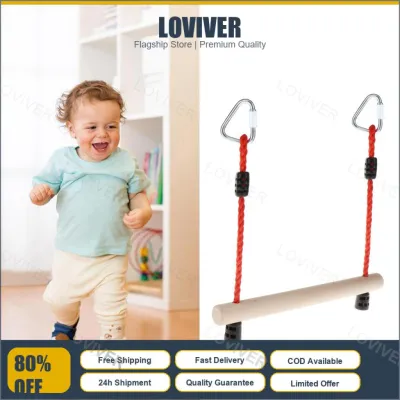
![[COD]ZMONH Children Horizontal Pull-Up Bar Adjustable 2 Hanging Straps Gymnastic Rings Training Set for Indoor Home Exercise](https://img.lazcdn.com/g/p/db383d683794e4fd91e2fcb6cd172b45.jpg_400x400q80.jpg_.webp)

Prices are valid at publication and may change. Please refer to the product page for the latest price.
Evaluating your available physical space is the next critical step. You must measure the clear floor area to ensure it can accommodate a standard folding mat, which typically requires a flat surface of at least 6 to 8 feet in length. Additionally, you need to maintain a clear safety buffer zone of at least 3 to 4 feet on all sides of the equipment. Check your ceiling height carefully; low-hanging ceiling fans, light fixtures, or decorative beams pose severe hazards if a child is jumping or practicing bar skills.
Environmental conditions play a significant role in equipment safety and longevity, particularly in the tropical climate of the Philippines. High humidity levels can trap moisture beneath vinyl covers and inside foam cores, leading to rapid material degradation, mold, and unpleasant odors. If you are setting up gear on polished tile or smooth concrete floors, which are common in local households, you must also account for the lack of natural traction. Slippage can cause serious falls, making a stable setup a top priority.
Finally, establish a clear baseline decision regarding the purpose of home gear. Home equipment is designed solely for basic physical conditioning, flexibility training, and the repetition of simple, low-risk skills. It is not a replacement for professional coaching, spotted instruction, or the specialized safety systems found in a certified gymnastics facility. Understanding this boundary ensures your child practices safely within their actual ability limits.
Age-Based Equipment Breakdown for Beginner Gymnasts
Selecting the right gymnastics gear requires matching the equipment’s physical dimensions and structural limits to your child’s current development. Buying a massive, multi-piece set upfront is rarely necessary or safe. It is far more practical to start with a single foundational piece and expand the set as your child’s skills and physical strength progress.

Toddlers and Preschoolers (Ages 2–5): Motor Skills and Safe Exploration
At this developmental stage, physical activity centers on gross motor skills, balance, and spatial awareness. The ideal home setup is highly forgiving, focusing on play-based exploration rather than technical precision.
- Core Items: A thick, folding tumbling mat (typically 2 inches thick with soft polyurethane foam) is the central piece of this setup. Pair this with lightweight foam wedges, also known as incline mats, or soft play shapes. These pieces allow toddlers to practice rolling, climbing, and sliding on a highly cushioned surface.
- What to Avoid: Do not purchase elevated balance beams, rigid metal training bars, or any equipment that requires complex mounting. Young children lack the grip strength, coordination, and fall-recovery reflexes required for elevated apparatuses, making them high-risk.
- Skill Focus: Activities should be limited to simple forward rolls, log rolls, bear crawls, and basic jumping. The goal is to build physical confidence, core stability, and overall body coordination.
- Selection Criteria: Prioritize lightweight, easily storable items covered in non-toxic, phthalate-free vinyl that can be wiped clean easily. Ensure the pieces are easy to pack away when not in use to protect them from household dust and humidity.
Early School Age (Ages 6–9): Balance and Basic Tumbling
Children in this age bracket are developing better core strength, balance, and unilateral coordination. They can transition to structured, low-to-the-ground equipment that mimics real gym apparatuses.
- Core Items: A high-density polyethylene (EPE) foam folding mat is necessary to provide a firm, stable surface for tumbling. You can introduce a low floor beam (typically 4 to 6 inches off the ground) covered in a slip-resistant, suede-like fabric. A junior kip bar with an adjustable height can also be added, provided it features a wide, stable base.
- Skill Focus: This setup supports practicing cartwheels, handstands, basic beam walks, donkey kicks, and introductory bar skills like pullovers or casts.
- Selection Criteria: Always verify the manufacturer's maximum weight limit, especially for training bars and beams. Look for adjustable-height bars that can be secured with safety lock pins so the equipment can grow with your child. The tumbling mat must be firm enough that the child’s wrists and ankles do not sink deeply into the foam during high-impact push-offs.
Pre-Teens (Ages 10–12): Technique Refinement and Strength
Older beginners require equipment that can withstand greater forces, higher body weights, and faster movements. Portability becomes secondary to structural stability.
- Core Items: A multi-panel, high-density EPE folding mat (at least 2 inches thick) is essential. A slightly elevated balance beam (around 12 inches high with stabilizing legs) and a heavy-duty, adjustable training bar with solid steel or fiberglass rails are appropriate for this group.
- Skill Focus: Pre-teens will use this gear for conditioning, strength training (such as leg lifts and pull-ups), refining tumbling connections, and practicing precise beam routines.
- Selection Criteria: Prioritize heavy steel frames with wide base extensions and non-slip rubber end caps. If the manufacturer specifies that the training bar must be anchored to the floor or weighted down with sandbags, these instructions must be followed strictly. Look for beams with a solid wood or composite core wrapped in competition-grade suede to prevent slipping.
Home Setup Safety Checklist and Maintenance Rules
Safety must be the primary consideration when setting up a home training space. Before every practice session, perform a thorough physical inspection of all equipment. Check vinyl covers for tears that could catch a toe, inspect foam for soft spots or permanent indentation, and verify that all bolts, knobs, and locking pins on bars are tightly secured.
The placement of your equipment dictates its safety. Ensure that tumbling mats extend at least 4 to 6 feet beyond the ends and sides of any bar or beam to serve as a sufficient fall zone. If your home has polished tile, wood, or smooth concrete flooring, place a high-grip rubber underlay beneath your mats to prevent them from sliding during dynamic movements.
Establish clear house rules for equipment use. Children must never practice advanced flips, aerials, or complex releases at home. A parent or responsible adult must actively supervise all training sessions. Practice must stop immediately if the child shows signs of fatigue, as tired muscles lead to poor form and increased injury risk.
Always read and adhere to the manufacturer’s product manual regarding weight limits, assembly, and usage constraints. Never modify the equipment—such as using homemade extensions to raise a bar or stacking unstable cushions to increase height—as this compromises structural integrity and voids any manufacturer warranties.
Purchasing Mistakes to Avoid and Signs It Is Time to Upgrade
One of the most common purchasing mistakes is buying professional-grade, high-elevation equipment for home use. These items are designed for spotted training over deep foam pits and are highly dangerous in a standard home environment. Another common error is substituting proper high-density gymnastics mats with thin yoga mats, interlocking foam play tiles, or old household mattresses, none of which provide the correct balance of impact absorption and surface firmness.
You will know it is time to upgrade or transition when your child’s physical size or skill level begins to push the limits of their current gear. If the training bar shakes excessively during basic movements, if their feet touch the floor when hanging from the bar at its highest setting, or if they require a firmer surface for faster tumbling connections, the equipment is no longer safe or effective.
When your child progresses to complex skills such as back handsprings, tucks, or advanced bar releases, you must stop expanding your home setup. These skills require the safety infrastructure of a professional gymnastics club, including spring floors, overhead spotting rigs, foam pits, and certified coaches who can physically spot the child safely.
Frequently Asked Questions (FAQ)
Can I use a regular mattress instead of a gymnastics mat?
No, regular mattresses are unsafe for gymnastics. They are designed for sleep and lack the structural firmness required to support wrists and ankles during landing or tumbling. Landing on a soft, uneven mattress surface significantly increases the risk of sprains, fractures, and neck injuries.
How do I maintain gymnastics mats in a humid environment?
In humid tropical climates, wipe down vinyl covers after every use with a damp cloth and mild, non-abrasive soap, then dry them completely. Keep the room well-ventilated, and avoid storing mats directly on damp floors. Never leave mats in direct sunlight for extended periods, as UV rays degrade the vinyl and break down the internal foam.
At what point should my child stop practicing advanced skills at home?
Your child must stop practicing skills at home as soon as they attempt any aerial movements, flips, or complex bar releases. Home equipment is designed only for basic linear tumbling, conditioning, and flexibility. Advanced skills require professional coaching, spotting, and specialized safety gear like spring floors and foam pits.
Community discussion
Share your experience or ask a question. Comments are reviewed before publication.