
Starting your martial arts journey is an exciting step, but walking into a gym for the first time does not require carrying a massive duffel bag filled with expensive, professional-grade equipment. The most effective approach for any beginner is to focus strictly on safety, hygiene, and basic utility, delaying any major financial investments until you have established a consistent training routine. By prioritizing a few non-negotiable protective items and understanding what your specific gym provides, you can keep your initial costs low while ensuring you are fully protected during your first few weeks on the mats or in the ring.
Assessing Your Training Style and Gym Requirements
Before purchasing any martial arts gear, you must evaluate the specific demands of your chosen discipline and the rules of your training facility. Striking arts like boxing, Muay Thai, and kickboxing require immediate investments in hand and impact protection to safeguard your joints and sparring partners. In contrast, grappling arts such as Brazilian Jiu-Jitsu (BJJ) or Judo focus on body contact and leverage, making durable, form-fitting apparel and hygiene-focused gear your primary concern. Mixed Martial Arts (MMA) combines both worlds, requiring a hybrid set of gear that allows for both gripping and striking.
Every gym operates under its own set of guidelines regarding uniforms and equipment. Some BJJ academies strictly mandate specific Gi colors, such as white or royal blue, and may require official school patches to be sewn onto your uniform before you can step onto the mat. Striking gyms often have rules regarding the minimum weight of sparring gloves or may require specific brands for safety compliance.
Products mentioned in this guide
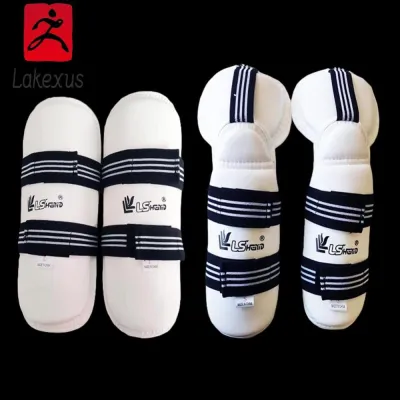
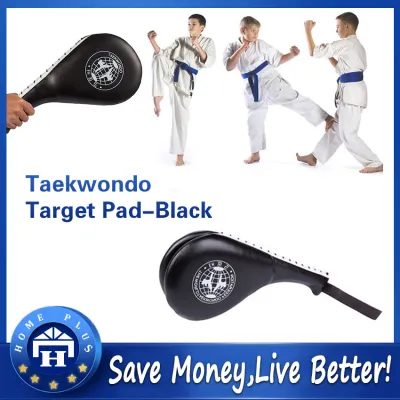
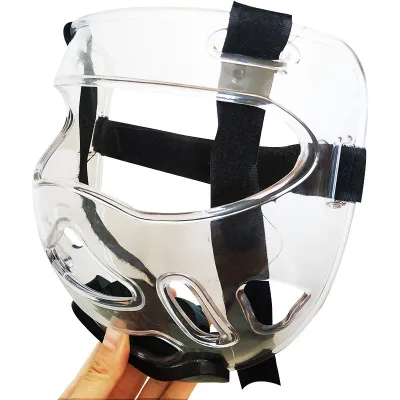
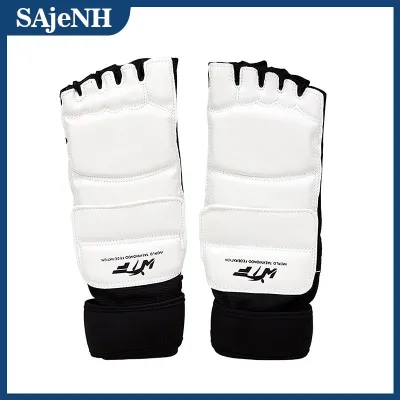
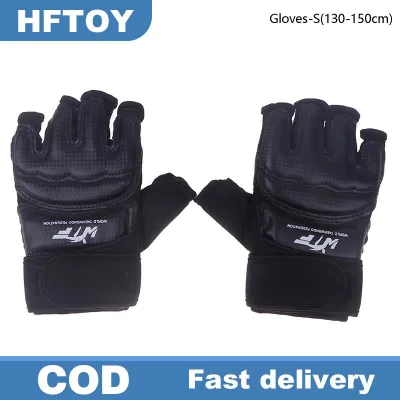
![[COD] CISWGE SPORTS Taekwondo Leather Foot Gloves Sparring Karate Ankle Protector Guard Gear Boxing Martial Arts Foot Guard Sock Adult Kid](https://img.lazcdn.com/g/p/3dfa4af94861e26435826e7b9ee41458.jpg_400x400q80.jpg_.webp)
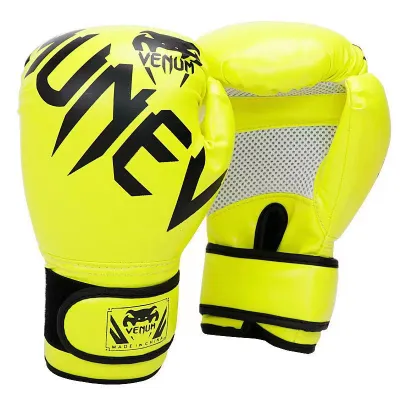
Prices are valid at publication and may change. Please refer to the product page for the latest price.
Additionally, many facilities provide communal gear, such as heavy bags, kick pads, and Thai pads, which means you do not need to purchase these large, expensive items yourself. Before spending any money, speak directly with your coach or gym administrator to obtain a list of mandatory gear and find out which items are provided for shared use. This simple step prevents redundant purchases and ensures your new gear complies with local gym standards.
Absolute Essentials: Gear You Need on Day One
Your very first purchases must focus entirely on personal hygiene and basic impact protection. While you can often borrow large training pads from your gym, sharing personal protective equipment that comes into direct contact with sweat, saliva, or skin is a significant health risk. Investing in your own personal safety kit from day one ensures you remain healthy, clean, and ready to train without relying on worn-out communal items.

Hand Protection and Wraps
If your training involves punching bags, pads, or partners, protecting the delicate bones in your hands and wrists is paramount. Traditional cotton hand wraps are the industry standard, offering customizable support for your knuckles and wrist joints. While they require some practice to wrap correctly, they provide superior structural stability compared to quick-gel slip-on wraps, which often lack adequate wrist support and can shift during heavy impact.
When selecting your first pair of training gloves, focus on weight and closure systems rather than aesthetic designs. For general bag work and pad drilling, beginners typically start with 12-ounce or 14-ounce gloves, depending on body weight and gym recommendations. Velcro closures are highly recommended for beginners because they allow you to put on and take off your gloves independently, whereas lace-up gloves require assistance from a coach or training partner.
To ensure a proper fit, avoid relying on generic small, medium, or large labels, which vary significantly between manufacturers. Instead, use a flexible measuring tape to measure your hand circumference just below the knuckles, excluding the thumb. Compare this measurement directly to the manufacturer’s specific sizing chart to find a glove that fits snugly over your wrapped hands without cutting off circulation. In hot and humid tropical climates, choosing gloves with mesh palms or ventilation holes will help manage moisture and prevent rapid material degradation.
Oral and Groin Protection
Preventing dental and soft-tissue injuries should be a top priority from your very first live drilling session. A high-quality boil-and-bite mouthguard is an affordable and highly effective option for beginners. When properly molded in hot water, these guards conform to your teeth, allowing you to breathe and communicate clearly with your coach without the guard falling out of place. While custom-fitted mouthguards from a dentist offer the highest level of protection, a well-molded boil-and-bite guard is more than sufficient for your first year of training.
Groin protection is equally critical, though the structural requirements differ between striking and grappling arts. For striking disciplines, a traditional hard-shell cup held in place by a classic jockstrap or specialized compression shorts provides robust protection against accidental low kicks. For grappling arts like BJJ, a flexible or low-profile cup is often preferred, as rigid metal or hard plastic cups can cause discomfort to your training partners during close-contact transitions on the mat.
Before every training session, perform a quick physical inspection of your protective gear. Check your mouthguard for deep teeth marks, thinning walls, or tears that indicate the material has degraded and can no longer absorb impact. Inspect your groin guard for cracks in the plastic shell or frayed elastic bands that could cause the cup to shift during movement. Replacing compromised protective gear immediately is essential to avoid preventable injuries.
Discipline-Specific Additions: BJJ, MMA, and Striking
Once you transition from basic introductory classes to discipline-specific drilling, you will need to expand your gear collection. It is highly advisable to wait until you have committed to a specific style before purchasing these items, as the requirements are highly specialized. Buying competition-grade gear too early often results in wasted money on features you do not yet need or cannot use under beginner training rules.
Grappling and BJJ Essentials
If you choose to focus on Brazilian Jiu-Jitsu, your wardrobe will depend heavily on whether your gym trains in Gi or No-Gi formats. For Gi training, you will need a dedicated BJJ Gi, which is specifically reinforced to withstand heavy pulling and friction, unlike lighter karate or taekwondo uniforms. Look for a medium-weight weave, such as a single weave or pearl weave, which offers a balance of durability and breathability in warm training environments. Always check the gym’s policy on color and patch placement before buying.
For No-Gi grappling, you will need form-fitting rash guards and specialized fight shorts. Rash guards protect your skin from mat burn and reduce the transmission of skin infections, which thrive in warm, humid training environments. Ensure your rash guards have flatlock stitching and a silicone waistband to prevent them from riding up during rolling. Your fight shorts should be free of external pockets, zippers, or metal eyelets, which can injure your training partners or snag on the mats.
Hygiene is the most critical aspect of grappling, making mat-specific hygiene products essential. Many gyms require practitioners to shower immediately after training using antimicrobial soaps or specialized body washes designed to wash away sweat-borne bacteria. Keeping a dedicated gear spray or disinfectant in your gym bag helps keep your training gear clean and free of unpleasant odors between washes.
Striking and MMA Specifics
For those pursuing Muay Thai, kickboxing, or MMA, sparring and advanced drilling require specialized protective equipment. Shin guards are essential for protecting your shins and insteps when kicking pads or sparring partners. Look for shin guards with high-density foam padding, secure hook-and-loop strapping systems that prevent twisting, and full instep coverage to protect the small bones in your feet.
If you are training in MMA, you will eventually need specialized MMA grappling gloves in addition to your standard boxing gloves. These gloves feature an open-palm design and individual finger slots, allowing you to transition seamlessly from striking to grappling and submissions. They have significantly less padding than boxing gloves, typically weighing around 4 to 6 ounces, and should never be used for heavy sparring unless specifically instructed by your coach.
Headgear is another consideration for sparring, though many beginner classes do not require it immediately. If your gym mandates headgear, prioritize options that offer a wide field of vision and cheek protection without slipping during movement. Ensure the headgear fits snugly without compressing your temples, and always verify that it complies with your gym’s specific sparring safety standards.
What to Skip: Common Beginner Purchasing Mistakes
One of the most common mistakes beginners make is purchasing professional-grade, high-end equipment before they have established a consistent training habit. Professional fight gloves, custom-embroidered uniforms, and specialized training weapons are expensive and completely unnecessary for learning basic techniques. Investing in top-tier gear does not accelerate your skill development, and many beginners find that their preferences change after a few months of consistent training.
Another frequent error is buying multiple pairs of gloves for different training modalities right away. You do not need separate gloves for heavy bag work, pad drilling, and light sparring when you are just starting out. A single pair of high-quality, 14-ounce or 16-ounce all-purpose training gloves is sufficient for all beginner activities, saving you money and reducing the weight of your gym bag.
Finally, avoid the temptation to purchase cheap, unbranded protective gear from general online marketplaces. While these items may look identical to reputable brands, they often lack verifiable impact-absorption specifications and use low-grade foam that degrades rapidly under pressure. Using substandard protective gear increases your risk of hand, wrist, or facial injuries, making it a poor investment in the long run.
How to Build Your Starter Kit on a Budget
Building a functional martial arts starter kit does not have to break the bank if you allocate your budget strategically. Direct the majority of your funds toward high-impact protection, specifically your gloves and mouthguard, where safety cannot be compromised. You can save money on apparel, such as basic training t-shirts and shorts, which do not require specialized safety certifications.
When shopping for entry-level gear in the Philippines, look for reputable sports retailers that offer a solid balance of price and durability. A reliable pair of entry-level training gloves typically ranges from ₱1,500 to ₱3,000, while a high-quality boil-and-bite mouthguard can be found for ₱500 to ₱1,200. Investing in these price ranges ensures you receive gear made with durable synthetic leather and multi-layered foam padding that will last through your first year of consistent training.
If you are considering second-hand gear to save money, you must exercise extreme caution. While you can safely purchase used training apparel, Gi uniforms, or focus mitts after a thorough washing, certain items must never be bought second-hand. Used mouthguards, groin cups, and headgear pose significant hygiene risks and may have hidden structural damage, such as compressed foam or micro-cracks, that compromises their protective capabilities. Always buy these personal safety items brand new to ensure your safety on the mats.
Frequently Asked Questions (FAQ)
Can I use regular running shoes for martial arts training?
Most traditional martial arts, BJJ, and MMA are practiced entirely barefoot to ensure optimal mat grip, facilitate proper footwork, and prevent toe injuries. Wearing running shoes on training mats is generally prohibited because the heavy treads can damage the mat surface and carry outdoor dirt and bacteria onto the training area. Additionally, training barefoot helps build foot strength and ankle stability, which are crucial for balance and power generation.
There are specific conditions where specialized footwear is appropriate, such as wrestling or certain striking disciplines that allow mat shoes. If you have a foot injury or require additional arch support, consult your coach about using dedicated wrestling shoes or indoor-only mat shoes. Always ensure these shoes are kept spotlessly clean and are never worn outside the training area to maintain gym hygiene standards.
How often should I replace my beginner martial arts gear?
The lifespan of your martial arts gear depends on your training frequency, intensity, and how well you maintain it, rather than a fixed calendar date. You should perform regular visual and tactile checks on your equipment to identify signs of wear. For gloves, feel the padding over the knuckles; if the foam feels soft, lumpy, or bottomed out, or if the Velcro straps no longer hold securely, it is time for a replacement.
Mouthguards should be replaced immediately if you notice deep teeth marks, thinning walls, or if the guard no longer stays snugly on your upper teeth without biting down. Groin cups must be inspected for any hairline cracks in the plastic shell or degradation of the protective foam edge. In tropical climates, the high humidity can accelerate material breakdown and bacterial growth, making proper drying and regular inspections even more critical to your safety.
Community discussion
Share your experience or ask a question. Comments are reviewed before publication.