
Starting your roller skating journey is exciting, but stepping onto eight wheels for the first time can feel incredibly unstable. To get rolling safely, you do not need to buy every accessory on the shelf. The only immediate, absolute essentials are a pair of supportive roller skates, a certified helmet, wrist guards, knee pads, and elbow pads. Focusing your initial budget on these core items keeps you protected while preventing unnecessary spending on accessories you can easily do without during your first few months.
The Non-Negotiables: Must-Have Gear for Roller Skate Beginners
When you are learning to balance, fall, and glide, your choice of protective equipment directly affects your confidence and safety. Investing in the right gear for roller skate setups ensures that your early sessions are defined by fun rather than painful injuries.
Supportive Roller Skates Your skates are the foundation of your entire experience. For beginners, the primary focus must be on ankle support, a secure closure system, and a proper fit rather than high-end, lightweight materials. Look for boots with a stiff ankle structure—often made of thick vinyl, synthetic leather, or reinforced canvas—which prevents your ankles from rolling inward or outward as you find your balance. Secure closure systems, such as a combination of traditional laces and locking ankle buckles, keep your feet firmly locked into the heel pocket. When trying them on, your toes should feather the front of the boot without being cramped or bent. Avoid buying skates that are too large with the expectation of “growing into” them, as loose boots lead to blisters, poor control, and ankle strain.
Products mentioned in this guide
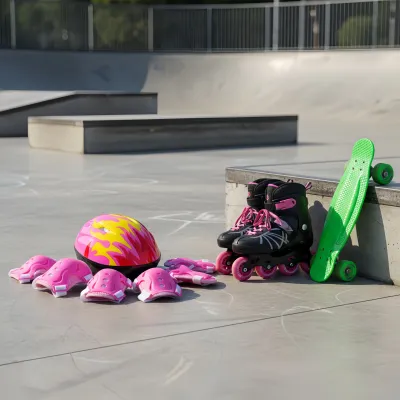
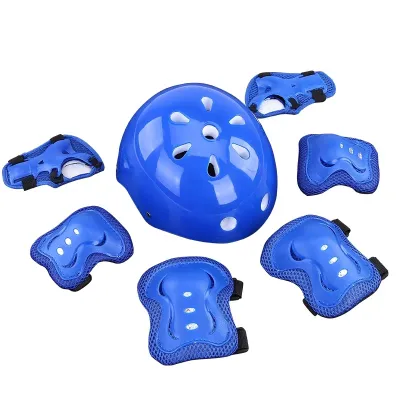
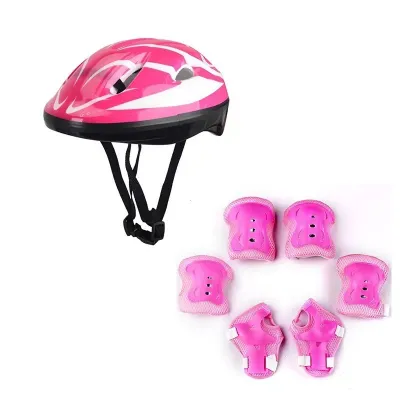
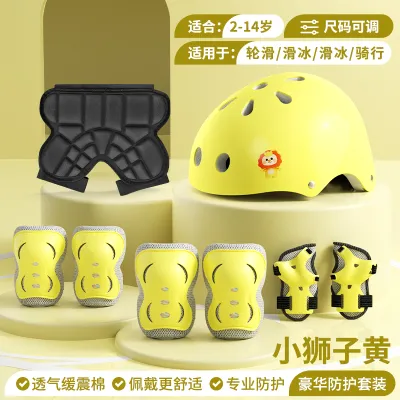
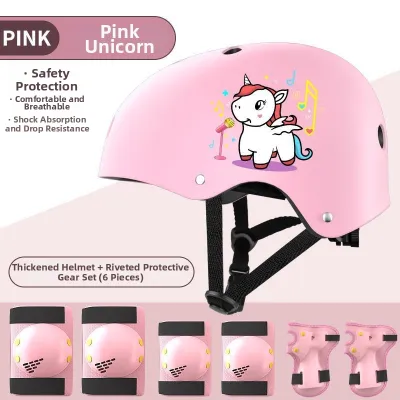
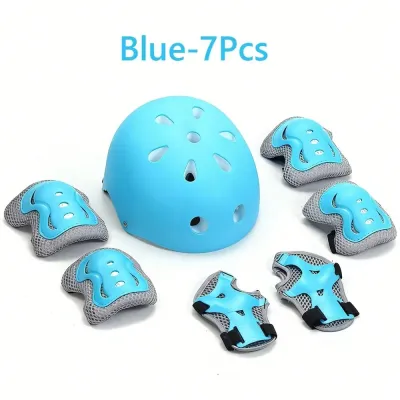
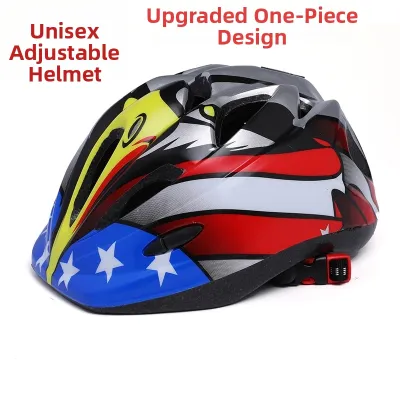
Prices are valid at publication and may change. Please refer to the product page for the latest price.
Certified Helmets Head protection is non-negotiable. Never skate without a helmet that sits level on your head, positioned about two finger-widths above your eyebrows. It should not tilt backward to expose your forehead or slide side-to-side when you shake your head. Before purchasing, verify that the helmet features recognized safety certification labels printed on the inner foam or shell, such as CPSC (Consumer Product Safety Commission) or EN 1078 standards. These certifications guarantee the helmet has undergone rigorous impact testing. A proper skate helmet should offer deep coverage at the back of the head, protecting the occipital lobe from backward falls, which are common when learning to balance on skates.
Rigid Wrist Guards Statistically, the most common beginner skating injuries involve the wrists and hands, as our natural instinct is to reach out and break a forward fall. Wrist guards mitigate this risk by utilizing a rigid plastic splint that runs along the palm and wrist. This splint absorbs the force of the impact and slides along the pavement, preventing your wrist from hyperextending. Look for wrist guards with adjustable nylon straps that allow you to secure the splint tightly against your palm without cutting off circulation.
Knee and Elbow Pads Falling is an inevitable part of learning. Knee and elbow pads feature hard plastic outer caps designed to slide upon impact, redirecting force away from your joints. The interior should feature thick, shock-absorbing EVA foam. When choosing pads, prioritize those with secure strapping systems—ideally a combination of a neoprene sleeve and adjustable velcro straps. This dual-securing system prevents the pads from slipping down your limbs when you slide.
The "Wait and See" List: Optional Items to Skip on Day One
It is easy to get swept up in the aesthetic of roller skating and purchase a wide array of accessories. However, several items are entirely optional when you are starting out, and skipping them initially will save you thousands of pesos.

Skate Bags and Carriers While specialized triangle-shaped skate bags look convenient, they are not necessary for beginners. A standard, sturdy backpack you already own or a durable canvas tote bag is perfectly adequate for transporting your skates and protective pads to the local park or basketball court. Save your money until you find yourself traveling long distances with your gear.
Advanced Maintenance Kits You do not need specialized bearing pullers, high-speed lubricants, or advanced cleaning kits on day one. For your first few months, basic household tools—such as a standard socket wrench that matches your skate’s axle nuts—and a simple, damp microfiber cloth are all you need to keep your skates clean and tight. Specialized cleaning solvents and precision bearing oils can wait.
Spare Parts As a beginner, you will not wear out your wheels, bearings, or toe stops quickly enough to justify buying replacements immediately. Furthermore, you do not yet know your personal preferences. Until you understand whether you prefer soft outdoor wheels for rough asphalt or hard indoor wheels for smooth rink floors, buying spare parts is unnecessary. Stick with the stock parts that came with your skates.
High-End Apparel Specialized skating apparel, such as padded shorts or branded skate socks, is a luxury rather than a requirement. Standard, breathable activewear that allows a full range of motion is perfectly adequate. In hot and humid tropical climates, lightweight, moisture-wicking athletic shirts and flexible shorts or leggings will keep you comfortable and cool.
Adjusting Your Essentials Based on Your Skating Goals
While the basic safety gear remains constant, the specific style and durability of your equipment should align with where and how you plan to skate. Tailoring your gear to your environment ensures optimal protection and performance.
Casual Cruising and Fitness Trails
If your primary goal is to glide along smooth park paths, seaside esplanades, or flat neighborhood streets, comfort and ventilation are your top priorities. Look for skates with softer, high-rebound outdoor wheels (typically rated between 78A and 82A durometer) to absorb the vibrations of rough asphalt. For protective gear, lightweight, highly ventilated pads are ideal. In casual environments, slim, low-profile pads with breathable mesh backing offer sufficient impact protection while keeping you cool in the heat.
Skateparks and Aggressive Skating
Transitioning to ramps, bowls, and concrete skateparks demands heavy-duty protection. If you plan to learn tricks, drops, and grinds, you need skates built with highly durable composite or aluminum frames and stiff, impact-resistant boots that can withstand extreme lateral stress. Your safety gear must scale up accordingly. Look for thick, bulky knee pads with extra-wide hard caps designed for sliding down vertical ramps, and a deep, low-profile helmet covering the entire back and sides of your head.
Urban Commuting and Street Skating
Navigating busy city streets, sidewalks, and varying road conditions requires a proactive approach to safety and visibility. If you plan to use your skates for commuting, high-visibility gear is essential; consider reflective bands or clip-on LED lights to ensure drivers can see you. Your skates must have highly reliable, adjustable toe stops or a heel brake system to help you stop quickly. Additionally, prioritize moisture-wicking base layers and pads with anti-odor, washable liners to manage sweat in humid tropical climates.
Smart Budgeting: Where to Invest and Where to Save
Starting a new sport can be expensive, but a strategic approach to your budget ensures you do not compromise your physical safety for a lower price tag.
Where to Invest Always allocate the largest portion of your budget to your skates and your helmet. High-quality, supportive skates (typically starting around ₱3,500 to ₱6,000 for reliable entry-level models) protect your feet and ankles from chronic strain and make the learning process significantly easier. A certified helmet is equally critical; saving money on an uncertified, cheap helmet puts you at severe risk of head injury. These two components directly impact your physical well-being and should never be compromised.
Where to Save You can safely save money on your knee pads, elbow pads, and wrist guards by opting for basic, no-frills multi-packs from reputable sports brands. As long as the pads feature hard plastic outer caps, shock-absorbing inner foam, and secure, adjustable strapping systems, they do not need to be expensive. Basic protective packs provide excellent impact resistance without the premium price tag of professional-grade ramp pads.
Buying Second-Hand Purchasing used gear is an excellent way to save money, but you must inspect the items carefully before buying. Use this checklist to evaluate second-hand skates:
- Chassis Alignment: Ensure the plates (chassis) are mounted straight and securely to the boot.
- Wheel Wear: Inspect the wheels for flat spots or uneven coning, which indicates they will need to be replaced soon.
- Bearing Spin: Spin each wheel manually; they should spin smoothly and quietly without grinding or stopping abruptly.
- Boot Structure: Flex the ankle area of the boot. If the material is creased, floppy, or cracked, the ankle support is compromised.
- Sole Separation: Check the seam where the boot meets the sole. Any lifting or separation is a major safety hazard.
Signs It Is Time to Upgrade or Replace Your Gear
As your skills progress and your gear accumulates wear and tear, you must regularly inspect your equipment to ensure it remains safe and functional.
Helmets A helmet is designed to absorb a single major impact. If you experience a hard fall and your head hits the ground, you must replace the helmet immediately—even if there is no visible damage to the outer shell. The internal EPS foam compresses to absorb shock during a crash, and once compressed, it cannot protect you a second time. Additionally, check the manufacturer’s guidelines; most helmet materials degrade over time due to sweat, UV exposure, and humidity, requiring replacement every five years.
Skates You will know you have outgrown your beginner skates when you start attempting more advanced maneuvers, such as tight transitions, jumps, or high-speed carving, and feel the boot flexing excessively. If the ankle support begins to feel soft, or if you notice the sole separating from the boot, it is time to upgrade. A more responsive aluminum chassis and stiffer boot will give you the control needed for intermediate skills.
Pads Inspect your protective pads regularly. Replace them immediately if the hard plastic caps are deeply cracked or split, as they can shatter upon the next impact. You should also replace them if the internal foam has become permanently compressed and thin, or if the velcro straps have lost their grip and slip during movement, leaving your joints exposed mid-fall.
Frequently Asked Questions (FAQ)
Can I use a bicycle helmet for roller skating?
You should avoid using a standard bicycle helmet for roller skating. Bicycle helmets are designed primarily to protect against forward-falling impacts common in cycling, and they typically leave the lower back of the head exposed. Roller skaters are highly susceptible to falling backward, making a skate-specific or dual-certified helmet essential. These helmets extend lower down the back of the skull to protect the occipital region from backward falls.
Do I need special socks for roller skating?
You do not need to buy expensive, specialized skate-branded socks, but your choice of footwear accessories is crucial for comfort. Choose a high-quality athletic sock that is slightly thick and extends well above the ankle bone to prevent the skate boot from rubbing against your skin. In warm, humid environments, prioritize synthetic, moisture-wicking fabrics like nylon or polyester blends over 100% cotton, as cotton retains sweat and increases friction, leading to painful blisters.
Community discussion
Share your experience or ask a question. Comments are reviewed before publication.