
Starting a home fitness journey does not require a massive financial investment or a room filled with heavy, complex machinery. By focusing on a few versatile, space-saving accessories, you can build a highly effective routine that targets strength, flexibility, and cardiovascular endurance. The key is selecting items that adapt to your current fitness level while standing up to local environmental factors like high humidity and hard tiled floors. Investing in the right starter gear helps prevent injuries, keeps you motivated, and ensures you perform each movement with proper form.
How to Choose Your First Yoga Mat
A reliable yoga mat serves as the foundation for almost every home workout, providing essential cushioning between your joints and the floor. In many local households, floors are made of hard ceramic tile or polished concrete, which can be unforgiving on knees, elbows, and wrists during planks, lunges, or floor stretches. When choosing a mat, thickness is your first major decision point. A standard 4mm mat offers excellent stability for standing balance poses but might feel too thin on hard tiles, whereas a thicker 6mm or 8mm mat provides superior joint protection for floor-heavy routines. However, avoid overly thick foam mats above 10mm for active workouts, as they can compress too much and cause you to lose your balance during dynamic movements.
Material selection directly impacts both durability and safety, especially in warm, humid climates where sweat is inevitable. Polyvinyl chloride (PVC) mats are highly durable and budget-friendly, but they can become incredibly slippery when wet unless they have a deeply textured surface. Thermoplastic elastomer (TPE) mats are lighter, offer excellent dry grip, and are often more eco-friendly, though they can degrade faster if exposed to direct sunlight or extreme heat. For high-sweat sessions, look for mats with open-cell structures or textured non-slip patterns, and always verify the manufacturer’s cleaning instructions to prevent mold and odor buildup in humid weather.
Products mentioned in this guide
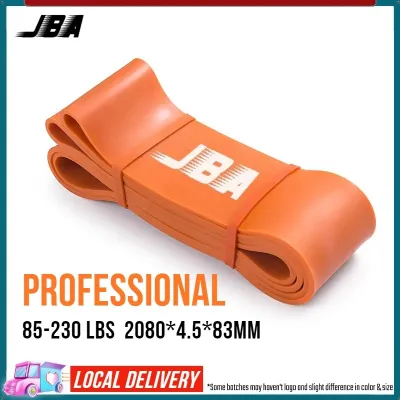
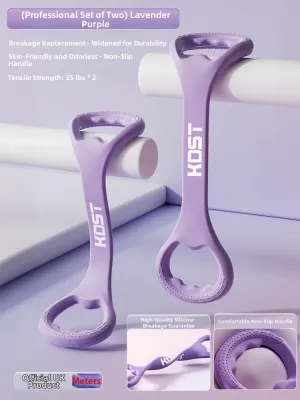
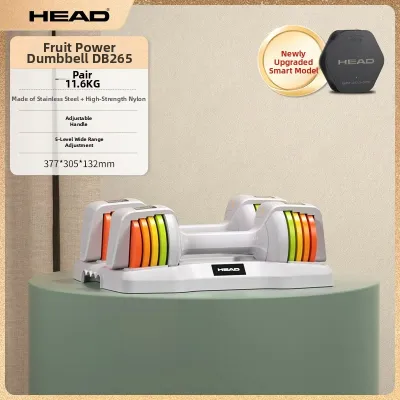
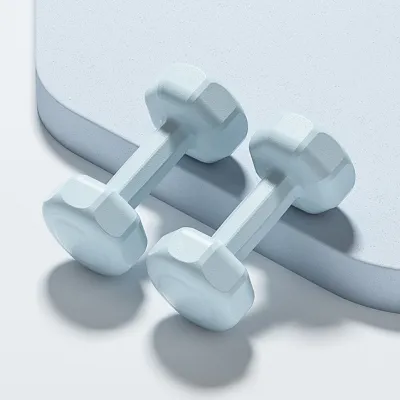
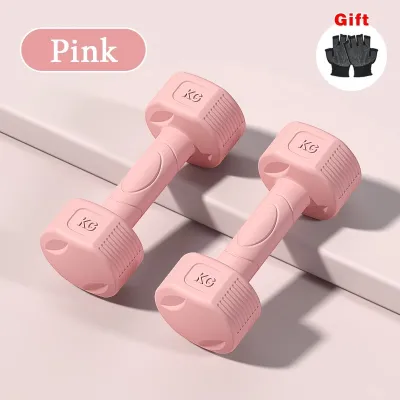

Prices are valid at publication and may change. Please refer to the product page for the latest price.
Finally, consider the physical footprint of the mat in your living space. Measure your available floor area to ensure you can fully extend your arms and legs without hitting furniture or walls. A standard mat is typically 183 centimeters long and 61 centimeters wide, which fits comfortably in most living rooms or bedrooms. Look for mats that include a carrying strap or a breathable mesh bag, which makes storage simple and allows the mat to air out properly after a damp, humid workout session.
Selecting the Right Resistance Bands for Your Strength Level
Resistance bands are incredibly versatile tools that use elastic tension to challenge your muscles throughout their entire range of motion. Unlike free weights, which rely on gravity, bands allow you to apply resistance from virtually any angle, making them excellent for targeting smaller stabilizing muscles and joints. When shopping, you will notice that bands are categorized by resistance levels, which are typically color-coded from extra-light to extra-heavy. Because there is no universal industry standard for these colors, always check the manufacturer’s packaging or product description to verify the estimated weight equivalent of each color before purchasing.

You will generally choose between two primary styles: mini loop bands and tube bands with handles. Mini loop bands are flat, continuous loops usually measuring 10 to 12 inches long, making them perfect for lower-body exercises like squats, glute bridges, and lateral walks. Tube bands are longer, hollow cords equipped with handles on each end and often come with a door anchor. These are ideal for mimicking cable machine exercises, such as chest presses, bicep curls, and lat pulldowns. For a beginner, a set that includes both styles or a multi-pack of loop bands offers the greatest exercise variety.
Safety and material integrity are paramount when working with stretched elastic. Latex bands offer smooth, consistent tension but can trigger allergies and are prone to drying out, cracking, and snapping over time if exposed to heat and sweat. Fabric resistance bands, which blend elastic with woven thread, are highly durable, do not roll up or pinch the skin during leg exercises, and are much less likely to snap. Before every workout, inspect your bands for tiny tears, discoloration, or structural wear, and immediately discard any band that shows signs of degradation to avoid painful snaps.
Picking a Jump Rope That Matches Your Space and Skill
A jump rope is one of the most efficient and cost-effective cardiovascular tools available, requiring minimal storage space while delivering a high-intensity workout. For beginners, coordination and timing are the primary hurdles, which makes choosing the right type of rope crucial. Avoid ultra-thin speed ropes designed for advanced double-unders, as they turn too quickly for a novice to track. Instead, look for a basic PVC license-style rope with a moderate weight, which provides enough physical feedback through the handles to help you time your jumps accurately.
Before your first jump, you must adjust the rope to match your height to maintain proper posture and prevent tripping. To measure, step on the center of the rope with one foot and pull the handles straight up along the sides of your body; the tips of the handles should reach your armpits. Many modern jump ropes feature adjustable screw mechanisms or snap-lock clips inside the handles, allowing you to easily trim excess length. Ensure the handles feature smooth ball bearings, which prevent the rope from twisting and tangling as you build up your rhythm.
The surface you jump on plays a massive role in both joint impact and equipment longevity. Jumping on hard, unforgiving surfaces like outdoor concrete or indoor tile can strain your shins and knees while rapidly wearing down the plastic coating of your rope. Whenever possible, jump on a thin rubber mat, a wooden floor, or a smooth outdoor court. If you must exercise on concrete, check the bottom of your rope regularly for exposed wire or fraying plastic, and consider using a dedicated protective sleeve over the center of the cable.
Do You Need Workout Gloves? Evaluating Grip and Protection
Workout gloves are not an absolute necessity for every beginner, but they offer distinct advantages depending on the types of exercises you perform. If your routine involves heavy use of resistance bands with handles, dumbbells, or pull-up bars, gloves provide a protective barrier that prevents friction-induced blisters and calluses. They also enhance your grip security, which can be incredibly helpful if your hands tend to sweat heavily in warm, tropical indoor environments.
When evaluating gloves, prioritize a balance between palm protection and overall breathability. Look for designs featuring padded palms—either gel or reinforced leather—to cushion your hands against pressure points. Because local workouts can get incredibly warm, opt for half-finger gloves made with lightweight, moisture-wicking mesh on the back of the hand to allow heat to escape. Adjustable wrist closures are also beneficial, as they let you customize the tightness and provide a small amount of wrist support during pushing movements.
If your starter routine consists primarily of bodyweight yoga, floor pilates, or light cardio, you can safely skip purchasing gloves initially. Barehand training allows you to develop natural grip strength and tactile feedback from your environment. As you transition to heavier external resistance or find that sweat is causing your hands to slip during floor exercises, you can then reassess and invest in a pair of breathable, well-padded gloves to keep your workouts safe and comfortable.
Building Your Starter Kit: A Phased Purchasing Plan
Equipping a home workout space does not have to happen all at once, and spreading out your purchases allows you to assess what you actually use before spending more. For Phase 1, focus on the absolute essentials that unlock the widest variety of low-impact exercises: a high-quality yoga mat and a set of light-to-medium loop resistance bands. This initial combination typically costs between ₱500 and ₱1,200 on local online marketplaces, providing a highly accessible entry point for daily stretching, core work, and basic lower-body strengthening.
Once you have established a consistent routine over four to six weeks, you can transition to Phase 2 by adding cardiovascular and progressive strength tools. This is the ideal time to purchase a jump rope for high-intensity interval training and a set of tube bands with handles to expand your upper-body exercises. If you find yourself struggling with hand fatigue or slipping due to sweat, add a pair of breathable workout gloves to your kit. This secondary phase can be comfortably funded with an additional budget of ₱800 to ₱1,500.
Before finalizing any purchase, take a moment to verify your physical home environment and storage limits. Ensure you have a clear, flat area of at least two by two meters for dynamic movements, and check that your ceiling height is sufficient if you plan to jump rope indoors. By planning your purchases in phases and matching your gear to your actual space, you avoid cluttering your home with unused equipment and ensure every peso spent directly supports your active lifestyle.
Frequently Asked Questions (FAQ)
Can I use regular household items instead of buying resistance bands?
While it is tempting to use items like towels, old bedsheets, or luggage straps as makeshift resistance tools, they lack the elastic properties required for progressive tension training. Household items do not stretch, meaning they provide static resistance rather than the smooth, variable tension that makes manufactured bands effective and safe. Furthermore, using improvised items increases the risk of sudden tears or slipping, which can lead to joint strain or impact injuries. If you must use household items, limit them to static stretching assistance, and transition to proper fitness bands as soon as your budget allows.
How do I know when it is time to replace my yoga mat or jump rope?
You should replace your fitness accessories as soon as they show visible signs of structural degradation or lose their primary functional properties. For a yoga mat, look for flaking material, deep creases that do not flatten, or a noticeable loss of grip that causes your hands to slip during simple poses. For a jump rope, inspect the cable for exposed inner wire, severe kinks that disrupt the swing, or cracked handles. Regular exposure to sweat, high humidity, and storage in tight, hot spaces can accelerate this wear, making monthly visual inspections essential for your safety.
Are expensive branded accessories worth the investment for beginners?
For beginners, high-end branded accessories are rarely necessary, as mid-range options offer excellent performance and durability for introductory routines. Focus your budget on items where material quality directly impacts safety, such as choosing a durable, snap-resistant fabric resistance band over the cheapest latex alternative. For items like jump ropes and basic yoga mats, budget-friendly options from reputable local fitness retailers are more than adequate. As your strength and commitment progress over time, you can selectively upgrade to premium gear that offers specialized features or extended warranties.
Community discussion
Share your experience or ask a question. Comments are reviewed before publication.