
Choosing the right jogging pouch is the difference between a smooth, focused run and a frustrating session spent adjusting bouncing gear. For men navigating tropical humidity and varied running routes, the choice between a running belt, an arm band, or a handheld pouch comes down to what you carry, how far you run, and how your body responds to extra weight.
There is no single option that suits every runner. A waist belt offers high storage capacity and central stability, making it ideal for longer distances. An arm band provides quick, eye-level access to your phone during shorter, high-intensity workouts. A handheld pouch keeps hydration literally at your fingertips, which is essential for hot midday sessions. Identifying your specific running habits will point you directly to the correct gear.
Diagnose Your Carry Needs: Volume, Distance, and Comfort
Before browsing online marketplaces, take a moment to empty your pockets and audit what you actually carry on a typical run. A modern smartphone, a house key, a couple of energy gels, and an ID card require vastly different storage volumes than a simple car key fob. If you use a bulky, shockproof phone case, you must factor in those extra millimeters, as many compact pouches are designed only for bare devices.
Products mentioned in this guide
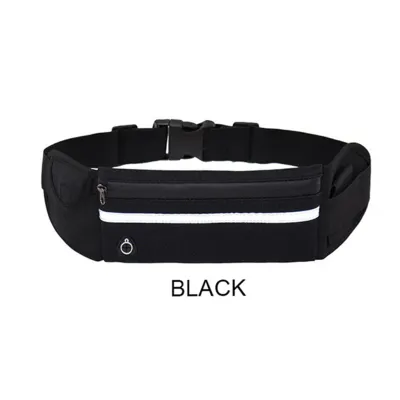
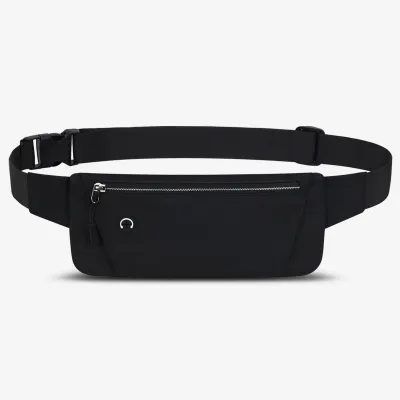
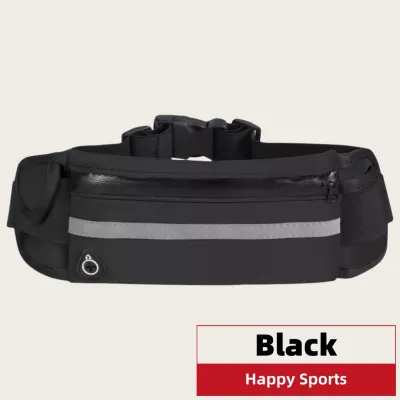
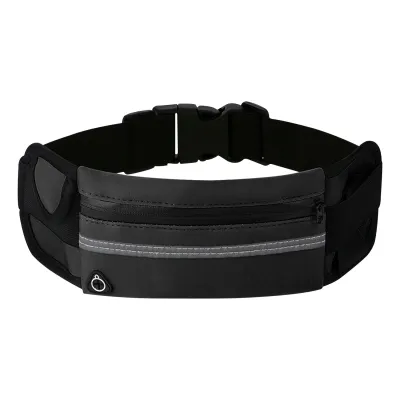
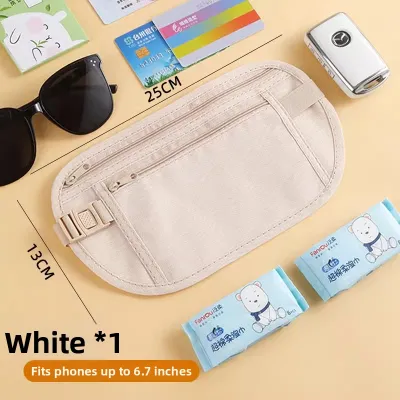
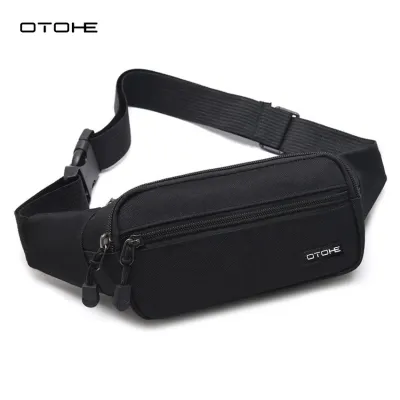
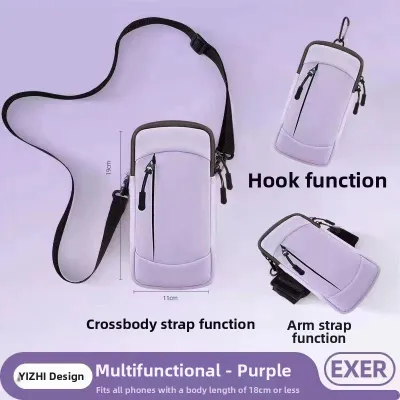
Prices are valid at publication and may change. Please refer to the product page for the latest price.
Your typical running distance and duration dictate your hydration and fueling needs. For short runs under thirty minutes, a minimalist setup that holds only a key and a phone is usually sufficient. Once your sessions extend past forty-five minutes, especially in warm tropical climates, carrying water and nutrition becomes a necessity, shifting your requirements toward gear that can support flasks or gels.
Comfort thresholds are highly personal and are amplified by sweat and movement. Friction against your skin during a long, humid run can cause painful chafing if your gear moves or bounces. Consider where you are most sensitive to extra weight: some runners dislike the feeling of a tight band around their chest or waist, while others find asymmetrical weight on one arm disruptive to their natural running stride.
Running Belts: When to Choose Waist-Level Stability
Running belts position your gear at your center of gravity, which is the most stable area of your body during athletic movement. This central placement minimizes the vertical bounce that occurs with every stride, making belts highly effective for carrying heavier, modern smartphones. By keeping the weight snug against your lower back or hips, a well-designed belt allows your arms and legs to move freely without interference.

When evaluating a running belt, pay close attention to the elasticity of the band and the security of the buckle. A belt that is too loose will slide up to your waist and bounce, while one that is too tight can restrict your breathing or cause stomach discomfort. Look for wide, adjustable straps that distribute pressure evenly, and check that the buckle mechanism locks firmly in place without slipping under tension.
In hot and humid climates, material selection is critical to prevent skin irritation. Look for sweat-wicking fabrics, such as lightweight nylon or polyester blends, that draw moisture away from your skin. Breathable mesh backings help heat escape, reducing the risk of localized heat rashes and chafing along your waistband during extended training sessions.
Arm Bands: When to Opt for Minimalist, Arm-Level Access
Arm bands are a classic choice for runners who want immediate, eye-level access to their smartphones to change music, check running apps, or answer urgent calls. Positioned on the bicep, these pouches keep your torso completely free of gear, which many runners find liberating. They are particularly suited for structured track workouts, interval training, or short road runs where you do not need to carry water or extra nutrition.
Compatibility is the primary check when selecting an arm band. You must verify that the pouch dimensions accommodate your specific phone model, including the thickness of your protective case. Look for clear, touch-compatible screen covers that allow you to operate your device without removing it from the band, and ensure there are dedicated cutouts for wired headphones if you do not use wireless earbuds.
The strap material must strike a balance between security and circulation. A strap that is too tight can restrict blood flow and cause muscle fatigue, while a loose strap will inevitably slide down your forearm as you sweat. Look for textured, non-slip silicone grippers on the inside of the band and wide, breathable hook-and-loop fasteners that allow for micro-adjustments as your muscles flex during exercise. Be aware that the asymmetrical weight of a phone on one arm can slightly alter your arm swing, which may cause shoulder stiffness on longer runs.
Handheld Pouches: When to Prioritize Hydration and Grip
Handheld pouches are designed specifically for runners who prioritize immediate access to fluids without wearing a bulky vest or belt. These pouches feature an integrated strap that secures a water bottle or soft flask directly to your hand, allowing you to maintain a relaxed grip without actively squeezing the bottle. This setup is highly practical for hot, humid routes where frequent, small sips of water are necessary to stay hydrated.
Grip fatigue is a key factor to evaluate before choosing a handheld option. The hand strap should be fully adjustable and wide enough to support the weight of the filled bottle across the back of your hand, allowing your fingers to remain relatively relaxed. If the strap is poorly designed, you will find yourself constantly gripping the bottle, which can lead to tension in your forearm, shoulder, and neck over several kilometers.
While handheld pouches excel at carrying fluids, their storage capacity for other gear is typically limited. Most models feature a small zippered pocket on the back of the hand strap, which is usually large enough for a key, some cash, and a single energy gel, but may struggle to fit larger smartphones. This style is best suited for runners who either use a smartwatch for tracking and music or do not mind a very compact, lightweight phone setup.
Final Check: Matching Your Running Profile to a Pouch Style
To make your final decision, cross-reference your typical running distance and carry requirements with the distinct advantages of each pouch style. If your priority is carrying a large phone, keys, and nutrition over long distances without feeling weighed down, a running belt is your most reliable option. If you prefer short, fast runs where you need quick access to your phone screen, an arm band is highly efficient. For hot runs where hydration is your primary concern, a handheld pouch is the logical choice.
Identify your personal dealbreakers before committing to a purchase. If you are highly prone to chafing around your waist, or if you find that an arm band restricts your arm swing, eliminate those styles immediately. Remember that a pouch is only useful if it remains comfortable throughout your entire workout, so do not compromise on material quality or adjustability. Whether you are looking at budget-friendly options under ₱500 or investing in premium gear, prioritize fit over aesthetics.
Once your new jogging pouch arrives, perform a dry fit-test at home before heading out for a run. Pack the pouch with the exact items you plan to carry, put it on, and jog in place or jump up and down for a few minutes. Check for any immediate bouncing, slipping, or pressure points, and adjust the straps accordingly to ensure a secure, comfortable fit before you hit the road.
Frequently Asked Questions (FAQ)
Can I use a standard waist bag instead of a dedicated running belt?
While a casual waist bag or fanny pack can hold your items, it is generally not suitable for jogging. Casual bags lack the elastic, snug-fitting straps and moisture-wicking materials found in dedicated running belts, which leads to excessive bouncing, shifting, and chafing as you move. If you are planning to run regularly, upgrading to a purpose-built running belt will significantly improve your comfort and protect your gear from sweat damage.
How do I prevent my arm band from slipping during sweaty runs?
To prevent slipping in high-humidity conditions, ensure the arm band is placed on the widest part of your bicep and tightened while your muscle is slightly flexed. Wearing the band over a lightweight, moisture-wicking sleeve can also increase friction and absorb sweat before it reaches the strap. If slipping remains a persistent issue despite adjustments, switching to a high-stability running belt may be a more comfortable solution.
Community discussion
Share your experience or ask a question. Comments are reviewed before publication.