
Selecting the right gear is essential for any dedicated badminton player, and investing in a high-quality shuttlecock 12pcs feather pack is one of the most impactful decisions you can make for your weekly games. Unlike casual recreational players who might rely on synthetic nylon alternatives, regular club players require the distinct aerodynamic performance that only genuine feathers can provide. The standard 12-piece tube, commonly referred to as a dozen, serves as the global benchmark for packaging, offering a practical balance between cost efficiency and product freshness.
In tropical environments like the Philippines, where high temperatures and humidity levels constantly shift court conditions, understanding the nuances of feather selection, speed ratings, and storage is crucial. A shuttlecock that performs beautifully in a cool, air-conditioned arena might fly erratically or degrade rapidly in a non-air-conditioned barangay sports center. By focusing on structural design, material quality, and environmental compatibility, you can ensure that every rally is consistent, predictable, and satisfying.
Why Choose 12-Piece Feather Packs for Regular Sessions?
For players who step onto the court multiple times a week, purchasing feather shuttlecocks in individual pieces or small three-packs is highly inefficient. Retail markups on smaller quantities are disproportionately high, making the standard 12-piece tube the most cost-effective option for maintaining a steady supply. Buying by the dozen allows you to calculate your cost-per-game accurately while ensuring you always have enough fresh shuttles in your gear bag to sustain multi-hour sessions.
Products mentioned in this guide
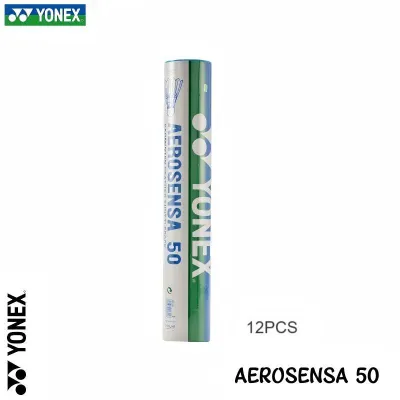
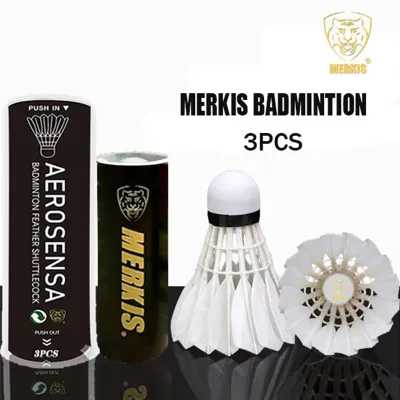
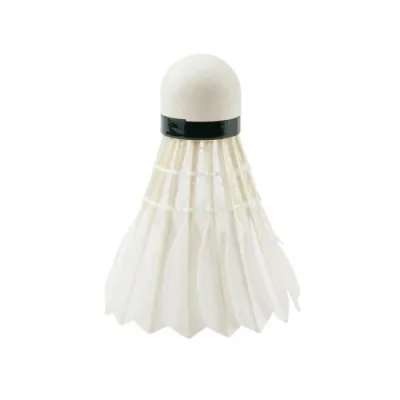
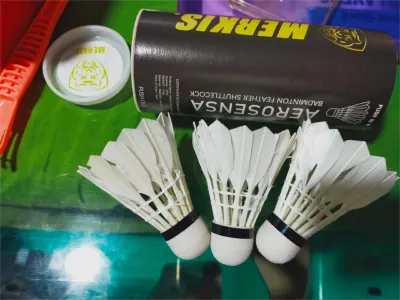
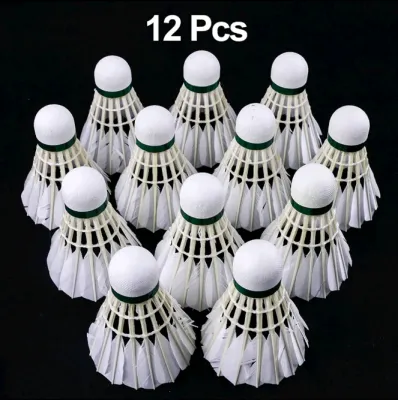
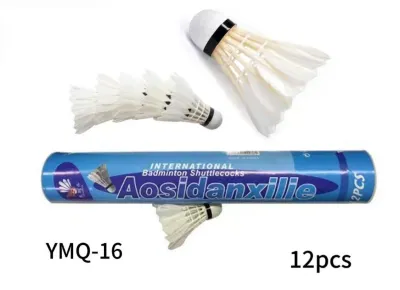
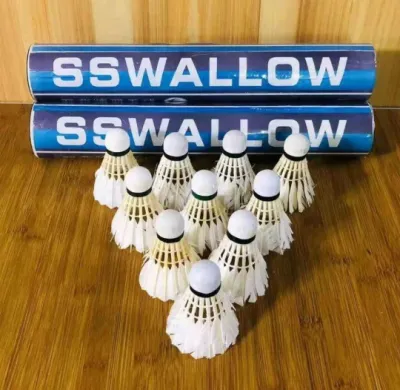
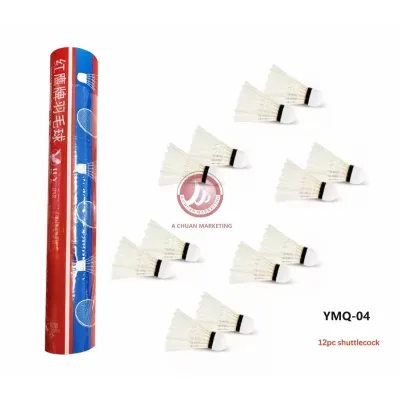
Prices are valid at publication and may change. Please refer to the product page for the latest price.
The transition from nylon to feather shuttlecocks represents a significant milestone in a player’s development. Nylon shuttles are incredibly durable, but they suffer from a major aerodynamic limitation: they do not decelerate naturally. A feather shuttlecock features a unique flared skirt geometry that creates high drag, causing it to fly fast initially and then drop sharply at the end of its trajectory. This natural deceleration is essential for executing precise drop shots, tight net play, and steep smashes, allowing you to develop authentic muscle memory and tactical depth.
Another critical advantage of the 12-piece tube is inventory management and freshness control. Feather shuttlecocks are organic products that contain natural moisture within their shafts; once this moisture evaporates, the feathers become brittle and prone to snapping. Purchasing massive bulk boxes, such as ten-dozen cartons, often leads to degradation because the shuttles sit unused for months, slowly drying out in storage. A single dozen tube remains sealed and pressurized until you need it, preserving the structural integrity of the feathers from the factory to the court.
What to Look for in a Reliable shuttlecock 12pcs feather Pack
Feather Material
The choice between goose and duck feathers is the primary factor governing both the price and the durability of your shuttlecocks. Goose feathers are widely regarded as the premium option because they possess thicker, stronger shafts (rachis) and denser, more uniform vanes. This structural strength allows goose feather shuttles to withstand high-velocity impacts and heavy smashes without losing their shape. Duck feathers are more economical and offer a highly consistent initial flight path, but their thinner shafts are more prone to splitting or shearing during intense rallies, making them better suited for training or lower-intensity matches.

Shuttlecock Speed
Shuttlecock speed ratings, typically ranging from 75 to 79, indicate how far and fast a shuttle will fly under specific environmental conditions. In hot and humid climates like the Philippines, the air is less dense, which reduces aerodynamic drag on the shuttlecock. Consequently, a standard shuttle will fly faster and further than it would in a cold, dry climate. To compensate for this, regular players in tropical regions generally prefer speed 76 (slower) or speed 77 (standard) shuttlecocks, ensuring that clean deep clears do not consistently sail past the baseline.
Cork Base Quality
The cork base is the point of contact for your racket strings, directly influencing the feel, bounce, and safety of your gear. High-quality shuttlecocks utilize natural cork, often constructed in two or three laminated layers, which provides excellent elasticity, a crisp impact feel, and a highly predictable rebound. In contrast, cheaper shuttlecocks may use synthetic or composite cork made of compressed cork particles and polyurethane. While composite cork is durable and inexpensive, it is significantly harder, which can transmit harsh vibrations up your racket shaft, increase physical fatigue, and accelerate wear on high-tension strings.
Glue and Thread Binding
The structural integrity of a feather shuttlecock relies heavily on the quality of the double-stitching thread and the adhesive applied to the feather roots. Premium manufacturers use specialized, high-strength nylon threads and resilient resin glues to bind the feathers securely to the cork base and to each other. If the glue is brittle or the thread wrapping is loose, the feathers will shift or fly out of alignment after a few hard hits, causing the shuttlecock to wobble, lose its rotational stability, and become unusable.
Top 12-Piece Feather Shuttlecock Recommendations by Playstyle
Best Overall for Frequent Play (Balance of Durability and Flight)
Regular club players who play two to three times a week need a dependable, mid-tier workhorse that delivers consistent flight without exhausting their sports budget. For this category, models like the Yonex Aerosensa 10 (AS-10) or the Victor Gold No. 3 serve as excellent standards. These tubes typically fall within a mid-range price band of approximately ₱1,100 to ₱1,500, making them highly accessible for regular group sessions.
These shuttlecocks generally utilize high-grade duck feathers or mid-tier goose feathers paired with a composite or natural cork base. They are engineered to provide a highly stable spin rate and a predictable drop trajectory, ensuring that your practice matches closely replicate competitive play. Under normal doubles play conditions, a single shuttlecock from this category can typically last one to two games of moderate intensity before showing signs of flight degradation.
Before purchasing, always verify the condition of the tube. Check that the foil seals on both ends of the container are completely intact, as any breach can allow ambient air to dry out the feathers prematurely. It is also wise to inspect the batch or manufacturing code on the packaging to ensure you are receiving fresh stock rather than inventory that has sat on a warehouse shelf for years.
Best Premium Pick for Advanced Regulars (Maximum Consistency)
For experienced amateurs, tournament players, and those who prioritize immaculate flight trajectories and crisp net play, premium goose feather shuttlecocks are indispensable. Top-tier options like the Yonex Aerosensa 30 (AS-30) or the Victor Master Ace represent the pinnacle of manufacturing consistency. These premium tubes generally occupy a higher price band, ranging from ₱1,800 to ₱2,600 or more per dozen.
These models are constructed using meticulously sorted, premium goose feathers that feature identical curvature, weight, and shaft thickness. Combined with a solid, high-grade natural cork base, they offer an incredibly clean impact sensation and a perfect, wobble-free flight path. The strict quality control ensures that every single shuttlecock in the tube flies exactly like the last, eliminating the frustration of encountering “duds” during a critical match.
However, these premium options come with specific limitations that players must acknowledge. While goose feathers are highly durable under correct impact, they are still organic structures; a severe off-center mishit that strikes the feather skirt instead of the cork face will break the shafts instantly. Consequently, these high-end shuttlecocks are not recommended for beginners or intermediate players who are still developing consistent clean contact, as the high replacement cost can quickly become prohibitive.
Best Value Pick for High-Volume Training
High-volume training sessions, multi-shuttle feeding drills, and intense warm-ups require a shuttlecock that prioritizes raw durability and low replacement costs over absolute aerodynamic perfection. Models such as the RSL No. 1 or the Li-Ning A+ 60 are designed specifically to meet this demand, offering a budget-friendly price band of approximately ₱750 to ₱1,000 per tube.
To achieve this cost efficiency, manufacturers utilize durable duck feathers or lower-grade goose feathers, often paired with a composite cork base. The primary trade-off is a slightly less refined flight stability and a heavier feel on impact compared to premium tournament-grade models. However, the feathers are highly resilient, resisting splitting and breaking even when subjected to repetitive, high-impact smash drills.
When utilizing these value-tier shuttlecocks for training, it is important to implement a regular inspection routine. Look for early signs of feather splitting or structural softening along the thread line. Retiring a training shuttlecock before it completely disintegrates is essential, as a heavily damaged or unbalanced shuttle will fly erratically, disrupting the rhythm of your drills and potentially straining your shoulder or wrist due to unnatural drag.
Quick Comparison: Which Shuttlecock Fits Your Game?
To help you quickly identify the ideal option for your specific playing frequency and budget, the table below summarizes the key characteristics of each recommended category.
| Category | Recommended Feather Material | Best Use Case | Expected Durability | Flight Stability |
|---|---|---|---|---|
| Best Overall | Mid-grade Goose / High-grade Duck | Regular club matches (2-3x a week) | Medium to High | High |
| Best Premium | Premium Goose | Competitive tournaments & advanced play | High (with clean hits) | Very High |
| Best Value | Duck / Lower-grade Goose | Multi-shuttle drills & high-volume training | Medium | Medium |
How to Store and Maintain Feather Shuttlecocks in Humid Climates
Proper Storage
To maximize the lifespan of your feather shuttlecocks, you must store the tubes vertically with the cork side facing down. This position prevents the weight of the cork from pressing down on the delicate feather skirts, which can deform their shape over time. Keep your tubes in a cool, dark, and dry environment, such as a closet inside your home. Never leave your gear bag in the trunk of a car or in a hot garage, as extreme heat will dry out the natural oils in the feathers and melt the adhesive holding the structure together, rendering the shuttles brittle and useless.
Humidity Management
While dry air is the primary enemy of feather durability, excessively high ambient humidity presents its own challenges. In tropical regions, shuttlecocks stored in non-sealed environments can absorb moisture from the air, making the feathers heavy and sluggish. When a shuttlecock becomes waterlogged, it flies slower, drops faster, and requires significantly more physical effort to clear, which can lead to shoulder fatigue. To combat this, keep the plastic caps of your tubes firmly closed when not in use, and allow your shuttlecocks to acclimate to the court temperature for a few minutes before starting your match.
Conditioning Techniques
If you find that your shuttlecocks have become dry and brittle, you can utilize a traditional, low-risk steaming method to restore flexibility to the feathers. Gently expose the open, feather-end of the tube to the steam rising from a cup of hot water or a personal humidifier for approximately 5 to 10 seconds.
- Safety Warning: Do not allow the steam to contact the cork base or the glued thread joints directly, as excessive heat and moisture can dissolve the adhesive or warp the cork. Always consult the manufacturer's care instructions before applying any moisture treatment, and ensure the feathers are completely dry to the touch before hitting them.
Retirement Criteria
Knowing when to retire a shuttlecock is vital for maintaining a high quality of play and protecting your equipment. You should replace a active shuttlecock immediately if you observe any of the following conditions:
- Two or more feather shafts are cracked or broken.
- The shuttlecock exhibits a noticeable wobble or rotates unevenly during flight.
- The feather vanes are severely frayed, causing the shuttle to fly excessively fast due to a loss of natural drag.
Playing with a severely damaged shuttlecock not only ruins the accuracy of your shots but also places uneven stress on your racket strings. Because a damaged shuttle flies unpredictably, players often compensate by hitting harder or off-center, which significantly increases the risk of premature string breakage.
Frequently Asked Questions (FAQ)
How long should a feather shuttlecock last during regular play?
The lifespan of a feather shuttlecock varies widely depending on player skill, hitting accuracy, and the intensity of the game. In a typical intermediate doubles match, a single mid-tier shuttlecock usually lasts for one to two games before the flight path degrades or the feathers begin to split. However, beginners who frequently mishit the shuttle by striking the feather skirt rather than the cork face can damage or destroy a shuttlecock within just a few rallies, highlighting the importance of developing clean hitting technique.
What is the difference between speed 76 and 77 shuttlecocks?
Speed ratings indicate how fast and far a shuttlecock will fly under specific environmental conditions, with speed 76 being slower and speed 77 being standard or medium. Because warmer, more humid air is less dense, it offers less aerodynamic resistance, causing shuttlecocks to fly faster and further. Using a slower speed 76 shuttlecock in hot, tropical climates like the Philippines helps maintain a natural flight length, preventing your deep clears from consistently sailing past the back boundary line.
Community discussion
Share your experience or ask a question. Comments are reviewed before publication.