
Core Buying Criteria for 2-Seater Electric Scooters
Transitioning from a single-rider electric scooter to a dual-rider model requires a fundamental shift in how you evaluate specifications, safety standards, and structural integrity. Standard stand-up electric scooters are engineered with narrow decks and folding steering stems designed strictly to support a single vertical load. Placing a second person on a single-rider deck shifts the center of gravity backward, making the front wheel light and prone to lifting, while putting extreme shear stress on the folding mechanism. True two-seater electric scooters are built from the ground up with extended frames, step-through chassis, or dedicated secondary saddles to distribute weight safely between both axles.
Calculating and verifying the combined weight capacity is the most critical safety step before purchasing. The maximum payload rating specified by the manufacturer must accommodate the weight of the primary rider, the passenger, and any cargo such as backpacks or groceries. For example, two average adults weighing 65 kilograms each, combined with a 5-kilogram grocery bag, require a minimum payload capacity of 135 kilograms. Operating a scooter near or over its maximum weight limit strains the motor, accelerates battery depletion, and risks structural failure of the frame or steering column.
Moving a heavier load requires substantial motor torque, especially when navigating common Philippine road features like flyovers, bridge approaches, or steep subdivision hills. A standard 250-watt or 350-watt motor will struggle, overheat, or stall under the weight of two riders. For flat urban terrain, a minimum of 500 watts of nominal power is recommended. If your daily routes involve steep inclines, look for scooters with dual-motor configurations or high-torque mid-drive motors that can maintain safe, consistent speeds without overheating the internal controller.
Products mentioned in this guide
Prices are valid at publication and may change. Please refer to the product page for the latest price.
Stopping a dual-rider scooter requires significantly more force than stopping a single rider due to the increased momentum. Mechanical rim brakes or basic drum brakes can quickly fade under the heat generated by stopping a heavy load. Dual disc brakes, preferably hydraulic, are highly recommended because they offer superior heat dissipation and modulation. Additionally, a robust suspension system with dual front shocks and rear swingarm springs is vital to prevent the frame from bottoming out over potholes, protecting both the riders’ spines and the battery pack from harsh impacts.
Top 2-Seater Scooters for Daily Commuting
Daily urban commuting in major Philippine hubs like Metro Manila, Metro Cebu, or Davao presents a unique set of environmental challenges. Commuters must navigate gridlocked traffic, squeeze through narrow side streets, and cope with sudden tropical downpours during the monsoon season. A practical commuting two-seater must balance passenger comfort with a compact footprint, allowing the rider to weave safely through slow-moving vehicles while maintaining excellent balance.

Portability and water resistance are key trade-offs in this category. If your daily routine involves carrying the scooter up office stairs, storing it inside a tight condominium unit, or loading it into a car trunk, folding capabilities are critical. However, most heavy-duty two-seaters are inherently bulky. Commuters should look for compact seated models with folding steering columns. Water resistance is equally non-negotiable; an Ingress Protection (IP) rating of at least IP54 is required for light drizzle, while IP65 offers better protection against heavy rain. Never ride through deep standing water, as submerging the hub motor or battery compartment will cause catastrophic electrical damage.
Recommended Models for Commuters
Compact seated electric scooters, such as the Fiido Q1S or similar low-profile utility models, are highly favored by urban commuters. These models typically feature a low center of gravity, a central storage cage, and a lightweight aluminum alloy frame. They are highly customizable, allowing riders to add a secondary child seat or a padded rear saddle. While highly maneuverable in tight spaces, their smaller 12-inch pneumatic tires require cautious riding over potholes and uneven road seams.
Another viable option is the folding seated e-scooter category, exemplified by models like the DYU D3+ or similar compact designs fitted with passenger accessories. These models prioritize portability, featuring folding steering stems and lightweight frames that easily fit into car trunks. However, their lower weight capacity (typically capping around 120 kilograms) and basic suspension systems mean they are best suited for short-distance, flat-pavement commutes with a lighter passenger.
Commuter Specs to Verify Before Buying
Before finalizing a purchase, carefully verify the manufacturer’s official specifications rather than relying solely on retail advertisements. Check the exact ingress protection (IP) rating for both the battery compartment and the motor. Measure the folded dimensions of the scooter and compare them to the clearance of your building’s elevator and your home storage area.
Additionally, inquire about the battery’s charging time and whether the battery pack is removable. A removable battery allows you to carry only the power pack indoors for charging, leaving the dirty scooter chassis in a designated parking area. Finally, review the local distributor’s warranty terms, specifically checking if daily commercial use or carrying a passenger affects the coverage on the battery and controller.
Best 2-Seater Scooters for Family Errands and Cargo
Using a two-seater electric scooter for grocery runs, fetching children from school, or running quick neighborhood errands requires a focus on stability and utility. Unlike commuting models that prioritize portability, utility scooters need a wider wheelbase and a lower deck to remain stable when loaded with uneven weight.
Integrated cargo solutions play a massive role in maintaining balance. Front baskets are convenient for light items, but overloading them increases steering inertia, making the scooter sluggish to turn. Rear cargo racks or under-seat storage compartments are much safer for heavy items, as they keep the weight centered over the rear axle, though they can slightly reduce front-wheel traction if overloaded.
Recommended Models for Errands
Heavy-duty three-wheeled electric scooters, such as the NWOW ERV or similar multi-passenger utility models, are excellent choices for neighborhood errands. These vehicles feature a robust steel frame, a wide rear axle with dual wheels, and integrated front and rear cargo baskets. Their three-wheel design eliminates the need for balancing at stoplights, making them incredibly stable when carrying heavy groceries or a child passenger. However, their large footprint and heavy weight mean they cannot be folded or easily transported.
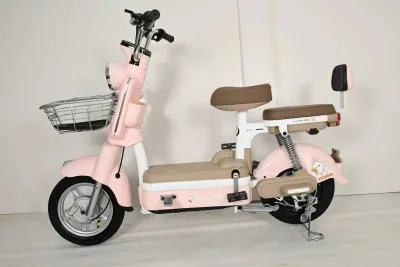
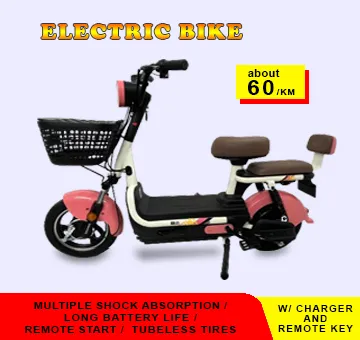
For those preferring a two-wheeled configuration, e-mopeds like the Hatasu Haru or Hatasu Mako series offer a practical middle ground. These vehicles feature a wide, flat floorboard where cargo can be placed between the rider’s feet, a comfortable dual-seat setup with a passenger backrest, and a sturdy front basket. While highly capable and stable, these models are bulky, require dedicated parking space, and cannot be carried indoors.
Payload and Stability Limits
When carrying both a passenger and cargo, proper weight distribution is critical to prevent steering wobble or loss of control. Always place the heaviest items as low and close to the center of the scooter as possible, such as on the floorboard or in a central storage compartment. Avoid overloading rear racks or high-mounted baskets, which can cause the front wheel to lose contact with the road during acceleration.
Be aware that operating a scooter near its maximum payload limit significantly increases its braking distance. The extra momentum means you must begin braking much earlier and apply steady, modulated pressure to both brakes. Avoid abrupt turns or sudden swerves, as the high center of gravity of a fully loaded scooter can easily lead to a tip-over.
Ideal 2-Seater Scooters for Weekend Leisure Rides
Leisure riding focuses on comfort, relaxation, and enjoying the journey. Whether cruising along coastal pathways, exploring private subdivision roads, or riding through permitted park areas, the priority shifts from speed and portability to plush seating, excellent shock absorption, and smooth, predictable power delivery.
In leisure environments, high top speeds are unnecessary and often restricted by local regulations. Instead, riders benefit from a motor controller that delivers smooth, gradual acceleration, preventing sudden jerks that can startle a passenger. A quiet hub motor and a rattle-free frame build enhance the peaceful nature of weekend rides.
Recommended Models for Leisure
Premium cruiser-style electric scooters, such as custom-configured seated models with wide pneumatic tires and dual-spring suspension, are ideal for leisure riding. These models prioritize rider ergonomics, offering wide, swept-back handlebars that allow for an upright riding posture, reducing back strain during longer outings. Their robust suspension systems glide over minor road imperfections, ensuring a smooth ride for both occupants.
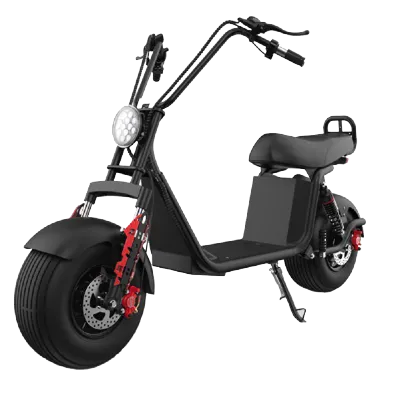
Another popular choice for leisure is the wide-tire “city-coco” style electric cruiser. These distinctive scooters feature ultra-wide, low-profile tires that provide exceptional lateral stability and a retro motorcycle aesthetic. Equipped with a long, padded dual seat and a passenger backrest, they offer unmatched comfort on flat pavement. The trade-off is their massive size and weight, requiring a dedicated garage or a pickup truck for transport to riding locations.
Comfort and Ride Quality Features
The choice of tires is the single most important factor affecting ride comfort on uneven paths. Pneumatic (air-filled) tires are highly recommended for leisure riding, as the air cushion naturally absorbs high-frequency vibrations from cobblestones, brick pathways, or cracked asphalt. Solid tires, while immune to punctures, deliver a harsh, jarring ride that can quickly cause discomfort for both riders.
Seat ergonomics and passenger support are equally vital. Look for models featuring a dedicated rear backrest, which provides essential lumbar support and prevents the passenger from sliding backward during acceleration. Adjustable handlebars allow the primary rider to customize the steering height, ensuring a relaxed arm position and reducing shoulder fatigue during extended weekend cruises.
Philippine Traffic Rules and Safety Guidelines for Passengers
Operating an electric scooter on public roads in the Philippines requires a clear understanding of local traffic laws and safety regulations. The Land Transportation Office (LTO) governs the classification and operation of light electric vehicles under Administrative Order No. 2021-039. This framework categorizes electric scooters based on their maximum design speed and motor configuration.
Under these regulations, low-speed electric scooters categorized under Category L1a (with a maximum speed of 25 km/h) do not require registration or a driver’s license. However, they are strictly prohibited from operating on national highways, expressways, and major arterial roads. They are legally restricted to private roads, subdivision streets, barangay roads, and designated bicycle lanes.
Faster electric scooters and e-mopeds categorized under Category L1b or L2a (speeds ranging from 26 to 50 km/h) may require official LTO registration and a valid driver’s license to operate on public roads. Even with registration, these vehicles are generally restricted to local municipal roads and designated right-side lanes, and are strictly banned from major expressways.
Safety gear is legally mandated for all riders. Both the primary operator and the passenger must wear protective helmets at all times. For low-speed Category L1a vehicles, a high-quality bicycle helmet is legally acceptable. For faster e-mopeds, a motorcycle helmet certified with an Import Commodity Clearance (ICC) or United Nations Economic Commission for Europe (UN/ECE) sticker is required.
Finally, local government units (LGUs) across Metro Manila and other major provinces often enforce their own specific ordinances regarding light electric vehicles. Some cities may require localized registration, restrict passenger carriage on certain streets, or enforce strict curfews. Always consult your local city hall or barangay office to verify current municipal rules before planning your daily routes.
Frequently Asked Questions (FAQ)
Is it legal to carry a passenger on an electric scooter on public roads in the Philippines?
Under LTO Administrative Order No. 2021-039, carrying a passenger is legal only if the electric scooter is officially designed and certified by the manufacturer to carry more than one person (such as e-mopeds or purpose-built 2-seater models). Standard stand-up kick scooters are strictly single-rider vehicles, and carrying a passenger on them is illegal and highly unsafe. Additionally, passenger carriage must comply with local LGU ordinances, which may impose specific restrictions on public roads.
How does carrying a second rider affect the battery range?
Adding a second rider significantly increases the total weight, which forces the motor to draw more current from the battery to maintain speed and climb inclines. This increased power draw typically reduces the scooter’s actual range by 30% to 40% compared to single-rider estimates. When planning a trip with a passenger, always calculate a safety buffer and expect to achieve only about 60% to 70% of the manufacturer’s advertised maximum range.
What maintenance is required for 2-seater scooters in a tropical climate?
The hot, humid, and often wet tropical climate of the Philippines, combined with the heavy loads of dual riding, accelerates wear on critical parts. Regularly inspect the brake pads, as stopping two riders wears down friction material quickly. Maintain correct tire pressure to prevent pinch flats and optimize battery range. After riding in the rain, wipe down the scooter’s frame and electrical contact points with a dry cloth, and apply a rust-inhibiting spray to moving metal joints, ensuring none gets on the brake rotors.
Community discussion
Share your experience or ask a question. Comments are reviewed before publication.