
Finding the ideal two-wheel electric bicycle in the Philippines requires matching mechanical specifications to your specific daily commute, physical comfort, and local road conditions. With the rising popularity of alternative transport in highly congested urban centers, choosing an ebike 2 wheels for adults involves navigating a diverse market of city commuters, compact folding models, and rugged electric mountain bikes. To make an informed investment, you must evaluate key technical specifications such as motor placement, battery capacity, frame accessibility, and local regulatory compliance.
How to Match E-Bike Specs to Your Riding Needs
The performance and handling of an electric bicycle depend heavily on its motor configuration. Hub motors, which are positioned directly inside the hub of either the front or rear wheel, are highly popular due to their mechanical simplicity and cost-effectiveness. Rear hub motors provide a direct pushing sensation that works exceptionally well on flat pavement and moderate city slopes. However, because they concentrate weight on the wheel assembly, they can make rear tire changes more complex and slightly alter the bike’s balance.
In contrast, mid-drive motors are positioned at the bottom bracket of the frame, directly driving the crankset. This design distributes weight evenly in the center of the chassis, lowering the center of gravity and significantly improving overall handling and stability. Because mid-drive motors route power through the bicycle’s chain and gears, they allow you to shift down for steep hills, making them far more efficient for climbing steep terrain.
Products mentioned in this guide
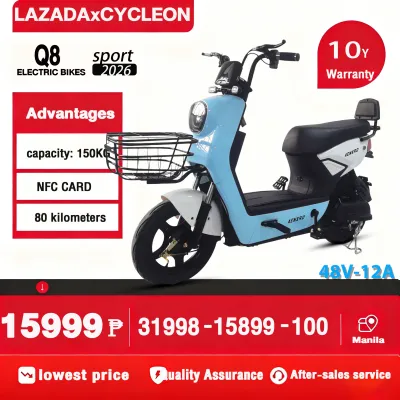
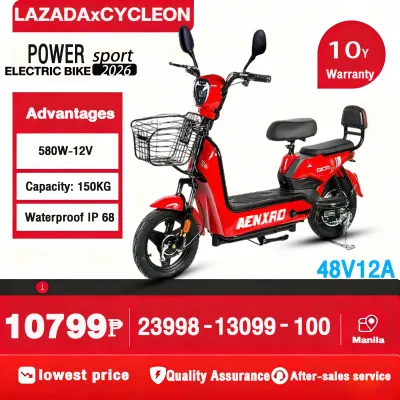
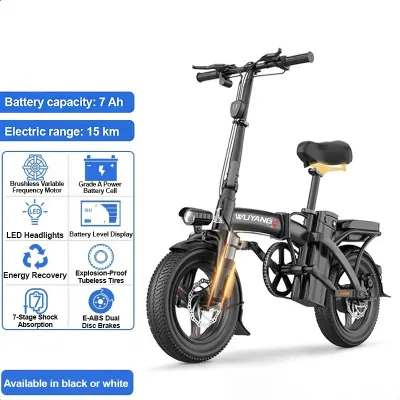
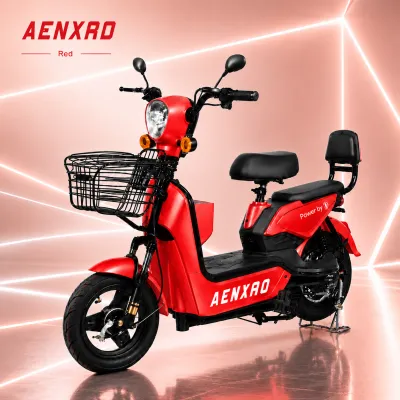
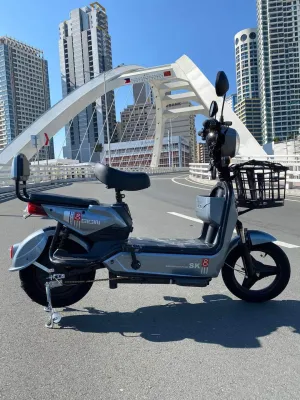
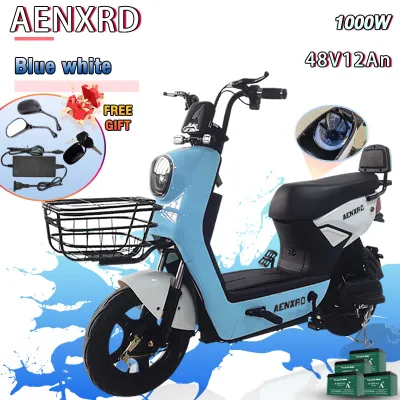
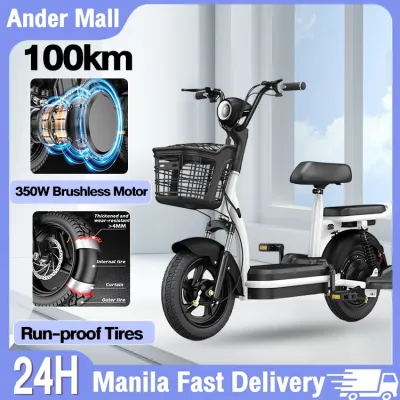
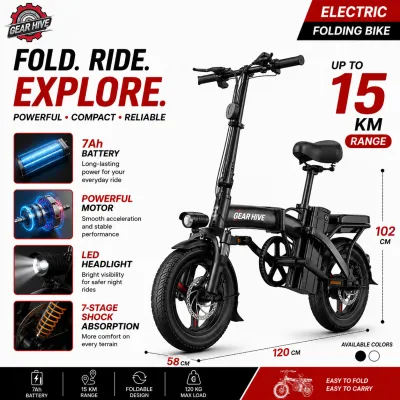
Prices are valid at publication and may change. Please refer to the product page for the latest price.
Battery capacity is another critical specification, measured in Watt-hours (Wh). This value is calculated by multiplying the battery’s voltage (V) by its Amp-hour (Ah) rating. For example, a 48V 10Ah battery provides approximately 480Wh of capacity. To estimate your real-world range, consider that a typical adult rider consumes between 10 to 15 Watt-hours per kilometer under moderate pedal-assist on flat terrain. This means a 480Wh battery might deliver roughly 32 to 48 kilometers of range under ideal conditions.
However, real-world range is highly variable and depends on several external factors. Heavy stop-and-go traffic, strong headwinds, low tire pressure, carrying heavy cargo, or climbing steep flyovers will rapidly drain the battery, reducing your actual mileage. When selecting a battery capacity, always factor in your typical round-trip distance and choose a capacity that exceeds your daily requirement to account for these real-world efficiency losses.
Frame geometry directly impacts your physical comfort and accessibility. Step-through frames feature a low or absent top tube, allowing you to mount and dismount the bike without swinging your leg high over the saddle. This design is highly beneficial for older adults, riders with joint stiffness, or anyone carrying cargo on a rear rack. Step-over frames, featuring a traditional high top tube, offer greater structural rigidity and are common in high-performance or off-road models, but they require more physical flexibility to mount.
Finally, you must verify the manufacturer’s specified payload capacity before purchasing. This limit represents the combined weight of the rider, the bike itself, and all carried gear. Exceeding this limit places excessive stress on the frame welds, spokes, and motor, which can lead to structural failure or premature motor burnout. Always check the manufacturer’s user manual to verify that the bike can safely accommodate your weight plus any daily cargo, such as grocery panniers or work equipment.
Top Styles: Choosing the Right Ebike 2 Wheels for Adults
Selecting the right style of electric bicycle depends on where you plan to ride, how much storage space you have, and your daily transport goals. The three primary categories—city commuters, folding models, and electric mountain bikes—each serve distinct lifestyles and environments.

City Commuter E-Bikes: Best for Daily Urban Travel
City commuter e-bikes are engineered specifically for paved streets, daily utility, and structured urban travel. These bikes prioritize comfort and practicality, typically featuring an upright riding posture that reduces strain on your neck, shoulders, and lower back. This relaxed riding position also improves your field of vision, allowing you to monitor surrounding traffic more effectively.
To ensure daily usability, commuter models are often equipped with built-in accessories. Integrated front and rear lights powered by the main battery ensure you remain visible during early morning or late-night rides. Full-coverage mudguards or fenders protect your clothing from dirty road spray during sudden tropical downpours. Sturdy rear racks allow you to attach panniers or baskets, keeping heavy loads off your back and lowering your center of gravity for a more stable ride.
When evaluating commuter e-bikes, look for puncture-resistant tires with a moderate width (usually between 1.75 and 2.0 inches) to balance rolling efficiency with traction. A motor with moderate power, typically ranging from 250W to 500W, is highly sufficient for navigating flat city avenues and moderate flyovers. Keep in mind that commuter e-bikes are generally larger and heavier than standard bicycles, often weighing between 22 and 28 kilograms. Because they do not fold, you will need a secure, dedicated storage space at home and a reliable locking system when parking at your destination.
Folding E-Bikes: Best for Mixed Commutes and Small Spaces
Folding e-bikes offer unparalleled versatility for urban dwellers who face limited storage space or need to combine cycling with other forms of transportation. If you live in a high-rise condominium, work in an office without dedicated bike parking, or plan to carry your bike inside the trunk of a car or onto public transit, a folding model is highly practical.
The most significant trade-off of a folding e-bike is its wheel size, which typically ranges from 16 to 20 inches. Smaller wheels make the bike incredibly compact when folded, but they offer less roll-over capability than standard 26-inch or 29-inch wheels. On uneven surfaces, potholes, or cracked asphalt, smaller wheels deliver a bumpier ride and require active steering to maintain stability. It is essential to ride at moderate speeds and scan the road ahead to avoid sudden impacts.
When shopping for a folding model, carefully inspect the durability of the folding hinges and latches, as these joints bear significant structural stress. Look for double-locking safety mechanisms that prevent accidental unfolding while riding. Additionally, verify the total weight of the bike. While folding e-bikes are compact, the addition of a motor and battery means they still weigh between 18 and 24 kilograms. Ensure you can comfortably lift and carry this weight if you need to navigate stairs or load the bike into a vehicle. These models are ideal for short-to-medium commutes and last-mile connectivity rather than long-distance touring.
Electric Mountain Bikes (e-MTBs): Best for Trails and Rough Terrain
Electric mountain bikes are designed for riders who want to explore unpaved paths, gravel trails, and rugged off-road terrain. These bikes feature robust frames, wide knobby tires for superior grip on loose dirt, and powerful motors designed to deliver high torque at low speeds to help you conquer steep, technical climbs.
A key feature of any quality e-MTB is its suspension system. Front suspension forks (hardtail) or dual suspension systems (full suspension) absorb heavy impacts from rocks, roots, and ruts, keeping your tires in contact with the ground for maximum control. Because off-road riding requires precise speed modulation, e-MTBs are almost exclusively equipped with powerful hydraulic disc brakes, which offer consistent stopping power in wet, muddy, or dusty conditions.
However, riders must recognize the safety boundaries of these high-performance machines. Electric mountain bikes are significantly heavier than traditional mountain bikes, often exceeding 24 kilograms, which alters how the bike handles on descents and tight turns. They are also generally more expensive due to their heavy-duty components and specialized motors. Riding off-road requires specific bike-handling skills, physical conditioning, and appropriate protective gear, including a well-fitted helmet, gloves, and knee pads. The electric motor assists your pedaling effort, but it does not replace proper training, trail etiquette, or personal judgment.
Local Buying Checklist: Compliance, Weather, and After-Sales
In the Philippines, the Land Transportation Office (LTO) regulates electric vehicles to ensure road safety. E-bikes are categorized based on their maximum design speed and motor wattage. Low-speed electric bicycles that require pedaling to move and have a maximum speed limit of 25 km/h generally do not require vehicle registration or a driver’s license, though they may be restricted to designated bike lanes and local streets. Conversely, high-power electric two-wheelers that can operate solely on throttle power or exceed 25 km/h may require official registration and a valid driver’s license. Before making a purchase, verify the exact specifications of the e-bike and consult the latest LTO administrative orders to ensure you comply with local road regulations in your specific municipality.
The Philippine climate is characterized by high humidity, intense heat, and sudden, heavy downpours, especially during the monsoon season. To protect your investment, you must verify the e-bike’s Ingress Protection (IP) rating. An IP rating consists of two numbers: the first indicates protection against solid particles (like dust), and the second indicates protection against liquids. Look for an e-bike with a minimum rating of IP54 (protected against dust and water splashes from any direction) or IP65 (dust-tight and protected against water jets). Avoid riding models with low or unspecified IP ratings in wet conditions, as water entry can permanently damage the electronic controller, battery management system, or motor.
An e-bike is a significant financial investment that requires ongoing maintenance. Before purchasing, research the manufacturer’s local footprint. Confirm whether the brand has authorized service centers near your area and if they employ certified technicians who can diagnose electrical issues. Ask the retailer about the availability of replacement parts, specifically the battery pack, electronic controller, throttle, and display screen. Because electronic components can vary widely between brands, buying a model with no local parts support means that a simple component failure could render your e-bike permanently unusable while you wait months for imported parts.
Battery Care and Maintenance for Tropical Weather
Lithium-ion batteries are highly sensitive to temperature extremes. The combination of high ambient temperatures and direct tropical sunlight in the Philippines can accelerate the chemical degradation inside the battery cells. This degradation permanently reduces the battery’s overall capacity and shortens its operational lifespan.
To prolong your battery’s life, establish a safe charging routine. Never connect the battery to a charger immediately after completing a ride; the internal cells are already warm from discharging, and charging them immediately will cause further heat buildup. Allow the battery to cool down in a shaded area for at least 30 minutes before plugging it in. Always use the original charger provided by the manufacturer, as third-party chargers may not deliver the correct voltage or shut off automatically when charging is complete.
When parking or storing your e-bike, choose a cool, dry, and shaded location. Avoid leaving the bike parked under direct sunlight for extended periods, as this can cause the battery casing to reach dangerously high temperatures. If you do not plan to ride the e-bike for several weeks, store the battery at a partial charge level—ideally between 20% and 80%—rather than leaving it completely empty or fully charged to 100%, which places mechanical stress on the internal chemistry.
Inspect your battery regularly for physical signs of damage, such as cracking, denting, or swelling (bloating). A swollen battery indicates internal gas buildup and represents a severe fire hazard. Never attempt to open, puncture, disassemble, or repair a damaged or swollen battery pack. If you observe any physical abnormalities or if the battery becomes excessively hot during use or charging, immediately disconnect it, place it in a safe, non-flammable outdoor area away from combustible materials, and consult a qualified professional or the manufacturer for proper disposal and replacement.
Frequently Asked Questions (FAQ)
Do I need a license or registration to ride an e-bike in the Philippines?
Whether you need a driver’s license or vehicle registration depends entirely on the e-bike’s maximum speed and motor wattage under current Land Transportation Office (LTO) regulations. Generally, low-speed pedal-assist electric bicycles with a maximum speed of 25 km/h do not require registration or a license, though they are typically restricted to bike lanes and barangay roads. Faster, high-power models that operate primarily via throttle and exceed these limits are classified as light electric vehicles or motorcycles, requiring registration and a driver’s license. Because local ordinances and national regulations can update, always check the latest LTO administrative orders before riding on public roads.
Can I ride my e-bike in heavy rain or through floods?
While most quality e-bikes are designed to withstand light rain and splashes, you should avoid riding in heavy downpours or through standing floodwaters. Check your e-bike’s specific IP rating to understand its water resistance limits. Never submerge the motor, battery compartment, or electronic controller in water, as doing so can cause immediate short circuits, permanent hardware damage, and potential safety hazards. If you must ride in wet weather, ensure all electrical ports are sealed, and dry the entire bike thoroughly with a clean, soft towel immediately after your ride to prevent rust and electrical corrosion.
Community discussion
Share your experience or ask a question. Comments are reviewed before publication.