
Choosing an alternative to traditional two-wheeled transportation has become a practical necessity for many Filipino households. An ebike 3 wheels for adults offers an ideal balance of stability, passenger safety, and cargo utility, making it a popular sight on barangay roads and subdivision streets. Unlike two-wheeled electric bikes, these three-wheeled models do not require balancing at complete stops, making them highly accessible for older adults, fetch-and-drop school routines, and neighborhood errands.
To find the right electric trike, you must match the vehicle’s design to your specific daily routines. A model built to squeeze through tight urban traffic handles differently than a heavy-duty cargo hauler or a comfort-focused leisure cruiser. Understanding these design differences, along with local road regulations and battery maintenance in a tropical climate, ensures you invest in a vehicle that is safe, legal, and durable.
How to Choose the Right 3-Wheel Ebike for Your Needs
The primary appeal of a three-wheeled electric bike lies in its inherent stability. Because the vehicle supported by three contact points remains upright on its own, riders do not need to support the weight of the bike with their legs when waiting at intersections or loading cargo. This characteristic makes three-wheelers highly practical for carrying heavy groceries, transport bags, or passengers without the risk of tipping over.
Products mentioned in this guide
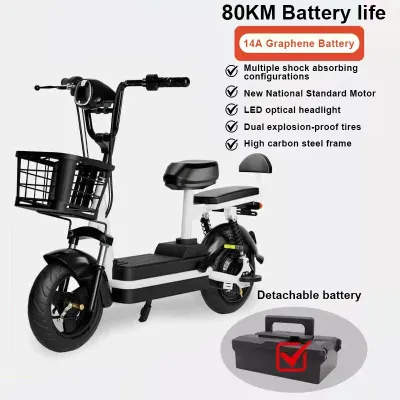
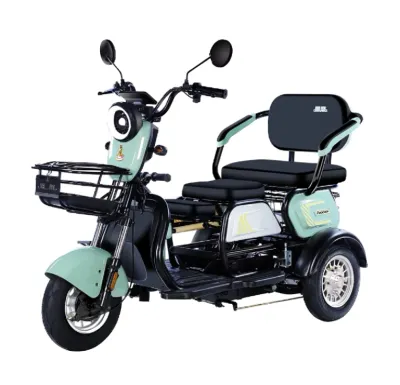
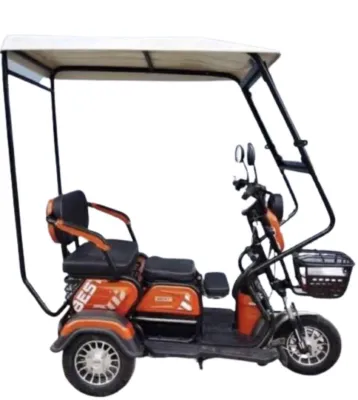
Prices are valid at publication and may change. Please refer to the product page for the latest price.
When evaluating different models, riders generally fall into one of three profiles: daily urban commuters, leisure riders, or cargo haulers. Commuters need compact dimensions to navigate narrow side streets and store the vehicle in limited garage spaces. Leisure riders prioritize plush seating, low step-through frames, and smooth suspension for relaxed neighborhood trips. Cargo haulers require reinforced steel frames, high-torque motors, and large storage baskets to move heavy loads or commercial goods.
Selecting the wrong category can lead to frustration. A heavy cargo trike is often too wide and heavy to maneuver easily through dense city traffic, while a compact folding model will lack the power and structural reinforcement needed to haul multiple bags of rice or water gallons. Before making a purchase, assess your typical route, storage limitations, and payload requirements to narrow down your choices.
Best 3-Wheel Ebikes for Daily Commuting and City Traffic
Daily commuting in Philippine cities requires an electric trike that can handle tight spaces, frequent stops, and unpredictable road surfaces. An urban commuter trike must balance a compact footprint with enough range to complete round trips without mid-day charging. For those living in apartments or townhouses, the physical size of the ebike is a critical factor for indoor storage.

NWOW ERV
The NWOW ERV is a highly recognizable compact electric trike on local roads, widely used for short-distance neighborhood commuting. According to manufacturer specifications, it features a 350W to 500W motor paired with a 48V 20Ah lead-acid battery, offering a typical range of 40 to 50 kilometers on a single charge and a top speed of around 25 km/h. Its relatively narrow track width allows it to slip through traffic lanes more easily than wider cargo models.
- Key Advantage: The sliding seat mechanism allows the rider to adjust the configuration from a single-seater to a two-passenger setup, making it highly versatile for quick school drop-offs.
- Limitation: The smaller wheel diameter can make for a bumpy ride on uneven provincial roads or cracked concrete streets.
Hatasu Mako 2
The Hatasu Mako 2 is designed specifically for family commuting and daily neighborhood transport. It features a 650W differential motor and a 48V 20Ah battery, which provides the necessary torque to carry up to three passengers (including the driver) over moderate inclines. The manufacturer-stated range is up to 50 to 60 kilometers under optimal riding conditions.
- Key Advantage: The integrated canopy and front windshield offer basic protection from the intense sun and sudden tropical rain showers.
- Limitation: The wider rear axle requires careful lane positioning and a larger turning radius when navigating narrow city alleys.
Navigating Urban Obstacles Safely
When riding a three-wheeled ebike in city traffic, you must adapt to its unique physical footprint. Because the rear axle is significantly wider than the front handlebars, you cannot squeeze through tight gaps between cars as easily as you would on a two-wheeled bicycle. Always check your side mirrors before turning, and remain aware of blind spots, as larger vehicles on busy roads may not easily spot a low-profile electric trike.
Best 3-Wheel Ebikes for Leisure and Comfort Riding
Leisure and recreational riding prioritize rider comfort, ease of mounting, and simple controls over high speeds or maximum cargo capacity. These models are ideal for seniors, individuals with minor mobility challenges, or anyone who wants a relaxed ride around subdivisions, local parks, or flat coastal roads.
Hatasu Haru
The Hatasu Haru is a compact, single-seater electric trike designed for straightforward, comfortable neighborhood trips. It is equipped with a 350W motor and a 48V 20Ah battery, delivering a user-friendly top speed of 25 km/h. Its step-through frame makes mounting and dismounting exceptionally easy for riders of all ages.
- Key Advantage: The minimalist design and lightweight frame make it highly maneuverable and easy to park in small spaces.
- Limitation: It lacks a rear passenger seat, limiting its utility strictly to solo recreational riding or light solo errands.
NWOW ARS
The NWOW ARS focuses on passenger comfort with a design that emphasizes plush seating and smooth acceleration. It typically features a 500W motor and robust front suspension forks that help absorb road vibrations from gravel paths or brick-paved subdivision roads.
- Key Advantage: The wide, cushioned saddle with an integrated backrest reduces lower back strain during longer, relaxed rides.
- Limitation: The heavy overall weight of the steel frame makes it difficult to lift or transport on standard car racks if you plan to take it to distant parks.
Handling Dynamics of Rigid Trikes
First-time riders must understand that rigid three-wheelers handle differently than two-wheeled bikes. Because a rigid trike does not lean into turns, steering relies entirely on turning the handlebars. Taking a corner too fast can cause the inner rear wheel to lift off the ground, creating a tipping hazard. To ride safely, always slow down significantly before initiating a turn, and shift your body weight slightly toward the inside of the curve to maintain stability.
Best 3-Wheel Ebikes for Cargo, Groceries, and Heavy Loads
For households running local businesses, hauling water gallons, or bringing home large grocery loads from the public market, a heavy-duty cargo ebike is a highly cost-effective utility vehicle. These models feature reinforced frames, high-torque drivetrains, and heavy-duty braking systems designed to manage substantial payloads safely.
NWOW DFS
The NWOW DFS is a robust, cargo-centric electric trike frequently utilized by small businesses and delivery services. It features a high-torque motor and a large, dedicated rear cargo box that can be locked to secure goods. Its heavy-duty leaf spring suspension is designed specifically to handle heavy, uneven loads over daily routes.
- Key Advantage: The secure, covered cargo compartment protects goods from dust, rain, and theft during transport.
- Limitation: The commercial-grade size makes it highly impractical for casual personal use or parking in standard residential carports.
Hatasu Hero
The Hatasu Hero is a multi-use heavy-duty trike designed to transition between passenger transport and cargo hauling. It features a high-capacity rear bench that can be folded down to create a flat cargo bed, supported by a 650W differential motor that provides excellent climbing ability on moderate subdivision inclines.
- Key Advantage: The convertible seating design allows you to switch from carrying family members to hauling heavy sacks of rice or supplies in seconds.
- Limitation: When fully loaded, the vehicle's braking distance increases significantly, requiring a highly cautious driving style.
Safety and Maintenance Under Heavy Loads
Exceeding the manufacturer’s stated weight limits poses severe safety risks. Heavy payloads put immense stress on the rear axle, spokes, and motor, which can lead to sudden mechanical failure. Furthermore, carrying maximum capacity significantly reduces your battery range and increases your stopping distance. Always inspect your brakes before hauling a heavy load, and ensure your tires are inflated to the manufacturer’s recommended pressure to prevent pinch flats and rim damage.
Key Specs and Local Rules to Verify Before You Buy
To make an informed purchase, compare the key technical specifications of these popular models side-by-side to see which matches your daily route and payload requirements.
| Model | Motor Power (W) | Battery Capacity | Max Payload (kg) | Top Speed (km/h) |
|---|---|---|---|---|
| NWOW ERV | 350W – 500W | 48V 20Ah Lead-Acid | 150 kg | ~25 km/h |
| Hatasu Mako 2 | 650W | 48V 20Ah Lead-Acid | 250 kg | ~25 km/h |
| Hatasu Haru | 350W | 48V 20Ah Lead-Acid | 100 kg | ~25 km/h |
| NWOW ARS | 500W | 48V 20Ah Lead-Acid | 180 kg | ~25 km/h |
| NWOW DFS | 1000W | 60V 45Ah Lead-Acid | 300 kg | ~30 km/h |
| Hatasu Hero | 650W | 48V 20Ah Lead-Acid | 250 kg | ~25 km/h |
Battery Care in a Tropical Climate
The hot and humid climate of the Philippines requires strict battery maintenance practices to prevent premature degradation. Never plug in your ebike’s battery immediately after a long ride; allow the battery pack to cool down for at least 30 to 45 minutes to prevent thermal runaway. Always charge the vehicle in a shaded, well-ventilated area away from direct sunlight, and avoid leaving the charger connected overnight once the battery reaches full capacity.
Navigating LTO Regulations and Road Restrictions
Before purchasing an electric trike, you must familiarize yourself with the latest Land Transportation Office (LTO) guidelines regarding micro-mobility devices. In the Philippines, electric trikes are generally classified based on their top speed and weight. Low-speed electric trikes (with speeds under 25 km/h) typically do not require registration or a driver’s license, but their use is strictly restricted to barangay roads, bike lanes, and designated local streets.
Faster or heavier three-wheelers (classified under L2a or L2b categories) may require official LTO registration and a valid driver’s license. Regardless of the model, electric trikes are strictly prohibited from traversing national highways, major thoroughfares, and high-speed expressways. Always check your local municipal ordinances, as some cities implement additional restrictions or require specific local permits for electric tricycles.
Purchasing Channels and After-Sales Support
It is highly recommended to purchase your 3-wheel ebike from official brand flagship stores, authorized local dealers, or highly reputable online marketplaces that offer local physical service centers. Avoid buying from parallel importers who do not provide a clear warranty. Ensure the dealer offers a comprehensive warranty on the motor, controller, and battery, and verify that they stock replacement parts like brake pads, tires, and chargers locally so your vehicle does not sit idle during repairs.
Frequently Asked Questions (FAQ)
Are 3-wheel ebikes safer than 2-wheel ebikes for seniors?
Three-wheel ebikes offer excellent stability at low speeds and complete stops, eliminating the need for the rider to balance a heavy frame with their legs. This makes them highly accessible for seniors or individuals with balance concerns. However, they require a different steering approach; because they do not lean, riders must slow down significantly when taking turns to prevent the vehicle from tipping. As long as the rider practices conservative cornering speeds, a three-wheeler is an exceptionally stable and safe option.
Can I ride a 3-wheel ebike in the rain?
Most reputable electric trikes feature basic water-resistance ratings that allow them to be ridden in light to moderate rain. However, you must check your specific model’s user manual for its limits and avoid riding through deep puddles or flooded streets, as submerging the hub motor or battery compartment can cause permanent electrical damage. After riding in a tropical downpour, dry the frame and electrical contact points with a clean cloth, and store the vehicle in a dry, covered area.
How long does a 3-wheel ebike battery typically last?
Standard lead-acid batteries commonly found in local electric trikes typically last between 300 to 500 charge cycles, which translates to roughly 1 to 2 years of daily use before you notice a significant drop in range. Lithium-ion battery upgrades, while more expensive initially, can last between 800 to 1,500 cycles (approximately 3 to 5 years). Frequent heavy cargo hauling, climbing steep hills, and charging the battery while it is still hot will accelerate battery degradation and shorten its overall lifespan.
Community discussion
Share your experience or ask a question. Comments are reviewed before publication.