
Why Choose a 3-Wheel Scooter Over a 2-Wheel Model?
If you are looking to purchase a 3 wheels scooter for adult riders, you are likely seeking a balance between active mobility and reliable stability. Unlike traditional two-wheel kick scooters, which require continuous forward momentum and active core engagement to remain upright, three-wheel configurations offer inherent self-standing stability. This design significantly lowers the barrier to entry for individuals who may feel apprehensive about their balance, making it an excellent alternative for navigating paved urban environments.
The primary appeal of a three-wheel setup lies in its predictable handling. For beginners who did not grow up riding skateboards or bicycles, the extra wheel provides immediate confidence on the pavement. Older adults looking for a low-impact way to stay active, as well as individuals recovering from minor balance-affecting injuries, often find that the wider footprint reduces physical fatigue. Instead of constantly bracing to maintain equilibrium, riders can focus on enjoying a relaxed, fluid glide.
These scooters are highly optimized for smooth, paved urban paths, concrete park walkways, and seaside boardwalks. In the Philippines, they are increasingly popular for weekend recreation in spaces like the CCP Complex, Bonifacio Global City (BGC) pavements, or local subdivision roads. Understanding how these models perform on typical tropical road surfaces will help you set realistic expectations for your daily rides.
Products mentioned in this guide
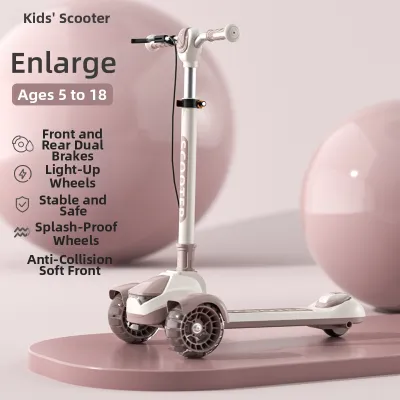
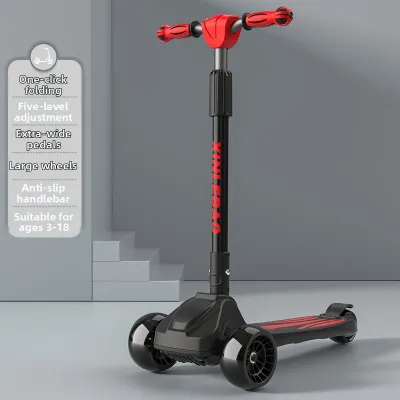
Prices are valid at publication and may change. Please refer to the product page for the latest price.
Key Features to Evaluate Before Buying a 3 Wheels Scooter for Adult Riders
Selecting the right adult scooter requires looking beyond aesthetic appeal to evaluate structural specifications. Because adult bodies exert significantly more force on a scooter frame than children do, checking the manufacturer’s technical data sheets is an essential first step.

Weight Capacity and Deck Size
Adult-grade models must feature robust structural limits, typically rated to support 100 kilograms or more. Never assume that a scooter labeled for “teens and adults” automatically supports your weight; always verify the maximum load capacity in the official specifications. Additionally, look for a wide, long deck. A spacious deck allows you to place both feet comfortably—either side-by-side or at a slight angle—which dramatically reduces foot and leg fatigue during extended riding sessions.
Wheel Configuration and Material
Three-wheel scooters generally come in two primary layouts: two wheels in the front (often utilizing a lean-to-steer mechanism) or two wheels in the rear.
- Front-Two Wheel Configuration: This setup offers superior stability during forward motion and steering. It uses a "lean-to-steer" system similar to skateboarding, allowing you to carve smooth turns by shifting your body weight.
- Rear-Two Wheel Configuration: This layout behaves more like a traditional tricycle. While highly stable when standing still, it can sometimes result in heel-clipping if the rear axle is wide and your kicking stride is tight.
In terms of wheel material, polyurethane (PU) is the industry standard. High-rebound PU wheels offer low rolling resistance, meaning you can travel farther with each kick on smooth concrete. However, on rough asphalt or concrete with prominent expansion joints, PU wheels can transmit noticeable vibrations. Softer rubber wheels or pneumatic (air-filled) tires provide better shock absorption, though they add overall weight to the scooter.
Braking Systems
Reliable stopping power is non-negotiable for adult riders. The most common braking mechanism is the rear fender foot brake, which operates by pressing your heel down onto the rear mudguard to friction-brake the wheel. Premium adult models may also feature a hand-operated brake mounted on the handlebar, which controls a front or rear caliper brake. For heavier riders or those who expect to navigate gentle slopes, a dual-braking system combining both hand and foot brakes offers the highest level of safety.
Portability and Folding Mechanism
While three-wheel scooters excel in stability, they are inherently bulkier and heavier than two-wheel models. If you plan to integrate your scooter into a multi-modal commute—such as carrying it onto the MRT/LRT or stowing it in the trunk of a compact car—look for a model with a secure, quick-release folding mechanism. Ensure the folding joint locks tightly without any play, as loose joints can rattle and compromise steering precision over time.
Handlebar Adjustability
To prevent lower back strain, the handlebars must adjust to match your height. When standing flat on the deck, the handlebars should ideally align with your hip or belly button, allowing your elbows to bend at a comfortable, relaxed angle. Look for telescoping T-bars that feature secure clamp locks and detent pins to prevent the column from slipping downward while you ride.
Top 3-Wheel Scooter Recommendations by Use Case
Because product availability and prices fluctuate in the Philippine market, it is best to view these recommendations as benchmarks for quality and design. Premium brands like Globber and Micro Kickboard are typically distributed through specialized outdoor gear retailers, high-end toy stores, or official brand stores on local ecommerce platforms. Expect price points to range from approximately ₱6,000 to ₱15,000, depending on the model’s complexity and import factors.
Best for Daily Commuting and Urban Travel
For riders who need to navigate busy sidewalks and transition smoothly between riding and carrying, the Globber Ultimum serves as an excellent benchmark for commuter-focused design.
This model is specifically engineered for older teens and adults, supporting a maximum weight capacity of 100kg. It features a patented elliptic folding system that allows the scooter to be folded with a simple button press. Once folded, it can be easily wheeled behind you like a trolley, which is highly convenient when walking through office lobbies, shopping malls, or transit stations. It also features a wide, curved deck with high-traction grip tape and a 6-height adjustable T-bar to accommodate taller riders.
- Pros: Highly adjustable handlebar height, patented steering control system that lets you adjust the turning radius, and an easy-to-use trolley mode for excellent portability.
- Cons: Weighing roughly 4.6kg, it is heavier than basic aluminum two-wheelers. The hard polyurethane wheels do not absorb heavy vibrations well, making rough or cracked pavements uncomfortable over long distances.
Best for Leisure Cruising and Park Rides
If your primary goal is weekend relaxation, smooth carving, and maximum riding comfort, the Micro Kickboard Original (or its wide-wheeled sibling, the Micro Kickboard Monster) is highly recommended.
This series is famous for its patented flexible deck made of wood and fiberglass. The deck acts as a natural suspension system, flexing slightly under your weight to absorb road vibrations and concrete joints. It supports up to 100kg and features a unique three-wheel layout that allows for a surf-like carving experience. The Monster version comes equipped with extra-wide, fat polyurethane wheels that provide exceptional grip and stability on smooth asphalt and park paths.
- Pros: Outstanding vibration dampening due to the flexible fiberglass deck, interchangeable steering options (choose between a traditional T-bar or a single-hand joystick), and a highly fluid carving motion.
- Cons: The flexible deck design makes it less compact when folded compared to standard commuter models. It also sits at a premium price point, often exceeding ₱12,000 in local specialty stores.
Best for Maximum Stability and Rehabilitation
For riders who require a highly stable platform due to balance limitations, mild physical rehabilitation, or a need for a lower center of gravity, a low-deck, wide-track model like the Globber Ultimum with Steering Lock is the ideal choice.
This category of scooter features an exceptionally low deck height, minimizing the distance you have to lift your foot to kick or step off. The wide front track provides a highly stable base that resists tipping even when the scooter is stationary. Crucially, the Globber Ultimum features a patented steering control dial on the front of the deck. By tightening this dial, you can lock the steering mechanism so the wheels only move in a straight line, eliminating the lateral instability that can cause beginners to lose control.
- Pros: Lockable steering mechanism for predictable straight-line riding, very low deck height for easy mounting, and a highly stable wheel track.
- Cons: Limited maneuverability when the steering lock is fully engaged, and a wider footprint that requires more space on narrow pathways.
- Safety Boundary: If you are using a scooter for physical therapy or rehabilitation, always consult a healthcare professional or physical therapist before riding. Strictly adhere to the manufacturer's stated weight limits and operate the vehicle only on flat, level indoor or outdoor surfaces.
Safety Checks and Routine Maintenance
To ensure the longevity of your scooter and protect your personal safety, establish a routine of regular inspections and basic maintenance. This is especially important in the Philippines, where high humidity and sudden tropical downpours can accelerate wear on mechanical components.
Pre-Ride Checks
Before every ride, perform a quick physical inspection of your scooter to verify its structural integrity:
- Folding Lock: Ensure the folding mechanism is fully engaged and the safety collar or clamp is locked tightly.
- Brake Responsiveness: Push the scooter forward and press down on the rear fender or squeeze the hand brake to confirm the wheel stops immediately.
- Axle and Handlebar Bolts: Give the front and rear wheels a quick shake to ensure there is no lateral play. Check that the handlebar clamp is tight and the T-bar does not twist independently of the front wheels.
Routine Maintenance
Keeping your scooter clean and lubricated will prevent premature wear and keep your rides smooth:
- Wipe Down the Frame: After riding through dusty areas or humid coastal paths, wipe down the deck and frame with a damp cloth to remove dirt and sweat. Avoid spraying water directly at the wheel bearings, as this can wash away internal grease and lead to rust.
- Bearing Care: If your wheels begin to squeak or spin poorly, apply a few drops of specialized synthetic bearing lubricant (such as speed cream) to the bearing shields. Avoid using household penetrating oils, which can attract dirt and degrade the internal grease.
- Tighten Hardware: Periodically check all exposed bolts and nuts using the hex keys provided by the manufacturer, paying close attention to the steering column and wheel axles.
Safety Boundaries
Standard three-wheel adult kick scooters are designed strictly for smooth, paved surfaces. Never ride on wet, muddy, or sandy paths, as water drastically reduces tire traction and compromises braking performance. Always wear a properly fitted helmet and closed-toe shoes with good grip. Finally, be aware that modifying the scooter frame, installing non-compatible third-party wheels, or altering the braking system will void the manufacturer’s warranty and may compromise the structural safety of the vehicle.
Frequently Asked Questions (FAQ)
Are 3-wheel scooters suitable for long-distance commuting?
Manual three-wheel kick scooters are generally not recommended for long-distance commutes exceeding 3 to 5 kilometers. Because they rely on manual kicking, the wider footprint and slightly higher rolling resistance compared to slim two-wheel scooters can lead to physical fatigue over long distances. For extended travel, an electric three-wheel scooter is a more practical option, though these are significantly heavier, require battery management, and are subject to local traffic regulations.
Can I ride a 3-wheel scooter on rough or unpaved roads?
No, standard three-wheel adult scooters are not built for rough, unpaved, or gravel roads. The small polyurethane wheels and rigid frames are designed for smooth concrete or asphalt; riding them on uneven terrain can cause the wheels to catch on debris, potentially throwing you off balance. Unless a model is explicitly rated by the manufacturer for off-road use and equipped with large, air-filled pneumatic tires, stick strictly to flat, paved surfaces.
Do I need to register a kick or electric 3-wheel scooter in the Philippines?
Manual kick scooters do not require registration with the Land Transportation Office (LTO) in the Philippines, as they are classified as personal mobility devices or toys. However, if you choose an electric three-wheel scooter, registration and licensing requirements depend on the vehicle’s maximum speed and motor wattage under current LTO guidelines. Always check the latest LTO administrative orders and your local Local Government Unit (LGU) ordinances, as some cities restrict micromobility devices from major national highways and primary public roads.
Community discussion
Share your experience or ask a question. Comments are reviewed before publication.