
Finding the right abs exercise equipment for a home workout in the Philippines requires balancing fitness goals with the practical realities of local living spaces. While many associate core training with endless sit-ups on the floor, building a strong, functional midsection involves targeting several distinct movement patterns. These include flexion, rotation, anti-extension, and stabilization. No single fitness tool can address all of these patterns perfectly for every individual. The ideal equipment for your home gym is one that matches your current physical strength, fits comfortably within your living area, and respects your budget. By understanding how different tools target the core, you can make an informed decision that supports long-term progress without cluttering your home.
How to Choose the Right Abs Equipment for Your Home
Selecting fitness gear for a home setup in the Philippines involves evaluating several environmental and physical factors. First, consider your available floor space, ceiling height, and storage options. Many residential spaces, particularly condominiums and apartments in urban areas like Metro Manila, have limited square footage. If you need to pack your gear away after every session, compact and highly portable options are preferable to bulky, stationary machines. Additionally, the local climate is characterized by high humidity and warm temperatures, which can accelerate the wear of certain materials. Metal components may rust if not treated or wiped down regularly, while cheap plastics and low-grade foam grips can degrade quickly under heavy sweat.
Second, match the equipment’s resistance and stability requirements to your current core strength and physical condition. If you have a history of lower back pain or joint discomfort, high-tension tools that require advanced stabilization can increase the risk of injury. Beginners should prioritize equipment that offers scalable resistance or assists in maintaining proper spinal alignment. Advanced trainers, on the other hand, will require tools that allow for progressive overload to continue stimulating muscle growth and strength adaptations.
Products mentioned in this guide
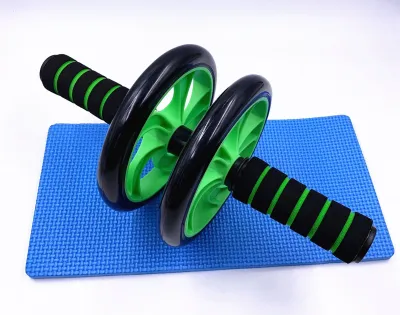
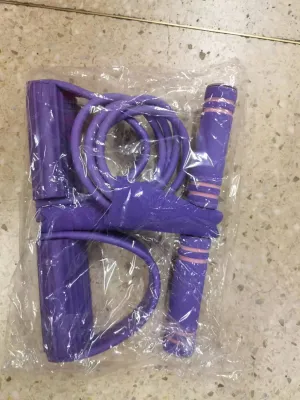
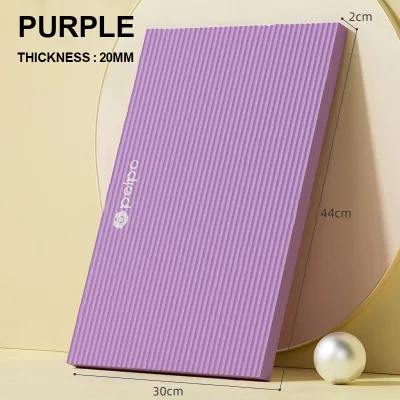
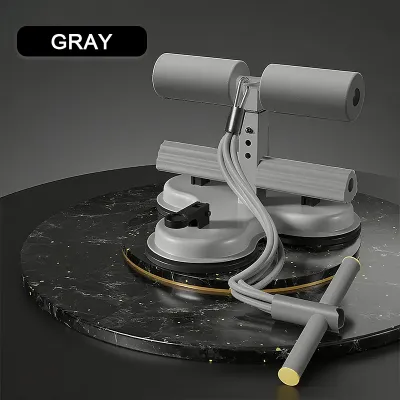
![[Upgrade]sit ups assistant Home Gym Double Suction Sit Up Bar exercise equipment abs workout set up](https://img.lazcdn.com/g/p/65e3886f3c7944a6d5cee56696e1d4d1.jpg_400x400q80.jpg_.webp)
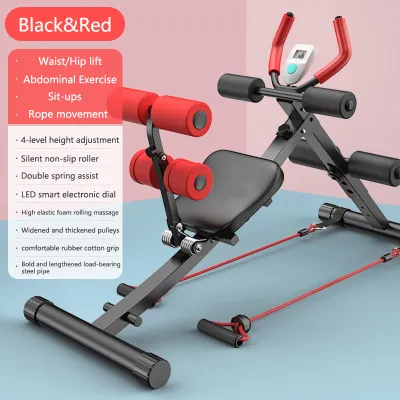
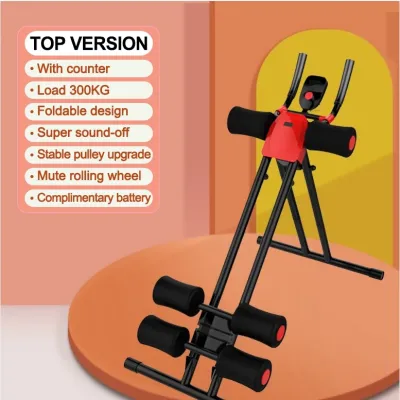
Prices are valid at publication and may change. Please refer to the product page for the latest price.
Third, consider the type of flooring in your workout area. Many Filipino homes feature ceramic tiles, polished concrete, or smooth vinyl flooring. These surfaces can become slippery when wet with sweat, which poses a safety hazard during dynamic core exercises. You may need to pair your equipment with a high-grip exercise mat to ensure stability and protect your floors from scratches.
Finally, evaluate your budget against the durability and long-term usability of the equipment. While budget-friendly options are widely available on e-commerce platforms, extremely cheap fitness gear often compromises on safety and material thickness. Investing slightly more in high-quality materials—such as anti-burst PVC for stability balls or heavy-duty steel for pull-up stations—ensures the equipment remains safe to use over hundreds of workouts. Always check the manufacturer’s specified weight limits and material grades before making a purchase, as these indicators are crucial for preventing equipment failure during dynamic movements.
Top Types of Abs Exercise Equipment for Home Gyms
To build a comprehensive home workout routine, it helps to understand the primary categories of core training tools available. These range from simple, low-impact accessories to large, stationary structures designed for advanced bodyweight movements. Each type of equipment serves a specific training mechanism, making some better suited for building raw strength, while others excel at improving balance, coordination, or rotational power.

As you plan your home gym, aim for a progression that matches your development. Beginners often benefit from tools that provide external support or low-impact resistance, allowing them to master basic movement patterns. As your core stability improves, you can transition to high-tension gear that challenges your ability to resist spinal extension and rotation. Selecting equipment that allows for progressive overload ensures that your workouts remain challenging and effective over time.
Ab Rollers and Core Wheels
Ab rollers and core wheels are highly effective tools for intermediate and advanced fitness enthusiasts focusing on anti-extension strength. The rollout movement forces the abdominal wall to contract intensely to prevent the lower back from sagging as you roll forward. However, this high-tension exercise requires a solid baseline of core strength to execute safely.
When shopping for an ab roller, check the wheel width and tread design. A wider wheel or a dual-wheel configuration provides greater lateral stability, making it easier to maintain a straight path and reducing the risk of tipping sideways. Models with rubberized treads offer better grip on common Philippine flooring materials, such as ceramic tiles or polished concrete, preventing slipping during the extension phase.
Handle ergonomics and structural integrity are equally important. Verify that the handles feature non-slip, sweat-resistant grips to prevent your hands from sliding when workouts get intense in warm weather. Check the manufacturer’s weight capacity labels to ensure the internal shaft can support your body weight under load. Because rollouts place significant stress on the knees when performed on hard floors, look for packages that include a thick foam knee pad, or purchase one separately to protect your joints.
Because rollouts place significant stress on the wrists, shoulders, and lower back, maintaining a neutral spine is critical. If you cannot prevent your lower back from arching, stop the movement immediately and shorten your range of motion to avoid lumbar strain.
Resistance Bands and Core Sliders
For those with limited space or a modest budget, resistance bands and core sliders offer an incredibly versatile and low-impact solution. These tools are highly portable, making them easy to store in a drawer or pack in a bag for travel. They allow you to perform a wide variety of exercises that target the obliques and deep stabilizing muscles without putting heavy pressure on your joints.
Resistance bands are particularly useful for rotational and anti-rotation exercises, such as the Pallof press or standing woodchops. When selecting bands, look for sets that offer multiple tension levels, typically ranging from light to extra-heavy. This variety allows you to gradually increase the resistance as your strength improves. Ensure the bands come with secure door anchors and comfortable handles. Before every workout, inspect the bands for micro-tears, discoloration, or dry rot, which can occur more rapidly in humid tropical climates. Storing them in a cool, dry place away from direct sunlight will help prolong their lifespan.
Core sliders, or gliding discs, are double-sided discs used to perform smooth, continuous movements like mountain climbers, pike-ups, and lateral lunges. Check the slider material compatibility with your home flooring. Most sliders feature a smooth plastic side for carpets and a padded fabric side for hard surfaces like tiles or hardwood. Using the correct side prevents scratches on your floors and ensures a smooth, uninterrupted glide that keeps your core under constant tension.
Stability Balls and Medicine Balls
Stability balls and medicine balls introduce instability and weighted resistance to traditional core exercises, making them excellent multi-functional additions to any home gym. By forcing your body to constantly adjust to an unstable surface or a moving center of gravity, these tools engage deep stabilizing muscles that are often missed during floor-based crunches.
When choosing a stability ball, it is crucial to match the ball’s diameter to your height to maintain proper pelvic alignment. Generally, a 55 cm ball is suitable for individuals under 5’4″, a 65 cm ball works well for those between 5’4″ and 5’11”, and a 75 cm ball is best for taller users. Always verify the anti-burst rating on the product label. High-quality stability balls are designed to deflate slowly if punctured, preventing sudden falls and potential injuries. When inflating the ball for the first time, use the provided hand pump and measure the diameter to ensure it is not over-inflated or under-inflated.
Medicine balls are ideal for adding resistance to movements like Russian twists, sit-ups, and overhead reaches. Select the ball’s weight based on your current strength and the speed of your movements; a ball that is too heavy can compromise your form and strain your shoulders. Look for textured rubber surfaces that provide a secure grip, even when your hands are wet with sweat. If you plan to perform dynamic slamming movements, ensure the ball is specifically rated as a slam ball to prevent it from bouncing back or splitting open upon impact.
Power Towers and Captain's Chairs
If you have a dedicated workout area and want to invest in heavy-duty gear, a power tower or Captain’s chair is an excellent choice for advanced core training. These stationary units allow you to perform hanging leg raises, knee tucks, and oblique twists, which are highly effective for targeting the lower abdominals and hip flexors.
Before purchasing a power tower, carefully measure your ceiling height and the unit’s floor footprint. Standard residential ceilings in the Philippines may not offer enough clearance for your head during pull-ups or for your legs during dynamic raises. Ensure there is at least 30 to 50 centimeters of clearance between the top of the tower and your ceiling to avoid injury.
Structural stability is paramount for safety. Check the base width, the thickness of the steel frame, and the overall unit weight. A heavier tower with a wide, flared base is less likely to wobble or tip during dynamic leg raises. Review the manufacturer’s maximum user weight capacity to ensure it can safely support your body. Additionally, evaluate the backrest padding and armrest ergonomics. Thick, high-density foam padding covered in sweat-resistant vinyl will provide the necessary support for your lower back and forearms, allowing you to focus entirely on contracting your core. Ensure the unit has non-slip rubber feet to prevent it from sliding on smooth tiles or scratching wooden floors.
What to Check Before Buying Fitness Gear Online in the Philippines
Purchasing fitness equipment online offers convenience and access to a wide variety of brands, but it also requires careful verification to avoid low-quality or unsafe products. Because you cannot physically inspect the items before they arrive, you must rely on specific indicators to assess their quality and durability.
Start by cross-referencing seller ratings and verified buyer reviews on e-commerce platforms. Look specifically for reviews that include photos or videos of the product in use, as these often provide a more accurate representation of the item’s actual size, color, and material quality. Pay close attention to feedback regarding long-term durability, especially comments mentioning how well the equipment holds up under regular use or in humid conditions.
Next, look for clear manufacturer specifications on the product page. Reliable fitness brands provide detailed information about load limits, material compositions (such as high-grade steel, non-toxic PVC, or natural latex), and safety certifications. If a listing lacks these details or uses vague marketing terms without concrete specifications, it is best to look for an alternative.
Additionally, factor in shipping fees and delivery logistics. Heavy or bulky items like power towers, medicine balls, or stability balls can incur high shipping costs, especially if you live in provinces outside Metro Manila. Confirm the seller’s return policies, warranty coverage, and customer support accessibility. Shipping heavy fitness gear can sometimes result in damaged packaging or missing parts. A reliable seller should offer a clear return window and a straightforward process for replacing defective components. Checking these details before finalizing your purchase protects your investment and ensures you receive safe, functional equipment for your home workouts.
Frequently Asked Questions (FAQ)
Can I build visible abs using only home equipment?
Yes, you can build strong, well-defined abdominal muscles using home equipment, but visibility depends heavily on your overall body fat percentage. While equipment like ab rollers, resistance bands, and stability balls stimulates muscle hypertrophy and increases core strength, these muscles will remain hidden beneath a layer of subcutaneous fat if your body fat percentage is too high. To make your abs visible, you must combine consistent core training with a structured nutritional plan that promotes a caloric deficit, leading to overall fat loss. Consistency in both your diet and your workout routine is far more important for aesthetic results than relying on any single piece of fitness gear.
Are ab belts and electronic muscle stimulators effective?
Electronic muscle stimulation (EMS) belts are often marketed as effortless solutions for toning the midsection, but they are not an effective substitute for active exercise. These devices use electrical currents to cause passive muscle contractions, which can assist in physical therapy or muscle rehabilitation under professional guidance. However, they do not build functional strength, improve cardiovascular health, or burn a significant number of calories. To stimulate muscle growth and improve core stability, your muscles need to actively contract against resistance through a full range of motion. For real strength gains and body composition changes, rely on active training equipment rather than passive stimulation devices.
Community discussion
Share your experience or ask a question. Comments are reviewed before publication.