
Choosing the ideal adidas belt bag for women runners in the Philippines requires balancing storage capacity, bounce-free stability, and high-performance materials that can withstand intense tropical humidity. The optimal choice depends on your typical running distance, the specific gear you need to carry, and how you prefer to distribute weight across your body. For minimalist runners who only need to secure a smartphone and a house key, a sleek, high-elasticity running belt is the most efficient option. Conversely, long-distance trail runners or run-commuters who require space for energy gels, hydration flasks, or light rain jackets will benefit more from a structured utility waist pack or a versatile crossbody hybrid.
Running in a tropical climate presents unique challenges that standard lifestyle bags cannot accommodate. High sweat volume, sudden monsoon downpours, and the constant friction of movement mean that your choice of running gear directly impacts your comfort and performance. By evaluating how different Adidas designs handle these factors, you can select a bag that supports your running gait without causing distraction or discomfort.
Quick Guide: What to Look for in a Running Belt Bag
Finding the right adidas belt bag for women runners involves assessing your personal routine and the specific environments where you log your kilometers. A runner training for a marathon on the paved streets of Bonifacio Global City will have vastly different gear requirements than someone completing quick intervals on a local track or navigating a humid trail. The “best” bag is one that matches your specific mileage and carrying habits while remaining virtually unnoticeable during your stride.
Products mentioned in this guide

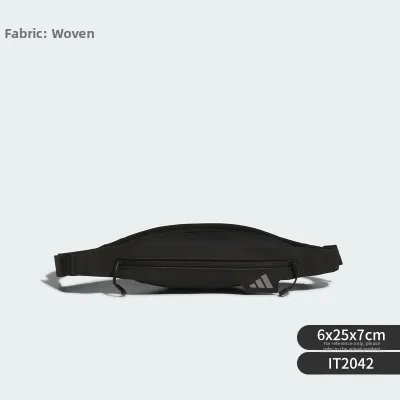



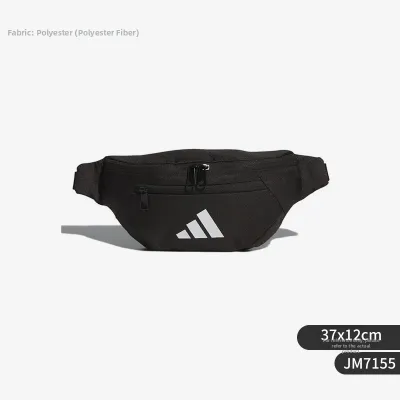
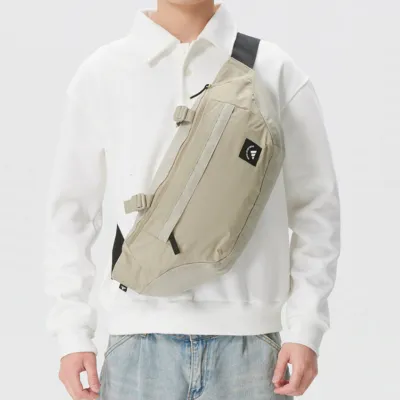

Prices are valid at publication and may change. Please refer to the product page for the latest price.
In the Philippines, climate factors must remain at the forefront of your decision-making process. High relative humidity prevents sweat from evaporating quickly, meaning any gear resting against your body will trap heat and moisture. Furthermore, the local weather can transition from intense sunshine to a sudden tropical shower within minutes, making water resistance a critical consideration for protecting your electronic devices.
To simplify your search, focus on three core evaluation dimensions: stability, capacity, and climate adaptability. Stability refers to how well the bag resists bouncing or shifting as your body moves vertically. Capacity dictates whether the bag can hold modern, large-format smartphones and nutrition packs without stretching to the point of damage. Climate adaptability covers how well the materials breathe against your skin and how effectively they protect your valuables from external moisture.
Key Features for Running in the Philippine Climate
Weather and Sweat Resistance
When running in tropical conditions, your gear is constantly exposed to moisture from both the environment and your own body. Heavy sweating can saturate standard fabrics, potentially damaging sensitive electronics like car keys or smartphones stored inside. Look for Adidas bags constructed from water-repellent materials or those featuring specialized coatings designed to shed moisture.

It is important to check the manufacturer’s product tags for exact water-resistance ratings rather than assuming all synthetic fabrics are waterproof. Many running belts utilize lightweight polyester or nylon treated with a Durable Water Repellent (DWR) finish, which easily handles light drizzle and sweat but may not withstand a torrential downpour. For maximum protection during the rainy season, verify if the zippers are taped or reverse-coiled to prevent water from seeping through the teeth.
Breathability and Chafing Prevention
Continuous friction between wet fabric and skin is the primary cause of painful chafing during long runs. To mitigate this, prioritize belt bags that feature breathable mesh back panels, often utilizing Adidas Aeroready or air-mesh technologies. These specialized structures allow air to circulate between the bag and your waist, accelerating moisture evaporation and keeping your skin cooler.
Additionally, inspect the construction of the strap and the edges of the pouch. Soft, bound seams and seamless edge transitions prevent the bag from digging into your waistline or rubbing against your running shorts. If you prefer to wear your belt bag directly against your skin or under a crop top, these smooth material finishes become even more critical for preventing red welts and irritation.
Anti-Bounce and Strap Security
Every time your foot strikes the ground, a vertical force is transmitted through your body, causing unsecured gear to bounce out of phase with your natural running rhythm. This constant movement is not only distracting but can also alter your running posture, leading to premature fatigue or muscle strain. A high-quality running belt must feature a wide, adjustable, and non-slip strap to counteract this vertical oscillation.
Wide straps distribute the weight of the bag over a larger surface area, reducing localized pressure points on your hips or lower back. Look for heavy-duty tension buckles that lock securely into place and do not slip gradually under the weight of a heavy phone. Some advanced Adidas running belts incorporate silicone grip strips on the interior lining to help the band adhere to your clothing, preventing the bag from riding up toward your waist.
Capacity vs. Weight
Achieving the perfect balance between carrying capacity and overall weight is an ongoing challenge for runners. While it is tempting to choose a larger bag to carry extra items like sunscreen, wet wipes, and multiple energy bars, excess weight can significantly hinder your running economy. Every additional gram requires more energy to carry over long distances.
Evaluate your true essentials before selecting a bag size. If your daily run only requires a phone, a single key, and some emergency cash, a minimalist pouch that weighs under 100 grams when empty is highly recommended. If you are run-commuting and must carry a lightweight windbreaker, transit cards, and small personal care items, a slightly larger utility pack is necessary, but you must be prepared to adjust the fit tighter to compensate for the added mass.
Comparing Adidas Belt Bag Styles for Different Running Needs
Compact Running Belts and Minimalist Pouches
Compact running belts represent the pinnacle of streamlined, performance-oriented design. These bags typically feature a narrow, highly elastic band with a low-profile pouch that expands only when items are inserted. Made from lightweight elastane and polyester blends, they are designed to sit flush against your pelvic bones, minimizing any potential for movement.
- Pros: Virtually zero bounce, exceptionally lightweight, highly aerodynamic, and easily concealed under a running shirt.
- Cons: Extremely limited storage capacity; may struggle to accommodate bulky phone cases or multiple items simultaneously.
- Target User: Ideal for speed workouts, track sessions, short road runs, or race days where maintaining a fast pace and minimizing weight are your primary goals.
These minimalist pouches are engineered to carry only the bare essentials. When packing a compact belt, you will generally be limited to a slim smartphone, a house key secured to an internal clip, and a couple of energy gels. The tight fit ensures that these items remain pressed firmly against your body, preventing them from shifting or clattering together as you run.
Utility and Crossbody Belt Bags
Utility belt bags and crossbody hybrids offer a versatile middle ground for runners who require more storage space and appreciate multi-functional gear. These bags often feature a more structured, rectangular shape with multiple zippered compartments, allowing you to organize your gear systematically. They are designed to be worn either traditionally around the waist or diagonally across the chest as a sling.
- Pros: Superior organization with dedicated pockets, larger capacity for modern smartphones, and a stylish design that transitions easily to casual wear.
- Cons: Increased potential for bouncing or swaying during high-intensity runs if the strap is not tightened correctly.
- Target User: Best suited for long-distance road runners, trail runners, or those who maintain a steady, moderate pace and require quick access to nutrition or navigation tools.
When worn as a crossbody bag, these styles provide excellent accessibility, allowing you to slide the pouch to your chest to grab an energy gel or check your running app without stopping. However, because a diagonal strap does not lock onto the pelvic structure as securely as a waist belt, you may experience some lateral movement during fast sprints. Tightening the strap so the bag sits high and snug against your upper back or chest is key to minimizing this movement.
Classic Waist Bags for Run-Commuters
Classic waist bags, often associated with lifestyle lines like Adidas Originals or heavy-duty training collections, feature a boxier profile and are constructed from durable, non-stretchy fabrics like ripstop nylon or heavy canvas. These bags prioritize maximum volume and durability over pure athletic performance, making them highly robust carrying solutions.
- Pros: High storage capacity, excellent durability, multiple compartments, and a rugged aesthetic that handles daily wear and tear.
- Cons: Bulkier profile, heavier empty weight, and a high tendency to bounce or cause heat buildup during vigorous running.
- Target User: Recommended primarily for run-commuters, casual joggers who combine their workouts with daily errands, or post-run recovery walks.
For run-commuters who jog to the office or the gym, these classic waist bags are highly practical. They easily accommodate daily essentials such as a wallet, keys, work ID, a small hand sanitizer, and even a lightweight change of clothes or a packable towel. Because these bags lack the elastic, body-hugging properties of dedicated running belts, they are best utilized for low-intensity jogging or walking where high-speed stability is not a primary requirement.
How to Adjust and Wear Your Belt Bag for a Bounce-Free Run
Placement
To achieve a stable, bounce-free experience, you must position the belt bag correctly relative to your body’s center of gravity. For dedicated running belts, the most stable position is low on the hips, resting just above your gluteal muscles and locking onto the pelvic bone structure. This positioning prevents the bag from bouncing because the pelvis undergoes less vertical movement during the running gait cycle than the soft tissue of the upper waist.
If you are using a larger utility pack or a classic waist bag, positioning the pouch in the small of your back is often the most comfortable option. Placing the bulk of the weight behind you allows your body to absorb the impact more naturally and keeps your front field of view clear. Conversely, if you need constant access to trail maps or nutrition, wearing the pouch directly in front is acceptable, provided the bag is tightened sufficiently to prevent it from slapping against your thighs.
Strap Tension
Adjusting the strap tension is a delicate balance between securing the bag and maintaining physical comfort. The belt must be tight enough to prevent any shifting, yet loose enough to allow for deep, diaphragmatic breathing and unrestricted hip rotation. A strap that is adjusted too tightly can compress your abdomen, leading to cramping, digestive discomfort, or restricted breathing during intense efforts.
To find the correct tension, put on the bag with your typical running gear inside, stand up straight, and tighten the strap until the pouch feels secure against your body. Take a few deep breaths, expanding your abdomen fully; the strap should feel snug but not restrictive. A reliable rule of thumb is that you should be able to slide two fingers flat beneath the strap comfortably. If the strap cuts into your skin or leaves deep marks after a short test jog, loosen it slightly.
Weight Distribution
How you pack your belt bag significantly influences its stability during movement. Heavy, dense items—most notably your smartphone—should always be placed in the compartment closest to your body and centered horizontally. Keeping the heaviest mass flush against your torso minimizes the leverage it has to pull the bag away from your body, effectively eliminating the pendulum effect that causes swaying.
Lighter, softer items, such as energy gel packets, tissues, or a soft hydration flask, can be placed in outer pockets or toward the sides of the main compartment. If your bag has internal dividers, use them to prevent hard items like keys or coins from sliding around and shifting the weight balance mid-run. Securing loose keys to an internal key clip also prevents annoying jingling noises that can disrupt your mental focus.
Clothing Interaction
The interaction between your belt bag and your running apparel plays a major role in preventing both shifting and chafing. It is highly recommended to wear your belt bag over moisture-wicking synthetic fabrics rather than directly against bare skin. Technical running shirts provide a protective barrier that absorbs friction, significantly reducing the risk of skin irritation during long-distance efforts.
Avoid wearing your belt bag over highly slippery, slick materials such as certain lightweight windbreakers or water-resistant jackets, as these fabrics lack the friction necessary to hold the belt in place. When worn over slippery surfaces, the belt has a natural tendency to slide upward toward the narrowest part of your waist, causing the bag to bounce excessively. If you must wear a windbreaker, place the running belt underneath the jacket or choose a belt with high-friction silicone grips on the interior band.
How to Care for Your Belt Bag in Humid Conditions
Post-Run Cleaning
Sweat is highly corrosive because it contains high concentrations of sodium chloride, urea, and lactic acid, alongside natural body oils and sunscreen residue. If left on your gear, these substances can gradually degrade synthetic fibers, weaken elastic bands, and cause metal or plastic zipper components to seize or corrode. Establishing a consistent post-run cleaning routine is essential for preserving the lifespan of your Adidas gear.
After every sweaty run, empty the bag completely and wipe down both the interior and exterior surfaces with a damp, soft microfiber cloth. For heavily saturated bags, gently hand-wash the pack in cool water using a mild, sports-specific detergent that is formulated to break down body oils without damaging technical fabrics. Avoid using harsh household bleaches or fabric softeners, as these chemicals can strip away water-repellent coatings and destroy the elasticity of the waist strap.
Drying Protocols
Proper drying is critical in the humid climate of the Philippines, where mold, mildew, and unpleasant odors can develop rapidly on damp gear. Once cleaned, hang your belt bag to air-dry in a well-ventilated, shaded indoor area or a spot with indirect outdoor airflow. Ensuring the bag is completely unzipped and suspended open will maximize internal air circulation and accelerate the drying process.
Never expose your running belt to direct, intense tropical sunlight for extended periods, as prolonged UV exposure can break down the synthetic polymers in elastane and nylon, causing them to become brittle and lose their stretch. Similarly, avoid using high-heat mechanical dryers or placing the bag near heating elements, as excessive heat can warp plastic buckles, melt seam tape, and damage water-resistant membrane linings.
Zipper Maintenance
Zippers are often the first component to fail on athletic bags, primarily due to the accumulation of salt crystals from evaporated sweat, trail dust, and fine sand. A stuck or split zipper can render an otherwise perfect belt bag completely unusable. To prevent this, regularly inspect the zipper tracks and clear away any visible debris using a soft, dry toothbrush.
If a zipper begins to feel stiff or sticky, do not force the pull tab, as this can tear the surrounding fabric or bend the zipper teeth. Instead, rinse the zipper track thoroughly with fresh, warm water to dissolve any crystallized salt buildup. Once dry, you can apply a tiny amount of specialized zipper lubricant or beeswax to the teeth to ensure smooth, effortless operation during your runs.
Frequently Asked Questions (FAQ)
Can I fit a large smartphone in a standard Adidas running belt?
Whether a large smartphone will fit depends entirely on the specific dimensions of the Adidas model and the thickness of your phone’s protective case. Minimalist running belts are typically constructed from highly elastic materials that stretch to accommodate modern devices, but they have physical limits. A standard, slim phone will easily slide into most expandable pouches, but oversized models or those equipped with thick, heavy-duty drop-proof cases may stretch the fabric to its absolute limit, making it difficult to zip closed.
To avoid compatibility issues, it is highly recommended to measure your phone with its case on and compare those measurements directly against the manufacturer’s stated compartment dimensions before making a purchase. If you use a very large device, look for Adidas models that feature dedicated, elongated phone pockets or flexible elastane panels designed specifically to hold larger electronics securely without straining the seams.
Are Adidas belt bags fully waterproof for running in heavy rain?
Most Adidas belt bags designed for running are highly water-resistant rather than fully waterproof. This means they are engineered with water-repellent fabrics and treated zippers that easily shed sweat and light rain, keeping your belongings dry during typical workouts. However, they are not designed to be submerged in water, and moisture can eventually seep through the seams or zipper lines during prolonged exposure to heavy tropical downpours.
If you plan to run during the Philippine wet season or anticipate encountering sudden monsoon rains, you should take extra precautions to protect your electronics. Placing your smartphone, car keys, and paper currency inside a simple, sealed zip-top plastic bag before storing them in your running belt is an easy and highly effective way to ensure they remain completely dry, regardless of the weather conditions.
How do I stop my waist bag from riding up while running?
A waist bag riding up toward your torso is usually caused by a combination of improper strap tension, incorrect initial placement, or overloading the bag. When a bag is packed too heavily, its center of gravity shifts, causing it to bounce and naturally migrate upward toward the narrowest part of your waist. To prevent this, ensure that you only carry essential items and that the heaviest objects are centered and positioned flat against your body.
Additionally, make sure you are wearing the belt low on your hips, resting securely on your pelvic structure rather than high on your soft waistline. Tighten the strap so that it is snug and cannot slip, and try wearing the belt over textured, high-friction synthetic running apparel rather than slick, slippery windbreakers. If your bag continues to slide, look for models that feature interior silicone grip strips designed to hold the belt firmly against your clothing.
Community discussion
Share your experience or ask a question. Comments are reviewed before publication.