
Finding the right pair of inline skates can feel like a challenge, especially when shopping for growing children or starting out as an adult beginner. In the Philippines, where recreational spaces range from smooth mall concourses to uneven concrete barangay basketball courts, selecting the right gear is crucial for safety and enjoyment. Adjustable inline skates offer the ultimate solution to this challenge, providing a customizable fit that adapts to growing feet and varying skill levels.
By choosing a pair of adjustable inline skates, you eliminate the need to purchase new equipment every time a child goes through a growth spurt. These skates feature a mechanical frame that expands across multiple shoe sizes with the press of a button or the turn of a key. This adaptability makes them an incredibly cost-effective investment for families and a low-risk entry point for adult beginners who want to explore the sport without committing to expensive, fixed-size professional models.
Before making a purchase, it is important to understand that not all skates are built the same. The local climate, typical skating surfaces, and the physical needs of the skater must all be factored into your decision. This guide will walk you through the essential features to evaluate, recommend specific skate profiles for different age groups, and outline the maintenance steps required to keep your gear performing beautifully in our hot, humid environment.
Products mentioned in this guide
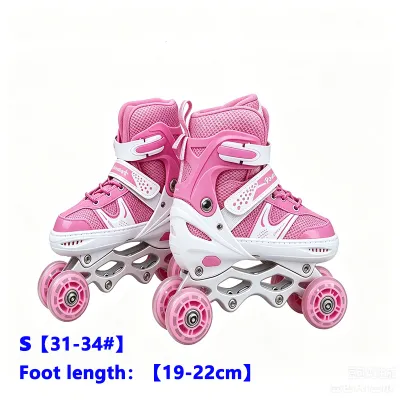
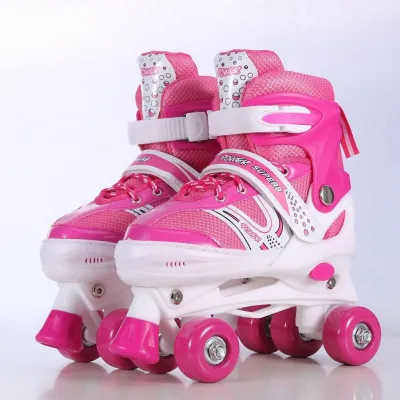
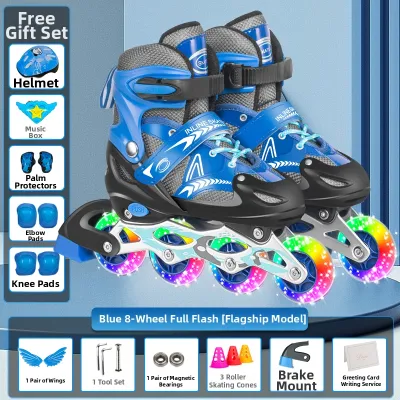
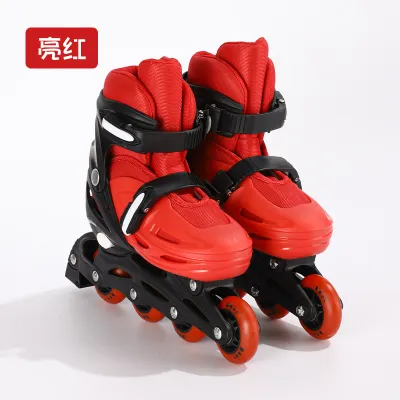
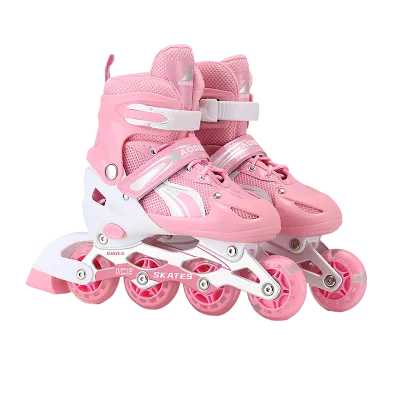
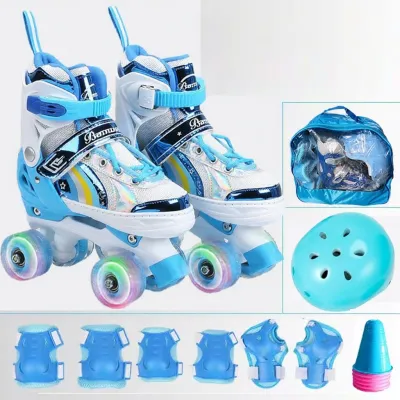
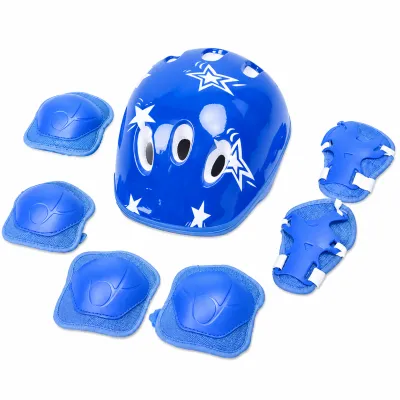
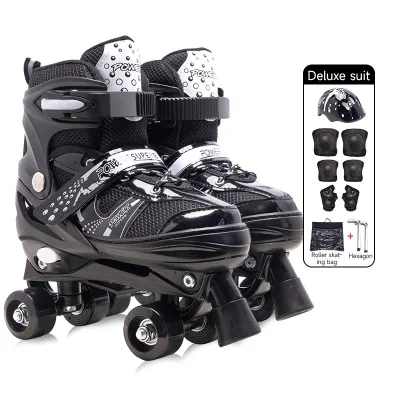
Prices are valid at publication and may change. Please refer to the product page for the latest price.
Why Choose Adjustable Inline Skates for Beginners?
For parents, the primary appeal of adjustable inline skates lies in their exceptional cost-effectiveness. Children’s feet grow at an astonishing rate, often changing by one or two shoe sizes within a single year. Purchasing traditional, fixed-size skates under these conditions quickly becomes an expensive cycle of constant replacements. Adjustable models break this cycle by expanding across three to five full sizes, ensuring that a single pair can comfortably last through multiple growth spurts and years of active use.
Beyond personal savings, these versatile skates offer practical benefits for larger households. In many Filipino families, sharing toys and sports equipment among siblings, cousins, or friends is a common way to maximize value. Because these skates can be resized in seconds, a single pair can easily be shared between children of similar ages, allowing everyone to take turns learning and playing without the family needing to purchase multiple individual pairs.
For adult beginners, the decision to start inline skating often comes with a degree of hesitation. High-end, fixed-size recreational or freestyle skates require a significant financial commitment before you even know if you will enjoy the hobby long-term. Choosing an adjustable pair designed for adults provides an affordable, highly practical way to test your interest, master basic balance, and learn fundamental stopping techniques without a massive upfront financial burden.
Key Features to Evaluate Before Buying
Selecting the perfect pair of adjustable inline skates requires looking beyond bright colors and attractive designs. You must evaluate the physical construction of the boot, the quality of the rolling components, and the safety systems to ensure the skates can withstand local conditions.

Boot Support and Adjustability Mechanisms
The debate between hard-shell and soft-boot designs is one of the first decisions you will face. Hard-shell boots, constructed from molded plastic, offer outstanding lateral ankle support, which is critical for beginners whose ankles have not yet developed the muscle memory to stay upright. This rigid structure prevents pronation—the inward rolling of the ankles—and provides excellent impact protection during inevitable falls. Soft boots, conversely, are made of breathable mesh and fabric, offering immediate comfort and superior ventilation, which can be highly appealing during hot afternoon sessions in the Philippines, though they offer less overall support.
When examining the adjustability mechanism, look closely at how the boot expands. The most common and user-friendly system is the push-button mechanism, where you press a small spring-loaded button on the side of the heel and slide the toe cap forward or backward to lock it into the desired size slot. Tool-adjustable systems, which require an Allen key or a small screw to adjust, are less convenient but offer a highly secure lock that is virtually impossible to slip during intense skating. Regardless of the system, verify that the locking mechanism is robust and does not wiggle or slip when weight is applied.
Additionally, pay close attention to the construction of the inner liner. As the outer plastic shell expands, the inner fabric liner must also adapt to the new size. Some skates use an elasticized toe area that stretches naturally, while others require you to manually adjust the liner. Crucially, look for skates with a removable and washable liner; in our tropical climate, sweat accumulates rapidly, and being able to pull the liner out to wash and dry it is essential for preventing mold, mildew, and unpleasant odors.
Wheel Durometer and Bearings for Local Surfaces
The surfaces you skate on in the Philippines will dictate the type of wheels and bearings your skates should have. Unlike smooth, dedicated indoor rinks, local skating spots are often outdoor concrete basketball courts, rough asphalt roads, or tiled park walkways. To handle these varied and often uneven terrains, look for a wheel durometer (hardness) rating between 82A and 85A. These medium-soft wheels provide excellent shock absorption, cushioning your feet against road vibrations, while offering a reliable grip on both dusty outdoor concrete and smooth mall tiles.
Wheel size is another critical factor that directly influences stability and speed. For young children and absolute beginners, smaller wheels ranging from 70mm to 76mm are ideal because they keep the skater’s center of gravity close to the ground, making it much easier to maintain balance and control speed. Adult beginners, however, will benefit from larger wheels of 80mm or more, as they roll over small pebbles, cracks, and road debris much more smoothly, allowing you to maintain momentum with less physical effort.
The smooth roll of your wheels is determined by the bearings inside them, which are typically rated using the ABEC scale. For beginners, standard ABEC-5 or ABEC-7 bearings are the perfect choice. These ratings offer a smooth, predictable roll without being so fast that they feel uncontrollable for a novice. Furthermore, these standard bearings are highly durable and relatively simple to clean, which is a major advantage when skating on dusty local streets.
Braking Systems and Closure Types
Learning how to stop safely is the most important skill for any beginner skater, making a reliable braking system essential. Almost all beginner-focused adjustable inline skates come equipped with a rubber heel brake, typically pre-installed on the right skate. Ensure the brake pad is made of high-quality, non-marking rubber rather than hard plastic, as rubber provides the necessary friction to slow down safely on sloped driveways or when navigating crowded public parks.
To keep your feet secure and prevent injuries, the skates must feature a highly supportive, multi-part closure system. A proper beginner setup utilizes three distinct closure points working together: a sturdy top cuff buckle to lock the ankle in place, a 45-degree mid-foot strap (using either Velcro or a ratchet buckle) to pull the heel back into the pocket and prevent heel lift, and traditional laces or quick-pull cords over the forefoot to customize the tightness. Avoid skates that rely solely on laces or a single Velcro strap, as they cannot provide the necessary ankle lockdown required to skate safely and comfortably.
Recommended Skate Profiles for Different Beginners
Because specific product availability and prices fluctuate constantly in the local market, it is best to shop using clear “profiles” or archetypes. This approach allows you to identify high-quality skates based on their specifications rather than relying on a single brand or model.
Profiles for Young Children (Ages 4-8)
Skaters in this age group are still developing their physical strength, balance, and motor skills, meaning their gear must be tailored to their physical limits. The ideal skate profile for young children prioritizes lightweight construction to prevent rapid leg fatigue and muscle strain. Look for frames made of high-strength composite plastics, which are significantly lighter than metal frames while still providing plenty of durability for lightweight users.
For maximum stability, seek out setups featuring smaller wheels, typically 70mm to 72mm, arranged in a low-profile 4-wheel configuration. Some specialized toddler skates offer a convertible 3-wheel design that places two wheels at the back and one at the front to help early learners find their balance, though a standard 4-wheel setup is generally better for teaching proper skating posture.
The boot must feature a high, rigid plastic cuff that wraps securely around the ankle to prevent pronation, which can cause discomfort and hinder skill development. Ensure the adjustment mechanism is a simple, foolproof push-button system that parents can operate quickly, and double-check that the buckles are easy enough for small hands to learn to fasten, fostering a sense of independence.
Profiles for Older Kids and Teens
As children grow older, they become more adventurous, skate at higher speeds, and put significantly more stress on their equipment. For pre-teens and teenagers, the ideal skate profile transitions toward greater durability and performance. Look for standard 4-wheel configurations utilizing 76mm to 80mm wheels, which offer a perfect balance between speed, maneuverability, and stability on outdoor pavements.
At this stage, a hard-shell plastic boot is highly recommended. Older kids are more likely to attempt basic tricks, jump off curbs, or skate on rougher street surfaces, making the impact protection and lateral support of a hard shell invaluable. The rigid shell also protects the foot from scrapes and bruises during minor falls.
To handle the increased force of a teenager’s stride, the frame should be made of durable materials like reinforced aluminum or high-grade composite. Aluminum frames are stiffer than plastic, meaning they transfer energy more efficiently from the leg to the wheels, resulting in a smoother, faster ride. Ensure the adjustment mechanism features a heavy-duty locking pin to guarantee the size remains locked even under aggressive use.
Profiles for Adult Beginners
Adult beginners have very different physical needs compared to children, primarily due to their heavier weight and greater height, which shifts their center of gravity upward. The ideal adult beginner profile focuses heavily on structural rigidity and comfort. Look for high-cuff hybrid boots or supportive soft boots that feature reinforced ankle collars, offering a comfortable, forgiving fit for wider feet while still preventing the ankles from bowing outward.
To ensure a smooth, enjoyable ride on local roads, opt for larger wheels, specifically 80mm to 84mm, paired with ABEC-7 or ABEC-9 bearings. This combination glides effortlessly over the cracks, expansion joints, and small pebbles common on Philippine sidewalks, reducing the physical effort required to maintain your momentum and minimizing foot fatigue.
Most importantly, always verify the manufacturer’s maximum weight capacity before purchasing. Many adjustable skates designed for older teens are marketed as “unisex” or “adult-friendly,” but their frames or adjustment tracks may flex under the weight of a full-grown adult. Look for skates with thick, CNC-machined aluminum frames and heavy-duty steel adjustment hardware to ensure the skates remain stable and safe under adult forces.
Essential Safety Gear and Maintenance for Tropical Climates
Roller skating is an incredibly fun and rewarding activity, but it does carry inherent risks of falls and scrapes, especially during the learning phase. Safety gear cannot replace proper training, balance practice, and situational awareness, but it is a non-negotiable investment that dramatically reduces the severity of injuries.
Non-Negotiable Protective Equipment
Every beginner, regardless of age, must wear a properly fitting multi-sport or skate-specific helmet. Unlike bicycle helmets, which are designed primarily for forward impacts, skate helmets extend lower down the back of the head to protect against backward falls, which are common when learning to balance on wheels. Ensure the helmet sits level on the head, covering the forehead, and that the chin strap is adjusted to fit snugly.
Wrist guards are arguably the most crucial piece of protective gear for inline skaters. When losing balance, a beginner’s natural instinct is to put their hands out to break their fall, which often leads to severe wrist strains or fractures. A high-quality wrist guard features a rigid plastic splint on the palm side to absorb the impact and allow the skater to slide forward safely.
Complete your safety gear set with durable knee pads and elbow pads. Look for pads that feature hard plastic caps rather than soft foam, as the hard caps are designed to slide along the concrete, dispersing the force of the impact and preventing painful road rash. Remember, protective gear is not an optional accessory; it is a mandatory part of your equipment that should be worn every single time you put on your skates.
Caring for Skates in Humid Weather
The tropical climate of the Philippines, characterized by high humidity, intense heat, and sudden monsoon downpours, requires diligent maintenance to keep your skates in top condition. Moisture, sweat, and road dust are the primary enemies of skate components, and neglecting them can lead to rusted bearings, warped boots, and foul odors.
After every single skating session, make it a habit to wipe down the frames, wheels, and outer boots with a clean, dry microfiber cloth. This simple step removes fine road dust, sweat, and environmental moisture before they can penetrate the bearings or degrade the metal components. If you happen to skate through a puddle, dry the skates immediately to prevent rust from forming overnight.
Never store your inline skates in direct sunlight or inside the trunk of a hot car. The extreme temperatures that build up in these environments can easily warp plastic boot shells, weaken the adhesives holding the liners together, and dry out the polyurethane wheels, causing them to crack and crumble prematurely. Store your skates in a cool, dry, well-ventilated indoor space instead.
Because skating is a physical workout, sweat will inevitably accumulate inside the boots. Regularly pull out the removable fabric liners and let them air-dry completely in a well-ventilated, shaded area. Avoid using direct heat sources like hair dryers, as this can shrink or misshape the liners. For persistent odors, a light spray of a specialized fabric sanitizer or baking soda can keep them smelling fresh.
Finally, perform periodic checks on all mechanical parts. Use an Allen key to ensure the axle bolts holding the wheels in place are tight and secure. Spin each wheel to check for grinding noises or resistance; if a wheel spins poorly, it is time to clean the bearings and apply a few drops of specialized speed lubricant to restore their smooth rotation.
Where to Buy and What to Expect in the Philippines
Navigating the local market to buy adjustable inline skates requires a careful approach to ensure you receive genuine, safe products. While it may be tempting to purchase ultra-cheap skates from unverified online sellers, these products often use low-grade plastics, brittle frames, and plastic wheels that offer zero grip and pose a significant safety risk. Instead, shop at specialized local sports retailers, official brand flagship stores on major e-commerce platforms, or physical outlets located in major shopping malls.
When shopping, the most common mistake buyers make is relying on their standard shoe size. Sizing standards vary drastically between different skate manufacturers, and a size 38 in one brand may fit completely differently in another. To ensure a perfect fit, place the skater’s foot firmly on a sheet of paper, trace the outline with a pencil held vertically, and measure the maximum length from the heel to the longest toe in centimeters. Use this precise centimeter measurement to consult the brand’s official sizing chart before making your choice.
If you are purchasing online, always review the seller’s return and exchange policies in detail. Because foot shapes vary—some people have wider feet, high arches, or flat feet—a skate that is technically the correct length might still cause painful pressure points. A flexible return policy ensures you can exchange the skates for a different model or size if the physical fit is not comfortable.
For those who prefer to shop in person, take full advantage of being in a physical store. Have the skater try on both skates, adjust them to the correct size, and secure all the buckles and straps. Walk around the store floor to test the comfort, check if the adjustment mechanism locks firmly without any play, and ensure the buckle tension does not slip when the ankle is bent forward.
Frequently Asked Questions (FAQ)
Can adults wear adjustable inline skates?
Yes, many reputable brands manufacture adjustable inline skates specifically designed for adults, typically covering sizes from EU 39 up to EU 45. However, adult skaters must be highly vigilant about checking the manufacturer’s maximum weight limit before buying. Because adults generate significantly more force and carry more weight than children, the skates must feature a highly robust frame—ideally made of thick, reinforced aluminum—and heavy-duty adjustment hardware to prevent the boot and frame from flexing or breaking during use.
How do I know if the adjustable skates fit correctly?
To determine if the skates fit correctly, have the skater stand completely upright with the skates fully buckled and laced. In this position, their toes should lightly brush the front of the inner liner without feeling cramped, pinched, or forced to curl. Next, have them bend their knees forward into a proper skating stance; their toes should slide back slightly from the front, and their heels must remain firmly locked at the very back of the boot without lifting or shifting when they move.
Are 3-wheel skates better for toddlers?
Three-wheel configurations, or skates with a wider, triangular wheel placement, can be beneficial for toddlers and very young children (ages 3 to 5) because they offer a lower center of gravity and a wider base of support, helping them find their balance initially. However, standard four-wheel inline skates remain the gold standard for long-term skill development. Four-wheel setups teach proper edge control, weight distribution, and stride mechanics, making them the better choice for children who plan to continue skating as they grow older.
Community discussion
Share your experience or ask a question. Comments are reviewed before publication.