
Finding the best e-bikes for adults on sale in the Philippines requires balancing promotional discounts with verified specifications tailored to local roads and tropical weather. While seasonal sales on major e-commerce platforms and local bike shops offer significant nominal savings, a true deal is defined by battery safety, motor reliability, and local service support.
Navigating the local market involves understanding which specifications are non-negotiable for daily commuting and which discounts are genuine. High fuel prices and urban traffic have made electric bicycles a highly practical alternative for Filipino commuters. However, choosing a model solely based on a low price tag can lead to premature component failure or safety hazards. This guide outlines how to evaluate discounted adult e-bikes, identify real value, and select the right model for your specific riding environment.
How to Spot Genuine E-Bike Sales and Avoid Fake Discounts
Identifying a genuine discount requires establishing a reliable baseline price before committing to a purchase. Many online retailers and physical shops participate in monthly double-digit sales or holiday clearances, but some may artificially inflate the original manufacturer’s suggested retail price (MSRP) to make a standard price look like a massive discount. To protect your investment, cross-check the advertised sale price against the global MSRP on the official brand website and compare it with the pricing of authorized local dealers.
Products mentioned in this guide
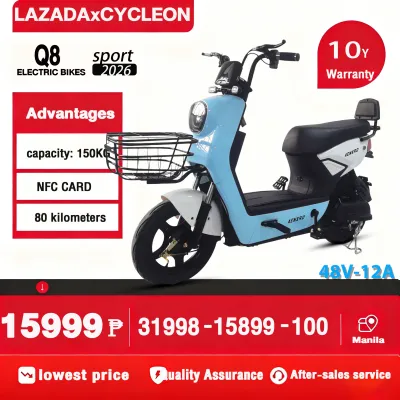
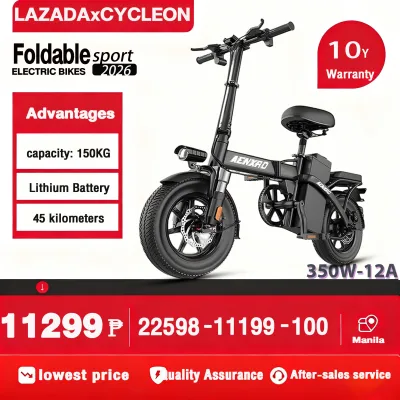
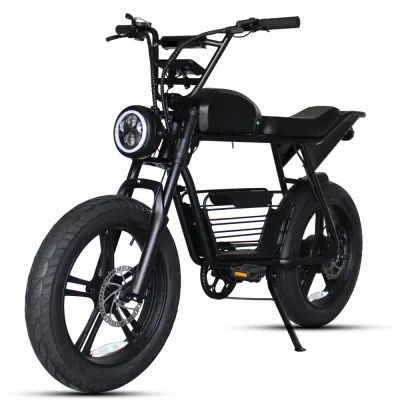
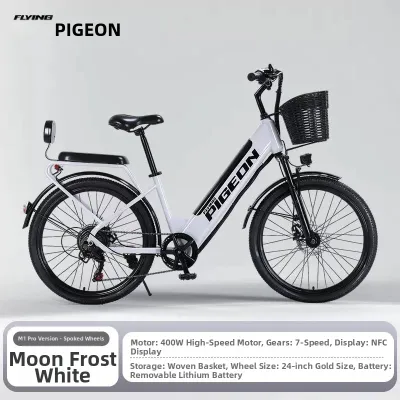
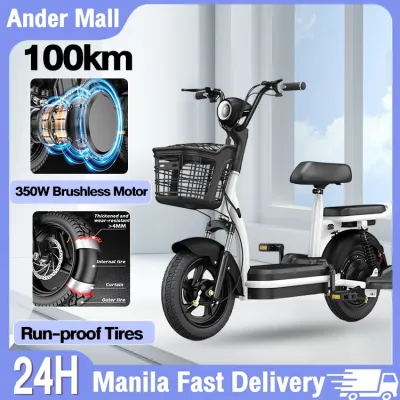
Prices are valid at publication and may change. Please refer to the product page for the latest price.
Be highly cautious of “too good to be true” deals on unverified online storefronts. A high-quality, certified lithium-ion battery pack is the most expensive component of any electric bicycle. If an adult-sized e-bike is advertised at an incredibly low price—such as under ₱15,000 for a full-sized commuter model—the manufacturer may have compromised on battery quality or safety certifications. Uncertified batteries pose severe risks of thermal runaway, overheating, and fire, especially when charged in hot, humid tropical environments.
Before finalizing a purchase during a promotional event, use this verification checklist to ensure the transaction is safe and legitimate:
- Verify Authorized Dealer Status: Check the official global website of the e-bike brand to see if the local seller is listed as an authorized distributor or retailer in the Philippines.
- Request Battery Certification Documents: Ask the seller to confirm if the battery pack carries recognized safety certifications, such as UL 2271 or UN38.3, which prove the battery has undergone rigorous safety testing.
- Compare Historical Pricing: Use price-tracking tools or search historical social media posts from local bike shops to see what the e-bike actually sold for in previous months.
- Confirm After-Sales Support: Ask the seller directly if they stock replacement parts, such as proprietary controllers, displays, and matching battery packs, specifically for the model on sale.
Essential Specs to Evaluate on Discounted Adult E-Bikes
When evaluating a discounted e-bike, do not let a low price distract you from the technical specifications that dictate safety, durability, and daily performance. A cheap e-bike that cannot handle your daily route or breaks down after a heavy rainstorm will ultimately cost more in repairs than a high-quality model bought at a reasonable price.

Battery Capacity and Real-World Range
Battery capacity is measured in Watt-hours (Wh), which is calculated by multiplying the battery’s voltage (V) by its Ampere-hour (Ah) rating. For example, a 48V 10Ah battery has a capacity of 480Wh. When looking at e-bikes on sale, prioritize models with at least 360Wh to 500Wh of capacity if you plan on commuting medium distances.
Always verify if the battery is removable. A removable battery allows you to carry the pack inside your home or office for secure charging, which is highly beneficial for condominium dwellers or those without outdoor power outlets. Keep in mind that real-world range is typically lower than the maximum range claimed by manufacturers. High ambient temperatures in the Philippines, stop-and-go city traffic, steep inclines, and carrying heavy cargo will all drain the battery faster than the ideal test conditions used by brands.
Motor Power and Payload Limits
Adult e-bikes generally feature either hub motors or mid-drive systems. Hub motors, which are integrated directly into the front or rear wheel hub, are common on budget-friendly and mid-range commuter models. They are highly reliable for flat city streets and require very little maintenance. Mid-drive motors are positioned at the bike’s bottom bracket, driving the crank directly. While mid-drive systems offer superior weight distribution and excellent hill-climbing performance on steep terrains, they are generally more expensive and rarely found on deep-discount clearance sales.
Ensure you check the manufacturer’s stated maximum payload capacity before buying. The payload limit must comfortably accommodate your body weight, the weight of your daily cargo, and any aftermarket accessories like racks or child seats. Overloading an e-bike strains the motor, causes the controller to overheat, and significantly reduces the lifespan of the battery and spokes.
Weather Resistance for Tropical Climates
Operating an e-bike in the Philippines means dealing with sudden tropical downpours, high humidity, and occasional flooded streets. Consequently, water resistance is a critical safety specification. Look for an explicit Ingress Protection (IP) rating on the e-bike’s motor, battery, and display housing.
An IPX4 rating indicates resistance to water splashes from any direction, which is the minimum requirement for riding in light rain. An IPX5 or IPX6 rating offers much better protection against heavier downpours and low-pressure water streams. Beyond IP ratings, inspect the e-bike for practical weatherproofing features, such as full-coverage front and rear mudguards, sealed electrical connectors, and internally routed cables that protect wiring from moisture and debris.
Choosing the Right E-Bike Type for Philippine Roads and Weather
Your daily route should dictate the style of e-bike you choose. Buying a model that is poorly suited to your local road infrastructure will result in an uncomfortable ride and accelerated wear on the bicycle.
City Commuting and Paved Roads
If your route consists primarily of paved city streets, designated bike lanes, and flat urban corridors like those in Bonifacio Global City, Makati, or Ortigas, a dedicated city commuter e-bike is highly efficient. For urban environments, look for these specific design features:
- Step-Through Frames: A low-step or step-through frame design makes mounting and dismounting incredibly easy, which is highly practical during frequent stop-and-go traffic or when wearing office attire.
- Narrower, High-Pressure Tires: Tires ranging from 1.5 to 1.75 inches wide provide lower rolling resistance, allowing you to travel faster and conserve battery power on smooth asphalt.
- Integrated Lighting Systems: Built-in LED headlights and taillights powered directly by the main e-bike battery ensure you remain highly visible to jeepneys, buses, and motorcycles during evening commutes.
- Rear Cargo Racks: A sturdy rear rack allows you to mount panniers or a delivery box, keeping heavy backpacks off your shoulders to reduce sweat in hot weather.
Mixed Terrains and Provincial Routes
For riders living in suburban areas, provinces, or cities with poorly maintained roads, potholes, and gravel paths, a rugged e-bike is necessary. If your daily ride involves rough surfaces or steep inclines, prioritize the following specifications:
- Wider, Puncture-Resistant Tires: Tires that are 2.0 to 4.0 inches wide (often called fat tires) provide a larger contact patch, offering superior traction, stability, and natural shock absorption on loose gravel or wet pavement.
- Front Suspension Forks: A suspension fork absorbs the impact of potholes and uneven road seams, reducing hand fatigue and protecting the frame from structural stress.
- Disc Brakes: Hydraulic or mechanical disc brakes are essential for wet and muddy conditions. They provide significantly more stopping power and consistent performance than traditional rim brakes when riding down steep hills or stopping suddenly in heavy rain.
Hidden Costs and Warranty Checks Before You Buy
When calculating your budget for an e-bike on sale, remember that the purchase price is not the final cost of ownership. Several additional expenses must be factored in to ensure a safe and legal riding experience.
First, consider shipping and delivery fees. E-bikes are heavy, bulky items that often weigh between 20 and 35 kilograms. Shipping a large lithium-battery product from a warehouse in Metro Manila to provincial areas in Luzon, Visayas, or Mindanao can add several thousand pesos to your total bill. Additionally, unless you are highly experienced with bicycle mechanics, you should pay a professional local bike shop to assemble and tune the e-bike. Improper home assembly can lead to loose handlebars, misaligned brakes, or damaged electrical connections, which can void your warranty or cause a serious accident.
Second, evaluate your home charging setup. Charging a high-capacity lithium-ion battery safely requires a dedicated, grounded electrical outlet in a well-ventilated area away from direct sunlight or flammable materials. Avoid using cheap, thin extension cords, as high-draw chargers can cause substandard cords to melt or overheat. Investing in a high-quality surge protector is also highly recommended to protect the e-bike’s sensitive electronic controller from sudden power fluctuations.
Finally, pay close attention to the warranty terms of any discounted or clearance e-bike. Some deep-discount sales are classified as “as-is” or “final sale,” meaning they carry no warranty or are limited to a very short return window. Verify if the discount is due to the model being a gray-market import. Gray-market e-bikes are imported outside the official distribution network, meaning local authorized service centers may refuse to service them or supply replacement parts. Always confirm that the manufacturer’s warranty covers the battery, motor, and frame for at least one year, and verify that there is a physical service center in the Philippines capable of diagnosing and repairing that specific brand.
Frequently Asked Questions (FAQ)
Do I need to register my e-bike in the Philippines?
Under current Land Transportation Office (LTO) guidelines, registration and licensing requirements depend entirely on the e-bike’s top speed and motor wattage. Low-speed, pedal-assist electric bicycles (often categorized as Category L1a) with a maximum speed of 25 km/h and a motor power of 250W or less generally do not require LTO registration or a driver’s license. However, these vehicles are typically restricted to local roads, barangay roads, and designated bike lanes. Faster, high-powered e-bikes (such as Category L2b or L3) that can travel over 26 km/h or have motors exceeding 250W require official LTO registration and a valid driver’s license. Always check the latest LTO administrative orders before riding on public highways.
Are return policies different for e-bikes bought on sale?
Yes, return policies are often much stricter for e-bikes purchased during promotional clearances or warehouse sales. Many physical retailers and online marketplace sellers state that deeply discounted items are ineligible for standard refunds or change-of-mind returns. However, under the Consumer Act of the Philippines (Republic Act No. 7394), consumers are legally protected against hidden defects or substandard goods. If a discounted e-bike arrives damaged or has a defective battery, the seller is obligated to repair, replace, or refund the item. Always read the seller’s specific terms and conditions regarding promotional items before making a payment.
How much does it cost to charge an e-bike at home?
Charging an e-bike at home is highly economical. To calculate the cost per charge, multiply your battery’s capacity in kilowatt-hours (kWh) by your local electric utility rate. For example, a 48V 10Ah battery has a capacity of 480Wh, which is equivalent to 0.48 kWh. If your local electricity rate is approximately ₱12 per kWh, a full charge from 0% to 100% will cost roughly ₱5.76. Even when factoring in minor energy losses during the charging process (usually around 15%), charging an adult e-bike remains incredibly cheap compared to the cost of public transportation or gasoline.
Community discussion
Share your experience or ask a question. Comments are reviewed before publication.