
Selecting the right lifejacket for adult water sports is the most critical safety decision you will make before heading out onto the water. Whether you are paddling through the calm waters of El Nido, jet skiing off the coast of Boracay, or training for an open-water swim, your safety gear must match your specific activity. A generic, bulky vest might keep you afloat, but it can severely restrict your movement, cause painful chafing, or even fail under high-speed impacts.
To choose the ideal lifejacket for adult users, you must balance buoyancy, mobility, and the physical demands of your chosen sport. There is no single “universal” lifejacket that excels in every scenario; instead, manufacturers design gear to address specific water conditions, impact risks, and body movements. By understanding these design differences, you can invest in a lifejacket that keeps you safe without compromising your performance or comfort.
Quick Guide: Matching Adult Lifejackets to Your Water Sport
When selecting a lifejacket for adult use, matching the design to your sport ensures both safety and comfort. Here is a quick breakdown of how different activities require distinct styles:
Products mentioned in this guide
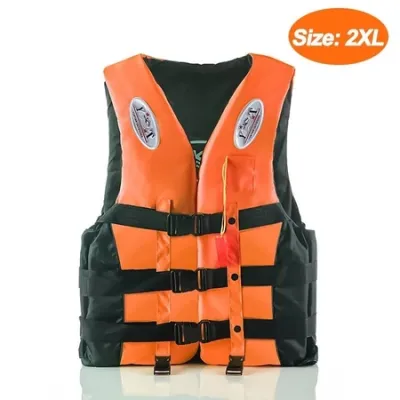
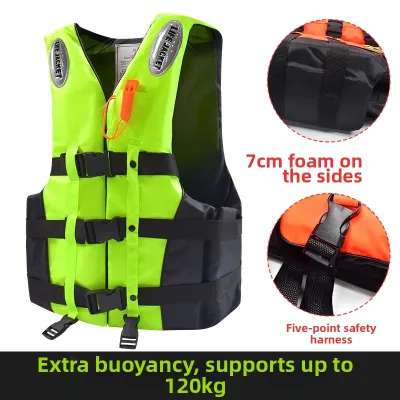
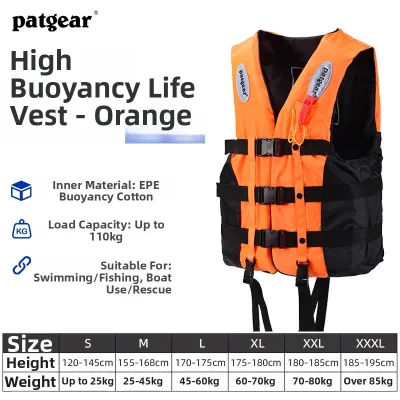
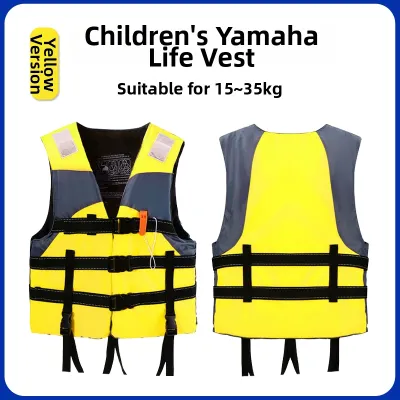
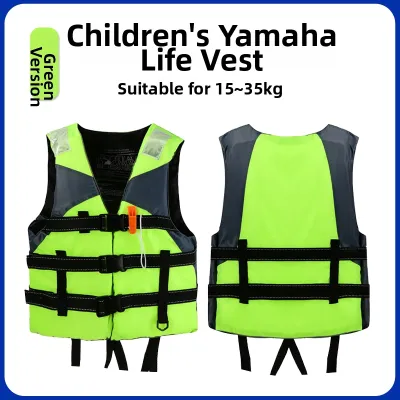
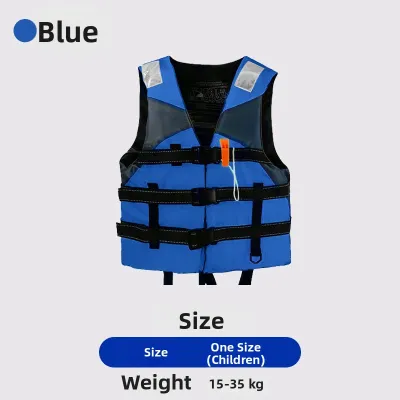
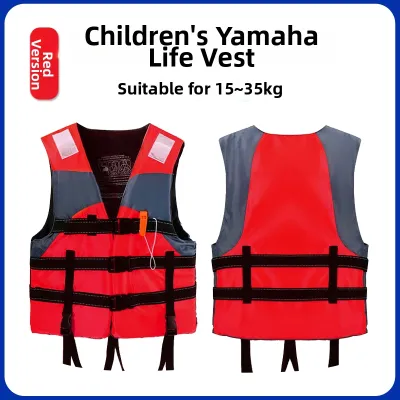
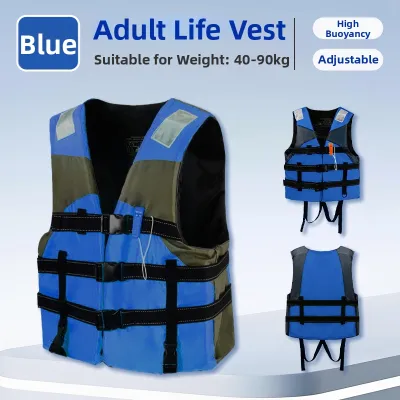
Prices are valid at publication and may change. Please refer to the product page for the latest price.
- Kayaking and Canoeing: These sports require low-profile foam vests featuring deep cutouts around the arms and shorter torso profiles to prevent the vest from riding up while you are seated and paddling.
- Jet Skiing and Tow Sports: High-speed activities demand high-impact, secure-fit vests constructed with heavy-duty closures, multiple straps, and robust materials like neoprene to withstand high-velocity water entries.
- Stand-Up Paddleboarding (SUP): Depending on your swimming proficiency and water conditions, you can choose between a standard high-mobility foam vest or a highly compact, manual inflatable belt pack.
- Open Water Swimming and Snorkeling: These activities require specialized, ultra-low-profile buoyancy aids or oral inflation vests that offer minimal water resistance and maximum shoulder rotation.
Regardless of the sport, a lifejacket can only save your life if you are wearing it. No flotation device can replace fundamental swimming skills, physical fitness, and sound water safety judgment. Always assess the local weather, water currents, and your personal swimming limits before launching.
Understanding Lifejacket Types and Buoyancy Ratings
To make an informed purchase, you must understand the three primary construction styles of adult lifejackets: inherent foam, inflatable, and hybrid designs. Inherent foam lifejackets utilize built-in flotation chambers filled with plastic foam (such as PVC or Gaia foam). These vests are always buoyant, require virtually no preparation to work, and provide reliable flotation the moment you hit the water. In contrast, inflatable lifejackets rely on compressed CO2 cartridges to inflate the bladder. They are incredibly low-profile and comfortable in hot weather, but they require manual pulling of a cord or automatic immersion in water to inflate. Hybrid designs combine a small amount of built-in foam with an inflatable chamber, offering a baseline of passive buoyancy with the option to increase flotation when needed.

When shopping, never rely on generic “one size fits all” marketing claims. You must check the manufacturer’s label on the inside of the vest to verify the specific weight limits and chest size ranges. A lifejacket that is too small will not provide sufficient buoyancy to keep your airway clear of the water, while a vest that is too large can easily slip off over your head during a fall.
In tropical climates like the Philippines, environmental factors play a massive role in equipment longevity. High humidity, intense UV exposure, and constant saltwater contact can rapidly degrade safety gear. Inspect foam vests regularly for signs of fabric tearing, crushed or compressed foam, and sun-faded materials that indicate weakened fibers. For inflatable models, you must regularly verify that the CO2 cartridge is fully charged, unpunctured, and free of rust, and check that the green bobbin indicators are intact.
As a strict safety boundary, inflatable lifejackets are generally not recommended for non-swimmers, children, or anyone participating in high-impact sports. If you are knocked unconscious during a fall, you will be unable to pull the manual inflation cord, rendering a manual inflatable vest completely useless.
Kayaking and Canoeing: Prioritizing Mobility and Comfort
Kayaking and canoeing demand repetitive, long-distance shoulder and arm movements. If your lifejacket is too bulky or sits too high, it will rub against your inner arms, causing severe chafing within minutes. This is why a dedicated paddling lifejacket for adult kayakers features exceptionally large armholes and a low-profile, contoured chest design. Additionally, these vests have shorter torso lengths to prevent the bottom of the jacket from pushing up against your chin when you sit down in a kayak seat.
Modern recreational and touring kayaks often feature high-back seats designed for lumbar support. Standard lifejackets have thick foam throughout the back, which presses awkwardly against these seats, forcing your body forward into an uncomfortable posture. To solve this, select a paddling-specific lifejacket that features a high-back design—where the flotation foam is concentrated on the upper shoulders—or a mesh lower back that sits flat against the seat back while maximizing airflow on hot days.
When evaluating paddling vests, look for practical utility features that enhance safety on open water. Reflective tape or high-visibility colors are essential for ensuring that motorized vessels can spot you in low-light conditions or heavy chop. Built-in D-rings, lash tabs, and expandable zippered pockets allow you to secure vital safety gear, such as a signaling whistle, a rescue knife, or a compact VHF radio, directly to your torso.
Before heading out, always perform a fit test. Put on the lifejacket, secure all zippers and buckles, and tighten the side adjustment straps starting from the bottom up. Once snug, raise your arms high above your head and have a partner pull upward firmly on the shoulder straps. If the vest slides up over your chin, nose, or mouth, tighten the straps further. If it still slides up, the vest is too large, and you must downsize to ensure your safety in a capsize scenario.
Jet Skiing and Tow Sports: High-Impact Protection and Secure Fit
Jet skiing, wakeboarding, and other high-speed tow sports introduce physical forces that standard recreational vests simply cannot handle. Falling into the water at speeds exceeding 40 or 50 km/h can subject your body—and your safety gear—to violent impacts. A standard, loose-fitting paddling vest can easily be ripped open, torn off your body, or pushed up over your head upon impact, leaving you without flotation when you need it most.
For these high-speed activities, you must choose a high-impact rated lifejacket. These vests are specifically engineered to withstand high-velocity water entries without tearing or shifting. Look for robust, secure closure systems that feature heavy-duty front zippers paired with three or four wide, adjustable webbing straps equipped with reinforced buckles. Many high-impact vests also include integrated crotch straps or highly elastic side panels to keep the jacket locked firmly in place around your torso, preventing it from riding up during a high-speed fall.
Material selection is highly important for comfort and protection. Neoprene is the gold standard for high-impact water sports; it stretches to conform closely to your body, provides excellent impact absorption against the water’s surface, and offers wind protection. However, high-quality, heavy-duty nylon vests are also a popular, lightweight, and fast-drying alternative, often available at a more accessible price point (typically ranging from ₱1,500 to ₱4,000 in local marine supply shops).
It is critical to observe this safety boundary: standard low-profile paddling vests, lightweight snorkeling vests, and inflatable belt packs are highly unsafe for jet skiing, wakeboarding, or tubing. They lack the structural integrity, impact resistance, and secure fastening mechanisms required to survive high-speed crashes, putting the wearer at serious risk of impact injuries or drowning due to vest displacement.
Stand-Up Paddleboarding (SUP): Foam Vests vs. Inflatable Belt Packs
Stand-up paddleboarding (SUP) spans a wide range of environments, from calm, windless lakes to choppy coastal waters. Because your body remains upright and active, choosing the right lifejacket for adult paddleboarders involves weighing the trade-offs between constant, passive safety and maximum physical freedom.
For beginners, weak swimmers, or anyone paddling in rough, windy, or cold conditions, a traditional foam lifejacket is the safest option. These vests provide instant, hands-free buoyancy the moment you fall off your board. They also offer excellent visibility to nearby boaters and provide a layer of torso protection if you accidentally strike your board or paddle during a fall. If you are still mastering your balance, a high-mobility foam vest ensures you can climb back onto your board easily without worrying about deploying safety gear.
Conversely, experienced paddlers operating in calm, familiar waters often prefer manual inflatable belt packs. Worn around the waist like a small fanny pack, these devices leave your shoulders and upper body completely unrestricted, preventing heat buildup in warm climates. However, if you fall and need buoyancy, you must remain calm, pull the manual inflation cord to deploy the internal bladder, and then loop the inflated strap over your head while floating in the water.
Because of this multi-step deployment process, inflatable belt packs carry strict safety limitations. They are entirely unsuitable for non-swimmers, children, or anyone paddling in fast-moving rivers or extreme offshore conditions. If you are injured, suffer a sudden medical emergency, or are knocked unconscious during a fall, you will be physically unable to deploy the bladder. Always match your gear to your actual swimming ability and the specific water conditions of your paddling venue.
Open Water Swimming and Snorkeling: Low-Profile Buoyancy Aids
Open water swimming and snorkeling present unique buoyancy challenges. Unlike kayakers or jet skiers, swimmers and snorkelers spend the entirety of their time immersed in the water, requiring gear that assists with buoyancy without interfering with their natural swimming strokes or breathing patterns.
Specialized swimming buoyancy aids and snorkeling vests are designed with an ultra-low profile to minimize water resistance and drag. These aids typically concentrate flotation foam or air chambers around the chest and upper abdomen, keeping your head naturally elevated above the water while leaving your shoulders completely free to rotate during freestyle, breaststroke, or backstroke. This targeted lift helps manage fatigue during long-distance swims, allowing you to rest at the surface without struggling to stay afloat.
To prevent painful skin irritation, a snug, ergonomic fit is absolutely essential. Repetitive arm movements during swimming can cause severe chafing if the vest shifts or rubs against your underarms or neck. Look for designs made with soft, stretchable fabrics, flatlock seams, and adjustable side panels that contour tightly to your body.
For snorkelers, oral inflation vests are highly practical. These vests feature a convenient oral inflation tube that allows you to manually blow air into the vest to rest comfortably on the surface, and then easily deflate it when you want to dive down to inspect coral reefs or marine life.
However, you must respect the safety boundaries of these devices. Low-profile swimming aids and snorkeling vests are classified as buoyancy aids, not heavy-duty life-saving devices. They are designed exclusively for competent swimmers in relatively calm waters. They do not have the buoyancy capacity to keep an unconscious person’s face out of the water, nor are they suitable for rough open seas, strong rip currents, or offshore survival situations.
Can One Lifejacket Work for Multiple Water Sports?
If you enjoy a variety of water activities, you might wonder if you can purchase a single lifejacket for adult water sports rather than buying specialized gear for each hobby. The answer depends entirely on the speed and impact level of the sports you practice.
There are several safe, overlapping use cases. For example, a high-quality, well-fitting Type III inherent foam vest designed for paddling can easily double as a safe, comfortable option for casual recreational boating, lake fishing, and calm-water stand-up paddleboarding. These human-powered, low-impact activities share similar safety requirements: high mobility, reliable passive buoyancy, and comfort over long periods of wear.
However, there are strict, non-negotiable incompatibilities where using the wrong gear puts your life at risk. You must never use a lightweight paddling vest or an inflatable belt pack for high-speed jet skiing, wakeboarding, or water skiing, as they will fail under impact. Conversely, a thick, heavy-duty neoprene jet ski vest is highly uncomfortable and restrictive for long-distance kayaking or paddleboarding, as it traps body heat and limits shoulder rotation.
Use this simple decision framework: if your activities include high-speed, motorized, or high-impact sports, you must own a dedicated, impact-rated foam vest. If your activities are limited to human-powered, low-speed sports in calm waters, a single, versatile, high-mobility foam vest is a safe, practical, and cost-effective investment.
Frequently Asked Questions (FAQ)
Do I need a different lifejacket for saltwater and freshwater?
No, the fundamental buoyancy requirements and lifejacket designs do not change based on water salinity. However, saltwater environments are highly corrosive to zippers, buckles, and fabrics. After every use in saltwater, you must thoroughly rinse your lifejacket with clean, fresh water to remove salt crystals, sand, and organic debris. Pay close attention to zippers, buckles, and the inflation mechanisms of inflatable vests. Allow the vest to air dry completely in a shaded, well-ventilated area away from direct sunlight, as intense UV rays can degrade the synthetic fabrics over time.
How do I properly test the fit of an adult lifejacket before buying?
To test the fit of an adult lifejacket, first put the vest on over the specific clothing or rash guard you plan to wear in the water. Fasten all zippers and buckles, then tighten the adjustment straps, starting from the waist and working your way up to the shoulders. Once the vest is secure, raise both arms straight up in the air. Have a partner grab the shoulder straps of the vest and pull upward firmly. If the lifejacket slides up past your nose, chin, or ears, it is too loose or too large. A properly fitting lifejacket should feel snug—like a firm hug—allowing you to breathe and move your arms freely without riding up or shifting out of place.
Community discussion
Share your experience or ask a question. Comments are reviewed before publication.