
Selecting the right ankle tape for basketball in the Philippines requires balancing structural joint support with the realities of playing in a high-temperature, high-humidity environment. Whether you are running full-court transition drills on an outdoor concrete barangay court or competing in an air-conditioned indoor league, the constant lateral cutting, jumping, and landing place immense stress on your lateral ligaments. Finding an ankle tape that maintains its grip through heavy perspiration is essential to maintaining joint stability and preventing debilitating sprains.
Ankle tape for basketball acts as an external reinforcement for your joints, but its effectiveness depends heavily on the material composition, adhesive quality, and your specific physical needs. While some players require maximum restriction to protect a previously injured ligament, others benefit more from lightweight, flexible options that enhance spatial awareness. Understanding the functional differences between the available tape categories is the first step toward securing your ankles and staying on the court.
Ankle Tape Types Explained: Rigid, Elastic, and Pre-Cut Options
Rigid athletic tape, often referred to as zinc oxide tape, is the traditional gold standard for maximum joint immobilization. Made from non-stretch woven cotton, this tape is designed to be highly restrictive, preventing the ankle from rolling inward (inversion) or outward (eversion). By locking the subtalar and talocrural joints, rigid tape physically limits your range of motion at the extreme ends of movement, which is precisely where acute ligament tears occur. It is highly favored by players recovering from recent sprains who need absolute structural stability to prevent reinjury during high-impact games.
Products mentioned in this guide
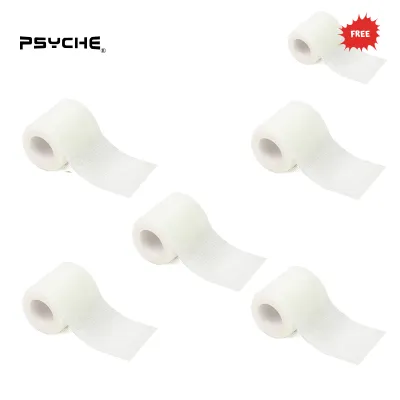
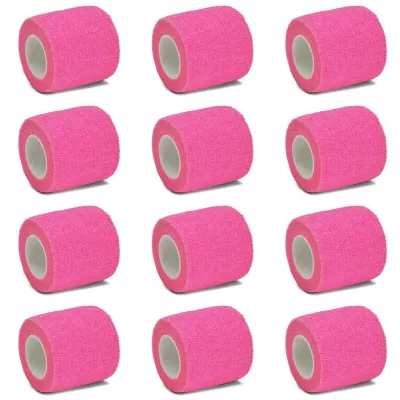
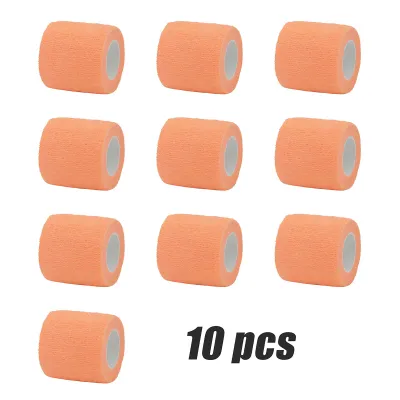
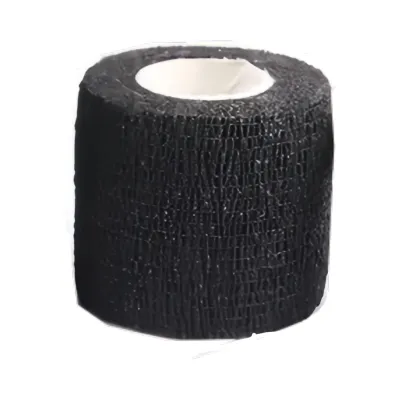
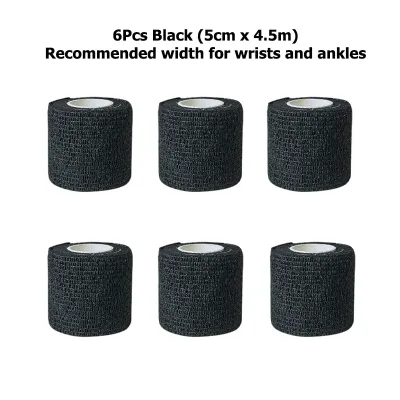
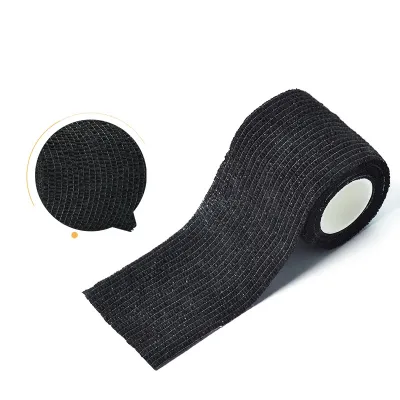
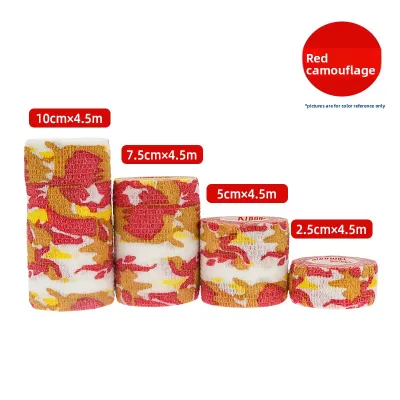
Prices are valid at publication and may change. Please refer to the product page for the latest price.
Kinesiology tape, or elastic tape, operates on an entirely different mechanical principle. Made from a blend of cotton and synthetic fibers with elastic properties, it stretches dynamically to mimic the elasticity of human skin. Instead of physically blocking joint movement, kinesiology tape provides continuous sensory feedback to your nervous system, a process known as proprioception. This heightened sensory awareness helps your body naturally activate its stabilizing muscles more efficiently, making elastic tape highly suitable for the late stages of rehabilitation or for managing minor, chronic discomfort without sacrificing your natural agility.
Pre-cut tape strips offer a convenience-focused alternative to traditional continuous rolls. These packages contain pre-measured shapes, such as “I” or “Y” strips, designed for specific anatomical applications like the arch, Achilles tendon, or lateral ankle ligaments. While they eliminate the need for carrying scissors and simplify the application process for beginners, they lack the customizable nature of a standard roll. A pre-cut strip cannot be easily adjusted to accommodate unique foot shapes, swelling patterns, or the precise tension requirements of a professional-grade figure-of-eight or heel lock wrap.
Cohesive bandages, commonly known as self-adhering wraps, stick only to themselves rather than to your skin or hair. Because they do not require adhesive, they are exceptionally comfortable and easy to apply or adjust. However, cohesive bandages do not possess the structural tensile strength required to stabilize a basketball player’s ankle during explosive lateral cuts. In sports medicine, their role is primarily limited to serving as an underwrap to protect the skin, securing ice packs post-game, or providing secondary compression over a primary rigid tape job.
Choosing Tape for Tropical Courts: Sweat, Heat, and Adhesion
Playing basketball in the Philippines presents unique environmental challenges that directly affect how long ankle tape remains secure. High ambient temperatures and extreme humidity trigger rapid, heavy perspiration, which can quickly degrade standard adhesives. When sweat accumulates between the skin and the tape, the adhesive bond dissolves, causing the tape to peel, slide, and lose its supportive qualities within minutes of warm-ups. To counter this, look for products featuring medical-grade hot-melt synthetic rubber or advanced acrylic adhesives specifically formulated for high-moisture environments.

Breathability is another critical factor when selecting tape for tropical conditions. Non-porous materials trap sweat against the skin, leading to a condition known as skin maceration, where the skin becomes soft, white, and highly fragile. This moisture buildup significantly increases the risk of developing painful friction blisters inside your basketball shoes, which can sideline you just as easily as a minor sprain. Opt for tapes with a porous weave pattern, which allows sweat to evaporate and air to circulate, keeping the underlying skin dry and structurally intact throughout intense four-quarter games.
For players with sensitive skin, the combination of friction, heat, and strong chemical adhesives can easily lead to contact dermatitis or severe skin irritation. Hypoallergenic and latex-free tapes are highly recommended to minimize these risks, as latex is a common allergen that reacts poorly when combined with trapped sweat. If you are trying a new brand of highly adhesive tape, it is wise to perform a patch test by applying a small strip to your forearm or inner thigh for a few hours to check for redness, itching, or swelling before wrapping your entire ankle for a game.
Furthermore, the tape must possess exceptional tensile strength to withstand the mechanical forces of basketball. Sudden stops, explosive jumps, and rapid changes of direction exert massive shear forces on the ankle joint. If the tape fabric is too thin or poorly woven, it will stretch out or tear under pressure, rendering the support useless. When shopping, verify the fabric weight and thread count of the tape; high-quality rigid tapes are typically made from heavy-weight cotton that resists stretching even when saturated with sweat, ensuring consistent support from tip-off to the final buzzer.
Matching Tape Support to Your Court Position and Injury History
Your position on the court and your style of play dictate the specific demands you place on your ankles, which should influence your choice of tape. Guards and wings rely heavily on rapid lateral movements, sudden crossovers, step-backs, and defensive slides. These high-speed maneuvers require a taping style that offers robust lateral restriction to prevent sudden inversion sprains, yet preserves forward flexion (dorsiflexion) so the player can stay low and accelerate quickly. For these players, a combination of rigid athletic tape for key anchor points and elastic tape for dynamic support often strikes the ideal balance.
Post players, power forwards, and centers face a different set of physical demands, frequently jumping and landing in crowded paint areas where the risk of stepping on an opponent’s foot is exceptionally high. Landing on an uneven surface while carrying significant body weight is a primary cause of severe, high-grade ankle sprains. Big men require maximum structural stabilization, which is best achieved through a comprehensive rigid taping procedure utilizing multiple heel locks and figure-of-eight wraps. Because of their larger foot sizes and wider shoes, they must also ensure the tape is applied smoothly to prevent high-pressure points that can cut off circulation inside tight-fitting high-top shoes.
It is also essential to distinguish between preventative taping and active injury management. If you are taping a healthy ankle simply for psychological peace of mind or mild precautionary support, a lighter application or a high-quality elastic kinesiology tape is usually sufficient to maintain natural joint mobility. However, if you are returning to play after a recent ligament injury, your joint requires strict mechanical stabilization. In this scenario, rigid zinc oxide tape is non-negotiable to protect the healing tissues from being stretched beyond their safe limits.
Regardless of your position or history, you must recognize your physical limits and establish clear stop conditions. Ankle tape is designed to assist healthy or healing joints; it cannot make a structurally compromised ankle safe for competitive sports. If you experience sharp, localized pain during movement, notice significant swelling, or feel the ankle actively giving way despite being taped, you must stop playing immediately. Attempting to mask joint instability with tighter or more abundant layers of tape can lead to severe ligament ruptures, chronic joint laxity, or secondary injuries to your knees and hips.
Safe Taping Practices and Knowing When to See a Physiotherapist
Applying ankle tape incorrectly can cause more harm than good, making safety checks a vital part of your pre-game routine. When wrapping the ankle, it is incredibly easy to apply the tape too tightly, which can constrict blood flow or compress peripheral nerves. Immediately after taping, and again after your warm-up, perform a quick circulation check. Press firmly on your big toenail for a few seconds; the color should return from white to pink within two seconds. Additionally, monitor your toes for coldness, pale or bluish skin coloration, tingling, numbness, or a throbbing sensation. If any of these signs occur, cut the tape off immediately and reapply it with less tension.
Protecting your skin during application and removal is just as important as protecting your ligaments during the game. Applying rigid adhesive tape directly to bare skin repeatedly can cause skin tears, hair pulling, and painful irritation. Utilizing a thin layer of foam underwrap (pre-wrap) shields the skin and hair while providing a smooth foundation for the adhesive tape to bond to. When the game is over, avoid ripping the tape off quickly, as this can peel away layers of skin. Instead, use blunt-nosed bandage scissors to carefully cut the tape along the medial side behind your ankle bone, peeling it away slowly in the downward direction of hair growth.
Knowing when to seek professional medical care is critical for long-term athletic health. While mild soreness can sometimes be managed with temporary rest and light taping, certain red flags demand immediate evaluation by a sports physiotherapist or orthopedic doctor. If you experience severe swelling that appears rapidly, deep bruising around the heel or sole of the foot, an inability to bear weight for more than four steps, or a distinct feeling of mechanical instability where the joint feels loose or disconnected, do not attempt to tape it and play through the pain. These symptoms often point to high-grade ligament tears, syndesmotic (high ankle) sprains, or microfractures that require clinical imaging and professional rehabilitation.
Self-taping has inherent limitations that every basketball player must understand. While online tutorials can teach you the basic patterns, an improper application can alter your natural lower-limb biomechanics. For instance, over-restricting normal ankle motion can force your knee and hip joints to absorb excessive rotational forces, increasing your risk of patellar tendinitis or hip strain over time. To ensure you are applying the tape correctly and safely, schedule a session with a certified athletic trainer or sports physical therapist who can analyze your gait, teach you customized wrapping techniques, and provide a targeted strengthening program.
Buying Checklist: What to Verify Before Purchasing Locally
When purchasing ankle tape from sports retailers, local pharmacies, or online marketplaces in the Philippines, a systematic checklist will help you avoid low-quality or counterfeit products. Use the following verification steps before finalizing your purchase:
- Check the Manufacturing and Expiration Dates: Adhesive chemicals degrade over time, especially when stored in hot, humid warehouses. Verify the batch code or manufacturing date on the packaging; avoid buying rolls that are more than two to three years old, as the adhesive may have dried out or become overly gooey and difficult to residue-free removal.
- Verify the Material Composition: Read the product label carefully to identify the fiber content. For rigid tape, look for 100% cotton fabric, which offers superior breathability and tearability by hand. For elastic tape, a synthetic nylon-spandex blend often provides better water resistance and snap-back elasticity than pure cotton.
- Confirm Latex-Free Status: If you have sensitive skin or a history of allergies, ensure the packaging explicitly states "latex-free" or "hypoallergenic" to prevent severe skin reactions when combined with sweat.
- Select the Correct Width: For standard adult ankle taping, a width of 1.5 inches (approximately 3.8 cm) is the industry standard. Thinner 1-inch tapes require too many passes and lack structural strength, while wider 2-inch tapes are incredibly difficult to wrap smoothly around the complex curves of the heel and ankle without creating performance-limiting wrinkles.
- Evaluate Seller Authenticity: When shopping on local e-commerce platforms, buy exclusively from official brand flagship stores, verified sports medicine distributors, or established local pharmacies. Be skeptical of unbranded bulk listings that offer prices significantly lower than the average market rate (which typically ranges from ₱150 to ₱400 per high-quality roll), as these products often use low-grade industrial adhesives that can damage your skin.
Frequently Asked Questions (FAQ)
Can I use regular medical adhesive tape instead of sports athletic tape?
No, you should not use regular medical adhesive tape for ankle stabilization. Standard medical tape is designed to secure lightweight wound dressings or bandages to the skin; it lacks the tensile strength, fabric thickness, and specialized adhesive properties required to support a joint under athletic load. Under the extreme mechanical stresses of basketball, regular medical tape will stretch, tear, or peel off almost immediately, providing zero structural protection and creating a false sense of security that increases your risk of injury.
How long can I safely leave ankle tape on after a game?
You should remove your ankle tape immediately after your game or practice session is finished. Leaving athletic tape on your skin for extended periods traps sweat, bacteria, and dead skin cells against your epidermis, creating a warm, moist environment that dramatically increases the risk of skin breakdown, bacterial infections, folliculitis, and allergic contact dermatitis. Removing the tape promptly allows your skin to breathe, dry out, and recover, maintaining the long-term skin integrity required for subsequent taping sessions.
Does ankle tape weaken the ankle muscles over time?
Ankle tape itself does not actively weaken your muscles, but relying on it as a permanent crutch without performing rehabilitation exercises can lead to muscle weakness and joint stiffness. Tape is a passive support tool designed to protect your ligaments during high-risk activities. To prevent your stabilizing muscles—such as the peroneals—from becoming underactive, you must pair tape usage with a dedicated strength, balance, and proprioception program. Consult a physical therapist to design an exercise routine that ensures your ankles remain strong and functional without relying solely on external support.
Community discussion
Share your experience or ask a question. Comments are reviewed before publication.