
The Short Answer: Which Material Grips Best?
Selecting a mat that keeps you firmly planted during a sweaty session comes down to understanding how different materials interact with moisture and friction. If your primary goal is finding a workout mat anti slip surface that remains completely reliable even when drenched in sweat, natural rubber is the clear winner. Thanks to its open-cell structure, natural rubber inherently absorbs tiny amounts of moisture, which actually increases traction as your hands and feet warm up.
However, natural rubber is not the only option, and it may not suit every fitness routine or lifestyle. Thermoplastic Elastomer (TPE) offers a highly reliable, textured grip for dry to moderate workouts and is favored by those who need a lightweight, highly portable option. Polyvinyl Chloride (PVC) is incredibly durable and budget-friendly, but its naturally smooth surface requires a manufactured texture or a companion yoga towel to prevent slipping once sweat enters the picture.
Ultimately, the best anti-slip material for your routine depends on your personal sweat levels, the intensity of your movements, and your workout environment. In tropical climates with high relative humidity, managing moisture on your mat is just as important as the material’s dry friction. Balancing these factors ensures you remain stable, safe, and focused on your form.
Products mentioned in this guide
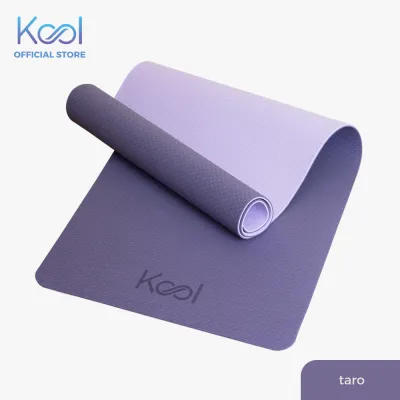
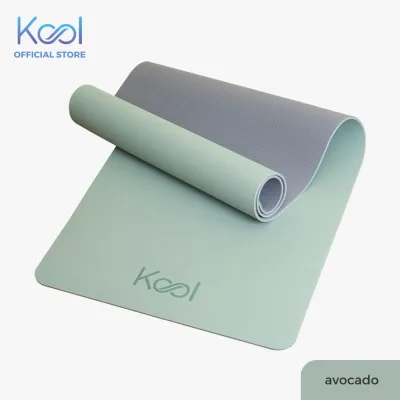
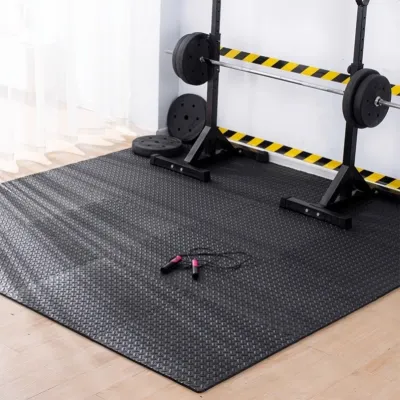
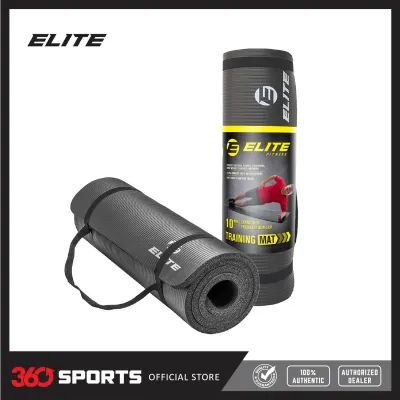

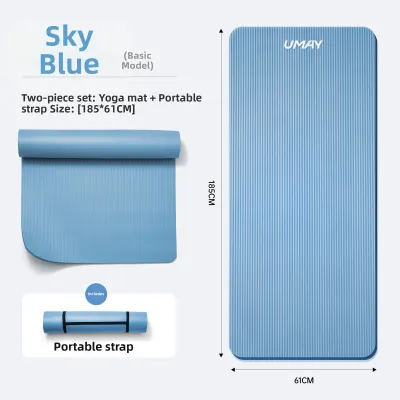
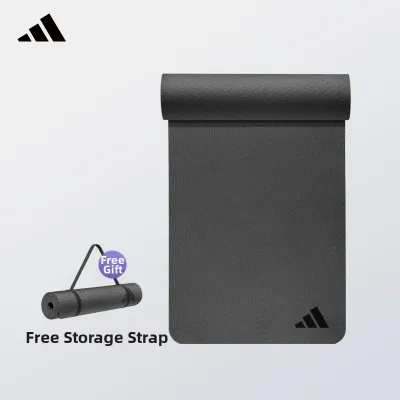
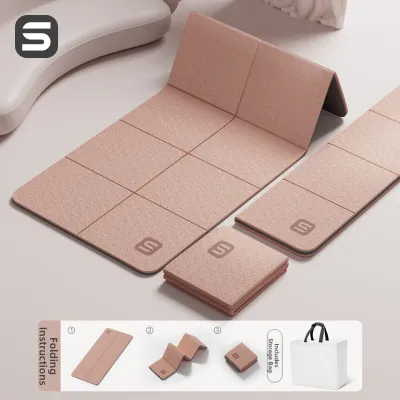
Prices are valid at publication and may change. Please refer to the product page for the latest price.
How TPE, PVC, and Natural Rubber Handle Workout Mat Anti Slip Performance
To understand why one mat slides while another grips, it helps to look at the physical characteristics of each material. Workout mats generate friction through two primary methods: the chemical nature of the material itself and the physical texture embossed onto its surface. When moisture, dust, or body oils cover these surfaces, they act as lubricants, dramatically reducing traction and increasing the risk of joint strain or falls.

Natural Rubber
Natural rubber is harvested from rubber trees and processed into dense, high-performance athletic mats. Its exceptional slip resistance comes from its open-cell molecular structure. Unlike synthetic plastics, open-cell rubber contains microscopic pores that draw moisture away from the surface. When you begin to sweat, the water does not pool on top; instead, it is absorbed into the mat’s upper layer, maintaining direct skin-to-rubber contact and preventing the hydroplaning effect that causes slipping.
Aside from surface traction, natural rubber mats are exceptionally heavy, typically weighing between 2.5 and 3.5 kilograms. This weight is a major advantage for mat-to-floor stability. When placed on smooth ceramic tiles or polished hardwood floors, a natural rubber mat anchors itself securely, refusing to bunch up, slide, or shift during dynamic lateral movements like mountain climbers or skater hops.
These performance benefits come with distinct trade-offs. The open-cell structure that makes rubber so grippy also makes it more difficult to clean, as sweat, oils, and dirt can become trapped in the pores. Additionally, natural rubber has a noticeable, earthy odor when new, which requires several days of off-gassing in a well-ventilated room. It is also heavier to carry, making it less convenient if you regularly commute to a studio, and it can trigger reactions in individuals with latex sensitivities.
TPE (Thermoplastic Elastomer)
Thermoplastic Elastomer is a synthetic blend of plastic and rubber polymers. Because TPE is a closed-cell material, its surface is completely non-porous. It does not absorb moisture, sweat, or dirt. To compensate for this lack of absorption, manufacturers mold deep, complex textures into the top and bottom surfaces of TPE mats, relying on physical ridges, hexagons, or wave patterns to catch your hands and feet.
For dry to moderate workouts, TPE provides a very comfortable, slightly squishy grip. It is incredibly lightweight, usually weighing under 1.2 kilograms, making it an excellent choice for fitness enthusiasts who carry their gear on public transit or walk to outdoor workout spaces. Because it repels moisture, TPE is highly hygienic and exceptionally easy to sanitize; a quick wipe with a damp cloth after a workout is usually all it takes to keep it clean and odor-free.
However, TPE has a clear performance limit when exposed to heavy moisture. Because sweat cannot sink into the closed-cell surface, it pools on top. If you sweat heavily during an intense workout, these pools of moisture can turn the textured surface into a slick slide. For this reason, TPE is best suited for dry practices, Pilates, slow-paced stretching, and moderate strength training rather than high-intensity cardiovascular sessions.
PVC (Polyvinyl Chloride)
PVC is a traditional, highly durable plastic polymer that has been the industry standard for fitness mats for decades. Like TPE, PVC is a closed-cell material that is completely impervious to liquids. In its raw, smooth state, PVC has a very low coefficient of friction when wet, meaning it becomes incredibly slippery the moment you begin to sweat.
To make PVC usable for active fitness, manufacturers apply heavy embossed textures, waffle patterns, or specialized sticky coatings to the surface. High-quality PVC mats can offer an excellent, almost adhesive-like grip when your hands are completely dry. They are also virtually indestructible, resisting tears, flaking, and degradation from shoes, making them a staple in commercial gyms and high-traffic fitness studios.
Despite their durability, standard PVC mats struggle significantly with wet slip resistance. If you do not use a separate microfiber towel, a sweaty session on a PVC mat can quickly become hazardous. The moisture sits on top of the non-porous plastic, creating a barrier that eliminates friction. Additionally, many PVC mats require a “breaking-in” period when brand new; they often carry a thin manufacturing film that must be worn off through use or scrubbed away with coarse salt before the mat reaches its intended level of dry grip.
Comparing Grip: Dry vs. Wet Conditions and Mat Stability
To choose the right mat, you must evaluate how these materials perform under different environmental pressures. A mat that feels incredibly secure in a cool, air-conditioned room may fail completely in a humid, non-air-conditioned space where sweat accumulates rapidly.
Dry vs. Wet Grip
Under bone-dry conditions, all three materials can perform adequately, but they achieve their grip differently. PVC relies on a slightly tacky surface finish, TPE utilizes physical molded textures, and natural rubber uses its high inherent material friction.
Once moisture is introduced, the performance gap widens. Natural rubber excels in wet conditions because its porous surface prevents water from forming a continuous slippery film. TPE and PVC, being closed-cell, allow water to pool. If you use a TPE or PVC mat in high-humidity environments, you will likely need to place a specialized, slip-resistant microfiber towel over the mat to absorb sweat and protect your traction.
Surface Structure and Hygiene
The choice between open-cell and closed-cell structures is a direct trade-off between instant grip and long-term maintenance.
- Open-Cell (Natural Rubber): Provides superior wet grip by absorbing sweat. However, because it acts like a sponge, it absorbs body oils and bacteria. In humid tropical environments, an open-cell mat that is not dried properly can develop deep-seated odors and degrade more quickly.
- Closed-Cell (TPE & PVC): Repels all moisture, keeping sweat on the surface. This makes them incredibly easy to sanitize and highly resistant to mold and bacteria. The trade-off is that you must actively manage surface sweat during your workout to avoid slipping.
Mat-to-Floor Stability
A mat’s slip resistance is not just about your hands gripping the top surface; the mat itself must also grip the floor. If a lightweight mat shifts during a dynamic plank-to-downward-dog transition, it can throw off your alignment and cause injury.
Natural rubber mats are dense and heavy, meaning they lay perfectly flat immediately after being unrolled and do not slide on slick surfaces like polished wood or ceramic tiles. TPE mats are incredibly light and have a tendency to retain their curled edge when first unrolled. If the bottom texture of a TPE mat is smooth, it can slide across tiled floors during high-impact lateral exercises. PVC mats fall in the middle; they are heavier than TPE and lay relatively flat, but their floor grip depends heavily on the depth of the bottom texture.
| Material | Primary Grip Mechanism | Moisture Handling | Weight & Stability | Best Suited Workout Type |
|---|---|---|---|---|
| Natural Rubber | Inherent material friction & open-cell micro-pores | Absorbs moisture; grip improves with slight dampness | Heavy (2.5–3.5 kg); excellent floor stability | Hot yoga, intensive Vinyasa, high-sweat workouts |
| TPE | Embossed surface textures & closed-cell patterns | Repels moisture; can become slippery if sweat pools | Lightweight (0.8–1.2 kg); moderate stability | Pilates, general floor fitness, dry yoga |
| PVC | Manufactured sticky finishes & deep textures | Repels moisture; very slick when wet (requires towel) | Moderate to heavy (1.5–3.0 kg); good stability | Budget fitness, restorative yoga, high-wear gym use |
Decision Guide: Match the Material to Your Workout
To narrow down your choice, look at your specific exercise habits, where you perform them, and how much you sweat.
Choose Natural Rubber if:
- You prioritize maximum traction: You practice vigorous, sweat-inducing disciplines like Power Yoga, hot yoga, or high-intensity interval training (HIIT) without wanting to use a separate towel.
- You work out primarily at home: You do not need to carry your mat over long distances, or you travel by car and do not mind transporting a heavier, denser mat.
- You want a stable, grounded base: You perform highly dynamic movements that require the mat to stay completely anchored to smooth tile or wood floors.
- You prefer eco-friendly materials: You value biodegradable, sustainably harvested natural materials over synthetic petroleum-based plastics.
Choose TPE if:
- Portability is your top priority: You regularly commute, travel, or walk to fitness classes and need a mat that will not weigh down your bag.
- Your workouts are dry or low-sweat: You primarily practice Pilates, core conditioning, gentle floor stretching, or light weight training.
- You want low-maintenance hygiene: You prefer a mat that can be quickly wiped clean and sanitized in seconds, with zero risk of absorbing sweat and developing deep odors.
- You want balanced cushioning on a budget: You need a soft, comfortable surface that protects your joints without costing a premium.
Choose PVC if:
- You demand extreme durability: You want a mat that can withstand daily high-impact use, rough handling, and workouts while wearing athletic shoes.
- You are on a strict budget: You want a highly affordable, functional mat that will last for years without wearing thin or tearing.
- You are comfortable using a yoga towel: You do not mind laying a microfiber grip towel over your mat during sweatier sessions to manage moisture.
- You want a completely waterproof surface: You want a non-porous mat that is impervious to grease, dirt, and sanitizing chemicals.
Note: Always verify the specific manufacturer’s product label before purchasing. Some modern mats utilize hybrid constructions, such as a natural rubber base paired with a smooth polyurethane (PU) top layer, which can significantly alter the grip, weight, and cleaning requirements compared to standard single-material mats.
How to Clean and Maintain Your Mat's Grip
Over time, even the grippiest workout mat can begin to lose its traction. This loss of grip is rarely caused by the material breaking down; instead, it is almost always due to a microscopic buildup of skin cells, body oils, sweat salts, lotions, and environmental dust. This residue fills the textured valleys of TPE and PVC mats and clogs the absorbent pores of natural rubber, creating a slick layer over the surface.
To restore your mat’s original grip, you must perform regular, gentle maintenance. Before applying any cleaning solution, always check your specific product’s label and the manufacturer’s care instructions. If their instructions conflict with general advice, prioritize the manufacturer’s guidelines to avoid voiding your warranty or damaging the material.
For a safe, low-risk clean, follow these steps:
- Prepare a gentle solution: Mix a few drops of mild, non-oil-based dish soap with warm water in a spray bottle. Avoid using harsh household chemicals, bleach, alcohol, or vinegar, which can dry out TPE and cause natural rubber to degrade and crack.
- Wipe down gently: Spray the solution onto a soft microfiber cloth—not directly onto the mat—and gently wipe the surface. Avoid using abrasive scrubbing pads or stiff brushes, which can shave off the textured grip patterns of TPE and PVC.
- Rinse thoroughly: Wipe the mat a second time with a clean cloth dampened with plain water to remove any soapy residue. Leftover soap will act as a lubricant, making the mat incredibly slippery during your next workout.
- Air dry completely: Hang your mat to dry in a shaded, well-ventilated indoor space. Never place your mat in a mechanical dryer, and keep it out of direct, intense sunlight. High heat and UV rays will quickly warp TPE and cause natural rubber to oxidize, turn brittle, and lose its grip permanently.
- Avoid essential oils: While many DIY mat sprays contain essential oils for scent, never use them on natural rubber or open-cell mats. The oils will permanently clog the porous structure, leaving a slick, unresolvable film that ruins the mat's anti-slip properties.
Frequently Asked Questions (FAQ)
Does a thicker mat provide better anti-slip grip?
No, mat thickness has no direct effect on surface slip resistance. Thickness—which typically ranges from 3mm to 8mm—is designed solely to provide joint cushioning and impact absorption from the floor. In fact, an overly thick or squishy mat (6mm or more) can decrease your stability during standing balance poses, making it harder to maintain your footing. Surface traction is determined entirely by the material composition, its open-cell or closed-cell structure, and the molded surface texture.
Can I use a yoga towel to improve the grip of a slippery mat?
Yes, using a specialized microfiber yoga towel is a highly effective way to add wet traction to a slippery PVC or TPE mat. These towels are designed to absorb sweat rapidly; as the microfiber material dampens, its fibers expand and actually increase their grip. Many of these towels feature silicone grip dots on the underside to prevent the towel from shifting against the mat, making them an excellent workaround for high-intensity, sweaty workouts on non-porous surfaces.
Community discussion
Share your experience or ask a question. Comments are reviewed before publication.