
An excellent arm sleeve for volleyball must balance targeted compression, high breathability, and reliable skin protection to withstand the intense demands of the sport in a tropical climate. In the Philippines, where high humidity and warm indoor temperatures are the norm, choosing the right sleeve can make a significant difference in your performance on the court. Whether you are diving for a tough dig on a wooden floor or spiking under the heat of an outdoor court, a high-quality sleeve acts as a secondary layer of defense, keeping your arms dry, your muscles warm, and your skin protected from painful floor burns.
Finding the ideal arm sleeve for volleyball involves understanding how different materials, fits, and designs interact with your body and your playing style. This guide breaks down the functional benefits of volleyball sleeves, the essential features required for tropical conditions, and how to select and care for your gear to ensure maximum longevity and performance.
Why Wear Arm Sleeves in Volleyball?
Volleyball is a sport of rapid transitions, high-impact contact, and repetitive explosive movements. An arm sleeve for volleyball serves several practical purposes that directly influence your comfort, safety, and performance during a match.
Products mentioned in this guide
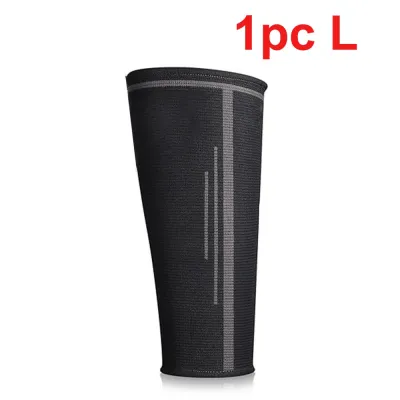
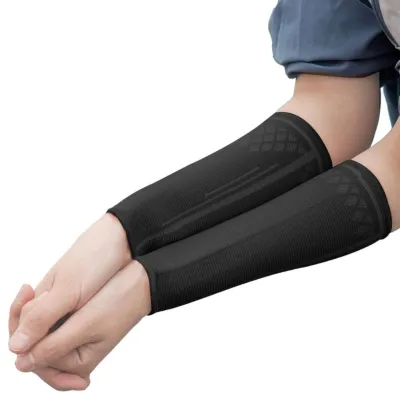
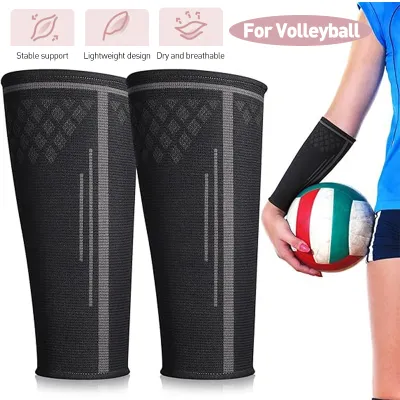
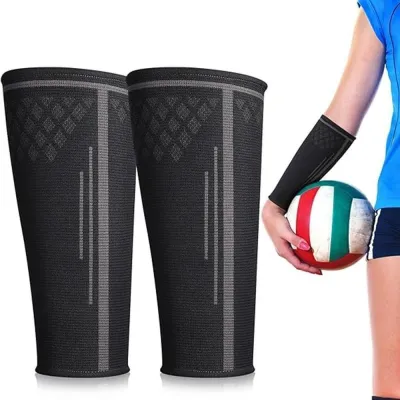
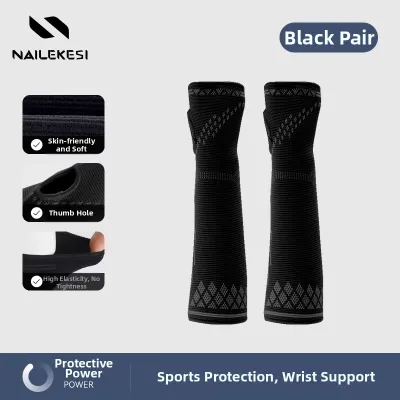
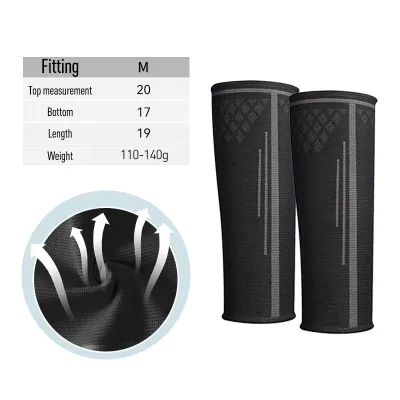
Prices are valid at publication and may change. Please refer to the product page for the latest price.
- Floor Burn and Abrasion Prevention: When playing defense, especially as a libero or defensive specialist, diving and rolling on the court is inevitable. Sliding across hardwood, synthetic taraflex, or concrete surfaces can cause severe friction burns, scrapes, and bruises. A durable arm sleeve acts as a physical shield between your skin and the court floor, absorbing the friction and preventing painful abrasions that could sideline you for days.
- Sweat Management: Volleyball requires precise ball contact, particularly during passing (bumping) and setting. When sweat pours down your arms, it creates a slick, unpredictable surface. When the ball hits a wet forearm, it can easily slip or veer off-target, ruining your team's play. Arm sleeves made from technical fabrics absorb perspiration and pull it away from your skin, ensuring a dry, consistent, and predictable contact zone for every pass.
- Mild Muscle Compression: The repetitive motion of spiking, serving, and blocking places intense stress on your forearm and bicep muscles. Compression sleeves apply gentle, graduated pressure to your limbs, which helps promote blood circulation and oxygen delivery to active muscles. This mild compression can reduce muscle oscillation (the vibration your muscles experience when hitting the ball or landing), leading to less fatigue during long tournaments and faster recovery times afterward.
- Sun Protection: Outdoor volleyball, including beach volleyball and community games played on open-air courts, exposes players to intense solar radiation. Prolonged exposure to ultraviolet (UV) rays can cause sunburn, skin damage, and long-term health risks. Wearing sleeves with built-in UV protection allows you to train or compete under the sun without constantly reapplying sunscreen to your arms, keeping you focused on the game.
Essential Features for Playing in the Philippines
Selecting gear for the Philippine climate requires careful attention to materials and construction. The combination of high ambient temperatures and intense humidity means that generic sleeves may trap heat and moisture, leading to discomfort or skin irritation.

- Moisture-Wicking Fabrics: The primary material of your sleeve should always be a technical synthetic blend, typically consisting of nylon-spandex or polyester-elastane. These fibers are hydrophobic, meaning they do not absorb water into their core; instead, they funnel sweat along the fabric's surface where it can quickly evaporate. Avoid 100% cotton sleeves, as they retain moisture, become heavy, and sag when wet.
- Breathability and Ventilation: Look for sleeves that incorporate advanced ventilation features. Many high-performance designs feature mesh panels along the inner elbow or underarm area where heat naturally accumulates. This strategic zoning allows hot air to escape and cooler air to circulate, preventing your arms from feeling stifled during intense indoor matches.
- UV Protection: For beach volleyball or outdoor training, verify the Ultraviolet Protection Factor (UPF) rating on the product's label. A rating of UPF 50+ is ideal, as it blocks approximately 98% of harmful UVA and UVB rays. Do not assume all dark or thick fabrics provide adequate protection; look for manufacturers that explicitly state their UV-blocking specifications.
- Durability and Stitching: The physical demands of diving require robust construction. Examine the seams of the sleeve before purchasing. Flatlock stitching—where the fabric edges are sewn flat against each other rather than overlapping—is the gold standard. This minimizes chafing against your skin and prevents the seams from unraveling when subjected to friction against the court floor. High fabric density also indicates how well the sleeve will resist tearing over time.
Matching Arm Sleeve Types to Your Playing Style
Not all volleyball players have the same responsibilities on the court, and your specific position should dictate the type of arm sleeve you choose. Matching the sleeve’s design to your playing style ensures you get the exact support you need.
Compression Sleeves for Muscle Support and Recovery
Standard compression sleeves are designed to optimize muscle efficiency and promote faster recovery. These sleeves apply graduated pressure, which is tightest at the wrist and gradually decreases toward the bicep, encouraging blood flow back to the heart.
When you engage in high-intensity volleyball activities, your muscles produce metabolic waste products like lactic acid. Graduated compression helps accelerate venous return—the rate at which blood flows back to the heart—which assists in clearing these metabolic byproducts more efficiently. Furthermore, when you strike a volleyball, the force sends vibrations through your arm. This muscle oscillation can cause micro-trauma to the muscle fibers, contributing to delayed onset muscle soreness (DOMS). A snug compression sleeve dampens these vibrations, stabilizing the muscle belly and reducing post-match soreness.
- Ideal Users: Spikers (outside hitters, opposite hitters, and middle blockers) benefit greatly from compression sleeves. The repetitive, high-velocity motion of swinging at the ball can strain the shoulder, elbow, and forearm. Compression stabilizes these muscle groups, reduces micro-tears in the muscle fibers, and helps maintain muscle warmth during breaks in play.
- Key Features: Look for seamless circular knit construction that offers 360-degree stretch without restricting your range of motion.
Padded Sleeves for Liberos and Defensive Specialists
If your primary role is defense, padded arm sleeves provide targeted impact protection. These sleeves feature built-in cushioning, usually made of high-density EVA (ethylene-vinyl acetate) foam or shock-absorbing gel, strategically placed over the forearm or elbow.
When evaluating padded sleeves, you will typically encounter two types of protective layouts: hexagonal foam grids and solid foam blocks. Hexagonal padding consists of individual, small foam cells that move independently. This design offers exceptional flexibility and molds seamlessly to the curve of your elbow and forearm, making it highly popular among active defenders. Solid foam or gel blocks, on the other hand, provide a thicker, uniform barrier of protection. While solid blocks absorb heavy impacts exceptionally well, they can feel somewhat rigid and may limit your arm’s natural extension during quick sets or overhead passes.
- Ideal Users: Liberos and defensive specialists who frequently execute pancake saves, dives, and hard floor contacts. The padding cushions the impact against the floor and reduces the sting of high-velocity spikes on your forearms.
- Key Features and Trade-Offs: While padded sleeves offer superior protection, they are inherently bulkier and heavier than standard compression sleeves. They may also retain more heat and take longer to dry. When selecting a padded sleeve, look for segmented padding designs that bend naturally with your arm to preserve flexibility.
Cooling and UV-Protective Sleeves for Outdoor Play
Outdoor and beach volleyball players face the dual challenge of direct sunlight and intense heat. Cooling sleeves are engineered with specialized yarns (such as jade-infused fibers or hydrophilic polymers) that create a physical cooling sensation when they come into contact with sweat or moisture.
Nylon-spandex blends are highly prized for their exceptionally smooth, cool-to-the-touch texture and superior elasticity. They feel incredibly comfortable against the skin, which is a major advantage during long, sweaty training sessions. However, nylon can absorb slightly more moisture than polyester. Polyester-spandex blends, while slightly less soft, are incredibly resilient, highly resistant to abrasion, and dry at an accelerated rate. If you play on rough outdoor surfaces where your sleeves frequently scrape the ground, a polyester-dominant blend may offer better long-term durability.
- Ideal Users: Beach volleyball players, outdoor tournament participants, and athletes who train in non-air-conditioned community gyms.
- Key Features: These sleeves are exceptionally thin, lightweight, and highly breathable. They prioritize rapid moisture evaporation and maximum UPF ratings over heavy compression or padding, ensuring you stay cool and protected during long hours under the sun.
Sizing Guide: How to Measure for a Secure Fit
An ill-fitting arm sleeve can disrupt your concentration and hinder your performance. If the sleeve is too tight, it can restrict blood circulation and cause muscle cramping or numbness. If it is too loose, it will constantly slide down your arm, requiring frequent adjustments in the middle of a rally. To find your ideal size, you must take precise measurements of your arm.
Use a flexible fabric measuring tape. If you do not have one, wrap a piece of string around your arm, mark the length, and measure it against a standard ruler. Take the following three measurements while your arm is relaxed:
- Bicep Circumference: Measure around the widest part of your bicep, typically mid-way between your shoulder and elbow.
- Forearm Circumference: Measure around the thickest part of your forearm, just below the elbow.
- Wrist Circumference: Measure around your wrist bone.
Once you have your measurements, compare them directly to the manufacturer’s specific sizing chart. Do not assume your size is the same across different brands; a “Medium” in one brand might feel like a “Small” in another. If your measurements fall between two sizes, consider your primary goal: choose the smaller size for a tighter, high-compression fit, or the larger size for a more comfortable, relaxed feel.
Once your arm sleeves arrive, perform a quick three-step fit test before heading to the court. First, wear the sleeve for 10 to 15 minutes while relaxing; check if there is any tingling, coldness in your fingers, or deep red indentations on your skin, which indicate the sleeve is too tight. If you experience numbness or restricted blood flow, stop using the sleeves immediately and exchange them for a larger size. Second, perform several full overhead arm swings and passing motions; the sleeve should not slip down past your bicep or bundle up at your elbow. Third, check the comfort of the seams; if you feel any scratching or chafing during movement, the stitching may be too coarse for your skin type.
To prevent the sleeve from slipping during explosive movements, look for designs that feature integrated silicone grip bands or elasticized hems at the top opening (the bicep cuff). These bands grip your skin gently without causing irritation, keeping the sleeve securely in place even when you sweat heavily. If you experience skin irritation or redness from silicone grips, look for hypoallergenic options or sleeves with wider, double-stitched elastic bands instead.
Cleaning and Maintaining Your Sleeves in Humid Weather
The warm, humid climate of the Philippines creates an ideal environment for bacteria to thrive, which can lead to persistent odors and fabric degradation if your gear is not properly maintained. Proper care extends the lifespan of your sleeves and keeps them hygienic.
To preserve the elasticity and delicate fibers of your sleeves, hand washing in cold water with a mild detergent is highly recommended. Gently agitate the fabric, paying close attention to the wrist and bicep cuffs where sweat and skin oils accumulate. If you prefer using a washing machine, place your sleeves inside a mesh laundry bag first. Use a gentle or delicate cycle with cold water to prevent the fabric from stretching or snagging on other garments.
Never use fabric softeners, as they leave a thin chemical coating on the fibers that clogs the pores of moisture-wicking fabrics, destroying their ability to manage sweat. Avoid chlorine bleach, which breaks down the spandex or elastane fibers, causing the sleeve to lose its stretch and shape.
Lay the sleeves flat or hang them to dry in a well-ventilated, shaded area. Avoid placing them in a mechanical dryer, as high heat can melt or warp the elastic fibers and damage silicone grip bands. While drying them outdoors is fine, avoid hanging them in harsh, direct midday sunlight for extended periods, as UV rays can degrade synthetic fibers over time. Finally, ensure the sleeves are 100% dry before folding them and putting them away in your gym bag. Storing damp sleeves in a closed, dark space will rapidly lead to mildew growth and sour, hard-to-remove odors.
Where to Buy and What to Verify Before Checkout
When shopping for volleyball arm sleeves in the Philippines, you have access to a wide range of options across different price points. Generally, budget-friendly options range from ₱150 to ₱400 per pair, mid-tier options cost between ₱400 and ₱900, while premium, brand-name sleeves with advanced compression or padding can range from ₱900 to over ₱2,000.
To ensure you are getting genuine, high-quality products, purchase from official brand stores, authorized sports retailers, or certified flagship shops on established online marketplaces. Be cautious of unbranded, extremely cheap listings (such as those priced under ₱50), as these are often made of basic polyester or cotton blends that offer zero compression, poor breathability, and very low durability.
Before finalizing your purchase, verify the following details on the product page:
- Material Composition: Check the product description for a clear breakdown of materials (e.g., 80% Nylon, 20% Spandex). Avoid listings that do not specify the fabric composition.
- User Reviews: Look closely at customer reviews, focusing on feedback from actual volleyball players. Pay attention to comments regarding how the sleeves handle heavy sweat in tropical weather, whether the bicep band slips during play, and how well the seams hold up after multiple washes.
- Return and Exchange Policies: Because precise fit is critical for performance and comfort, verify the seller's return policy regarding sizing exchanges. Ensure you can exchange the item if the fit is too restrictive or too loose upon arrival.
Frequently Asked Questions (FAQ)
Can I wear arm sleeves during official volleyball matches?
Yes, arm sleeves are widely permitted in most local, collegiate, and international volleyball competitions, including those governed by national sports associations or international bodies like the FIVB. However, tournament rules often dictate that the sleeves must be uniform across team members, match the primary color of the team jersey, or be a neutral solid color (such as black, white, or navy blue). Always check the specific tournament guidelines before your first match.
Do arm sleeves actually improve my passing accuracy?
Arm sleeves do not directly upgrade your physical skills or technique, but they do provide a consistent, dry surface that indirectly supports passing accuracy. By absorbing sweat, they prevent the ball from slipping off-target when making contact with your forearms. Additionally, the reduction of sting from high-velocity hits can help younger or developing players maintain proper passing form without flinching.
Should I wear one sleeve or a pair?
This is entirely a matter of personal preference and physical need. Many players choose to wear only one sleeve on their dominant hitting arm to support the elbow joint during repetitive spiking motions, or on their primary diving arm. Other players prefer wearing a pair for symmetrical compression, uniform sweat absorption, and balanced skin protection. Try both configurations during training to see what feels most comfortable for your style of play.
Community discussion
Share your experience or ask a question. Comments are reviewed before publication.