
Choosing the right tool for a back roller massage depends on whether you need intense, localized pressure to break up deep muscle knots or broad, gentle compression to flush tired muscles. Deep tissue massage requires high-density materials and textured or contoured shapes that focus pressure on specific trigger points. Conversely, gentle recovery relies on low-to-medium density, smooth, and wider rollers that distribute weight evenly to promote blood flow without triggering painful muscle guarding.
Your optimal choice relies on your current pain tolerance, your recovery stage, and your specific muscle tension. If you are recovering from an intense workout in the humid Philippine climate, your muscles might be highly sensitive, making a soft roller ideal. If you are dealing with chronic postural stiffness from long hours at an office desk, a firmer, more targeted option is better.
To make an informed decision, you must evaluate three primary design axes: foam density, surface texture, and physical shape. Understanding how these physical specifications interact with your body weight and muscle sensitivity ensures you select a tool that aids recovery rather than causing unnecessary tissue irritation.
Products mentioned in this guide
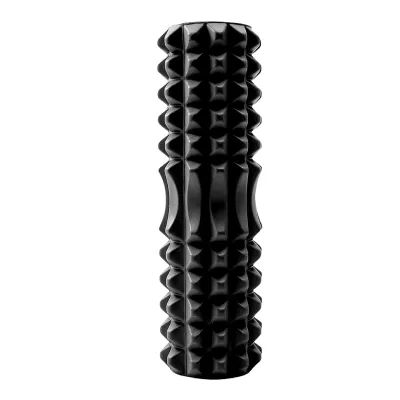
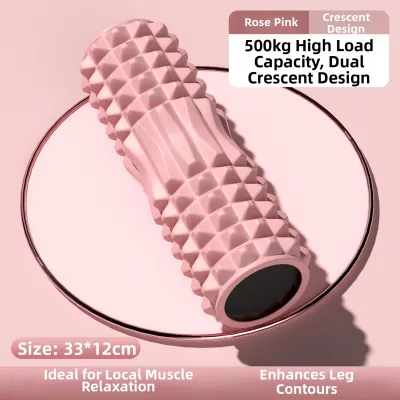
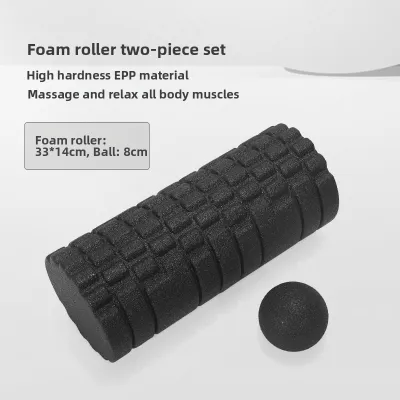
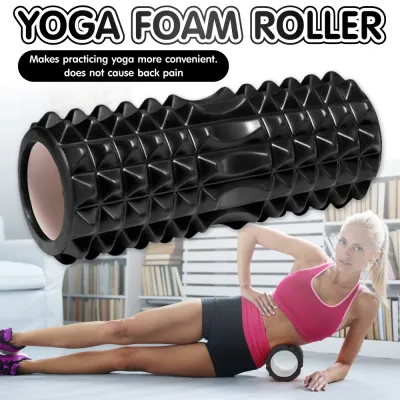
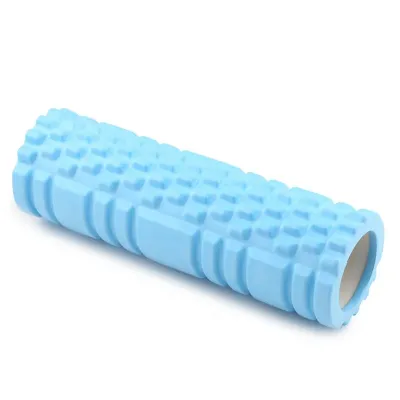
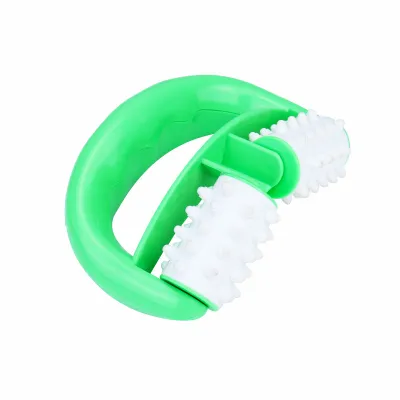
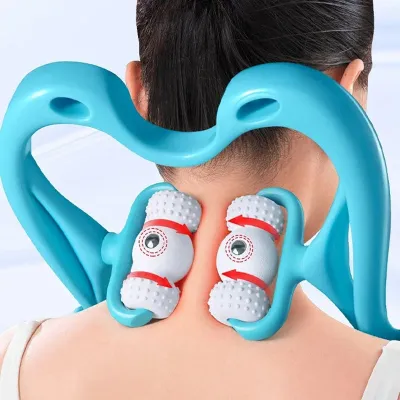
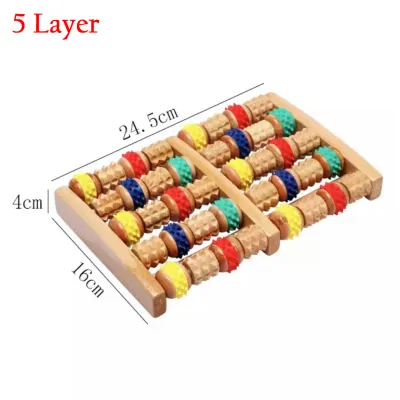
Prices are valid at publication and may change. Please refer to the product page for the latest price.
Deep Tissue Rollers: Targeting Knots and Muscle Tension
Deep tissue rollers are designed for athletes and active individuals who require intense, localized pressure to release myofascial restrictions. These tools are built to withstand high loads and deliver concentrated force to reach deep muscle layers.
High-Density Foam and Firm Cores
The primary differentiator of a deep tissue roller is its structural rigidity. When performing a back roller massage, your body weight is concentrated over a small surface area, which requires a material that will not deform or collapse.
Most high-performance deep tissue rollers are constructed from Expanded Polypropylene (EPP) or ultra-dense, closed-cell Ethylene-Vinyl Acetate (EVA) foam. Many premium models feature a hollow, rigid plastic inner core made of ABS or PVC, wrapped in a thin layer of dense foam, which prevents the roller from “bottoming out” under heavy usage.
If a roller bottoms out, it flattens under your weight, reducing the effective pressure and rendering the massage ineffective. This is particularly important for heavier individuals or those targeting large, dense muscle groups like the glutes and upper back.
When purchasing, check the manufacturer’s specifications for density ratings. Look for terms like “high-density,” “rigid hollow core,” or “EPP construction” to ensure the roller will maintain its structural integrity over long-term, daily use.
Textured Surfaces and Contoured Shapes
While density determines the depth of pressure, the surface texture and physical shape control how that pressure is distributed across your back muscles.
Textured rollers feature raised grids, ridges, or pronounced knobs designed to mimic the hands of a massage therapist. The high points act like thumbs or knuckles, digging deeply into localized trigger points, while the flat areas simulate the palms, helping to sweep away metabolic waste.
Contoured shapes, such as the classic “peanut” roller or dual-ball design, are specifically engineered for back safety. These rollers feature a central groove or recess that spans the spine, allowing you to target the erector spinae muscles running parallel to your vertebrae without applying dangerous direct pressure to the bones.
Matching the texture depth to your personal pain threshold is critical. If the ridges are too deep or sharp, your nervous system may react by tensing up (muscle guarding), which defeats the purpose of the massage and can lead to bruising or mild tissue damage.
Gentle Recovery Rollers: Soothing Soreness and Flushing Tissue
Gentle recovery rollers prioritize comfort, relaxation, and broad myofascial release. They are ideal for post-workout flushing, active rest days, and individuals who are new to self-myofascial release.

Low-to-Medium Density and Soft Foams
Gentle recovery rollers utilize softer materials that yield under pressure, distributing your body weight more evenly across the muscle bed.
These rollers are typically made from standard Polyethylene (PE) or low-density EVA foam, which offer a noticeable cushion when pressed. This yielding quality is essential for soothing highly fatigued, sore, or inflamed muscles after intense physical exertion.
Physiologically, applying excessive pressure to highly sensitive or inflamed tissues can trigger a protective reflex where the muscles contract to protect themselves. Softer foams encourage parasympathetic nervous system activation, helping the muscles relax and allowing blood flow to return to the area.
These soft rollers are highly recommended for beginners, older adults, or anyone recovering from acute muscle fatigue where deep, localized pressure would be too painful or counterproductive.
Smooth Surfaces and Wide Cylinders
The surface profile of a gentle recovery roller is flat and uniform, which ensures that pressure is dispersed over a broad surface area.
Smooth surfaces are highly effective for “flushing” muscles—a technique that involves rolling slowly and continuously to promote lymphatic drainage and arterial circulation. This broad compression helps clear metabolic waste from the tissues without irritating localized sensitive spots.
The physical dimensions of these rollers also play a key role in safety and ease of use. A standard 36-inch (90 cm) length with a 6-inch (15 cm) diameter provides a highly stable base, making it easy to position your entire back on the roller without losing balance.
Wider cylinders allow for better control over how much body weight you transfer onto the roller. This stability is particularly beneficial in humid tropical environments, where sweaty skin can make maintaining balance on smaller, slicker rollers more challenging.
Comparison Matrix: Deep Tissue vs. Gentle Recovery Specs
To help you verify which specifications align with your recovery goals, use this comparison matrix before making a purchase.
| Feature | Deep Tissue Rollers | Gentle Recovery Rollers | What to Check on the Label |
|---|---|---|---|
| Foam Density / Core | High-density EPP or rigid hollow ABS/PVC core | Low-to-medium density EVA or standard PE foam | Look for "EPP," "hollow core," or "high-density" vs. "PE" or "soft-density." |
| Surface Texture | Deep ridges, grid patterns, or pronounced knobs | Smooth, flat, or very shallow textured patterns | Check product photos and descriptions for "textured," "grid," or "smooth." |
| Shape / Design | Contoured, dual-ball, or grooved cylinders | Standard wide, flat cylinders | Look for "spine-sparing groove" or "peanut shape" for targeted back work. |
| Best Use Case | Chronic stiffness, trigger point release, deep knots | Post-workout flush, daily stretching, active recovery | Match to your primary goal: "muscle knots" vs. "soreness relief." |
| Pain Tolerance | Moderate to high; requires active pressure control | Low to moderate; comfortable for beginners | Choose based on your sensitivity; do not buy firm rollers if highly sensitive. |
How to Evaluate Roller Specs Before Buying a Back Roller Massage Tool
When shopping for a back roller online or in physical stores, you should look beyond marketing buzzwords and evaluate concrete physical specifications. Use these practical checks to ensure you get a durable, effective product.
- The Press Test (In-Store Check): If you are purchasing at a local sporting goods store, use your thumb to press firmly into the center of the roller. A deep tissue roller should barely yield or feel almost rock-hard, whereas a gentle recovery roller should compress noticeably under moderate thumb pressure and slowly spring back to its original shape.
- Evaluating Texture Depth: Examine the height of any ridges or knobs. Shallow grid patterns (under 0.5 cm) offer mild sensory stimulation and are suitable for general use, while deep, aggressive knobs (over 1 cm) are designed for deep tissue penetration and require a high pain tolerance.
- Size and Portability: Consider where you will use the roller. A long 36-inch roller is ideal for home use as it easily covers the full width of your back, while a compact 12-to-18-inch roller is highly portable, fitting easily into a gym bag, though it requires more precise body positioning to avoid rolling off the edges.
- Verifying Durability and Material Quality: High-humidity tropical climates can accelerate the degradation of cheap, open-cell foams, which absorb sweat and harbor bacteria. Look for closed-cell EVA or EPP materials, check the manufacturer's specified weight limit (ideally 150 kg or higher for hollow cores), and verify if a material warranty is offered to ensure the roller will not warp or crack over time.
- Price Bands: In the local market, basic PE and low-density EVA rollers generally fall into the budget category (around ₱300 to ₱800). High-density EPP and hollow-core grid rollers typically occupy the mid-range to premium tier (ranging from ₱1,000 to ₱2,500+), reflecting their enhanced durability and specialized manufacturing.
Safe Usage, Contraindications, and When to Stop
Using a back roller requires proper technique and an understanding of physical limits. Because self-myofascial release applies significant pressure to musculoskeletal structures, you must follow strict safety guidelines to prevent injury.
- Areas to Avoid: Never roll directly over your lower back (lumbar spine) or neck (cervical spine) without professional guidance. The lower back lacks the protective rib cage of the upper back, and rolling over it can cause the surrounding muscles to spasm and put dangerous pressure on your kidneys and vertebrae. Instead, focus on the thoracic spine (upper and mid-back) and use your legs to support your body weight.
- Signs to Stop Immediately: Learn to distinguish between "good pain" and "bad pain." A therapeutic release should feel like a dull, aching pressure that gradually dissipates. If you experience sharp, shooting pain, numbness, tingling, or a burning sensation, stop immediately, as these are signs of nerve compression or acute tissue damage.
- Pacing and Duration: Limit your rolling sessions to 5 to 10 minutes total, spending no more than 30 to 60 seconds on any single tender spot. Over-rolling an area can cause bruising, skin irritation, and localized inflammation, delaying your recovery rather than accelerating it.
- When to Seek Professional Help: A back roller is a maintenance and wellness tool, not a medical device. If you suffer from chronic, severe back pain, or have diagnosed conditions such as osteoporosis, herniated discs, or spinal stenosis, consult a licensed physical therapist or physician before using any roller.
Frequently Asked Questions (FAQ)
Can I use a deep tissue roller for gentle recovery on rest days?
Yes, you can adapt a firm deep tissue roller for lighter use by modifying your body positioning to reduce the pressure. Try shifting more of your body weight onto your feet and hands, or place the roller on a soft surface like a thick yoga mat or carpet to cushion the contact. However, if your muscles are highly sensitive or bruised from intense training, the hard surface may still trigger muscle guarding, making a dedicated soft roller a much more effective choice for true rest days.
How long should I roll my back per session?
You should keep your back rolling sessions brief, aiming for 5 to 10 minutes in total. Spend about 30 to 60 seconds slowly rolling over each muscle group, pausing briefly on tender spots to let them release. Avoid continuously rolling back and forth rapidly, as this friction can irritate the skin and superficial fascia without providing deep therapeutic benefits.
Is a vibrating back roller better for deep tissue massage?
Vibrating rollers can make deep tissue work more comfortable by utilizing the gate control theory of pain, where the rapid vibration signals distract your nervous system from the intense pressure of the foam. This vibration also helps increase local blood flow and muscle temperature more quickly. However, the physical density and shape of the roller remain the primary mechanical drivers of tissue release; a vibrating roller is a helpful premium upgrade, but not strictly necessary for effective myofascial release.
Community discussion
Share your experience or ask a question. Comments are reviewed before publication.