
A high-speed smash is only as good as your connection to the racket. During intense rallies on hot, humid indoor courts, sweat can quickly turn your handle into a slippery liability. When humidity levels soar, managing moisture and choosing the right badminton grip tapes becomes a critical safety measure to prevent your racket from flying out of your hand, protecting both your gear and your fellow players from injury.
To maintain a secure hold, players must understand how environmental conditions interact with different grip materials. Relying on a worn-out or improper grip setup compromises your control, limits your shot accuracy, and forces you to squeeze the handle too tightly, which can lead to forearm fatigue or tennis elbow. Selecting the right grip configuration allows you to play with relaxation and precision, even in the most challenging tropical climates.
Why Humid Weather Changes Your Grip Tape Needs
High relative humidity directly interferes with how your body cools itself and how sports equipment functions. In tropical climates, the air is already saturated with water vapor, which prevents the sweat on your hands from evaporating. Instead of drying naturally, moisture pools on your palms and runs down your forearms, quickly saturating whatever grip material you are using.
Products mentioned in this guide
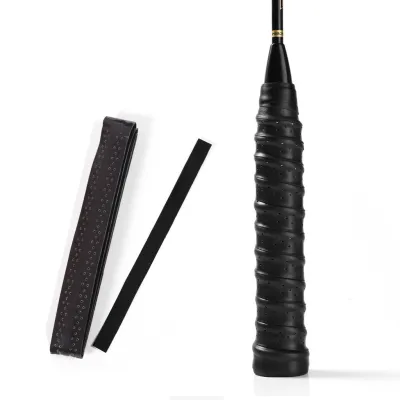
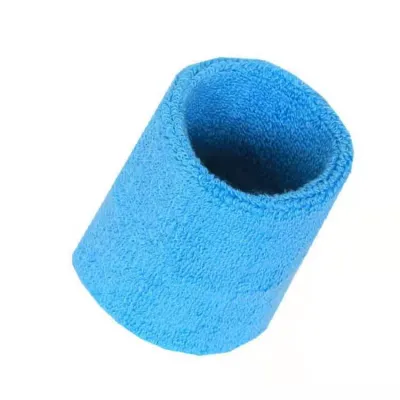
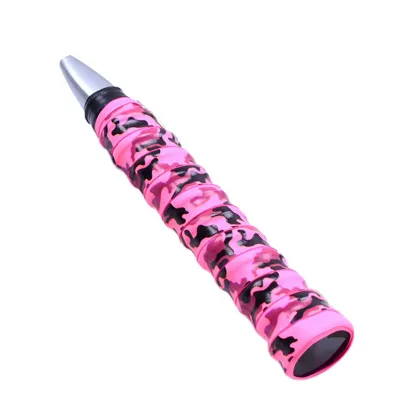
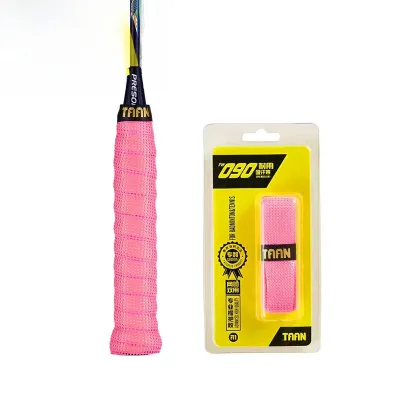
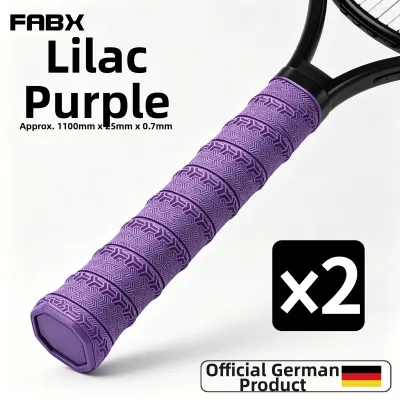
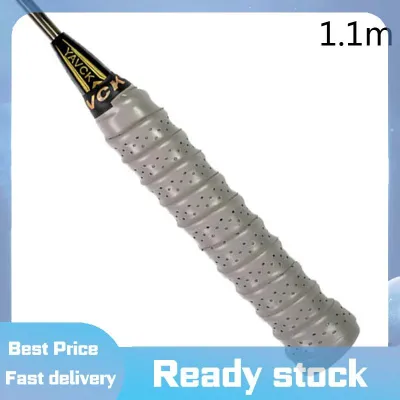
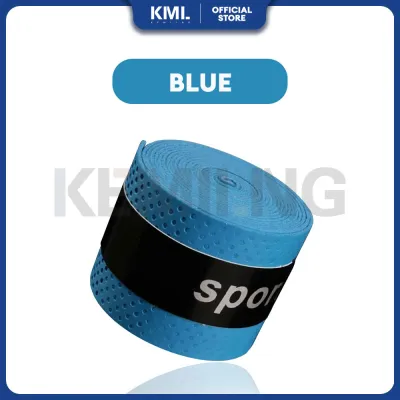
Prices are valid at publication and may change. Please refer to the product page for the latest price.
This constant exposure to moisture and skin oils rapidly degrades the surface layer of standard synthetic grips. Polyurethane, the primary material in most tacky grips, relies on clean surface contact to create friction with your skin. When water and body oils coat this surface, they form a microscopic barrier that eliminates friction, causing the racket to twist in your hand during off-center hits.
There is a fundamental difference between dry tackiness and wet grip performance. A grip that feels incredibly sticky and secure in an air-conditioned sports shop can become dangerously slick after just ten minutes of active play. Wet grip performance relies on either rapid moisture absorption or deep surface texturing that channels water away from the contact points, allowing your skin to make direct contact with the grip material.
Standard factory-installed base grips are rarely designed to handle heavy sweat in humid conditions. These base grips are typically optimized for durability and basic cushioning rather than high-volume moisture absorption. Once they become saturated, they hold onto the water, which eventually seeps into the wooden handle underneath, causing long-term structural damage to your racket.
Key Features to Look for in Humid-Climate Grip Tapes
When selecting badminton grip tapes for humid conditions, your first decision is choosing between polyurethane synthetic grips and cotton towel grips. Synthetic polyurethane overgrips are thin, highly tacky, and preserve the sharp feel of the racket handle’s wooden bevels. However, they have a limited moisture capacity and can become slippery once their surface is fully coated in sweat.

Cotton towel grips offer the opposite performance profile. Made from terry cloth, these grips absorb massive amounts of moisture, acting like a towel wrapped around your handle. They perform exceptionally well for heavy sweaters because they actually become grippier as they absorb a moderate amount of dampness. The trade-off is that towel grips significantly increase the thickness of the handle and require very frequent replacement to maintain hygiene.
Thickness and cushioning are critical factors that influence both comfort and racket control. Thicker grips, ranging from 1.0mm to 2.0mm, provide excellent shock absorption but round out the handle’s bevels, making it harder to instinctively feel the angle of your racket face. Thinner overgrips, usually between 0.5mm and 0.7mm, maintain excellent tactile feedback but offer minimal cushioning and saturate much faster in humid environments.
When shopping in sports stores or browsing online marketplaces, look closely at the packaging indicators and product specifications. Seek out terms like “dry feel,” “highly absorbent,” “perforated,” or “moisture-wicking.” Perforated synthetic grips feature tiny, laser-cut holes across the surface that help drain sweat away from your palm, offering a middle ground between the tackiness of polyurethane and the absorption of cotton.
How to Maintain and Extend the Life of Your Grip Tape
Proper post-play care is essential for extending the lifespan of your grip tape and preventing the buildup of bacteria in humid climates. Never zip your racket inside a bag immediately after a sweaty session. Trapping moisture in a dark, enclosed space accelerates the breakdown of synthetic adhesives and creates a perfect breeding ground for mold, mildew, and sour odors.
Instead, make it a habit to remove your rackets from your bag as soon as you get home. Hang them up or stand them in a well-ventilated room with active airflow, allowing the grip material to dry out completely. For towel grips, this drying process is vital to prevent the cotton fibers from rotting and the underlying wooden handle from warping.
For synthetic polyurethane grips, you can perform basic maintenance to restore some of their original tackiness. Gently wipe down the surface with a slightly damp microfiber cloth after play to remove accumulated skin oils and salt crystals left behind by evaporated sweat. Avoid using rubbing alcohol, household detergents, or harsh chemicals, as these substances strip away the specialized polyurethane coatings that provide grip friction.
Storage conditions play a major role in grip longevity. Avoid leaving your racket bag in the trunk of a car or near large windows where direct sunlight can create extreme heat. High temperatures melt the adhesive backing of your grip tape, causing the wrap to shift, unravel, or leave a sticky, difficult-to-clean residue on the handle during your next game.
Recognizing the visual and tactile signals of wear will help you replace your grip before it fails mid-match. Look for bald patches where the top polyurethane layer has peeled away, exposing the fibrous backing underneath. Tactilely, if the grip feels stiff, crusty, or remains slick even after being wiped clean, the material has lost its structural integrity and must be replaced immediately.
Building Your Grip Setup: Overgrips, Base Grips, and Accessories
An effective grip setup is built in layers, starting with the distinction between base grips and overgrips. The base grip is wrapped directly onto the bare wooden handle of the racket. To adapt to changing weather conditions without spending a fortune, players use thin overgrips wrapped on top of the base grip, allowing them to quickly and cheaply replace the outer layer whenever it loses traction.
In the Philippines, a quality overgrip pack typically costs between ₱80 and ₱150 per grip, making it an affordable consumable item that you can swap out every few sessions. When applying an overgrip, ensure you pull it taut to prevent wrinkles, overlapping the edges consistently by about two millimeters. This creates a uniform surface that minimizes friction points that could cause blisters on your fingers.
Sweat management accessories can significantly enhance your grip setup. Grip powder, which is primarily made of magnesium carbonate, can be patted onto both towel grips and dry-feel synthetic grips to absorb excess moisture and instantly restore friction. Wearing a thick cotton wristband on your racket arm is another highly effective tactic, as it physically blocks sweat from running down your forearm and onto the handle.
Regularly inspect the underlying wooden handle of your racket by stripping off all grip layers once every few months. If sweat frequently penetrates your overgrip and base grip, the wood can absorb this moisture, leading to rot, softening, or structural failure. To prevent this, many players wrap a layer of plastic cushion wrap or waterproof electrical tape directly over the bare wood before applying their base grip.
Frequently Asked Questions (FAQ)
How do I know when it is time to replace my badminton grip tape?
You should replace your grip tape when you observe visible peeling, discoloration, or smooth, shiny patches on the surface. Tactilely, if the grip feels stiff, dry, or slippery during warm-ups, it can no longer provide safe traction. Replacing your grip every three to six playing sessions is a good rule of thumb for humid conditions.
Are towel grips better than synthetic grips for heavy sweaters?
Yes, towel grips are generally superior for players who sweat heavily because the cotton fibers physically absorb large volumes of moisture. Synthetic grips can quickly become saturated and slick under heavy sweat. However, towel grips require much more frequent replacement, increase the handle size, and do not offer the same sharp bevel feel as thin synthetic overgrips.
Can I use grip powder or rosin with any type of badminton grip tape?
Grip powder works exceptionally well on towel grips and dry-feel synthetic grips to absorb moisture and improve traction. However, you should avoid using heavy rosin or sticky grip enhancers on highly tacky polyurethane grips. Combining rosin with tacky synthetic materials often creates a gummy, dirty residue that permanently ruins the texture of the tape.
Community discussion
Share your experience or ask a question. Comments are reviewed before publication.