
Finding the right ballet outfit for women in the Philippines requires balancing classic studio etiquette with the realities of a tropical climate. High relative humidity and year-round warmth mean that standard dancewear designed for temperate climates can quickly become heavy, restrictive, and uncomfortable. To stay cool and focused during long rehearsals, your training gear must facilitate rapid heat dissipation and active moisture management.
The ideal ensemble features high-performance synthetic fiber blends, strategic mesh ventilation, and open-back styles that allow your skin to breathe. By understanding how different materials and cuts interact with sweat, you can select apparel that supports your technique while protecting your skin from irritation.
How Heat and Humidity Change Your Ballet Wear Needs
Dance studios in the Philippines present a unique set of environmental challenges for dancers. Whether you are training in an air-conditioned metropolitan studio in Manila or a naturally ventilated space with open windows and ceiling fans, the physical demands of ballet generate significant metabolic heat. When high ambient temperatures are paired with relative humidity levels that frequently exceed 80 percent, your body’s primary cooling mechanism—the evaporation of sweat—is severely compromised.
Products mentioned in this guide
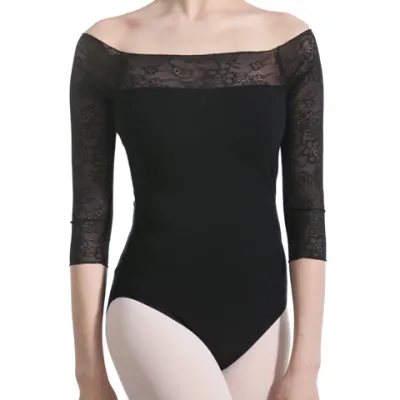

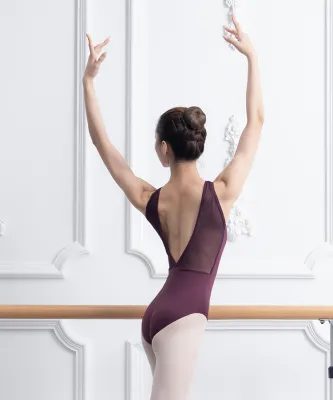
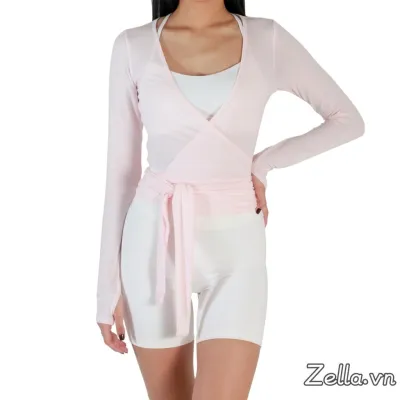

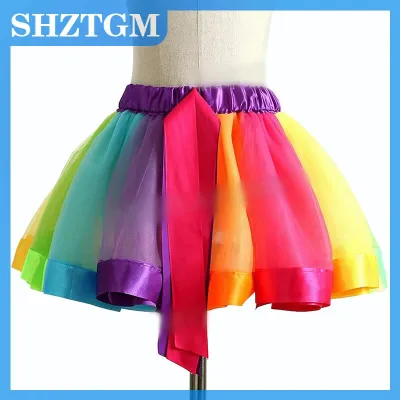
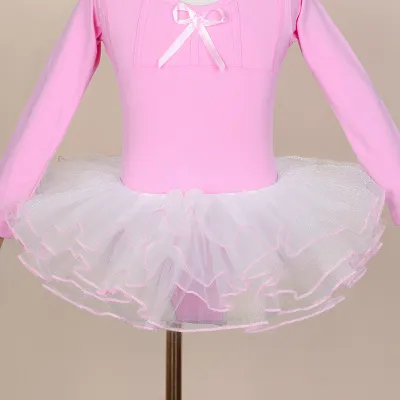
Prices are valid at publication and may change. Please refer to the product page for the latest price.
In these conditions, traditional, heavy cotton or thick nylon leotards act as thermal barriers. Instead of allowing heat to escape, they trap a layer of warm, moist air directly against your skin. As you progress from barre work to high-intensity center combinations, jumps, and allegros, this trapped moisture quickly saturates the fabric.
Saturated garments lead to several distinct physical complications. The constant friction of wet fabric against damp skin causes painful chafing, particularly around the leg openings, underarms, and collarbones. Over time, the combination of sweat, heat, and friction can cause heat rashes, contact dermatitis, and bacterial or fungal skin infections.
Furthermore, carrying the extra weight of a waterlogged leotard drains your energy and can impair your proprioception—your awareness of your body’s position in space. A heavy, sagging outfit distracts you from your alignment and technique. Selecting a high-quality ballet outfit for women that actively manages moisture rather than simply absorbing it is therefore essential for both your physical health and your artistic performance.
Best Fabrics for Breathability and Moisture-Wicking
When shopping for dancewear, looking at the aesthetic design is only half the task; you must carefully inspect the fabric composition on the garment tag. The raw materials used to weave your leotards and tights dictate how the garment handles sweat, retains its shape, and feels against your skin during intense movement.

Synthetic Performance Blends
High-performance synthetic fabrics are the gold standard for training in tropical climates. Modern synthetic blends engineered for athletic wear typically combine nylon or polyester with a high percentage of spandex (also known as elastane or Lycra). Nylon provides a smooth, durable, and lightweight feel, while polyester offers excellent structural integrity and rapid drying times. Spandex introduces the necessary elasticity, allowing the garment to stretch and recover without losing its shape.
These synthetic fibers are hydrophobic, meaning they resist absorbing water. Instead of holding onto sweat, they utilize capillary action to pull moisture away from your skin and push it to the outer surface of the fabric, where it can evaporate quickly. When evaluating a ballet outfit for women, check the product specifications for terms like “moisture-wicking finish” or “dry-tech.”
Additionally, ensure the fabric features four-way stretch construction. A four-way stretch fabric expands both crosswise and lengthwise, accommodating extreme extensions, arabesques, and deep pliés without pulling or creating restrictive tension points. This multidirectional elasticity ensures the garment moves like a second skin, minimizing the risk of friction-induced chafing.
When budgeting for your training wardrobe, expect broad price bands: entry-level synthetic leotards on local ecommerce platforms start around ₱500 to ₱1,000, while premium, high-durability import brands can range from ₱2,500 to ₱4,500 or more.
Natural and Semi-Synthetic Fibers
Natural fibers like cotton and semi-synthetics such as bamboo, rayon, and modal are celebrated for their exceptional softness and initial breathability. They feel incredibly comfortable against dry skin and are highly favored for casual wear. However, their physical structure makes them less suited for high-intensity ballet training in humid environments.
These fibers are highly hydrophilic, meaning they absorb large volumes of water and hold it within their core. A cotton leotard can absorb up to 27 percent of its weight in water before feeling damp, but once saturated, it dries very slowly. In a humid Philippine studio, a wet cotton garment becomes heavy, clings tightly to your torso, and loses its elasticity, causing it to sag and bag around the waist and hips.
If you prefer the soft feel of natural or semi-synthetic fibers, reserve them for low-intensity sessions. They are excellent for gentle warm-ups, floor barre classes, or short stretching routines where sweat production is minimal. For intense center work, pointe classes, or long rehearsals, transition to synthetic performance blends to keep your body dry and light.
Mesh and Structural Ventilation
Fabric composition is not the only factor in temperature regulation; the structural design of the textile also plays a critical role. Incorporating power mesh panels, micro-perforations, and strategic cut-outs into your dancewear introduces physical pathways for ambient air to circulate directly over your skin.
Power mesh is a lightweight, sheer fabric that offers excellent breathability while retaining high tensile strength and compression. When integrated into a leotard, it allows heat to escape instantly. When shopping, verify that these mesh panels are located in primary sweat zones, such as the upper back, along the spine, or under the arms, where heat buildup is most intense.
It is vital to check that the mesh inserts do not compromise the overall structural integrity of the garment. High-quality dancewear uses reinforced seams to join mesh panels with the main body fabric, ensuring the leotard still provides the necessary bust support and core compression required to maintain your posture and alignment.
Selecting a Ballet Outfit for Women: Styles and Cuts That Maximize Airflow
The silhouette of your ballet outfit for women directly influences how efficiently your body can shed heat. Choosing styles that minimize fabric coverage and eliminate unnecessary layers will dramatically improve your comfort level during hot-weather training.
Leotard Designs for Cooling
The design of your leotard’s upper body determines how much skin is exposed to circulating air. Traditional long-sleeve and three-quarter-sleeve leotards, while elegant, trap heat along your arms and shoulders, making them impractical for tropical training. Instead, opt for tank, camisole, or halter styles that leave your arms completely free.
Open-back, low-back, or keyhole designs are highly effective for heat dissipation. The back is one of the body’s primary heat-release zones; leaving this area uncovered allows sweat to evaporate directly from the skin rather than soaking into fabric. If your studio’s dress code requires more coverage, look for leotards that feature a solid front paired with a full mesh back.
Pay close attention to the construction of the seams. Damp skin is highly sensitive to friction, making standard raised seams a common source of irritation. Look for garments constructed with flatlock or seamless stitching, where the fabric edges are butted together and stitched flat. This flat profile minimizes rubbing against your skin, even during repetitive movements like port de bras.
Bottoms and Tights for Hot Studios
Managing your lower body wear is equally important when training in high humidity. Standard nylon tights can trap significant heat around your legs, hips, and lower abdomen. To mitigate this, consider modifying your legwear based on your studio’s guidelines and your training intensity.
Convertible tights are an excellent investment for tropical dancers. These tights feature a small, reinforced opening on the sole of the foot, allowing you to easily roll them up to your ankles. During warm-ups or breaks, exposing your feet and ankles helps cool your lower extremities and prevents sweat from pooling inside your ballet slippers or pointe shoes.
When selecting tights, check the denier rating, which indicates the thickness of the weave. Opt for lightweight, lower-denier tights (typically between 15 and 30 denier) that provide the necessary muscle support and a clean line without adding excessive thermal insulation. For casual classes or studios with relaxed dress codes, pairing a camisole leotard with fitted bike shorts or a sheer, lightweight georgette wrap skirt offers maximum airflow while maintaining a classic ballet silhouette.
Layering Strategies for Studio Temperature Shifts
Dancers in the Philippines often have to navigate extreme temperature transitions. You might commute through the intense heat and humidity of a tropical afternoon, step into a chilly, air-conditioned studio lobby, and then move into a training room that could be either warm and humid or heavily cooled. Managing these shifts requires a smart, adaptable layering strategy.
Your warm-up gear should consist of lightweight, highly breathable layers that can be added or removed in seconds. Instead of heavy fleece or thick knitted sweaters, choose mesh shrugs, short chiffon wrap tops, or lightweight, open-knit leg warmers. These items provide just enough insulation to protect your joints and muscles from sudden drafts without trapping sweat.
The key to effective layering is progressive removal. Begin your warm-up at the barre with your light layers on to help your muscles reach their optimal operating temperature safely. As your heart rate rises and you begin to glisten, remove the layers one by one before sweat can accumulate beneath them.
Avoid wearing heavy, non-breathable plastic “sauna pants” or thick sweatpants unless specifically instructed for a short, controlled warm-up. In a tropical climate, these garments can rapidly cause dangerous overheating, dehydration, and muscle fatigue. If you experience dizziness, excessive flushing, or muscle cramping during class, stop immediately, step out of the studio to cool down, and hydrate.
Care and Maintenance for Ballet Wear in Humid Weather
The hot, humid climate of the Philippines accelerates the breakdown of performance fabrics if they are not cared for correctly. Sweat contains salt, urea, and lactic acid, which can corrode elastane fibers, dull colors, and foster the growth of odor-causing bacteria if left in a damp dance bag.
Never leave your worn ballet outfit for women crumpled at the bottom of your bag after class. If you cannot wash it immediately, hang it up in a well-ventilated area to dry completely. Ideally, rinse your leotards and tights in cool water as soon as you get home to flush out the sweat salts before they can damage the fibers.
When washing your dancewear, use a mild, liquid detergent and wash by hand or use a gentle cycle in a protective mesh laundry bag. Avoid using fabric softeners or dryer sheets at all costs. Fabric softeners leave a microscopic, waxy coating on the surface of synthetic fibers; this coating clogs the tiny pores of the weave, permanently destroying the fabric’s moisture-wicking capabilities and trapping odors inside the fibers.
Always air-dry your leotards and tights. Hang them in a well-ventilated, shaded indoor space or a covered balcony. Avoid hanging them in direct, harsh tropical sunlight, as ultraviolet (UV) rays rapidly degrade spandex and elastane, causing the fabric to lose its stretch, become brittle, and fade. Ensure all garments are completely dry before storing them in your closet to prevent the development of musty odors and mildew.
Frequently Asked Questions (FAQ)
Can I wear 100% cotton leotards for intense ballet training in the heat?
While 100% cotton is soft and highly breathable when dry, it is not recommended for intense training in hot, humid conditions. Cotton absorbs sweat and holds it in the fibers, causing the garment to become heavy, cold, and clingy. This damp fabric rubs against your skin, significantly increasing the risk of painful chafing, and can cause your body temperature to drop rapidly during cool-downs or breaks, leading to muscle stiffness.
How do I prevent ballet tights from degrading quickly in humid conditions?
To extend the lifespan of your tights in a tropical climate, hand-wash them in cool water with a gentle detergent, or place them in a mesh laundry bag on a delicate machine cycle. Always air-dry them away from direct heat and harsh sunlight. Most importantly, ensure they are 100% dry before storing them in drawers or closets, as any trapped moisture in enclosed, humid spaces will rapidly break down the elastic fibers and encourage mildew growth.
Community discussion
Share your experience or ask a question. Comments are reviewed before publication.