
Selecting the perfect basketball for a growing boy in the Philippines requires balancing physical development with the realities of local playing conditions. In a country where basketball is a daily passion, games are played on a wide variety of surfaces, from polished indoor hardwood courts to rugged, sun-baked barangay concrete. Finding the right ball for kids boys means looking beyond aesthetics to evaluate size, weight, cover material, and structural durability. The right choice prevents physical strain, fosters proper shooting form, and ensures the equipment survives the demanding tropical climate.
While high-grip materials and premium designs can enhance a player’s experience, equipment cannot replace proper training, physical conditioning, and safety judgment. Before heading out to play, parents and players should always inspect the court surface for hazards. Playing on wet concrete or dusty outdoor courts significantly increases the risk of slips and joint injuries, regardless of how much grip the basketball offers. If weather conditions deteriorate or the court becomes slick, it is safest to stop play immediately.
Basketball Size Guide: Matching the Ball to Your Child's Age
Using a basketball that is too large or heavy is one of the most common mistakes parents make when equipping young players. When a child attempts to shoot an adult-sized ball, they must compensate for the excess weight by pushing the ball from their chest or hip using both hands. This biomechanical compensation leads to a flared-elbow shooting form and destroys the development of a clean, one-handed release. Over time, forcing a child to play with an oversized ball can strain their developing wrists, elbows, and shoulders.
Products mentioned in this guide
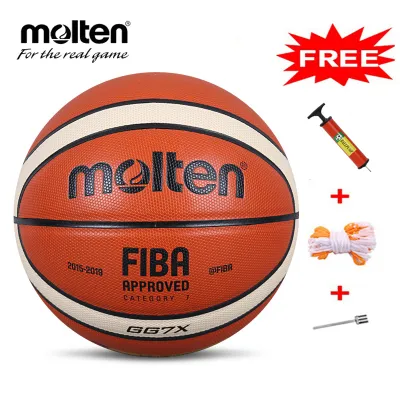
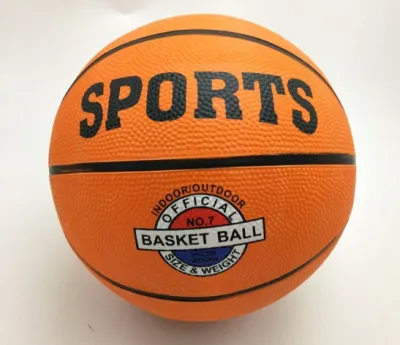
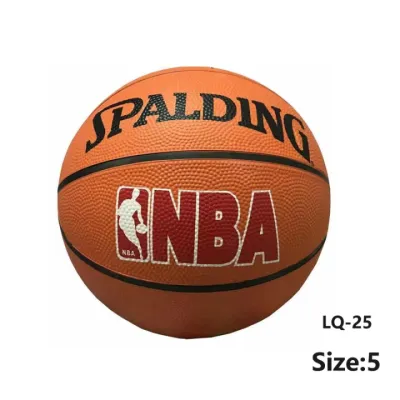
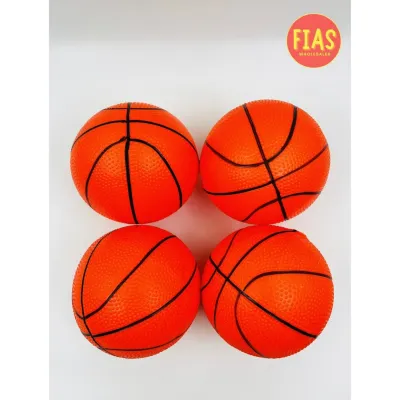
Prices are valid at publication and may change. Please refer to the product page for the latest price.
To prevent these issues, international youth sports organizations have established a standardized size progression based on age and hand development:
- Size 3 (Mini): Measuring approximately 22 inches in circumference and weighing around 300 grams, this size is designed for children aged 4 to 8. It allows toddlers and young beginners to practice basic ball-handling and passing without straining their small hands.
- Size 5 (Youth): With a circumference of 27.5 inches and a weight of about 470 to 500 grams, this is the standard size for boys aged 9 to 11. It is the critical transition ball where players begin learning genuine shooting mechanics and structured team play.
- Size 6 (Intermediate): Measuring 28.5 inches in circumference and weighing roughly 510 to 567 grams, this size is used by boys aged 12 to 14. It is also the official size for women's competitive basketball.
- Size 7 (Official): This is the standard size for boys aged 15 and up, measuring 29.5 inches in circumference and weighing between 567 and 650 grams. It is the size used in high school, college, and professional leagues worldwide.
While age brackets provide a reliable baseline, physical growth rates vary significantly. A practical way to confirm if your child is ready to transition to a larger size is to measure their hand span. Have your child fully spread their dominant hand on a flat surface and measure the distance from the tip of the thumb to the tip of the pinky finger. If the span is under 6 inches, they will struggle to control anything larger than a Size 5 ball. A hand span between 6 and 7 inches indicates readiness for a Size 6, while a span exceeding 7 inches suggests they can comfortably handle a standard Size 7 ball.
Court Surface Matters: Choosing the Right Material for Philippine Conditions
The playing surface is the single most influential factor in determining how long a basketball will last. In the Philippines, indoor wooden or synthetic courts are typically reserved for organized school leagues or rented sports complexes. The vast majority of recreational play occurs on outdoor neighborhood courts, which are usually constructed from rough, unpolished concrete or asphalt. These outdoor surfaces are highly abrasive, acting like sandpaper on soft, premium basketball covers. Additionally, tropical humidity, intense midday heat, and sudden monsoon downpours introduce environmental stressors that can warp low-quality materials.

Understanding the differences between cover materials is essential for making a cost-effective purchase:
- Rubber Covers: Constructed from vulcanized rubber, these balls are incredibly tough, highly resistant to abrasions, and virtually impervious to moisture. They are the most practical choice for rough concrete barangay courts. While they do not offer the soft, cushioned feel of leather, their deep pebbling provides a reliable grip even when the court is dusty or slightly damp.
- Composite Leather: Made from polyurethane (PU) or synthetic microfibers, composite leather mimics the soft feel and excellent grip of genuine leather without the premium price tag. Many modern composite balls are rated for indoor and outdoor use. However, when played continuously on rough concrete, the outer synthetic layer will scuff, peel, and wear down much faster than rubber. They are best suited for smooth outdoor concrete, painted courts, or indoor gymnasiums.
- Genuine Leather: Made from top-grain animal hide, genuine leather balls are the gold standard for professional indoor play. They require a dedicated break-in period, during which the stiff outer skin softens and absorbs natural skin oils to create an unmatched grip. However, genuine leather must never be used outdoors. Concrete will ruin the leather surface within minutes, and exposure to dirt and moisture will cause the material to rot, harden, and lose its structural integrity.
For the typical Philippine setting, parents should carefully weigh where their child will play most frequently. If your son primarily plays on the local street or an uncovered neighborhood court, a durable, high-quality rubber ball is the most sensible option. It will survive the rough concrete and resist water damage during the rainy season. If they play in a school gym or on well-maintained, painted outdoor courts, a hybrid indoor/outdoor composite leather ball offers the ideal balance of performance, tactile feedback, and longevity.
Finding the Right Ball for Kids and Boys: Recommended Types by Age Group
Selecting a basketball requires matching the ball’s material and construction to your child’s physical capabilities and playing environment. Rather than focusing on specific, rapidly changing price points, parents should look for established product lines from reputable sports manufacturers that specialize in youth development.
Young Beginners (Ages 4-8): Size 3 and 4 Options
For children in this early developmental stage, the primary goal is to build hand-eye coordination and a love for the game. Because young muscles are still developing, heavy balls will quickly cause fatigue and discourage play. Look for lightweight rubber models with deep, wide channels that make it easier for small fingers to find leverage during dribbling and passing drills.
Many top sports brands offer specialized youth lines featuring high-visibility colors, geometric patterns, or licensed character designs. These visual elements are not merely cosmetic; they help young children track the rotation of the ball in the air, making it easier to catch. When shopping at local sporting goods stores or official online brand outlets, prioritize vulcanized rubber balls designed specifically for recreational play, as they offer the best resistance to the inevitable drops and scrapes on backyard concrete. Broad price bands for these introductory balls typically range from ₱300 to ₱800, making them highly accessible.
Elementary Players (Ages 9-12): Size 5 Options
As boys enter elementary school, they begin to transition from simple play to structured skill development. At this stage, consistent bounce and reliable tactile feedback become critical for mastering dribbling patterns, crossovers, and basic shooting forms. A ball that bounces erratically or slips easily out of the hand will hinder their progress and cause frustration.
For this age group, parents should look for mid-range outdoor composite leather balls or premium rubber models. Many manufacturers offer street or outdoor composite series that feature a reinforced carcass and a slightly thicker synthetic cover designed to withstand concrete while maintaining a soft feel. Ensure the ball has a dense, uniform pebbling pattern across its entire surface, which helps the child maintain control even when their hands are sweaty from playing in the tropical heat. These mid-range options generally sit within a price band of ₱1,000 to ₱2,000.
Teens and Advanced Players (Ages 13+): Size 6 and 7 Options
Teenagers and competitive youth players require basketballs that meet official league specifications. If your son is participating in school tryouts, varsity training, or local youth tournaments, it is vital to verify the exact size requirements of their league. While most high school leagues in the Philippines mandate a standard Size 7 ball for boys, some junior divisions or developmental tournaments for players under 14 may utilize a Size 6 ball to encourage better shooting mechanics.
For competitive play, high-quality composite leather balls are the standard. Look for advanced features such as moisture-wicking technology, which uses specialized synthetic fibers to absorb sweat from the player’s hands, maintaining a consistent grip during intense, high-humidity games. If the player primarily trains on outdoor concrete but needs a ball that feels like an indoor game ball, select a premium composite model specifically engineered with a high-durability backing matrix to resist wear on abrasive surfaces. These high-performance balls typically fall into the ₱2,000 to ₱4,000 price band.
What to Inspect Before Buying: Grip, Bounce, and Durability
Whether you are purchasing a basketball from a physical sporting goods store or unboxing a delivery from an online marketplace, performing a thorough quality inspection is essential to ensure you receive a durable, high-performance product. Do not rely solely on brand reputation; inspect the physical item using this checklist:
- Pebbling and Grip: Run your hands over the surface to ensure the raised pebbles are uniform in height and distribution. In humid tropical climates, a shallow or worn pebbling pattern will quickly become slick when exposed to sweat or dust. Ensure the surface provides adequate dry friction before use.
- Channel Depth: Deeper, wider channels (often referred to as deep-channel construction) provide natural grooves for a child's fingers to grip, which is highly beneficial for learning proper hand placement during shooting and passing.
- Valve Quality: The air valve is a common failure point on low-quality basketballs. Inspect the valve area to ensure it is perfectly flush with the ball's surface and does not show any signs of cracking or misalignment. You can check for micro-leaks by applying a drop of soapy water directly over the valve opening; if bubbles form, the valve is defective and will constantly lose pressure.
- Bounce Consistency: Perform a simple drop test. Inflate the ball to its recommended pressure (usually printed near the valve) and hold it at eye level, roughly 1.8 meters above a flat concrete floor. Drop the ball without applying any downward force. A high-quality basketball should rebound straight up to approximately waist or chest height (around 1.2 to 1.4 meters) without wobbling or veering to the side. An uneven bounce indicates a warped internal bladder or uneven nylon windings.
How to Maintain Your Basketball in a Tropical Climate
The combination of high heat, intense humidity, and abrasive dust in the Philippines can rapidly degrade even the most durable basketball. Proper maintenance is key to extending the life of your investment and preserving the ball’s grip. How you store and transport the ball also matters; using a ventilated mesh ball bag is highly recommended, as it allows moisture to evaporate naturally rather than trapping humid air against the cover.
After every outdoor session, take a moment to wipe down the basketball with a damp microfiber cloth to remove accumulated sweat, dirt, and concrete dust. Sweat contains oils and acids that can break down synthetic composite covers over time, while dust acts as an abrasive that wears down the pebbling. Avoid using harsh chemical detergents or submerging the ball in water, as moisture can seep through the seams and damage the internal bladder.
Store the basketball in a cool, dry, and well-ventilated indoor space. Never leave a basketball exposed to direct sunlight on a balcony or locked inside a hot car trunk. Excessive heat causes the air inside the ball to expand rapidly, which puts immense pressure on the internal seams and can lead to permanent warping, bubbling, or splitting.
Always maintain the correct inflation pressure, typically between 7.5 and 8.5 pounds per square inch (PSI). Use a reliable hand pump and an inflation pressure gauge rather than guessing by squeezing the ball. Under-inflated balls ruin dribbling mechanics and force players to use excessive force, while over-inflated balls are highly susceptible to popping or warping when subjected to high tropical temperatures. Always moisten the inflation needle with a drop of water or valve oil before inserting it to avoid damaging the delicate rubber valve.
Frequently Asked Questions (FAQ)
What is the standard basketball size for a 10-year-old boy?
The standard basketball size for a 10-year-old boy is Size 5, which has a circumference of 27.5 inches. This size is specifically engineered to match the hand span and muscle strength of elementary school-aged children, allowing them to develop proper shooting and dribbling habits. Signs that your child is ready to transition to a larger Size 6 ball include a hand span exceeding 6 inches, the ability to easily shoot from the three-point line without breaking their shooting form, and a physical growth spurt that makes the Size 5 ball look noticeably small in their hands.
Can I use an indoor basketball on outdoor concrete courts?
No, using a dedicated indoor basketball on outdoor concrete courts is highly discouraged. Indoor basketballs are made from genuine leather or soft, premium composite materials designed to grip polished wooden floors. When exposed to rough concrete, these soft materials will scuff, peel, and wear down within a few play sessions, permanently ruining the ball’s grip and feel. For outdoor play, always choose a basketball specifically labeled for outdoor or street use, which features a rugged vulcanized rubber cover or a reinforced composite cover designed to withstand abrasive concrete surfaces.
Community discussion
Share your experience or ask a question. Comments are reviewed before publication.