
Playing basketball in the Philippines is more than just a popular pastime; it is a daily ritual woven into the fabric of almost every neighborhood. From makeshift street hoops to bustling barangay courts, the game is almost exclusively played outdoors on rough concrete surfaces. Finding a basketball that can survive these demanding conditions requires understanding how different materials and designs handle intense friction, heat, and dust.
The ideal basketball for outdoor concrete courts must strike a balance between long-term durability, reliable grip, and your personal budget. While indoor courts allow for soft, premium leathers, outdoor play demands rugged construction that resists abrasion without losing its bounce. This guide breaks down the critical differences between cover materials, key design features to inspect before buying, and practical maintenance steps to keep your ball in peak condition.
Understanding the Toll of Concrete Courts
Outdoor concrete courts present a harsh environment that can degrade a standard basketball in a matter of weeks. Unlike the smooth, finished hardwood of indoor gymnasiums, concrete is highly abrasive and acts like sandpaper against the ball’s outer cover. Every crossover, hard pass, and bounce off the metal rim scrapes away microscopic layers of the ball’s material, gradually smoothing out the texture that provides grip.
Products mentioned in this guide
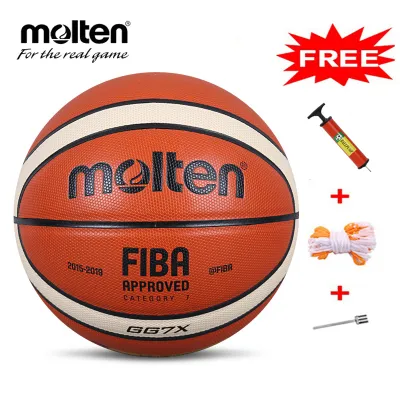
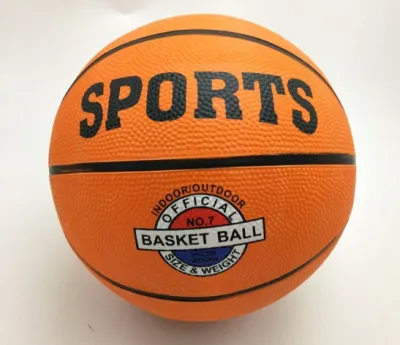
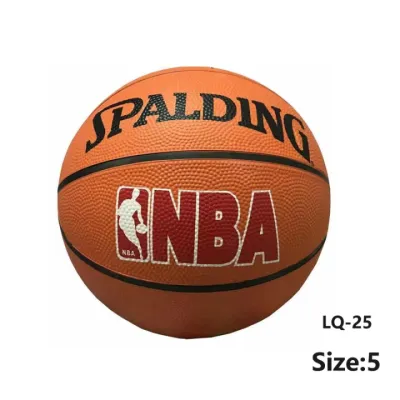
Prices are valid at publication and may change. Please refer to the product page for the latest price.
Beyond the rough surface itself, outdoor courts are constantly exposed to dust, dirt, and loose debris. As you play, fine dust particles settle into the pebbles and channels of the basketball. This accumulation creates a barrier between your hands and the ball, making it slippery and difficult to control during shooting or dribbling. Dust also alters how the ball interacts with the court surface, sometimes leading to unpredictable bounces.
Environmental factors in tropical regions further accelerate this wear and tear. The combination of intense solar heat, high humidity, and sudden tropical rain showers can severely compromise a basketball’s structural integrity. Prolonged exposure to high temperatures causes the air inside the ball to expand, putting pressure on the seams and bladder. Meanwhile, moisture from humidity or damp courts can weaken the adhesives holding the outer panels together, leading to peeling and warping.
Rubber vs. Composite Leather: Choosing Your Material
When shopping for an outdoor basketball, your primary decision lies between rubber and composite leather covers. Each material offers distinct advantages and trade-offs regarding lifespan, playability, and cost.

Rubber basketballs are the traditional choice for rugged street play and remain highly popular across local courts. They are engineered for maximum abrasion resistance, allowing them to withstand constant scraping against concrete and metal chain nets. Rubber balls typically feature deep, molded channels that provide a solid grip even when the surface is covered in dust. From a budget perspective, rubber balls are highly accessible, with prices often starting below ₱1,000. The main trade-off is their feel; rubber has a much firmer, harder bounce and lacks the soft, cushioned touch preferred for precise shooting.
Composite leather basketballs designed specifically for outdoor use offer a middle ground between indoor performance and outdoor durability. These balls utilize a synthetic leather cover that mimics the soft feel, tackiness, and moisture-wicking properties of indoor game balls. They provide a superior grip and a more consistent, cushioned bounce, making them the preferred choice for players looking to practice their skills for competitive leagues. However, composite leather is inherently softer than rubber, meaning it will wear down faster on rough concrete. Outdoor composite balls are also more of an investment, typically ranging from ₱1,500 to over ₱3,500.
It is crucial to note that genuine leather basketballs should never be used on outdoor concrete. Genuine leather is highly porous and designed exclusively for indoor hardwood courts. When exposed to concrete, the rough surface will scuff, scratch, and tear the premium leather within a single session. Additionally, genuine leather absorbs moisture and dirt, which will quickly ruin the material’s texture, weight, and balance, turning an expensive investment into an unusable ball.
Essential Features to Check for Durability and Grip
Before purchasing a basketball for outdoor use, inspecting specific design elements can help you gauge how well it will perform on concrete.
First, examine the pebble texture density and the depth of the channels. The pebbles—the tiny raised bumps on the ball’s surface—are critical for creating friction between your skin and the cover. High-density pebbling ensures that even as the outer layer wears down, some texture remains to provide grip. Deep, wide channels are equally important because they act as escape routes for dust, dirt, and sweat. When you grip the ball, these channels allow your fingers to sink in and maintain control, preventing the ball from slipping out of your hands on a dusty barangay court.
Second, consider the internal bladder construction and valve quality. The bladder is the innermost chamber that holds the air, and outdoor balls benefit greatly from heavy-duty butyl bladders, which offer superior air retention compared to natural latex. To ensure the ball maintains its perfect spherical shape over months of hard impacts, look for models that specify nylon or polyester windings wrapped around the bladder. A high-quality self-sealing valve is also essential to prevent slow air leaks, especially when playing in fluctuating outdoor temperatures.
Finally, verify that you are choosing the correct size and weight for your needs. Standard league play for adult males uses a Size 7 ball, which has a circumference of approximately 29.5 inches. Female players and youth leagues typically use a Size 6 ball (28.5 inches), while younger children benefit from a Size 5 ball (27.5 inches). Using the correct size ensures proper hand placement and shooting mechanics, which are vital when adapting to the challenging playing conditions of outdoor courts.
Maintenance Tips to Extend Your Ball's Lifespan
Even the most durable outdoor basketball will degrade quickly without proper care. Implementing a simple maintenance routine can significantly extend the lifespan of your ball and preserve its grip.
Proper inflation is the first step in protecting your basketball’s structure. Always use a reliable pressure gauge and moisten the inflation needle with water or glycerin before inserting it into the valve. This lubrication prevents the needle from damaging or displacing the valve core. Keep the inflation within the manufacturer’s recommended range, which is typically printed directly on the ball near the valve. Over-inflating a ball makes it rock-hard, increasing the risk of seam separation and warping when the air expands under the hot tropical sun.
Cleaning your basketball after play is essential for maintaining its grip. After a session on a dusty concrete court, wipe the ball down with a clean microfiber cloth dampened with warm water and a small drop of mild dish soap. Gently scrub the channels and pebbles to remove embedded dirt and sweat. Avoid using harsh chemical cleaners, solvents, or abrasive brushes, as these can strip away the protective coatings on composite leather or degrade rubber. Never submerge the ball completely in water, as moisture can penetrate the seams and weaken the internal adhesives.
Proper storage is equally critical for preventing premature wear. Always store your basketball indoors in a cool, dry place away from direct sunlight. Leaving a ball outside on a porch, in the backyard, or locked inside a hot car trunk exposes it to extreme temperature fluctuations. This heat can warp the internal bladder, dry out composite leather, and cause the outer panels to peel away from the carcass. Keep it in a dedicated gear bag or on a storage shelf to protect it from environmental damage.
Frequently Asked Questions (FAQ)
Can I use an indoor basketball on a concrete court?
Using a designated indoor basketball on a concrete court is highly discouraged. Indoor balls are constructed with soft, premium composite or genuine leather designed to grip clean, polished wood. Concrete surfaces will rapidly abrade these delicate materials, smoothing out the grip and tearing the outer cover within a few games. This not only ruins the ball’s performance but also results in a costly waste of equipment. For outdoor play, always choose a ball specifically labeled for outdoor or indoor/outdoor use.
How often should I check the air pressure of my outdoor ball?
You should check your outdoor basketball’s air pressure at least once a week, or before every game if you play frequently. Outdoor temperatures cause the air inside the ball to expand in the heat and contract in the cool evening air, leading to natural pressure fluctuations. A quick check with a pressure gauge ensures a consistent, predictable bounce and prevents you from playing with an under-inflated ball, which can alter your shooting form and dribbling rhythm.
Community discussion
Share your experience or ask a question. Comments are reviewed before publication.