
Playing basketball in the Philippines is more than just a pastime; it is a daily ritual woven into the fabric of every barangay. From makeshift hoops on street corners to the local barangay multi-purpose court, the game is almost exclusively played outdoors on rough, unpolished concrete. To survive these demanding conditions, selecting the right balls for basketball is crucial, as the abrasive cement, intense tropical heat, and persistent dust will rapidly destroy a standard indoor ball.
The best basketball for outdoor concrete courts in the Philippines must prioritize extreme abrasion resistance, reliable grip under humid conditions, and consistent air retention. For most players, a high-grade rubber basketball or a specially treated outdoor composite leather ball offers the ideal balance of durability and playability. Choosing between these materials depends on your playing frequency, budget, and personal preference for ball feel.
Why Rough Concrete Courts Require Specialized Basketballs
Step onto any typical barangay or school court in the Philippines, and you will immediately notice the harsh environment. Unlike polished indoor hardwood, outdoor concrete courts are highly abrasive, often featuring uneven textures, small cracks, and exposed aggregate. When a basketball bounces or slides across this surface, the friction acts like sandpaper, grinding down the outer layer with every dribble, pass, and shot.
Products mentioned in this guide
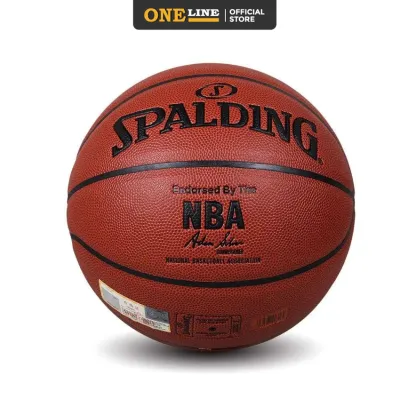
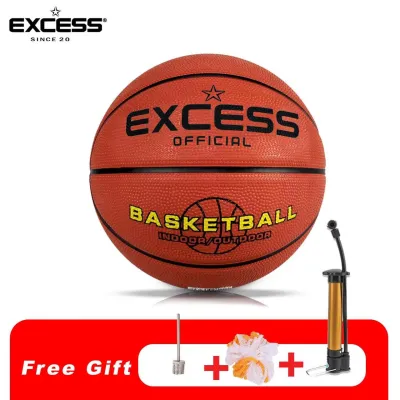
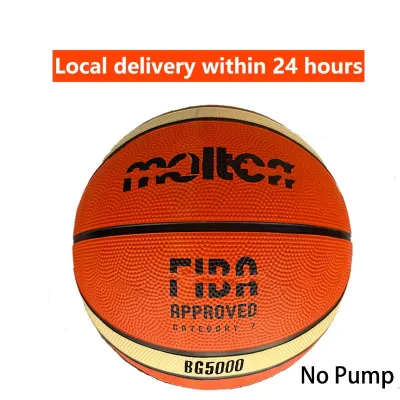
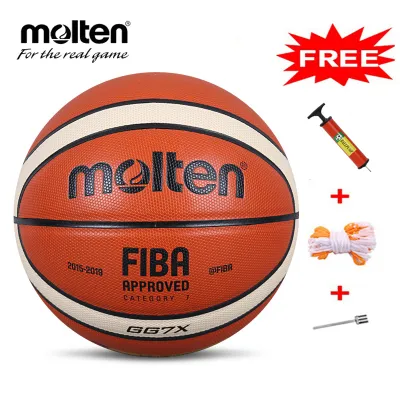
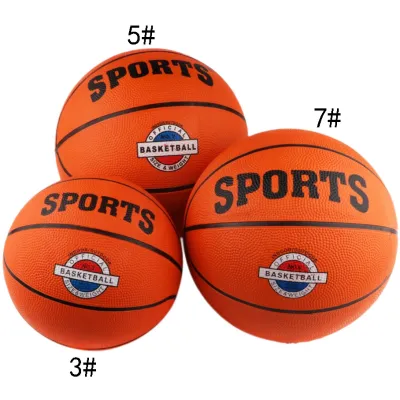
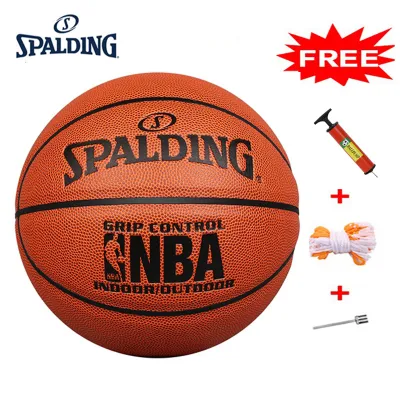
Prices are valid at publication and may change. Please refer to the product page for the latest price.
In addition to the physical roughness of the concrete, outdoor courts are constantly exposed to environmental debris. Fine dust, loose dirt, and sand settle onto the surface, forming a slippery barrier between the ball and your hands. A standard indoor ball, designed to grip clean hardwood, quickly loses all traction when coated in this fine grit, making dribbling and shooting highly unpredictable.
The tropical climate of the Philippines introduces further complications. High relative humidity and sudden downpours can leave courts damp or slick, while the intense midday sun heats the concrete to extreme temperatures. This direct heat causes the air inside the basketball to expand, increasing internal pressure and stressing the seams and bladder. Over time, constant exposure to UV rays degrades cheap plastics and standard glues, leading to warping, bubbling, or rapid air loss.
Consequently, using a premium indoor leather ball on these courts is a costly mistake. Genuine leather is highly porous and soft; it will scrape, peel, and lose its grip within a single session on rough concrete. To get the most value and performance out of your gear, you need a ball designed specifically to withstand the daily grind of outdoor Philippine play.
Essential Features for Outdoor Durability and Grip
When shopping for an outdoor basketball, you cannot rely solely on brand names or aesthetic designs. You must inspect the physical construction of the ball to ensure it can survive the harsh concrete environment. Focus on these critical features before making your purchase:

- Heavy-Duty Cover Material: The outermost layer is your first line of defense. Look for covers made from thick, vulcanized rubber or specially reinforced composite leather. These materials are formulated to resist tearing and deep scratches when scraped against rough cement.
- Deep Channel Design: The black grooves, or channels, that run across the basketball are not just for aesthetics. Deep, wide channels allow your fingers to find leverage even when the ball is covered in outdoor dust or light moisture. This design helps maintain control during cross-overs and release on shots.
- Aggressive Pebbling Pattern: Pebbling refers to the tiny raised dots across the ball's surface. For outdoor play, choose a ball with more pronounced, raised pebbles. While fine pebbling feels great indoors, it flattens out quickly on concrete; aggressive pebbling ensures the grip lasts much longer.
- Reinforced Bladder and Carcass: The internal bladder holds the air, while the wound carcass (usually nylon or polyester threads) maintains the ball's shape. A high-quality butyl bladder wrapped in durable nylon windings is essential for outdoor balls, as it prevents warping and maintains a consistent bounce despite hard impacts on unyielding concrete.
Rubber vs. Composite Leather: Choosing the Right Material
The debate between rubber and composite leather is the most important decision point when selecting an outdoor basketball. Each material serves a distinct type of player and court condition, presenting clear trade-offs in terms of cost, durability, and tactile feel.
Rubber Basketballs: Maximum Durability for Rough Surfaces
For the absolute harshest playing conditions, such as unfinished, highly textured concrete or street courts covered in dust, rubber basketballs are the undisputed champions. Vulcanized rubber is incredibly tough and highly resistant to abrasion. It does not peel or tear when scraped against sharp concrete edges, making it the most durable option available.
Another significant advantage of rubber balls is their cost-effectiveness. In the Philippines, high-quality rubber basketballs typically cost under ₱1,000, making them highly accessible for school physical education departments, community barangay leagues, and individual players on a budget. Because they are inexpensive, replacing them after months of heavy use does not represent a major financial burden.
However, rubber balls come with notable trade-offs. They have a much stiffer, harder feel in the hand compared to leather, which can make catching hard passes slightly painful for beginners. They also do not absorb sweat or moisture, meaning they can become quite slippery when wet, and their bounce can feel excessively lively or “springy” on hard concrete.
Outdoor Composite Leather: Enhanced Feel with Limits
If you want a playing experience that closely mimics the feel of a professional indoor game, outdoor composite leather is the superior choice. Composite leather is a synthetic material engineered to replicate the softness, grip, and moisture-wicking properties of genuine leather, but with added polymers to enhance durability against rough surfaces.
These balls offer a much better “break-in” period, gradually softening to fit your grip and providing excellent control for shooting and ball-handling. They absorb hand sweat much better than rubber, allowing you to maintain a secure hold on the ball even during intense, high-intensity play in hot weather.
The trade-off is that even the best outdoor-rated composite leather will wear down faster than rubber on highly abrasive concrete. Over time, the outer synthetic layer will inevitably scuff and lose its premium texture if played on rough, unswept courts. These balls are also more expensive, generally ranging from ₱1,500 to over ₱3,500, making them better suited for players who have access to smoother, painted concrete courts or who do not mind replacing their ball more frequently to maintain a premium feel.
Maintenance Tips to Extend Your Outdoor Basketball's Life
No matter how durable your basketball is, the combination of rough concrete, dust, and tropical weather will eventually take a toll. Implementing a regular maintenance routine can significantly extend the lifespan of your ball and preserve its grip.
- Clean the Ball Regularly: Outdoor concrete courts accumulate a fine layer of dust that clogs the pebbles and channels of your basketball, making it slippery. After your session, wipe the ball down with a damp microfiber cloth and a small amount of mild dish soap to remove dirt and sweat. Always check the manufacturer's care instructions first, and avoid using harsh chemical solvents or abrasive scrubbers that could degrade the outer cover.
- Store the Ball Indoors: Leaving your basketball outside on the porch, in the yard, or in the trunk of a hot car is a quick way to ruin it. Extreme heat and direct sunlight dry out both rubber and composite leather, leading to cracking, fading, and warping. Store your ball in a cool, dry indoor space away from direct sunlight when it is not in use.
- Monitor and Adjust Air Pressure: The intense heat in the Philippines causes the air inside your basketball to expand, while cooler evening temperatures cause it to contract. Regularly check the air pressure using a pressure gauge, inflating or deflating it to match the manufacturer's recommended PSI (usually printed near the inflation valve). Over-inflating a ball makes it bounce unpredictably and puts unnecessary stress on the seams, while under-inflating ruins the bounce.
- Keep Your Outdoor Ball Outdoors: It is highly recommended to dedicate your outdoor ball strictly to concrete courts. If you take an outdoor ball onto an indoor hardwood court, the concrete dust embedded in its cover can damage the polished wood surface. Conversely, using an indoor ball outdoors even once can permanently ruin its soft leather cover.
Frequently Asked Questions (FAQ)
Can I use an indoor leather basketball on a concrete court?
You should never use a genuine indoor leather basketball on a concrete court. Genuine leather is designed exclusively for polished wooden floors; its soft, porous fibers will scrape, tear, and peel almost immediately upon contact with rough concrete. Using an indoor ball outside will ruin an expensive piece of equipment in a matter of minutes, leaving you with a bald, slippery ball that is unusable.
How often should I replace my outdoor basketball?
There is no fixed calendar timeline for replacing an outdoor basketball, as lifespan depends entirely on how often you play and the roughness of your local court. Instead, look for physical signs of wear. You should replace your ball when the pebbles have flattened out completely, the black channels have become shallow or flush with the cover, or if the ball develops visible bald spots, bulges, or struggles to hold air pressure.
Does the color of the basketball matter for outdoor play?
Yes, ball color can affect your playing experience outdoors. Traditional orange or high-visibility neon colors are much easier to track against the gray background of concrete courts, especially during late afternoon games or under poor court lighting. While black, grey, or multi-colored novelty balls look stylish, they tend to show concrete dust and scuff marks much more prominently, and they can be harder to see in low-light conditions.
Community discussion
Share your experience or ask a question. Comments are reviewed before publication.