
Roller skating has experienced a significant resurgence across the Philippines, with skaters filling public parks, designated eco-loops, and indoor rinks. For a beginner stepping onto eight wheels for the first time, safety is just as important as finding the right rhythm. Purchasing a roller skate with protective gear bundle is an attractive, convenient option that eliminates the hassle of sourcing individual components. However, not all bundles are created equal, and selecting the wrong set can compromise both your comfort and your physical safety on the pavement.
When shopping for a complete package, beginners must look beyond vibrant colors and appealing price tags. A reliable skate set must provide a stable, supportive boot, smooth-rolling wheels suited for local terrain, and protective gear that offers genuine impact absorption. This guide breaks down how to evaluate these bundles, highlights the key categories available to Filipino skaters, and outlines essential safety checks to perform before your very first roll.
Why Choose a Complete Roller Skate Bundle?
Choosing a complete roller skate bundle is primarily driven by convenience and immediate cost savings. For someone new to the sport, navigating the technical specifications of skates, helmets, knee pads, elbow pads, and wrist guards can feel overwhelming. A pre-packaged set ensures that you receive all the necessary gear in a single transaction, allowing you to start practicing without waiting for multiple shipments to arrive.
Products mentioned in this guide
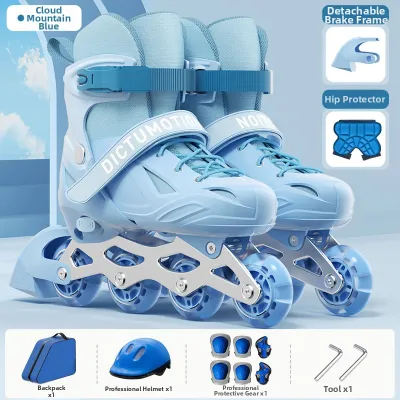
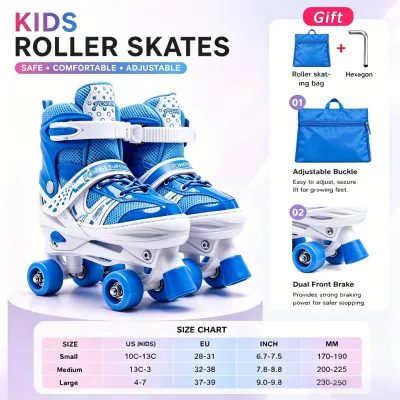
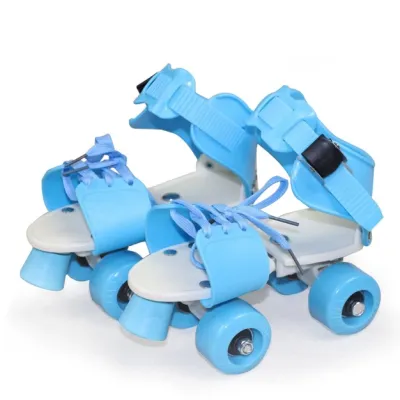
![[Free Shipping + One Year Warranty] COD Double Row Adjustable Roller Skates Skates for Beginners 4 Wheels Roller Skates Free Protective Gear Included Helmet](https://img.lazcdn.com/g/p/b4c0ed01631810a6b0b08d61adf4084f.jpg_400x400q80.jpg_.webp)
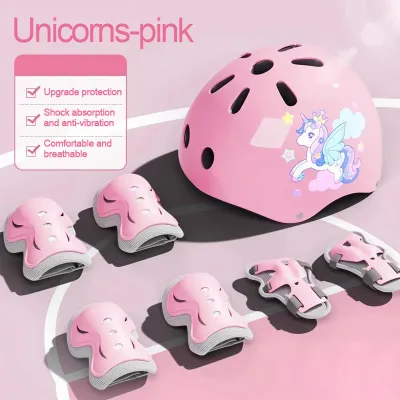
![IMUTO[Free protective gear]Roller Skate Shoes for Kids Adjustable Quad Skates Roller Blades Skate Shoes for Girls Boys](https://img.lazcdn.com/g/p/825ea35eea06c587864d651862874cfc.png_400x400q80.png_.webp)
Prices are valid at publication and may change. Please refer to the product page for the latest price.
From a financial perspective, bundling is generally much more economical than buying each piece of equipment individually. In the local market, purchasing a quality pair of entry-level quad skates, a certified helmet, and a set of triple pads (knee, elbow, and wrist) separately can easily accumulate a total cost of ₱7,000 to ₱12,000. In contrast, starter bundles often range from ₱3,500 to ₱7,500, making the sport far more accessible to casual hobbyists and families.
However, this cost-efficiency comes with a significant trade-off that buyers must carefully navigate. Many budget-friendly bundles sold on online marketplaces feature “toy-grade” protective gear. These cheap pads often consist of thin plastic shells backed by low-density packaging foam, which offers virtually no shock absorption and can crack easily upon impact. Similarly, uncertified helmets may fail to protect against serious head injuries during a hard fall. To ensure a safe skating experience, beginners must prioritize sets that balance a stable skate chassis with certified, high-impact protective gear. Remember that protective equipment is designed to mitigate injury, but it cannot replace proper training, balance development, and personal judgment.
How to Evaluate Beginner Skates and Included Protective Gear
To make an informed purchase, you must understand the technical components of both the skates and the protective gear. Evaluating these specifications ensures that your equipment can withstand the physical demands of learning to skate, especially on the varied and often uneven outdoor surfaces found throughout the Philippines.

Skate Boot and Frame Construction
The skate boot is your primary source of control and stability. Beginners should generally look for high-top boots, which wrap firmly around the ankle to prevent lateral rolling and strain. Hard-boot skates, constructed from molded plastic, offer maximum ankle support and impact protection, making them excellent for absolute beginners who need a highly stable platform. Soft-boot skates, made from reinforced canvas, vinyl, or leather, offer greater flexibility and breathability—a major advantage in hot, tropical climates—but require stronger natural ankle strength.
Beneath the boot lies the frame (or plate), which holds the wheels. Most entry-level skates feature either nylon (composite) or aluminum frames. Nylon frames are lightweight and absorb road vibrations well, but they can flex under heavier adult riders, reducing stability and power transfer. Aluminum frames are stiffer, more durable, and offer superior power transfer, making them the preferred choice for adults and heavier skaters who plan to progress quickly.
Wheels and Bearings
Wheel selection directly dictates where and how smoothly you can skate. Wheels are measured by diameter (in millimeters) and hardness, which is indicated by a durometer rating followed by the letter “A”. For beginner skaters in the Philippines who primarily practice on outdoor asphalt, rough concrete barangay roads, or park paths, soft wheels with a durometer rating between 78A and 82A are essential. These softer wheels act as shock absorbers, gripping the uneven ground and rolling smoothly over small pebbles and cracks. Harder wheels (85A to 101A) are designed for smooth indoor rinks or polished concrete and will vibrate violently and slip dangerously on outdoor surfaces.
Bearings are rated using the ABEC scale (typically ABEC-5, ABEC-7, or ABEC-9). While higher numbers theoretically indicate a more precise, faster-spinning bearing, beginners do not need ultra-fast bearings. Instead, prioritize bearings that are well-sealed against dust and moisture, which is crucial for maintaining performance in dusty or humid tropical environments.
Helmet Safety and Certification
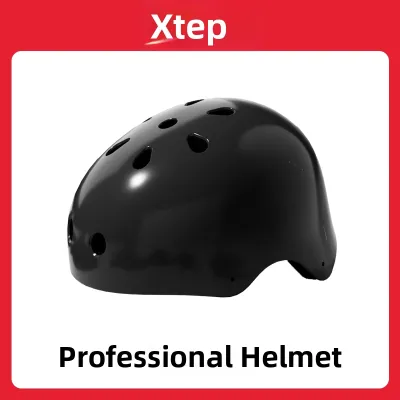
The helmet is the single most critical piece of safety equipment. A reliable skate helmet must feature a thick inner liner made of Expanded Polystyrene (EPS) foam, which is designed to deform and absorb impact energy during a fall. This liner must be bonded to a hard outer shell, usually made of ABS plastic.
When inspecting a bundled helmet, verify that it carries recognized safety certification labels. Look for standards such as CPSC (Consumer Product Safety Commission) in the United States, EN 1078 in Europe, or equivalent international impact-testing certifications. Avoid helmets that contain only soft, open-cell comfort foam without a rigid EPS core, as these are classified as novelty toys and will not protect your head during a high-velocity fall.
Pads and Guards
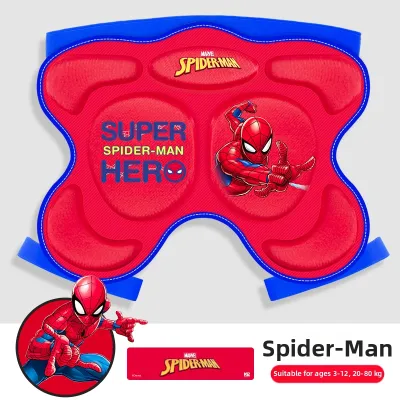
A standard protective set includes knee pads and elbow pads. High-quality pads feature a hard, curved plastic cap secured by heavy-duty rivets or stitching onto a durable nylon sleeve. Beneath the plastic cap, thick EVA (Ethylene-Vinyl Acetate) foam is required to cushion the joint and disperse impact forces.
Look for pads with wide, adjustable elastic straps and secure hook-and-loop (Velcro) closures. Sleeve-style pads, which require you to slide your limbs through an elasticated fabric tube before securing the straps, offer much better stability and are less likely to slip out of place during a slide than pads that rely solely on straps.
Comparison of Bundle Grades
To help you differentiate between low-quality toy sets and genuine sports-grade packages, consult the comparison table below before making a decision.
| Dimension | Basic / Toy-Grade Bundles | Sports-Grade Beginner Bundles |
|---|---|---|
| Boot Support | Soft, unreinforced plastic or thin fabric; minimal ankle support | Rigid hard-shell or reinforced high-top vinyl; firm ankle support |
| Frame Material | Thin, flexible plastic or low-grade stamped metal | Reinforced nylon composite or extruded aluminum alloy |
| Wheel Material | Hard PVC or low-grade plastic; slips easily on asphalt | Polyurethane (PU) with 78A–82A durometer for outdoor grip |
| Helmet Construction | Thin plastic shell with soft open-cell packing foam; uncertified | ABS outer shell with thick EPS foam liner; CPSC or EN 1078 certified |
| Pad Quality | Thin plastic caps with minimal foam; prone to shifting or cracking | Hard-shell caps with thick EVA foam padding; secure sleeve design |
Top Roller Skate Set Categories to Look For in the Philippines
When searching for these bundles through specialty sports retailers, official brand storefronts, or verified online marketplaces, you will generally encounter three distinct categories of roller skate sets. Understanding these categories allows you to match the bundle to the age, size, and skill level of the skater.
Adjustable Sets for Growing Kids
Adjustable roller skate sets are specifically engineered to accommodate the rapid growth of children’s feet. These skates feature a push-button mechanism that allows the toe cap of the boot to slide forward, typically expanding across three to four distinct shoe sizes. This design ensures that a single purchase can last for multiple years, providing excellent long-term value for parents.
When choosing an adjustable set, check the manufacturer’s specified weight limit, which is typically lower for children’s models (often capped around 50 to 60 kilograms). The included helmet should feature a micro-adjustable dial-fit system at the back of the head. This dial allows you to tighten or loosen the internal cage of the helmet, ensuring a snug, custom fit as the child grows.
Verify that the included knee and elbow pads utilize durable, high-density elastic straps that can be adjusted tightly enough for slender limbs. Children are highly susceptible to scrapes and joint impacts, so the pads must remain firmly centered over the knees and elbows without sliding down during movement.
Adult Recreational and Fitness Sets
Adult beginners require more robust equipment than children due to the higher physical forces and body weight involved in adult skating. Adult recreational bundles feature fixed-size, high-top boots designed to distribute weight evenly across the frame while providing maximum lateral support to protect the ankles from twisting.
The protective gear included in adult bundles must be heavy-duty. Look for knee and elbow pads with thick, contoured EVA foam and wide, non-slip straps that can withstand the impact of an adult fall. Because adult falls often involve sliding forward, the materials must be highly abrasion-resistant, using heavy-denier nylon fabrics.
For outdoor recreational skating in local neighborhoods, parks, or subdivision roads, look for bundles configured with 58mm to 62mm polyurethane wheels. This size provides an optimal balance of stability, roll speed, and maneuverability, helping adult beginners build confidence without feeling like the skates are rolling away from under them too quickly.
Premium Bundles with Certified Safety Gear
For skaters who are certain they want to commit to the sport, premium bundles offer a significant upgrade in component quality and safety performance. These packages are typically curated by specialized skate shops or official sports brands and pair high-quality, entry-level skates with premium, independently certified protective gear.
In a premium bundle, the skates will almost always feature high-grade extruded aluminum frames, precision ABEC-7 or ABEC-9 bearings, and high-rebound polyurethane wheels that offer exceptional grip and durability. The brake pads are typically made of real rubber rather than hard plastic, providing reliable, squeal-free stopping power on local roads.
The standout feature of these sets is the protective gear. The helmets carry strict safety certifications (such as ASTM F1492 for multi-impact skating), and the pads feature anatomically shaped caps, moisture-wicking fabrics, and heavy-duty shock absorption. While these premium sets require a higher initial investment, they dramatically reduce the risk of injury and provide a much smoother, more enjoyable learning curve.
Sizing, Fit, and Pre-Ride Safety Checks
Even the highest-quality roller skate with protective gear bundle will fail to protect you if the equipment does not fit correctly or is not maintained properly. Before heading out to your local park or driveway, take the time to ensure everything is properly adjusted.
Skate Sizing and Fit
To find your correct skate size, do not rely solely on your standard Philippine slipper or sneaker size, as skate sizing charts vary significantly between brands. Instead, measure your feet in centimeters. Place your heel against a wall, mark the longest point of your toes on a piece of paper, and measure the distance. Compare this measurement against the brand’s specific size chart.
The skate boot should fit snugly without pinching your toes or causing painful pressure points. Your heel must remain locked into the back of the boot; if your heel lifts when you bend your knees, the skates are too large. Buying oversized skates for children to “grow into” is highly dangerous for beginners. Excess space inside the boot leads to a lack of ankle control, severe blisters, and an increased risk of falls.
Helmet Placement and Fit
To verify that your helmet is positioned correctly, utilize the “two-finger rule.”
- Forehead Coverage: The helmet should sit level on your head, with the front edge resting approximately two finger-widths above your eyebrows to protect your forehead.
- Strap Configuration: The side straps should form a clean "V" shape directly beneath each ear lobe.
- Chin Strap Tightness: Fasten the chin strap so that no more than one to two fingers can fit snugly between the strap and your throat. When you open your mouth wide, you should feel the helmet pull down slightly on your head.
Pad Placement and Adjustment
Knee and elbow pads must be positioned so that the hard plastic cap sits directly over the center of the joint when your limbs are slightly bent. Tighten the straps firmly enough to prevent the pads from shifting when pulled, but avoid overtightening them to the point of restricting blood flow or pinching the skin behind your joints. If the pads slide down easily when you walk or bend your arms, they are too large or loose and will fail to protect you during a fall.
Pre-Ride Inspection Checklist
Before every single skating session, perform a quick mechanical inspection of your gear to prevent equipment failure:
- Wheel Spin: Spin each wheel with your hand. They should spin freely for several seconds. If a wheel stops instantly, loosen the axle nut slightly. If the wheel wobbles sideways on the axle, tighten the nut until the play is gone but the wheel still spins.
- Toe Stop Check: Ensure the front brake pad (toe stop) is screwed in tightly. A loose toe stop can fall off mid-ride, causing a sudden loss of braking capability and potential injury.
- Fastener Verification: Check that all boot buckles, laces, and Velcro straps on your protective gear are fully functional, clean of debris, and securely fastened.
- Always check the applied product's label and the treated item's manufacturer instructions for specific care and adjustment guidelines. If the instructions conflict, the item is unidentified, or the use is not covered, stop and consult the manufacturer or a qualified professional.
Frequently Asked Questions (FAQ)
Can I use indoor roller skates outdoors?
Yes, you can use indoor roller skates outdoors, but you must change the wheels first. Indoor skates typically come with hard wheels (85A to 101A) designed for smooth wooden or polished concrete surfaces. If you ride these outdoors on rough Philippine asphalt or concrete roads, the hard wheels will transmit intense, painful vibrations to your feet and slip easily on dust or debris. To transition safely, swap the indoor wheels for softer, wider outdoor polyurethane wheels (78A to 82A) that can absorb shock and grip uneven surfaces. Always ensure the replacement wheels are compatible with your skate’s axle size.
Do I need wrist guards if they are not included in the bundle?
Yes, wrist guards are highly recommended and should be purchased separately if your bundle only includes a helmet, knee pads, and elbow pads. When losing balance, the natural human instinct is to extend the hands forward to break the fall. This puts immense pressure on the wrists, making wrist fractures and severe scrapes the most common injuries among beginner roller skaters. A proper wrist guard features a rigid plastic splint along the palm and wrist to absorb the impact and allow you to slide forward safely on the pavement, preventing direct bone impact.
How do I maintain the wheels and bearings in a humid climate?
Maintaining your skates is critical in the Philippines due to high humidity, coastal salt air, and sudden tropical rain showers, all of which can rapidly rust steel bearings. Never skate through puddles or in the rain. After every session, wipe down the boot, frames, and outer wheels with a dry, clean cloth to remove dust and moisture. If the bearings get wet, remove them immediately, clean them with isopropyl alcohol, dry them completely, and apply a few drops of specialized skate lubricant or light machine oil. Additionally, store your skates and protective pads in a well-ventilated, dry area to prevent the growth of mold and mildew on the fabric liners.
Community discussion
Share your experience or ask a question. Comments are reviewed before publication.