
Choosing a camping tent black model for your outdoor adventures in the Philippines is a decision that balances striking aesthetics with unique environmental challenges. While dark-colored gear has surged in popularity for its sleek, modern look and superior light-blocking capabilities, the intense tropical sun and high humidity of the Philippine climate require campers to be highly selective. Understanding how a dark canopy behaves under direct sunlight and heavy monsoon rains is essential to ensuring your shelter remains comfortable, dry, and durable.
To make an informed purchase, you must evaluate how different designs manage heat buildup, resist torrential downpours, and withstand the wear and tear of rugged terrains—from the windy ridges of Mount Pulag to the humid beach coves of Zambales. This guide breaks down the practical realities of owning a black tent in the Philippines, outlines the critical technical specifications to look for, and provides a structured framework to help you choose the right model for your specific camping style.
The Pros and Cons of Black Camping Tents
Opting for a black tent offers distinct functional advantages, particularly when it comes to sleep quality. In the Philippines, the summer sun rises as early as 5:30 AM, quickly heating up standard tents and flooding them with bright light. A black tent, especially one featuring light-blocking inner coatings, keeps the sleeping cabin dark, allowing you to rest undisturbed after a night of stargazing or trail hiking. Additionally, dark fabrics are exceptionally forgiving when it comes to aesthetics; they easily conceal the inevitable mud, dirt, splattered trail grime, and volcanic ash that lighter-colored tents display immediately.
Products mentioned in this guide
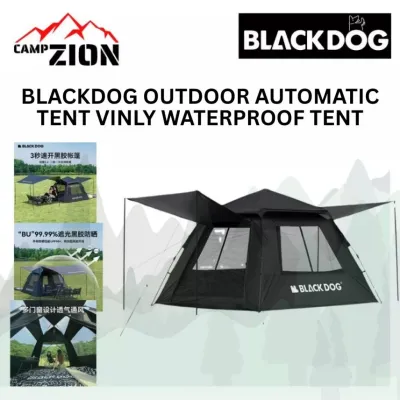
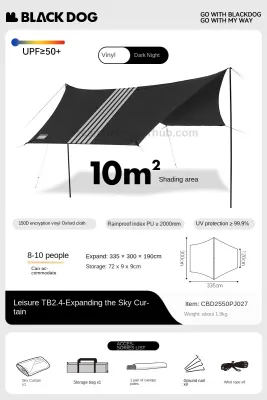
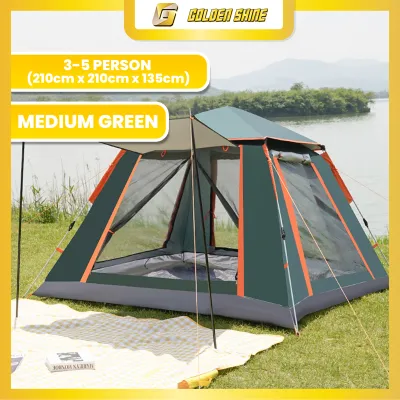
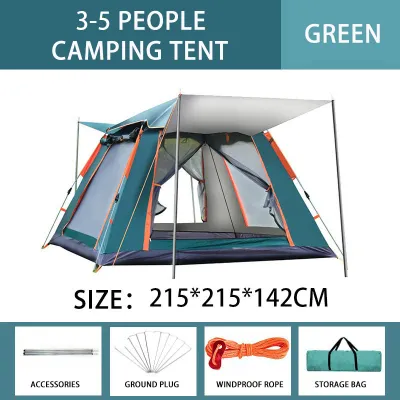
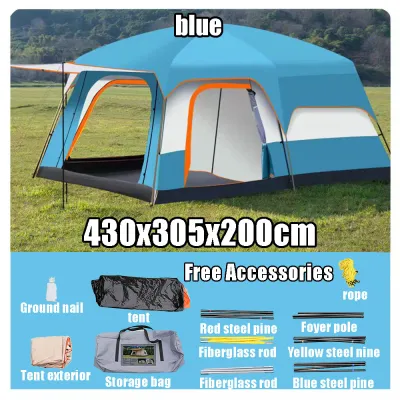
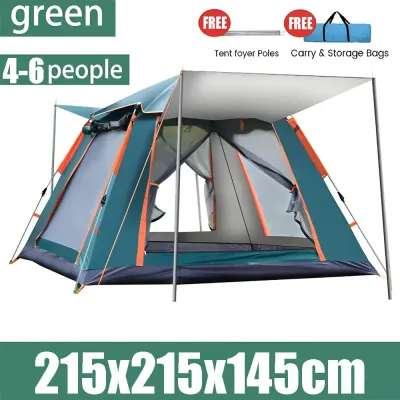
Prices are valid at publication and may change. Please refer to the product page for the latest price.
However, the primary drawback of a dark canopy is its high rate of heat absorption. Physics dictates that black surfaces absorb almost all wavelengths of visible light and convert them into thermal energy. In lowland camping areas where temperatures regularly exceed 30°C, an unshaded black tent with poor ventilation can rapidly become uncomfortably hot. This thermal transfer makes strategic planning essential when using dark gear in tropical climates.
To successfully mitigate this heat issue, you must commit to active campsite management. This means prioritizing tents designed with extensive mesh paneling, dual doors for cross-ventilation, and separate rainflies that can be rolled back. When pitching, you must actively seek natural shade under tree canopies and align your tent’s ventilation ports with prevailing local breezes, such as the cool Amihan (northeast monsoon) or the warm Habagat (southwest monsoon).
Key Features to Evaluate in a Black Tent
When shopping for a camping tent black option on online marketplaces or in specialty outdoor retail shops, you should look past marketing buzzwords and focus on verifiable technical specifications. Because black fabric naturally retains more heat, your first line of defense is robust heat and UV management. Examine the product specifications for a high Ultraviolet Protection Factor (UPF 50+) rating, which indicates the fabric blocks a significant portion of harmful UV radiation. Many premium dark tents feature an inner silver, titanium dioxide, or black gel coating applied to the underside of the rainfly to reflect solar radiation away from the tent body, keeping the interior noticeably cooler.

Weather resistance is your next critical checkpoint, given the unpredictable and intense tropical downpours common across the Philippine archipelago. Never assume a tent is waterproof just because it has a thick rainfly. Instead, verify the hydrostatic head rating, which is measured in millimeters (mm). For reliable protection against heavy tropical rains, look for a rainfly with a minimum rating of 2,000mm and a tent floor rated at 3,000mm or higher. Additionally, ensure the tent features factory-taped seams, heat-sealed polyurethane (PU) coatings, and robust, waterproof zippers with storm flaps to prevent water seepage during prolonged storms.
Material composition directly dictates how well your tent will survive the elements over several seasons. Polyester is generally preferred over standard nylon for tropical use because it possesses superior natural resistance to UV degradation and does not stretch or sag when saturated with moisture. Look for ripstop weaves, which feature a crosshatch pattern of reinforcement threads that prevent small snags from turning into catastrophic tears. For the supporting structure, prioritize high-strength aluminum poles (such as 7001 or 7075-T6 alloy) over cheap fiberglass. Aluminum poles bend rather than splinter under sudden wind loads, making them far safer and more durable during unexpected coastal gusts.
Finally, carefully match the tent’s physical footprint and capacity to your actual trail or basecamp needs. Manufacturers typically calculate tent capacity based on the maximum number of sleeping pads that can fit side-by-side without gear. For a comfortable experience, it is wise to adhere to the “plus-one” rule: select a three-person tent for two campers, or a four-person tent for three campers. Ensure the physical dimensions of the tent fit comfortably within the designated wooden platforms or cleared clearings typical of popular local campsites.
Recommended Black Tents by Camping Style
To help you find the right balance of weight, space, and durability, we have categorized some of the most reliable black tents available in the Philippine market by their primary camping application.
Lightweight Picks for Hiking and Backpacking
For trail hikers and mountain trekkers who carry all their gear on their backs, minimizing weight and packed size is paramount. In this category, the Naturehike Mongar 2 (Black Edition) is a highly regarded option. Constructed with lightweight 20D nylon ripstop fabric and supported by a durable 7001 aluminum alloy frame, this tent keeps your pack light without sacrificing structural integrity. It features a freestanding, dome-style design with dual doors and two spacious vestibules, providing ample room to store muddy hiking boots and backpacks out of the rain.
- Key Specifications: Capacity: 2 Persons; Packed Weight: approximately 2.2 kg; Rainfly Waterproof Rating: 4,000mm.
- Pros: Outstanding weight-to-space ratio; dual-door design allows for excellent cross-ventilation in humid mountain environments; highly wind-resistant dome structure.
- Cons: The lightweight 20D fabric is thin and requires the consistent use of a footprint (ground tarp) to prevent punctures from sharp rocks or roots.
- Where to Purchase: Available through official brand stores on major e-commerce platforms and authorized outdoor specialty retailers in Metro Manila.
Spacious Options for Family and Car Camping
When weight is not a constraint and comfort is your top priority, family and car camping tents offer generous headroom and sprawling floor plans. The Blackdog Pyramid Tent (by Naturehike) is a standout choice for those committed to a coordinated black gear aesthetic. This teepee-style shelter utilizes a single central aluminum pole, making setup incredibly straightforward. Its high center peak allows most campers to stand upright, while the massive front door can be propped open with awning poles to create a shaded outdoor living space.
- Key Specifications: Capacity: 3 to 4 Persons; Packed Weight: approximately 5.1 kg; Fabric: 150D Oxford cloth with silver coating.
- Pros: Exceptional vertical headroom; rapid single-pole pitching process; silver-coated inner lining provides effective heat reflection and UV protection.
- Cons: The large hexagonal footprint can make it difficult to pitch on small, restricted, or uneven campsite clearings; requires secure ground staking to maintain structural stability.
- Where to Purchase: Can be sourced from specialized local camping gear distributors and official online brand stores.
Heavy-Duty Shelters for Extended Stays
For multi-day basecamps, exposed coastal sites, or camping during the rainy season, you need a heavy-duty shelter that prioritizes weatherproofing and stability. The Decathlon Quechua MH100 Fresh & Black represents an engineered approach to dark camping. While the outer flysheet is designed in a light color to reflect maximum solar radiation, the interior sleeping cabin utilizes patented “Fresh & Black” fabric technology to deliver 99% darkness even during midday. This hybrid design solves the thermal absorption issues of solid black tents while retaining all the sleep-promoting benefits of a dark interior.
- Key Specifications: Capacity: 2 to 3 Persons; Packed Weight: approximately 3.0 kg to 4.1 kg (depending on size); Rainfly Waterproof Rating: 2,000mm (tested under rigorous shower conditions).
- Pros: Patented fabric keeps the interior significantly cooler than standard tents; near-total darkness inside the cabin; highly durable construction backed by a solid manufacturer warranty.
- Cons: Significantly heavier and bulkier than dedicated backpacking tents; utilizes fiberglass poles which are heavier and less resilient than aluminum alternatives.
- Where to Purchase: Available directly at Decathlon physical retail outlets across the Philippines or via their official local website.
How to Compare Camping Tent Black Options
Choosing between different black tents requires a clear understanding of how various designs perform under different environmental conditions. The table below provides a comparative overview of the primary tent categories to help you align your purchase with your typical camping environment.
| Tent Category | Ideal Capacity | Typical Weight Range | Best Weather Condition | Key Trade-off |
|---|---|---|---|---|
| Lightweight Backpacking | 1-2 Persons | 1.5 – 2.5 kg | Mild to Wet Mountain Trails | Delicate fabric requires careful handling and a footprint |
| Family Car Camping | 4-6 Persons | 5.0 – 10.0 kg | Fair Weather & Light Rain | Heavy and bulky to transport; limited wind resistance |
| Glamping / Teepee | 3-5 Persons | 4.0 – 8.0 kg | Dry, Windy, or Shaded Sites | Large footprint; requires secure staking on flat ground |
| Heavy-Duty Tunnel | 4-8 Persons | 10.0 – 20.0 kg | Heavy Rain & Strong Winds | Complex setup process; high price point |
As you compare options, keep in mind that price points generally correlate directly with material quality and long-term durability. Budget-friendly tents (often priced under ₱3,000) typically use standard polyester fabrics and fiberglass poles. While these are perfectly suitable for occasional fair-weather backyard camping or established commercial campsites, they may fail under the stress of a sudden tropical storm. Mid-range to premium tents (ranging from ₱5,000 to over ₱15,000) utilize advanced ripstop nylon or high-denier Oxford fabrics, anodized aluminum poles, and specialized heat-reflective coatings that offer superior longevity.
Before finalizing your purchase, always verify the warranty terms and the availability of after-sales support. Purchasing from authorized local distributors or official brand stores ensures you can easily source replacement pole segments, rainflies, or patch kits if your tent sustains damage on the trail. This local support is invaluable for extending the lifespan of your investment.
Caring for Your Black Tent in Tropical Climates
Proper maintenance is essential to prevent the high humidity and intense UV radiation of the Philippines from degrading your black tent prematurely. By establishing a consistent care routine, you can preserve the waterproof coatings and fabric strength of your shelter for years to come.
Pitching Strategy
Always use a dedicated ground tarp or footprint beneath your tent floor. This simple layer protects the waterproof polyurethane coating from being abraded by sharp volcanic rocks, gravel, and rough roots. Whenever possible, pitch your tent in natural shade to shield the dark fabric from the worst of the midday sun. Additionally, position the tent so that its main doors and ventilation ports run parallel to the prevailing wind direction, allowing maximum airflow to sweep through the cabin and carry away body heat and condensation.
Cleaning and Drying
After returning from a trip—especially one near salty coastal air or muddy forest trails—you must clean your tent. Set it up in a shaded area at home and gently wipe down the fabric using a soft sponge, cool water, and a mild, non-detergent soap. Never use harsh household detergents, bleach, or washing machines, as these will permanently strip away the water-repellent coatings and damage the delicate seam tape.
Once clean, the most critical step is to let the tent air-dry completely in a well-ventilated, shaded spot before packing it away. Storing a damp tent in the humid Philippine climate will trigger hydrolysis, a chemical process that breaks down polyurethane coatings, leaving them sticky, peeling, and emitting a sour, mildewed odor. Never pack a wet tent into its compression sack for long-term storage.
UV Protection
Because dark fabrics absorb more solar radiation, they are more susceptible to UV degradation over time. Extended exposure to direct sunlight breaks down synthetic fibers, making them brittle and prone to tearing. Avoid leaving your black tent pitched unoccupied in your backyard or at a campsite for weeks at a time. Treat your tent as a temporary shelter, and pack it down when not actively in use to preserve its structural integrity.
Frequently Asked Questions (FAQ)
Do black tents get significantly hotter than lighter colors?
Yes, black tents will absorb more solar heat than lighter-colored tents when placed in direct, unshaded sunlight. However, this temperature difference can be effectively managed. Tents designed with advanced cross-ventilation, large mesh walls, and reflective inner coatings (such as silver or titanium dioxide linings) reflect a substantial portion of solar radiation. When pitched in the shade with all vents open, the temperature difference inside a well-designed black tent compared to a lighter one is virtually unnoticeable.
Will a black tent fade over time?
Yes, prolonged exposure to the intense UV rays of the Philippine sun will eventually cause dark fabrics to fade. While fading is primarily an aesthetic concern, it also serves as an indicator of gradual UV wear on the synthetic fibers. To minimize fading and prolong the life of your tent, look for models that specify UV-resistant fabric treatments (such as UPF 50+) and always make an effort to pitch your tent under natural shade.
Are black tents harder to spot in an emergency?
In dense forests, deep mountain valleys, or low-light conditions, a black tent can blend seamlessly into the environment, making it difficult for rescue teams or fellow campers to locate. If you plan to camp in remote, high-risk wilderness areas, you can easily mitigate this safety concern by attaching highly reflective guy lines, using glow-in-the-dark zipper pulls, or keeping a brightly colored, high-visibility tarp in your pack to drape over your tent fly should emergency signaling become necessary.
Community discussion
Share your experience or ask a question. Comments are reviewed before publication.