
The ideal massage roller for body recovery in the Philippines depends entirely on your specific physical needs, pain tolerance, and lifestyle. For broad muscle groups like the thighs and back, a floor-based foam roller utilizing your own body weight is highly effective. If you require targeted control over pressure or need a portable option for the office or travel, a handheld massage stick is the superior choice. Selecting the right tool involves balancing material density, surface texture, and portability to match your recovery goals.
Active lifestyles in the Philippines—ranging from running along the UP Diliman academic oval to weekend hiking in Rizal, or simply enduring long, sedentary commutes in Manila traffic—demand efficient muscle recovery. Muscle tightness and fatigue can accumulate quickly in tropical heat, making regular self-care essential. Understanding how different rollers function allows you to make an informed decision that prevents injury and enhances daily comfort.
Evaluating your personal mobility and the specific muscle groups you need to target is the first step. By matching the physical design of a roller to your body’s unique requirements, you can establish an effective, safe, and highly personalized recovery routine.
Products mentioned in this guide
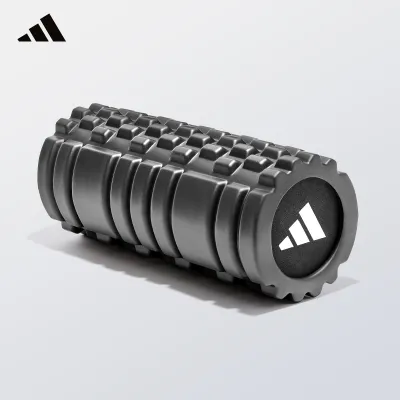
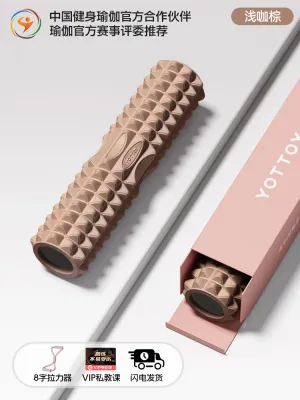
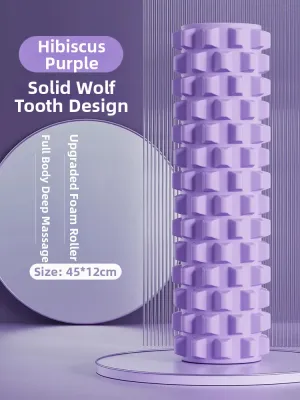
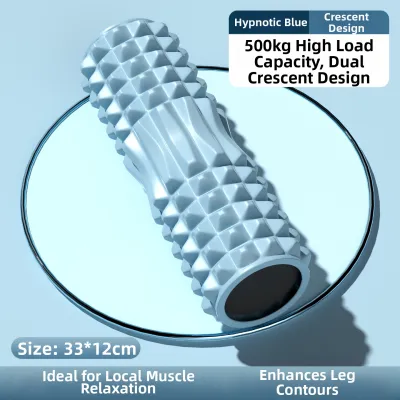
Prices are valid at publication and may change. Please refer to the product page for the latest price.
Types of Massage Roller for Body Care to Consider
Self-myofascial release (SMR) is a self-massage technique that applies localized pressure to muscle tissue and the surrounding connective tissue, known as fascia. When muscles undergo physical stress from workouts or poor posture, they can develop tight areas or “knots” that limit range of motion. A massage roller for body use acts as a manual compression tool, signaling the nervous system to relax the surrounding muscle fibers and improve localized blood flow.
When choosing a roller, the primary mechanical distinction lies between passive rolling and active rolling. Passive rolling requires you to place the roller on the floor and use your own body weight to roll over the tool. This method is highly effective for deep tissue compression but requires sufficient floor space, core stability, and the physical ability to support your body weight. Active rolling, on the other hand, utilizes handheld tools that you pull or push across your muscles using your arm strength, offering a completely different level of control.
The best tool for your routine is not necessarily the firmest or the most expensive, but the one that aligns with your specific physical tolerance. If a roller is too painful, your muscles will instinctively contract to protect themselves, defeating the purpose of the massage. Balancing the application method with your comfort level is key to achieving deep, therapeutic release.
Standard Foam Rollers and Textured Variants
Smooth foam rollers are the traditional entry point for self-myofascial release, offering a uniform surface that distributes your body weight evenly. These rollers provide broad compression across a wide surface area, making them highly accessible for beginners or those recovering from intense muscle soreness. They are particularly well-suited for sensitive areas where aggressive textures might cause bruising or excessive discomfort.
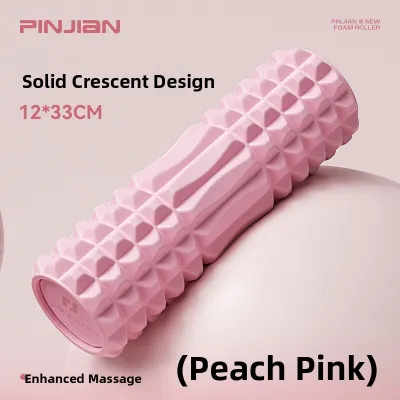
Textured or grid-surface rollers feature raised ridges, bumps, or distinct patterns engineered to mimic the hands of a massage therapist. The varying shapes are designed to simulate different massage techniques: flat zones mimic the palm, while firmer, narrow ridges mimic fingers and thumbs. This targeted design allows you to channel pressure directly into stubborn trigger points, providing a more intense, deep-tissue experience.
Sizing is another critical factor when evaluating standard and textured rollers. Full-sized rollers, typically measuring 36 inches in length, offer maximum stability and are long enough to support your entire spine during chest-opening exercises. Shorter variants, ranging from 12 to 18 inches, are highly maneuverable and focus pressure onto single limbs, though they require more precise body positioning during use.
Handheld Massage Sticks and Wands
Handheld massage sticks consist of a central shaft threaded with independent, rotating spindles or gears, flanked by ergonomic handles on both ends. This design allows you to manually control the exact angle and depth of pressure applied to your muscles without needing to lie on the floor. By using your arm strength, you can easily adjust the intensity of the massage from a light, warming stroke to a deep, targeted press.
These tools are exceptionally effective for treating the lower extremities, such as the calves, shins, and quadriceps. Floor-based rolling on these smaller muscle groups can often feel awkward, requiring complex body positioning that can strain the shoulders or lower back. A handheld wand eliminates this physical barrier, allowing you to sit comfortably in a chair while rolling out tight calf muscles after a long run or a day on your feet.
Portability is a major advantage of handheld massage sticks. Their slim, lightweight profile fits easily into a gym bag, office drawer, or travel luggage, making them highly accessible for quick recovery sessions throughout the day. For individuals with limited mobility or balance concerns, these sticks offer a safe, effective alternative to traditional floor rollers.
How to Choose the Right Roller for Your Body
To make an informed purchase, you must look past marketing claims and evaluate the technical specifications of each roller. Understanding these structural attributes ensures you select a tool that is both safe and durable.

Material Density
The density of a foam roller determines how much it will compress under your body weight. Foam rollers are primarily constructed from two materials: Ethylene-Vinyl Acetate (EVA) and Expanded Polypropylene (EPP).
- EVA Foam: This material is slightly soft, highly resilient, and offers a cushioned feel. It is ideal for beginners, older adults, or anyone seeking a gentler massage experience. EVA foam holds its shape well but will compress slightly under heavy loads.
- EPP Foam: This is a high-density, bead-like foam that is incredibly firm and lightweight. EPP rollers offer virtually no sink or cushion, providing intense, deep-tissue pressure. They are highly durable and resistant to warping, making them perfect for experienced users.
Always check the manufacturer’s product label to verify the specific material used. Lower-quality rollers made from standard Polyethylene (PE) foam are often inexpensive but tend to soften, warp, or crack within a few months of regular use.
Size and Length
Selecting the correct roller length depends on the specific muscle groups you intend to target and where you plan to use the tool.
- Full-Length (approx. 36 inches / 90 cm): This is the standard size for home use. It is long enough to span the entire length of your back, making it excellent for spinal alignment, shoulder mobilization, and rolling out large muscle groups like the quadriceps and hamstrings.
- Mid-Size (approx. 18 inches / 45 cm): A highly versatile option that balances coverage with storage convenience. It is wide enough to roll out a single leg or arm comfortably and is much easier to store in small living spaces.
- Compact/Travel-Size (approx. 12 inches / 30 cm or less): Designed specifically for maximum portability. While highly convenient for travel, these shorter rollers require more precise body control and are not suitable for full-back rolling.
Firmness Progression
Your muscles and connective tissues require time to adapt to the pressure of self-myofascial release. If you are new to rolling, starting with an ultra-firm, highly textured roller can cause your muscles to contract defensively, which can lead to bruising or localized inflammation.
Begin your recovery journey with a soft-to-medium density smooth EVA roller. This allows your nervous system to become accustomed to the sensation of compression. As your tissue tolerance improves over weeks of consistent practice, you can safely transition to high-density EPP foam or textured grid rollers to target deeper muscle layers.
Weight Capacity
Because floor-based foam rolling requires you to support a significant portion of your body weight on the roller, structural integrity is a critical safety consideration. Solid foam rollers can bow or warp over time if subjected to heavy loads, whereas hollow-core rollers feature a rigid plastic inner tube wrapped in foam, offering superior structural strength.
Always verify the manufacturer’s stated weight limit before purchasing, particularly if you are considering hollow-core or vibrating rollers. Ensuring the roller can safely support your weight prevents structural failure and potential injury during use.
Matching Roller Types to Specific Recovery Goals
Aligning your roller purchase with your lifestyle and fitness routines ensures that you get the most practical value out of your tool. Different physical demands require distinct recovery strategies.
Post-Workout Leg Recovery
High-impact physical activities—such as running, cycling, football, or basketball—place immense strain on the large muscle groups of the lower body. After a strenuous workout, muscles like the quadriceps, hamstrings, glutes, and the iliotibial (IT) band can benefit from broad, consistent compression to stimulate blood flow and reduce stiffness.
A long, firm foam roller is the ideal tool for this scenario. Using a high-density EPP or a moderately textured EVA roller allows you to use your body weight to apply deep, sweeping pressure across these large muscle groups. This helps flush out metabolic waste and supports the recovery process after intense training sessions.
Desk-Worker Upper Body Relief
Sitting at a desk for prolonged periods in front of a computer can lead to a rounded posture, resulting in severe tightness in the upper back, shoulders, and neck. This chronic tension often leads to discomfort and restricted shoulder mobility.
A mid-sized, textured foam roller is highly effective for addressing upper back stiffness. By placing the roller horizontally beneath your upper back (thoracic spine) and gently rolling from the mid-back to the shoulders, you can help open up the chest and restore spinal mobility. Avoid rolling the lower back (lumbar spine), as it lacks the structural protection of the rib cage.
Targeted Joint and Extremity Care
Smaller muscle groups and areas near joints—such as the calves, Achilles tendon region, forearms, and the arches of the feet—are difficult to target effectively with a large, bulky foam roller. These areas require precise, localized pressure to relieve tension without placing undue stress on neighboring joints.
For these delicate areas, a handheld massage stick or a specialized mini-roller is highly recommended. These tools allow you to isolate small muscle fibers and apply controlled pressure without straining other parts of your body. For the soles of the feet, rolling a small massage ball or a dedicated foot roller under your arch while seated provides excellent relief from plantar tightness.
Travel and On-the-Go Maintenance
Maintaining a recovery routine while traveling or commuting can be challenging due to space constraints. Carrying a full-sized foam roller in your luggage is highly impractical, yet physical inactivity during long flights or road trips can cause muscles to stiffen.
A compact, hollow-core foam roller or a slim handheld massage stick is the perfect solution for travel. Hollow-core rollers are particularly useful because you can pack socks or t-shirts inside the hollow center to save space in your suitcase. These lightweight, portable options ensure you can relieve muscle tension wherever your travels take you.
Purchasing Tips and Safety Boundaries
Navigating the local market in the Philippines requires a discerning eye to ensure you purchase a high-quality, durable product that is safe to use.
Navigating Local Markets
When browsing local ecommerce platforms or visiting physical sports retail stores in the Philippines, look beyond product photos, which can often be misleading regarding actual material quality. Pay close attention to user reviews that specifically discuss “firmness,” “durability,” and “deformation over time.”
Many inexpensive, unbranded rollers are made from low-density PE foam that degrades quickly, losing its shape and firmness within a few weeks of use. Investing slightly more in a reputable sports brand that uses high-density EVA or EPP foam ensures your roller remains effective for years.
Verifying Specifications
Before completing your purchase online, verify that the product listing provides clear, detailed specifications. Look for explicit mentions of the materials used, exact dimensions (length and diameter), and the maximum weight capacity.
Additionally, check the seller’s return policy and warranty terms. This is particularly important for hollow-core rollers or premium models, as it protects you against potential manufacturing defects such as cracked inner cores or peeling foam layers.
Safe Usage Boundaries
While self-myofascial release is generally safe, it must be practiced with caution to prevent tissue damage or joint strain. Always check your body’s response and refer to any manufacturer-provided instructions before starting a new routine.
- Avoid Bones and Joints: Never roll directly over bones, joints (such as the knees, elbows, or hips), or the lower spine. Focus pressure exclusively on the fleshy muscle bellies.
- Avoid Acute Injuries: Do not roll over fresh bruises, open wounds, sprains, fractures, or areas of active inflammation. Rolling over damaged tissue can delay the healing process.
- Monitor Pain Levels: Self-massage should produce a "good hurt"—a deep, dull ache or mild discomfort that gradually releases. If you experience sharp, shooting, burning, or nerve-like pain, stop immediately.
When to Seek Professional Help
Self-myofascial release is a maintenance tool designed to alleviate minor muscle tension and support daily recovery; it is not a medical treatment. If you experience chronic, persistent pain, localized swelling, or joint instability, do not attempt to self-treat with a massage roller.
Consult a licensed physical therapist or medical professional in the Philippines to receive a proper diagnosis. A professional can identify the underlying biomechanical issues causing your discomfort and design a safe, targeted rehabilitation plan.
Frequently Asked Questions (FAQ)
Can I use a body massage roller every day?
Yes, you can use a massage roller daily, provided you keep the intensity light to moderate. Daily, gentle rolling acts as an excellent form of active recovery, helping to promote blood flow, improve flexibility, and ease minor daily muscle tension.
However, you should avoid aggressive, deep-tissue rolling on the same sore muscle group on consecutive days. Just like weight training, your muscles and fascial tissues require time to recover, adapt, and heal after intense compression. Limit deep-tissue sessions on specific areas to every other day to prevent bruising and tissue irritation.
Are vibrating massage rollers better than standard foam rollers?
Vibrating massage rollers are not inherently more effective at physically breaking up muscle knots than standard rollers, but they do offer a distinct sensory benefit. The rapid vibrations help to desensitize local pain receptors, making deep pressure more tolerable for highly sensitive or exceptionally tight muscles.
However, vibrating rollers are significantly more expensive, heavier, and require regular battery charging. A standard, high-density foam roller paired with proper bodyweight mechanics remains highly effective for the vast majority of fitness and recovery needs.
How do I clean and store my roller in a humid climate?
The high humidity and tropical climate in the Philippines create an environment where sweat, bacteria, and mold can quickly accumulate on fitness equipment. To maintain hygiene and prolong the lifespan of your roller, wipe it down after every use with a damp cloth dipped in a mild soap solution or a specialized gym wipe.
Never soak a foam roller in water or use harsh chemicals like bleach or pure alcohol, as these can degrade and dry out EVA or EPP foam, causing it to crumble. Always store your roller in a cool, dry, and well-ventilated indoor area away from direct sunlight, which can cause the material to fade, warp, and become brittle.
Community discussion
Share your experience or ask a question. Comments are reviewed before publication.