
Finding the best boxing ball for home training in the Philippines requires balancing your personal fitness goals with the practical realities of your living space. Whether you reside in a high-rise condominium in Metro Manila, a shared townhouse, or a spacious provincial home, your choice of equipment must account for factors like noise transmission, structural mounting limits, and the country’s high tropical humidity. The term “boxing ball” covers several distinct training tools, including head-mounted reflex balls, traditional speed bags, double-end bags, and floor-to-ceiling maze balls. Each type serves a unique athletic purpose, ranging from basic hand-eye coordination to advanced footwork and defensive slipping.
To make a successful purchase from local sports retailers or online marketplaces, you must first evaluate your home’s physical constraints and your current skill level. A heavy, wall-mounted speed bag platform might offer an excellent rhythm workout, but the constant vibration could easily disturb neighbors in a closely packed apartment building. Conversely, a portable head-mounted reflex ball requires zero installation and can be used anywhere, but it will not help you develop punching power. By understanding the mechanical differences and installation demands of each setup, you can select a durable tool that keeps your home workouts safe, effective, and consistent.
Quick Guide: Matching the Right Boxing Ball to Your Home Space
A boxing ball is a versatile training tool designed to improve a fighter’s timing, accuracy, hand speed, and defensive reflexes. Unlike a heavy bag, which is built to absorb maximum impact and build raw punching power, a boxing ball relies on movement, rebound speed, and rhythm. Because these tools bounce, swing, or vibrate rapidly during use, matching the equipment to your specific home environment is crucial for a successful training routine.
Products mentioned in this guide
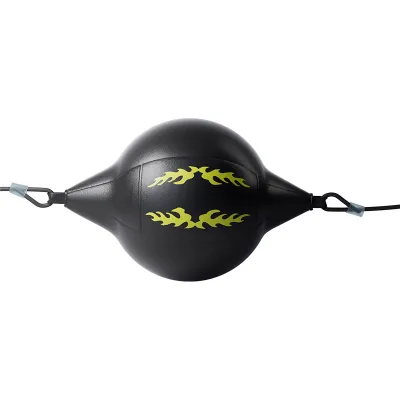
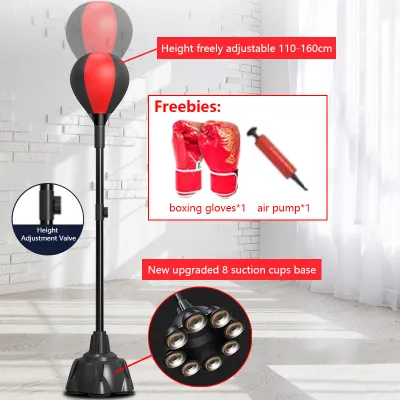
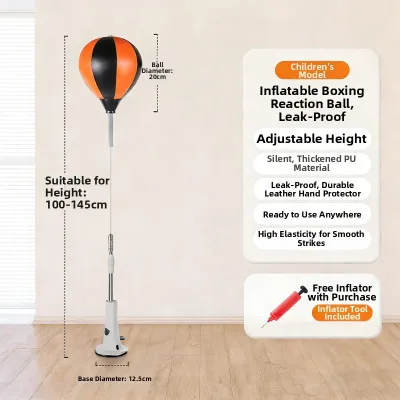
Prices are valid at publication and may change. Please refer to the product page for the latest price.
Your available floor space, ceiling height, and wall composition will largely dictate which setup is feasible for your home. If you live in a rental property or a condominium with strict rules against drilling into walls, non-invasive options like head-mounted reflex balls or tension-based double-end bags are highly practical. These setups require minimal to no permanent hardware, allowing you to train without risking your security deposit or structural integrity.
For homeowners with dedicated garage spaces, outdoor patios, or sturdy concrete walls, more permanent installations become viable. Wall-mounted speed bag platforms and anchored floor-to-ceiling balls provide a highly stable and authentic training experience, but they demand solid structural backing and proper installation hardware. Local e-commerce platforms offer a wide variety of these setups, making it essential to measure your space and verify your wall materials before finalizing your order.
Understand Your Training Goals Before Buying
Before investing in any home boxing equipment, you must define what specific skills you want to develop. Different boxing ball designs target distinct aspects of martial arts conditioning, meaning a tool that is perfect for rhythm might be completely useless for practicing footwork. Aligning your athletic goals with the correct product design ensures you get the most value out of your home workouts.

Reflex and Reaction Training (Head-Mounted Balls)
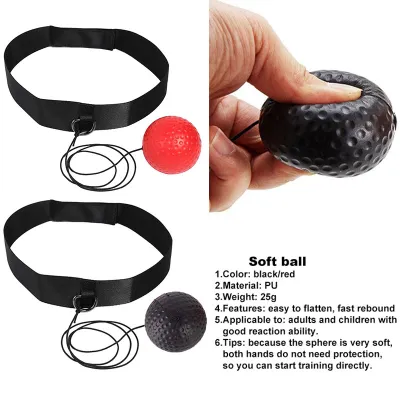
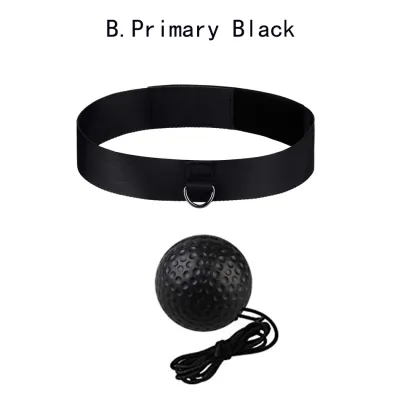
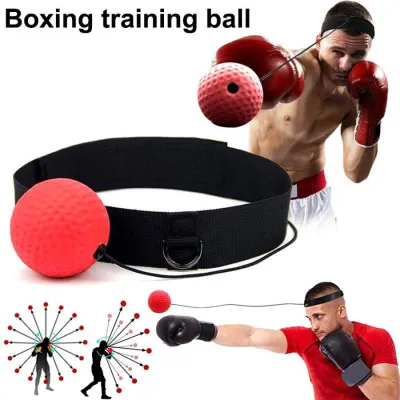
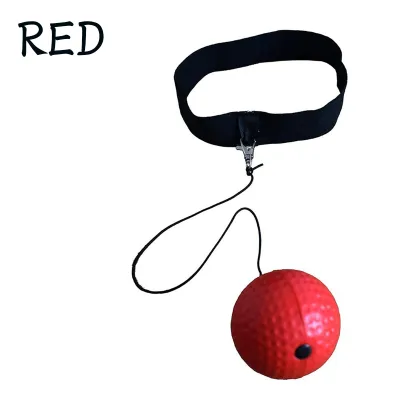
Head-mounted reflex balls consist of a lightweight, elasticized ball attached to an adjustable headband by a flexible stretch cord. This simple design requires no physical floor space or wall mounting, making it one of the most portable training tools available. When you strike the ball, it rebounds directly back toward your face, forcing you to react quickly by punching, slipping, or ducking to avoid being hit.
This training tool is exceptionally effective for building hand-eye coordination, spatial awareness, and rapid counter-punching reflexes. Because the ball returns at varying angles depending on the force and direction of your strike, it teaches you to keep your eyes focused on a fast-moving target. It is an ideal entry-level option for beginners and a highly convenient warm-up tool for experienced martial artists who want to train on the go.
Speed, Rhythm, and Timing (Speed Bags and Double-End Bags)
Traditional speed bags and double-end bags are the standard choices for developing upper-body endurance and punching rhythm. A speed bag is a small, air-filled teardrop bladder suspended from a circular overhead platform via a specialized swivel. Striking the bag causes it to bounce rapidly off the wooden platform, creating a fast, rhythmic rebound that demands continuous, high-repetition punching.
This continuous movement is excellent for building shoulder endurance, hand speed, and a consistent punching cadence. Double-end bags, on the other hand, are suspended vertically between the floor and the ceiling by elastic bungee cords. When struck, the double-end bag rebounds back and forth in a straight line or a tight arc, mimicking the rapid head movement of an opponent and teaching you to time your punches precisely. Both setups require dedicated space and secure mounting hardware to function correctly.
Accuracy and Footwork (Floor-to-Ceiling Balls)
Floor-to-ceiling balls, often referred to as maze balls or advanced double-end bags, are designed to take your defensive movement and footwork to the next level. While standard double-end bags move in a relatively predictable back-and-forth path, floor-to-ceiling setups utilize longer, highly elastic cords that allow the ball to swing in wider, more unpredictable patterns. This erratic movement simulates a dynamic opponent who constantly changes angles and distances.
Training with a floor-to-ceiling ball requires you to constantly adjust your stance, pivot, and use active footwork to stay in a proper striking position. You cannot simply stand in one place and punch; you must actively slip, roll, and step to the side as the ball swings past your head. This makes it an invaluable tool for intermediate and advanced strikers who want to integrate realistic defensive movement into their offensive combinations.
Key Features to Evaluate for Quality and Durability
When shopping for boxing equipment online or in local sports stores, identifying high-quality components is essential for ensuring long-term durability and safety. High-velocity training gear is subjected to constant impact and high tension, meaning low-quality materials will quickly wear out, break, or lose their elasticity.
Material and Build Quality
The tropical climate of the Philippines, characterized by high temperatures and intense humidity, can severely affect the lifespan of your boxing gear. Synthetic polyurethane (PU) leather is highly popular for home gym equipment because it is moisture-resistant, easy to clean, and does not absorb sweat. High-grade PU leather can withstand daily training sessions without cracking, provided you wipe it down after each use to remove salt and moisture.
Genuine leather offers superior tactile feedback, a classic feel, and exceptional natural durability, but it requires more maintenance in humid environments. If left in an unventilated garage or damp area, genuine leather can accumulate mold or dry out and crack over time. Inside the ball, look for heavy-duty butyl rubber bladders rather than cheap latex bladders, as butyl retains air pressure much longer, reducing the need for constant reinflation.
Mounting Hardware and Space
The performance of any suspended boxing ball depends heavily on the quality of its mounting hardware. For speed bags, the swivel is the most critical component; look for steel ball-bearing swivels rather than cheap plastic models. Steel swivels provide a much smoother, faster, and more consistent rotation, allowing the bag to rebound predictably without catching or stalling.
For double-end and floor-to-ceiling bags, pay close attention to the included bungee cords, carabiners, and mounting brackets. The cords should be made of high-density elastic rubber encased in a durable braided nylon sleeve to prevent fraying and sudden snapping. Before purchasing, measure your home’s ceiling height and compare it to the maximum stretch length of the included cords to ensure a proper fit.
Adjustability
An adjustable setup is highly beneficial for home gyms where multiple family members of different heights might use the same equipment. Look for double-end bags and floor-to-ceiling balls that feature adjustable tension buckles, cam locks, or knot-retention systems on the elastic cords. This adjustability allows you to easily raise or lower the ball to align with the user’s chest or eye level.
Adjusting the tension of the cords also changes the rebound speed and difficulty of the workout. Tighter cords create a faster, snappier rebound that challenges advanced strikers, while looser cords slow down the ball’s movement, making it easier for beginners to find their rhythm and build confidence.
Noise and Vibration Control
Noise management is a primary concern for home training, particularly if you reside in a condominium, apartment, or shared family home. The rapid, high-frequency impact of a speed bag against a wooden platform can create significant structural noise that travels easily through concrete walls and floors. This vibration can quickly lead to noise complaints from neighbors or family members.
To mitigate noise, look for speed bag platforms that incorporate thick, heavy wooden boards, which naturally absorb more vibration than thin, lightweight alternatives. Adding high-density rubber washers or foam dampeners between the mounting brackets and the wall can also significantly reduce sound transmission. For double-end bags, choosing setups with thick rubber bungees rather than metal springs will keep your workouts quiet and non-disruptive.
Recommended Boxing Ball Setups by Space and Skill Level
To help you choose the right configuration for your specific living situation, we have categorized the most common home boxing ball setups by space requirements, installation difficulty, and user skill level.
Best for Small Spaces and Beginners: Head-Mounted Reflex Balls
If you are new to boxing or have extremely limited space, a head-mounted reflex ball is the most practical and cost-effective entry point. This setup requires absolutely no drilling, wall mounting, or dedicated floor space, allowing you to train in a small bedroom, a living room, or even on a balcony. The entire kit is highly portable and can easily fit into a backpack or drawer when not in use.
Because the ball is lightweight and soft, the risk of injury or property damage is exceptionally low. However, this setup is strictly designed for coordination, hand speed, and defensive reaction training; you cannot practice heavy, powerful combinations on a head-mounted ball. To get the best experience, you will need to manually adjust the length of the elastic cord so that the ball rebounds comfortably to your reach, which may require some trial and error.
Best for Condos and Apartments: Wall-Mounted Speed Bag Platforms
For those living in modern condominiums or apartments who want a traditional speed and rhythm workout, a compact, wall-mounted speed bag platform is an excellent choice. These setups provide a highly stable rebounding surface that allows you to develop shoulder endurance and rapid-fire punching patterns. To make this work in a shared building, you must focus on noise-reduction features.
Before purchasing a wall-mounted platform, you must verify your building’s rules regarding drilling and check the structural integrity of your walls. Mounting a vibrating platform to a hollow drywall or lightweight partition wall will result in excessive noise and potential structural damage. If you have a solid concrete wall, using heavy-duty expansion bolts and adding rubber dampeners behind the frame will help keep the noise at a level that respects your neighbors’ peace.
Best for Intermediate Strikers: Double-End Bag Anchors
If you have basic punching mechanics down and want to transition into realistic sparring preparation, a double-end bag setup is highly recommended. By suspending the ball between a ceiling hook and a floor anchor, you create a target that moves dynamically in response to your strikes. This setup is perfect for practicing timing, accuracy, and defensive slips.
To avoid drilling into your floor, you can use a heavy, portable floor anchor bag filled with water or sand, which typically weighs between 10 and 15 kilograms. This allows you to set up the double-end bag anywhere with a secure ceiling beam or hook, and easily store the floor anchor when you need to clear the room. Look for setups with adjustable bungee cords so you can gradually increase the rebound speed as your accuracy improves.
Best for Dynamic Movement: Floor-to-Ceiling Maze Balls
For advanced martial artists who want to focus on high-speed footwork, pivoting, and head movement, a floor-to-ceiling maze ball offers the ultimate home training challenge. Because these setups use highly elastic, long cords, the ball swings in wide, sweeping arcs that force you to move your entire body to avoid the rebound. It provides a highly realistic simulation of a moving opponent’s head.
This setup requires a dedicated training area with at least a two-meter clearance radius to ensure you can move freely without colliding with furniture or walls. It also demands secure, permanent mounting points on both the ceiling and the floor to handle the high lateral forces generated by powerful, angled strikes. If you have a garage or a spacious home gym with a concrete floor and solid ceiling joists, this setup provides an unmatched dynamic workout.
Safe Installation and Maintenance for Home Gyms
Proper installation and routine maintenance are critical for ensuring your safety and protecting your home from damage. High-tension elastic cords and vibrating mounts can fail under repeated stress, making regular inspections a mandatory part of your training routine.
Structural Assessment
Before installing any mounted boxing equipment, you must conduct a thorough assessment of your home’s walls and ceiling. In the Philippines, residential interior walls are frequently constructed from concrete hollow blocks (CHB) or lightweight drywall. Standard plastic wall plugs and basic wood screws are completely inadequate for securing vibrating speed bag platforms or high-tension ceiling hooks; they will quickly loosen and pull out under stress.
For concrete walls, always use heavy-duty steel expansion anchors (often called dynabolts) and a hammer drill to create secure mounting points. Never attempt to mount heavy hooks or platforms directly into gypsum board, plasterboard, or decorative drop ceilings, as these materials cannot bear structural loads and will collapse. If you are unsure of your wall’s composition or structural integrity, consult a professional local contractor or your building’s maintenance administration before drilling.
Proper Tension and Height
Setting your equipment to the correct height and tension is essential for both effective training and personal safety. For speed bags, the widest part (the belly) of the bag should be positioned directly level with your mouth or chin. For double-end bags and floor-to-ceiling balls, the target should sit at chest or shoulder height, mimicking the target zone of an opponent’s head and torso.
When adjusting the tension of elastic bungee cords, aim for a balance that keeps the ball stable without over-stretching the rubber. Cords that are pulled too tight are subject to extreme structural stress and are far more likely to snap during a heavy workout. A snapped bungee cord under high tension can whip backward with dangerous force, potentially causing severe facial, eye, or hand injuries.
Safety Gear and Routine Maintenance
Even when training in the comfort of your home, personal protective gear is highly recommended to prevent joint and skin injuries. Always wrap your hands with semi-elastic hand wraps to support your wrists and protect the delicate bones in your hands. For speed bags and double-end bags, wear lightweight bag gloves or MMA-style grappling gloves to prevent friction burns, blisters, and knuckle bruising during high-repetition sessions.
Establish a weekly maintenance checklist to ensure your equipment remains in safe working condition:
- Inspect all elastic bungee cords for signs of fraying, cracking, or loss of elasticity.
- Check metal carabiners, swivels, and mounting brackets for loose screws or structural wear.
- Examine the stitching and seams of the boxing ball for micro-tears or air leaks.
- Apply a light lubricant to metal swivels periodically to ensure smooth, quiet rotation.
- Wipe down the synthetic or leather cover with a damp cloth after every workout to remove sweat and prevent material rot.
Frequently Asked Questions (FAQ)
Can I use a boxing ball outdoors?
You can use a boxing ball outdoors, but you must take steps to protect the materials from environmental damage. The intense tropical sunlight, high humidity, and sudden heavy rains in the Philippines will rapidly degrade leather covers, rust metal swivels, and dry out elastic bungee cords, causing them to lose their elasticity and snap. If you choose to train on an outdoor patio, balcony, or garage, select weather-resistant synthetic PU materials and store the ball and elastic cords indoors when your workout is finished.
Do I need gloves for a reflex ball?
While you do not need heavy 16-ounce sparring gloves for a lightweight, head-mounted reflex ball, wearing hand wraps or light grappling gloves is highly recommended. The repeated impact of the ball against bare skin during a high-speed, high-repetition session can cause painful friction burns, scrapes, or knuckle bruising. Wearing light hand wraps also helps keep your wrists supported and absorbs sweat, keeping your hands comfortable throughout your workout.
How do I reduce the noise of a speed bag in an apartment?
To reduce the noise of a speed bag in an apartment, start by upgrading to a high-quality ball-bearing swivel with rubber dampeners, which operates much more quietly than basic metal-on-metal swivels. You can also place a thick sheet of high-density foam or a heavy rubber mat between the mounting bracket and your wall to absorb structural vibrations before they travel through the building. Additionally, using a smaller, lighter speed bag (such as an 8×5 inch bag) reduces the impact force, resulting in a significantly quieter workout.
Community discussion
Share your experience or ask a question. Comments are reviewed before publication.