
Finding the ideal running belt bag in the Philippines requires balancing secure storage, physical comfort, and long-term durability under demanding tropical conditions. Whether you are training along the humid streets of Bonifacio Global City, logging long weekend runs around the UP Diliman academic oval, or preparing for an upcoming marathon, carrying your essentials should never compromise your running form. An authentic, high-quality branded running belt provides a stable, bounce-free fit that protects your electronics from heavy perspiration and sudden tropical downpours. By investing in genuine gear from established sports brands, you ensure that the elastane fabrics, buckles, and zippers can withstand daily training cycles without losing tension or chafing your skin.
This guide analyzes how to select the right running belt style for your specific discipline, how to verify product authenticity, and how to preserve your gear in a high-humidity environment. Selecting the correct gear is not just about convenience; it is about choosing equipment that supports your physical performance and protects your valuable personal items while you focus on your stride.
How to Choose the Right Running Belt Bag for Your Needs
Selecting a running belt is a highly individual decision that depends on your body geometry, training volume, and the specific items you need to carry. The most critical factor in any running belt is its ability to remain stable against your body while you are in motion. A belt that bounces or shifts with every stride not only causes distraction but also leads to painful skin chafing, particularly during long, sweaty runs in warm climates.
Products mentioned in this guide
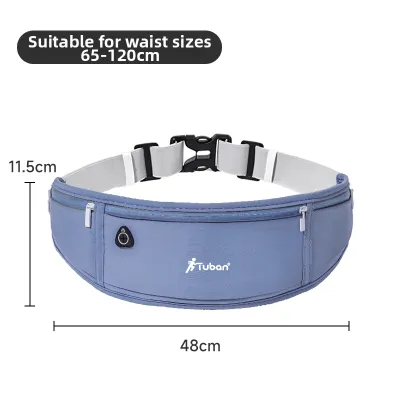
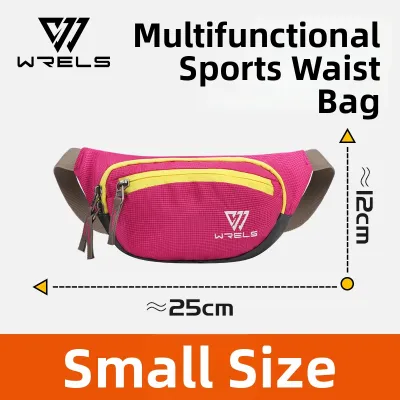
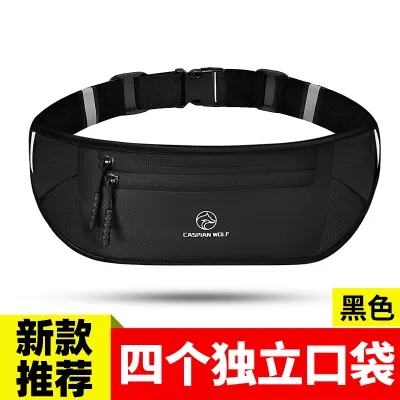
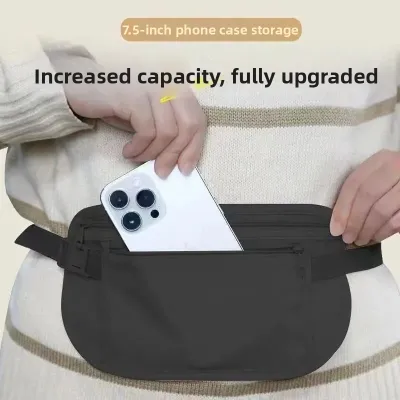
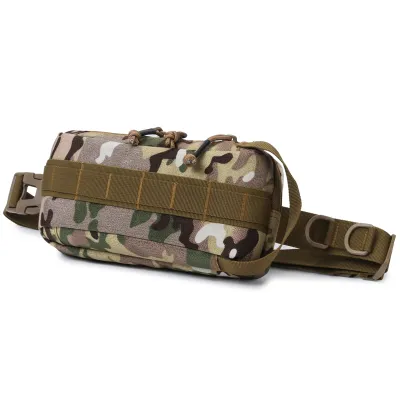
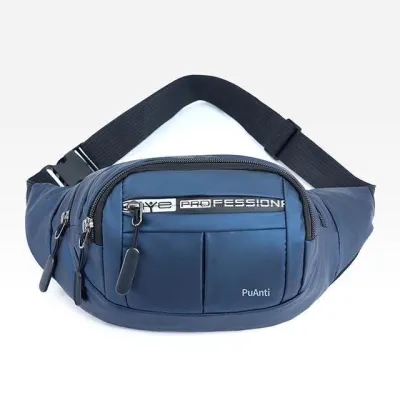
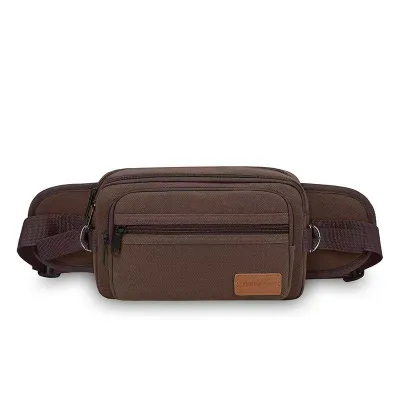
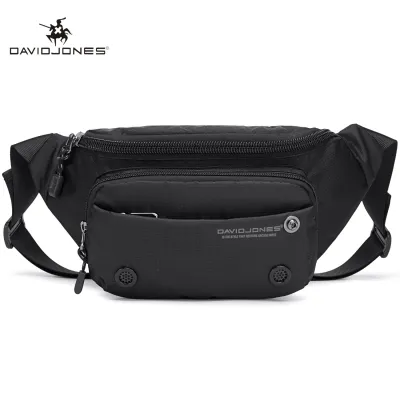
Prices are valid at publication and may change. Please refer to the product page for the latest price.
To achieve a secure, bounce-free fit, you must first determine where you prefer the belt to sit—either around your natural waistline or lower on your hips. Use a flexible measuring tape to measure this specific area while wearing your typical running attire, and compare your measurement directly against the manufacturer’s official sizing chart. Do not rely on your standard pant size, as running belts are designed with specific compression tolerances that differ from everyday clothing. If your measurement falls between two sizes, consider whether you prefer a snugger, high-compression fit or a slightly looser fit that accommodates layers or extra gear.
Storage capacity requirements should dictate the overall volume and structure of the belt. If your training runs are short and you only need to carry a single house key, an identification card, and emergency cash, an ultra-slim, single-pocket belt is highly efficient. However, if you carry a modern, large-format smartphone with a protective case, you must verify the pocket’s exact physical dimensions rather than relying on generic compatibility claims. For long-distance training or trail runs, your belt must accommodate specialized items such as energy gel packets, salt tablets, and collapsible soft hydration flasks, which require dedicated compartments or external loops to prevent them from shifting.
Material performance is paramount when running in the tropical climate of the Philippines, where high humidity and heavy perspiration are constant factors. Look for belts constructed from advanced moisture-wicking synthetic fabrics, such as nylon-spandex blends or polyester mesh, which facilitate rapid airflow and sweat evaporation. The backing material that rests directly against your skin should feature a breathable, non-abrasive mesh to minimize heat retention and prevent friction. Additionally, pay close attention to the zippers; high-quality running belts utilize sweat-resistant zippers or integrated weather flaps to protect your sensitive electronics from moisture damage.
Before finalizing your choice, always verify the manufacturer’s stated water-resistance ratings and physical specifications. While some belts feature water-resistant coatings or internal thermoplastic polyurethane (TPU) barriers to repel light rain and sweat, very few are completely waterproof. If you regularly run during the monsoon season or sweat heavily, look for models with designated dry pockets, or plan to place your smartphone inside a simple waterproof sleeve before inserting it into the belt.
Best Running Belt Styles for Short Races, Marathons, and Trails
Different running disciplines demand distinct gear configurations to optimize performance and comfort. A minimalist belt designed for a fast 5K track workout will not suffice for a demanding mountain trail run, just as a high-capacity trail pack is unnecessary for a short morning jog. Matching your running style to the correct belt design ensures you carry exactly what you need without carrying excess weight.

Minimalist Belts for Short Races and Speedwork
Minimalist running belts, often designed as continuous elastic tubes or ultra-slim pouches, are engineered for high-intensity efforts where speed and freedom of movement are the primary goals. These belts typically feature a seamless, step-in construction made from premium four-way stretch fabrics that conform closely to the contours of your waist or hips. By eliminating bulky plastic buckles and adjustable plastic sliders, minimalist belts present a completely flat profile that sits flush against your body, virtually eliminating the risk of chafing.
The primary mechanical advantage of a tube-style belt is its ability to distribute weight evenly around your entire pelvic center of gravity. Instead of concentrating the weight of a phone or key in a single front or rear pocket, these designs allow you to slide items into multiple slot openings around the perimeter of the belt. This even distribution prevents the heavy “pendulum effect” that causes traditional single-pocket packs to bounce during high-cadence speedwork or track intervals.
When selecting a minimalist belt, it is crucial to check the product specifications for maximum smartphone compatibility. Because these belts rely on fabric tension to hold items secure, inserting an oversized phone can overstretch the material, causing the belt to ride up your torso or slip down your hips during a run. Measure your phone with its protective case attached and compare those dimensions against the belt’s pocket opening before purchasing.
Multi-Pocket Belts for Long-Distance and Marathon Training
For marathon runners and long-distance enthusiasts, organization and accessibility are vital for maintaining a consistent pace. Multi-pocket running belts are designed with dedicated compartments that allow you to segregate your gear systematically. This structural separation prevents heavy metal keys or abrasive plastic cards from scratching your smartphone screen, and keeps dry items completely isolated from sticky energy gel wrappers or wet items.
Many premium marathon belts feature external elastic loops or integrated silicone-grip bungee cords on the exterior band. These loops are specifically designed to hold energy gel packets securely against your body, allowing you to slide a gel out quickly with one hand without having to unzip a pocket while running. This feature is highly beneficial during the later stages of a marathon when fine motor skills can decline due to physical fatigue.
Durability and adjustability are critical for long-distance gear that undergoes repetitive motion over several hours. Look for belts equipped with heavy-duty, rust-proof zippers and wide, adjustable elastic straps that can be customized on the fly. The adjustment mechanism must lock securely in place so that the belt does not gradually loosen as you run, especially when carrying the extra weight of hydration or nutrition.
High-Capacity Waist Packs for Trail Running
Trail running and ultramarathons introduce unpredictable terrain, steep elevation changes, and extended periods far from aid stations, requiring a much higher level of self-sufficiency. Trail-specific waist packs are built with robust, heavy-duty materials designed to withstand abrasions from low-hanging branches, rocks, and dense foliage. These packs often utilize high-tensile ripstop nylon fabrics and reinforced plastic buckles to handle the increased physical stress of off-road environments.
A key feature of trail-focused waist packs is their compatibility with soft hydration flasks, which typically range from 250ml to 500ml in volume. To prevent the significant bounce associated with carrying liquid, these packs position the bottle holsters at a precise angle—often 45 degrees—across the lower back, utilizing compression cords to keep the water secure as it sloshes. The inner lining of these packs usually features a highly textured, non-slip silicone pattern or rubberized grip panels to prevent the pack from shifting or rotating on your waist when descending steep, uneven trails.
Before purchasing a high-capacity trail pack, carefully verify the manufacturer’s specified total cargo volume (measured in liters) and recommended weight limits. Carrying gear that exceeds these design limits can compromise the structural integrity of the seams and buckles, and can alter your center of gravity, increasing the risk of slips or falls on technical terrain. Keep in mind that high-capacity waist packs are designed to assist your run, but they cannot replace proper hydration planning or physical training. When running in remote areas or under extreme heat, always check your water levels frequently, monitor your physical limits, and stop running immediately if you experience symptoms of heat exhaustion or severe dehydration.
How to Spot Authentic Branded Running Gear and Avoid Fakes
The popularity of running in the Philippines has led to an influx of counterfeit sports gear, making it essential to know how to identify original branded belt bags. Purchasing a counterfeit product not only deprives you of the advanced material engineering and warranty support of genuine brands, but it also increases the risk of gear failure—such as a broken zipper or snapped buckle—during an important race or training run.
To guarantee you are purchasing an original product, always source your gear from authorized physical sports retailers, specialty running shops, or the official brand flagship stores hosted on verified online marketplaces. Be highly cautious when browsing third-party seller platforms or social media marketplaces. If a seller is offering a premium branded belt at a price that is significantly lower than the standard retail price in the Philippines, it is highly likely to be a non-branded replica or a cheap counterfeit, regardless of any “original” or “authentic” labels in the product listing.
When inspecting a running belt in person, perform a detailed physical examination using the following quality checklist:
- Stitching Integrity: Genuine branded gear features tight, uniform, and double-reinforced stitching, particularly at high-stress connection points such as where the belt strap meets the pocket. Counterfeit items often display loose threads, uneven spacing, or single-stitch seams that easily pull apart under tension.
- Logo and Branding Precision: Examine the brand logos carefully. Authentic logos are cleanly heat-transferred, embroidered, or molded with sharp edges and correct spelling. Counterfeits often have slightly distorted fonts, peeling edges, or misaligned graphics.
- Elastic and Fabric Quality: High-quality elastane and nylon fabrics feel thick, smooth, and highly resilient. When stretched, they should snap back to their original shape immediately. Fake belts often use cheap polyester or low-grade elastic that feels thin, rough, and loses its shape after being stretched only a few times.
- Hardware and Zippers: Premium brands almost exclusively use top-tier zipper brands, such as YKK, which glide smoothly without catching. Inspect the zipper pulls for clean brand engravings and check the plastic buckles for solid, heavy-duty construction that clicks together tightly.
- Holographic Tags and QR Codes: Many reputable sports brands include security features such as unique serial numbers, holographic tags, or scannable QR codes on the product packaging or inner labels.
If you are uncertain about a product’s legitimacy, visit the brand’s official global website to cross-reference the seller against their list of authorized local distributors and retail locations in the Philippines. Many brands also offer online registration portals where you can input the product’s unique serial number to verify its authenticity and activate your manufacturer warranty.
How to Maintain Your Running Belt in a Humid Climate
The combination of high temperatures, intense humidity, and salty sweat in the Philippines creates a harsh environment that can rapidly degrade even the highest-quality running gear if not properly maintained. Sweat contains sodium chloride, urea, and lactic acid, which act as corrosive agents on synthetic fibers, elastic polymers, and metal zipper components over time. Establishing a consistent post-run maintenance routine is essential to preserve the elasticity, water resistance, and structural integrity of your running belt.
After every run, especially long training sessions or races, make it a habit to rinse your running belt thoroughly with cool, fresh water. This simple step dissolves and flushes away the accumulated salt crystals before they can dry and embed themselves deep within the fabric fibers. If left unrinsed, dried salt crystals act as tiny abrasives that slowly cut and weaken the elastic strands, leading to a stretched-out, loose belt that will eventually lose its bounce-free properties.
For a deeper clean to remove body oils and persistent odors, hand-wash the belt using a mild, sports-specific liquid detergent or a highly diluted white vinegar solution. Gently agitate the water and massage the fabric, paying special attention to the mesh backing and zipper tracks. Avoid using harsh chemical bleaches, fabric softeners, or strong powder detergents; these substances can strip away the manufacturer’s water-resistant coatings, clog the breathable pores of performance mesh, and chemically degrade the polyurethane elastic fibers.
Proper drying is just as critical as washing in a humid climate. Always air-dry your running belt by hanging it in a well-ventilated, shaded indoor area or a covered outdoor space. Never expose the belt to direct, intense sunlight for extended periods, as ultraviolet (UV) rays can break down synthetic polymers, causing the fabric to become brittle and fade. Additionally, never place your running belt in a high-heat mechanical clothes dryer, as the intense heat can melt thin synthetic fabrics, warp plastic buckles, and permanently destroy the elasticity of the waistband.
Perform routine physical inspections of your gear at least once a month. Carefully check the elastic band for tiny protruding rubber strands, which indicate that the internal elastic fibers are beginning to snap. Test the zippers to ensure they slide smoothly; if a zipper becomes stiff due to salt buildup, apply a tiny drop of specialized zipper lubricant or beeswax to the teeth to restore smooth operation. If you discover severely frayed seams, cracked plastic buckles, or an elastic band that no longer holds its tension, replace the belt immediately to prevent your gear from falling out or failing during your next run.
Frequently Asked Questions (FAQ)
Will a running belt bounce if I carry a heavy smartphone?
A running belt should not bounce if it is correctly sized, properly adjusted, and loaded within its intended weight capacity. Bouncing is almost always caused by wearing a belt that is too loose, positioned incorrectly, or overloaded with items that exceed the fabric’s structural tension. To prevent movement, place your heavy smartphone flat against your lower back or directly over the center of your waist, which aligns the weight with your body’s center of gravity. Ensure the belt is pulled snug and positioned just above your hip bones, following the manufacturer’s specific fit guidelines to maintain a stable ride.
How do I clean a running belt with a stubborn sweat odor?
To eliminate stubborn sweat odors without damaging performance fabrics, hand-wash your running belt in lukewarm water mixed with a small amount of sports-specific laundry detergent or a cup of distilled white vinegar. Vinegar acts as a natural deodorizer that breaks down the bacteria and body oils trapped within the synthetic fibers. Gently work the solution into the fabric, let it soak for fifteen minutes, and rinse it thoroughly with clean water. Always refer to the care label attached to your specific belt before washing, and avoid using fabric softeners or chlorine bleach, which can ruin moisture-wicking materials and break down elastic components.
Community discussion
Share your experience or ask a question. Comments are reviewed before publication.