
A carabiner multi tool is an invaluable accessory for organizing gear, repairing equipment, and managing small camp tasks on Philippine trails. However, it is critical to understand from the outset that these tools are strictly for utility and must never be used for safety-critical climbing maneuvers. In the humid, muddy, and unpredictable environments of Philippine mountains—from the rain-soaked mossy forests of Mt. Pulag to the rugged, technical ridges of Mt. Guiting-Guiting—choosing the right gear-carrying tool requires balancing weight, corrosion resistance, and practical utility.
Before packing any utility hardware for your next expedition, you must understand how to evaluate these tools against the harsh tropical elements. This guide breaks down the essential safety boundaries, material considerations, and maintenance protocols required to keep your utility gear functioning reliably on the trail.
Critical Safety Distinction: Accessory vs. Climbing Carabiners
The most important safety boundary when handling any carabiner multi tool is distinguishing between load-bearing climbing hardware and non-load-bearing utility accessories. True climbing carabiners are engineered and certified to withstand the massive dynamic forces generated during a fall, which often exceed 20 kilonewtons (kN)—equivalent to supporting over 2,000 kilograms of static weight. These safety-critical connectors undergo rigorous testing to meet international standards established by the UIAA (International Climbing and Mountaineering Federation) and CE (Conformité Européenne).
Products mentioned in this guide
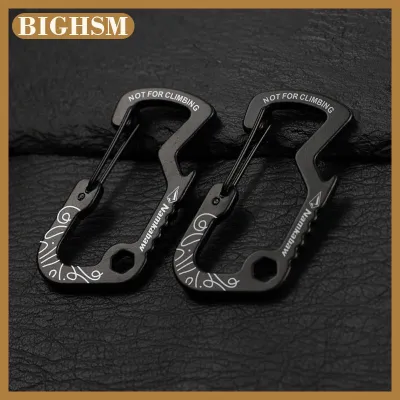
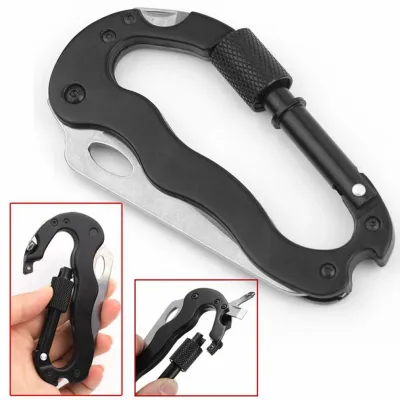
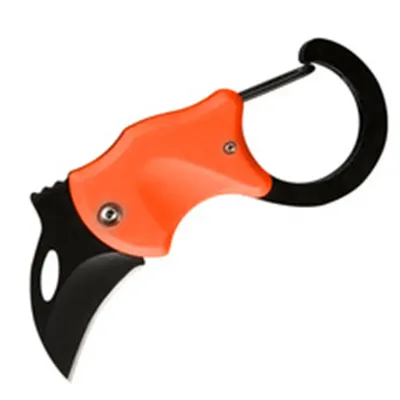
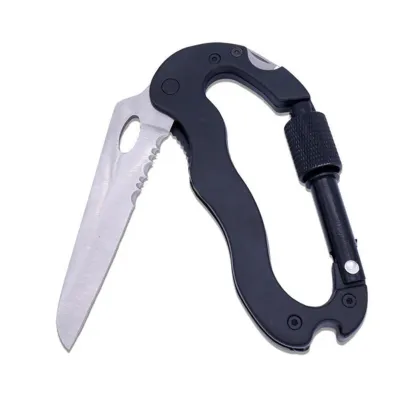
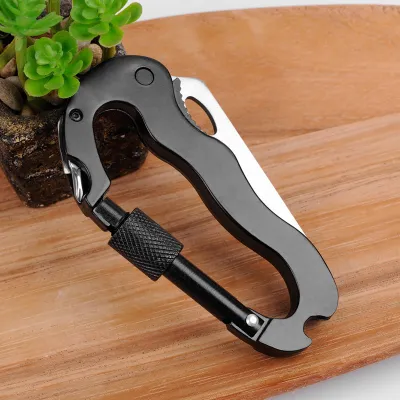
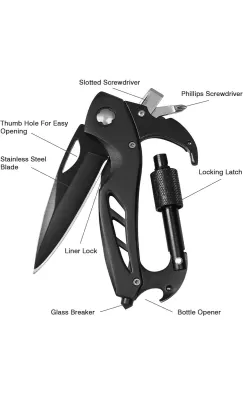
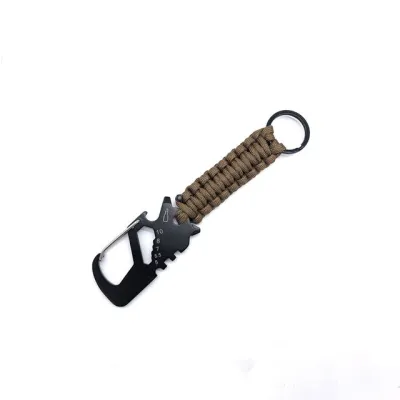
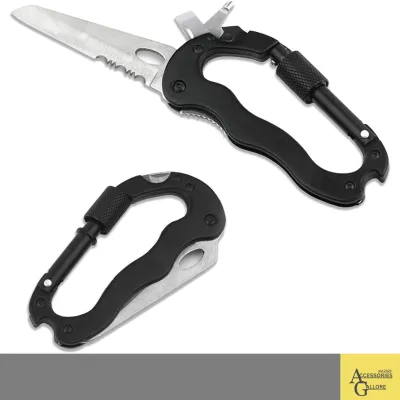
Prices are valid at publication and may change. Please refer to the product page for the latest price.
In contrast, a carabiner multi tool is designed exclusively for light utility, gear organization, and basic camp tasks. They are not rated for life-support, belaying, rappelling, or anchoring a climbing system. Using an accessory tool for any of these purposes can lead to immediate mechanical failure under human weight, resulting in catastrophic accidents. The thin gates, integrated tool cutouts, and lack of certified heat treatment in multi-tools make them structurally incapable of managing dynamic climbing loads.
To verify the safety limits of your gear, always inspect the spine of the carabiner. Certified climbing hardware will have clearly stamped or laser-etched markings indicating its major-axis, minor-axis, and open-gate strength in kilonewtons, alongside the UIAA or CE certification logo. If these markings are absent, the item is strictly an accessory. You must restrict its use to low-risk tasks, such as hanging lanterns, carrying water bottles, securing keys, or clipping lightweight camp slippers to the outside of your backpack.
What Makes a Good Carabiner Multi-Tool for Philippine Mountains?
Selecting a carabiner multi tool for mountaineering in the Philippines requires careful consideration of the local climate. Tropical environments present unique challenges, including persistent high humidity, heavy seasonal rainfall, acidic volcanic soil, and salt-laden air on coastal peaks like Mt. Daguldol. These factors accelerate metal corrosion and can quickly seize moving parts if your gear is poorly chosen.

Material Selection
When evaluating materials, you will primarily choose between stainless steel and anodized aluminum alloys. Stainless steel offers exceptional structural strength and superior resistance to deep rust, making it highly reliable for multi-day expeditions where gear is constantly exposed to wet foliage. However, stainless steel is significantly heavier, which can add up on long, steep ascents. Anodized aluminum is incredibly lightweight and helps minimize your pack weight, but once the thin, protective anodized outer layer is scratched by rocky terrain or trail grit, the underlying raw aluminum becomes vulnerable to rapid oxidation when exposed to acidic mud and sweat.
Tool Utility
Not all integrated tools are practical on a mountain trail. While a bottle opener is a common addition, you should prioritize features that assist with gear repair and campsite maintenance. Integrated flathead and Phillips screwdrivers are highly useful for tightening trekking pole locks or camera tripod plates. Small hex wrenches can help you service multi-fuel camping stoves, while built-in cord cutters allow you to safely slice paracord or utility lines without exposing a large, dangerous knife blade in slippery conditions.
Gate Mechanism
The gate mechanism must operate smoothly even when exposed to mud and grit. Solid-gate utility carabiners can easily trap dirt in their internal spring chambers, causing the gate to stick open. Wiregate designs are generally more self-cleaning, as the open wire structure allows mud to squeeze out rather than accumulate. If you plan to carry heavier items on the exterior of your pack, look for a tool with a locking gate—such as a simple threaded screwgate—to prevent accidental unclipping when pushing through dense tropical brush or narrow forested trails.
Recommended Carabiner Multi-Tools for Mountaineering Gear
To help you choose the right accessory for your specific climbing style, we have categorized the most reliable utility carabiner designs available in the local market. Each category serves a distinct purpose, balancing weight, durability, and tool layout. Before purchasing any tool, always verify the exact specifications, material grades, and gate clearances with official outdoor retailers to ensure the gear matches your intended carrying method.
Stainless Steel Multi-Tool Carabiners for Durability
Heavy-duty stainless steel utility carabiners are built for maximum durability and are ideal for multi-day expeditions in wet, demanding environments like Mt. Apo or Mt. Halcon. These tools prioritize structural integrity over weight savings, ensuring that the integrated screwdrivers, scrapers, and wrenches do not bend or deform when high torque is applied during gear repairs.
Because stainless steel is highly resistant to the corrosive effects of organic acids found in forest soil and decaying vegetation, these tools can survive prolonged exposure to wet mud without seizing. The primary trade-off is weight. A stainless steel tool is best carried inside your emergency repair kit or clipped directly to a heavy backpack frame rather than hung from a lightweight harness loop where it might cause uncomfortable sagging.
Lightweight Aluminum Carabiner Tools for Fastpacking
For fastpackers and day-hikers aiming to minimize their base weight on trails like Mt. Pulag’s Ambangeg route, lightweight aluminum alloy carabiner tools are the preferred choice. These accessories offer a high strength-to-weight ratio, allowing you to secure water bottles, GPS units, or solar chargers to your pack straps without adding noticeable bulk.
These tools typically feature minimalist designs, incorporating basic tools like small flatheads, bottle openers, and light wire benders. The main limitation is their vulnerability to abrasive wear. If you frequently climb in areas with sharp limestone, such as Mt. Daraitan, the anodized coating on an aluminum tool will scratch easily. You must perform regular post-hike inspections to check for micro-cracks and surface oxidation, especially after exposure to salty coastal winds.
Specialized Accessory Carabiners with Rope Cutters and Wrenches
Specialized utility carabiners are engineered specifically for gear repair and campsite maintenance, acting as compact toolkits that save valuable space in your pack. These hybrid designs often combine a lightweight aluminum body with high-wear steel components, such as a replaceable steel cord cutter or a dedicated gate-tightening tool.
These specialized tools are excellent for adjusting stove valves, tightening loose screws on external-frame packs, or cutting emergency nylon webbing. They allow you to leave heavier, dedicated hand tools at home. However, even with these advanced features, you must remember that these hybrid tools are still non-load-bearing accessories and should never be integrated into any rope rigging or safety anchor systems.
Comparing Top Carabiner Multi-Tools for Trail Utility
To help you quickly match a tool category to your specific climbing needs, the table below summarizes the key differences in materials, ideal use cases, and rust resistance levels.
| Category | Primary Material | Best For | Key Integrated Tools | Rust Resistance Level |
|---|---|---|---|---|
| Heavy-Duty Utility | Stainless Steel | Multi-day expeditions, wet jungle trails, and heavy gear repair | Hex wrenches, flathead screwdriver, scraper, file | High (excellent in wet climates) |
| Lightweight Fastpack | Anodized Aluminum | Day hikes, fastpacking, and securing lightweight accessories | Bottle opener, small flathead, wire bender | Moderate (requires care if scratched) |
| Specialized Repair | Mixed Alloy / Steel | Campsite maintenance, stove repair, and cord cutting | Replaceable cord cutter, multi-size hex keys | Moderate to High (alloy dependent) |
When deciding between these categories, balance the expected weather conditions of your destination against your carrying capacity. For short, dry-season hikes, a lightweight aluminum tool is highly convenient. For extended, wet-season climbs where gear failure could compromise your safety or shelter, carrying a slightly heavier, highly durable stainless steel tool in your repair kit is the wiser choice.
Essential Maintenance for High Humidity and Mud
Philippine mountains are notorious for muddy trails, volcanic ash, and high humidity, all of which can quickly degrade utility hardware. Proper post-hike maintenance is essential to prevent rust, preserve gate spring tension, and ensure that your tools remain functional when you need them most.
To maintain your utility carabiner, follow this step-by-step cleaning and lubrication protocol after every climb:
- Post-Hike Cleaning: Rinse the tool thoroughly under warm, fresh water to wash away acidic mud, volcanic grit, and sweat. Use a soft-bristled brush, such as an old toothbrush, to gently scrub the gate hinge, spring chamber, and any integrated tool pivots. Avoid using harsh chemical detergents or abrasive steel wool, which can strip away protective anodized coatings or painted finishes.
- Thorough Drying: After washing, shake out any excess water from the gate mechanism. Wipe the tool down with a clean microfiber cloth and leave it to air-dry completely in a well-ventilated indoor space. Do not store the tool while it is damp, and never leave it in a sealed plastic bag or a damp backpack pocket, as trapped moisture will rapidly cause rust on steel components and oxidation on aluminum.
- Targeted Lubrication: Once the tool is completely dry, apply a single drop of dry PTFE or silicone-based spray lubricant directly to the gate pivot and moving tool joints. Dry lubricants are highly recommended because they do not attract trail dust, sand, or volcanic ash. Avoid using heavy wet oils, WD-40, or bicycle chain grease, as these substances create a sticky residue that traps abrasive grit, accelerating mechanical wear and eventually seizing the gate.
- Inspection Checklist: Periodically inspect your tool for signs of wear. Check that the gate snaps shut automatically and completely when released; if the gate spring feels sluggish or fails to close, retired the tool from gear-carrying duties. Inspect the body for deep scratches, gouges, or hairline cracks, particularly around integrated tool cutouts, and replace the tool if any structural deformation is visible.
Frequently Asked Questions (FAQ)
Can I use a carabiner multi-tool to secure my climbing harness?
No, you must never use a carabiner multi-tool to secure a climbing harness, belay device, or any part of a safety anchor system. These tools are non-certified accessories designed solely for light utility and gear organization. They lack the structural integrity and UIAA/CE certifications required to withstand human weight or dynamic fall forces. Under a dynamic load, an accessory multi-tool will fail catastrophically. Always use certified, load-rated climbing carabiners for all safety-critical connections.
Is it safe to bring a multi-tool with a blade on Philippine mountains?
Yes, but you must verify the specific regulations of the mountain you are climbing before packing. Most national parks and protected areas managed by the Department of Environment and Natural Resources (DENR) or local Government Units (LGUs) permit small, folding multi-tool utility blades for campsite tasks. However, some highly regulated trails or protected sanctuaries restrict large fixed-blade knives or machetes to prevent environmental damage. Always check with your local guide, climbing club, or municipal tourism office regarding specific gear restrictions before your climb.
How do I fix a stiff carabiner gate after a muddy hike?
To restore a stiff or sticking gate, first flush the hinge and spring chamber with clean, warm water to dissolve and remove any trapped mud, sand, or salt residue. Use a soft brush to clear out stubborn debris. Once the tool is completely dry, apply a small drop of dry PTFE or silicone-based lubricant to the pivot point and cycle the gate several times to distribute the lubricant. Do not force the gate open or closed while it is dry and gritty, and avoid using harsh chemical solvents that can degrade plastic spacers or protective coatings.
Community discussion
Share your experience or ask a question. Comments are reviewed before publication.